Table of Contents >> Show >> Hide
- What “Country Series” Usually Means (Even If Brands Use Different Names)
- The Features That Make a Sink Feel Truly “Country”
- Choosing the Right Material: Beauty vs Battle-Readiness
- Sizing a Country Series Sink: The Cabinet Is the Boss
- Installation Types: What Your Countertop and Contractor Need to Know
- Workstation Upgrades: Country Charm, Modern Efficiency
- Faucets and Styling: Making It Look Like It Belongs
- Care and Cleaning: Keep the Country Sink Cute
- Common Mistakes (So You Don’t Learn the Hard Way)
- Buying Checklist: The “Yes, This Will Actually Work” List
- Conclusion: The Sink That Sets the Tone
- Experience Notes (500+ Words): What Real Kitchens Teach You About Country-Style Sinks
In a country-style kitchen, the sink isn’t just where dishes go to sulkit’s the unofficial headquarters for meal prep, flower-arranging, “I’ll soak it later” promises, and the occasional attempt to wash something that absolutely does not belong indoors (looking at you, muddy gardening boots). If you’re shopping for a Country Series kitchen sink, you’re really shopping for a vibe: warm, classic, hardworking, and just a little bit “grandma’s house, but make it Pinterest.”
This guide breaks down what “Country Series” typically means in sink terms (spoiler: it’s closely related to farmhouse/apron-front style), how to choose the right size and material, what installation quirks to expect, and how to style it so it looks intentional not like you accidentally adopted a sink from a 1903 dairy farm.
What “Country Series” Usually Means (Even If Brands Use Different Names)
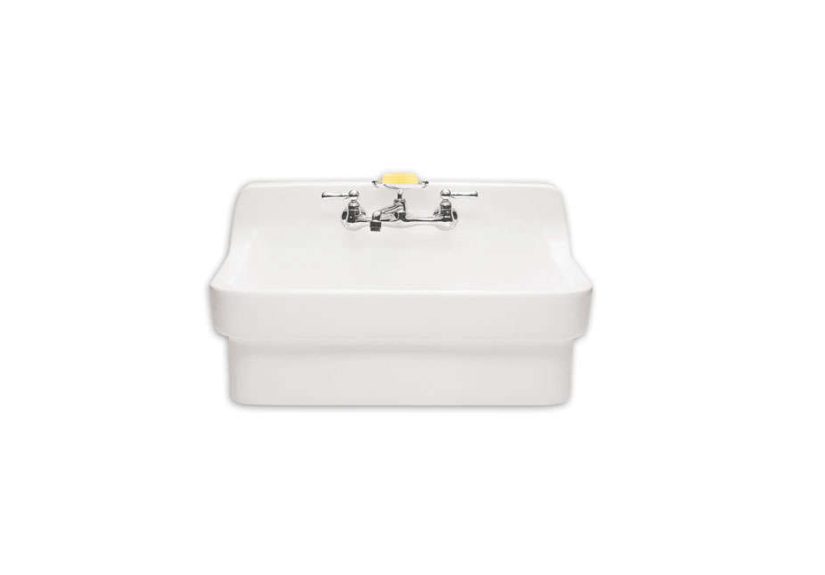
Some manufacturers literally label a collection as “Country,” while others use names like farmhouse, apron-front, classic, heritage, or even “old-world.” In practice, a Country Series kitchen sink usually shares a few signature traits:
- An apron-front (or apron-style) face that shows on the cabinet front
- A deep basin designed for big pots, sheet pans, and life’s messiest moments
- Traditional shapes and finishes (often white, biscuit, black, stainless, or a muted matte tone)
- Materials that feel substantialfireclay, enameled cast iron, heavy-gauge stainless, or durable composites
You’ll also hear people debate “apron sink vs farmhouse sink.” In everyday shopping language, they’re often used interchangeably. The short version: an apron sink has that exposed front; “farmhouse” describes the style tradition it’s associated with. Translation: they’re basically cousins who borrow each other’s hoodies.
The Features That Make a Sink Feel Truly “Country”
1) The Apron Front: Practical, Not Just Pretty
The apron front isn’t only a design flex. Because the front panel extends outward, you stand closer to the basin. That can reduce the “lean-and-reach” posture people get with some standard drop-in sinksespecially helpful if you cook a lot. The look is iconic: classic cabinetry + a bold sink face = instant country-kitchen energy.
2) Single Bowl vs Double Bowl: The Real Country Debate
Country kitchens are all about function, so pick the bowl layout that matches your daily rhythm:
- Single-bowl farmhouse: Great for oversized cookware, roasting pans, and baking sheets. If you’re a “wash one gigantic pot and move on with my life” person, this is your soulmate.
- Double-bowl farmhouse: Better if you like separating tasks (soak on one side, rinse on the other). It can feel more organizedbut each bowl is smaller, which may annoy you when the holiday turkey pan shows up.
3) Depth Matters More Than You Think
Most country-style sinks lean deeper than the average builder-basic basin. Depth is great for containing splashes and hiding dish piles (no judgment), but it also changes how you work. If your sink is very deep and you’re shorter, consider pairing it with a comfortable faucet height and a bottom grid so you’re not reaching into the abyss like you’re retrieving a lost artifact.
Choosing the Right Material: Beauty vs Battle-Readiness
The “best” material depends on how you cook, how you clean, and how you feel about tiny scratches (some people don’t care; others can hear them). Here’s how the most common Country Series sink materials compare.
Fireclay: The Classic White Farmhouse Look
Fireclay sinks are known for a smooth, glossy surface and that signature bright, clean farmhouse vibe. The glaze is designed to resist everyday wear, and fireclay handles heat wellhelpful for busy kitchens. The tradeoff is impact: dropping something heavy can chip or crack the surface, so a protective bottom grid is your best friend.
- Best for: classic country kitchens, warm traditional spaces, anyone who wants that iconic white apron-front
- Watch out for: heavy impacts, careless “toss the cast-iron skillet” moments, and using harsh abrasives
Enameled Cast Iron: Old-School Tough with a Glossy Finish
Enameled cast iron is the “built like a tank” option. It feels substantial, stays looking timeless, and can last for years. The enamel surface is durablebut if it chips deeply, the underlying iron can become vulnerable (and yes, the weight is real). If you love the idea of a sink that feels permanent, cast iron is very on-brand for a Country Series look.
- Best for: traditional remodels, historic-style kitchens, homeowners who want a long-term statement piece
- Watch out for: heavy weight (cabinet support matters), and protecting the finish with a grid
Stainless Steel: Country, but Make It Practical
Stainless steel farmhouse sinks have become popular because they’re relatively easier to maintain and less likely to chip. In a country kitchen, stainless can look great when paired with warm wood, shaker cabinets, or aged hardware. If you want country charm without the “please don’t drop that” anxiety, stainless is a strong option.
- Best for: busy households, heavy cooking, and anyone who prefers low-stress upkeep
- Watch out for: water spots and fine scratches (they’re normal, but not everyone likes them)
Composite / Granite Composite / Stone-Look Materials
Composite sinks (often quartz or granite composite blends) can deliver a matte, earthy finish that looks amazing in country kitchens, especially if you want something darker than bright white. They tend to be durable and hide minor wear well. They’re also a smart way to get a “natural” feel without choosing a high-maintenance material.
Sizing a Country Series Sink: The Cabinet Is the Boss
If you only remember one thing from this entire article, make it this: your cabinet size and structure determine what sink you can install. Country-style sinks are often wide and heavy, and many need additional cabinet support.
Common Sink Widths (and What They’re Good For)
- 30-inch: great for smaller kitchens, still roomy in a farmhouse style
- 33-inch: the popular “sweet spot” for everyday cooking and large cookware
- 36-inch: dramatic, spacious, and fantastic if you do a lot of cooking (or a lot of dishes)
Rule of Thumb: Give Your Sink Some Breathing Room
Many guides recommend a sink base cabinet that’s roughly 2–3 inches wider than the sink, depending on the model and installation method. Example: a 33-inch farmhouse sink often pairs nicely with a 36-inch sink base cabinet. But always check the manufacturer’s minimum cabinet width requirementsthose are the rules that actually matter.
Weight and Support: Don’t Let Your Sink Become a Plot Twist
Farmhouse-style sinks can be heavy enough to require reinforced cabinetry or a support frame. That’s normal. Plan for it, budget for it, and you’ll avoid the nightmare scenario where your beautiful new sink starts acting like it wants to relocate to the basement.
Installation Types: What Your Countertop and Contractor Need to Know
Undermount Farmhouse (Popular, Clean Look)
An undermount farmhouse sink mounts beneath the countertop, creating a clean edge that’s easy to wipe into the basin. It looks custom and high-end, but installation needs precision: the cabinet cutout, sink reveal, and support system all need to be right.
Top-Mount / Drop-In (Sometimes Easier in Retrofits)
Top-mount apron-front sinks can make sense when you’re trying to keep an existing countertop. Some designs are built to minimize how much cutting is needed and can help hide rough edges. If you’re renovating in phases, this approach can be a lifesaver.
Drain Placement and Why Offset Drains Are Popular
Some Country Series sinks use an offset drain (not centered) to increase workspace in the basin and improve storage below. Practically, it can also reduce the “stacked dishes blocking the drain” issue. If you’ve ever watched water pool around a pile of plates like a tiny dish swamp, you’ll appreciate this.
Workstation Upgrades: Country Charm, Modern Efficiency
Country style doesn’t mean you can’t have clever features. Many modern farmhouse sinks are also workstation sinks, with built-in ledges that hold sliding accessories. Think of it like adding a tiny kitchen island… inside your sink.
Common workstation accessories include:
- Sliding cutting boards (wood or composite)
- Colanders and drain trays
- Roll-up drying racks
- Bottom grids to protect the basin
- Basket strainers and drain accessories
If you prep food often, a workstation setup can reduce countertop clutter and speed up cleanup. Just make sure accessories are actually included (and not “sold separately” after you fall in love).
Faucets and Styling: Making It Look Like It Belongs
Pick a Faucet That Fits the Sink’s Scale
A big country sink paired with a tiny faucet looks… confused. Aim for a faucet with enough height and reach to comfortably rinse large items. Pull-down sprayers are popular because they’re practical for daily cooking. For a more traditional look, bridge faucets can be stunningespecially with warm metals like brass or antique bronze.
Countertops That Pair Beautifully with Country Sinks
- Butcher block: warm, rustic, and classic (just keep up with sealing)
- Quartz: country-friendly when you choose soft veining or warm neutrals
- Soapstone: timeless and moody, especially with white or matte sinks
- Granite: durable and traditional, great if you prefer a natural pattern
Cabinetry and Hardware That Sell the Look
Shaker cabinets are the easy win, but they’re not the only move. Beadboard details, inset doors, and simple rail-and-stile styles also read “country” without trying too hard. Hardware can do a lot of heavy lifting here: bin pulls, cup pulls, and simple knobs instantly reinforce the farmhouse vibe.
Care and Cleaning: Keep the Country Sink Cute
Fireclay and Enameled Surfaces
- Use gentle cleaners and soft sponges for daily cleanup.
- Avoid harsh abrasives that can dull the finish over time.
- Rinse after messy cooking to prevent stains from sitting too long.
- Use a bottom grid to reduce impact and scratching from pots.
Stainless Steel
- Wipe with the grain when possible.
- Dry after use if water spots drive you up the wall.
- Expect normal micro-scratches; they’re part of stainless steel’s “working kitchen” personality.
Common Mistakes (So You Don’t Learn the Hard Way)
- Buying the sink before confirming cabinet sizing: measure first, fall in love second.
- Skipping support planning: heavy sinks need proper reinforcement.
- Ignoring faucet hole configuration: some sinks come with multiple pre-drilled holes; others are none.
- Choosing white without thinking about real life: if your household creates spaghetti sauce like it’s an art medium, plan accordingly.
- No accessories or protection: a bottom grid is cheap insurance for many finishes.
Buying Checklist: The “Yes, This Will Actually Work” List
- Cabinet width: confirm minimum base cabinet requirement for the exact model
- Sink width and depth: match to your cooking habits and your comfort height
- Material: fireclay, cast iron, stainless, or compositechoose based on upkeep and impact tolerance
- Installation type: undermount vs top-mount vs apron-front retrofit needs
- Drain placement: center vs offset depending on workflow and storage
- Accessories: grids, racks, strainers, cutting boardsverify what’s included
- Faucet pairing: enough height/reach and the right hole configuration
Conclusion: The Sink That Sets the Tone
A Country Series kitchen sink is equal parts style statement and daily workhorse. Choose the right size and material, plan the install properly (especially cabinet support), and your sink becomes the best kind of centerpiece: the one that looks great and makes your kitchen easier to use.
Whether you go classic white fireclay, timeless enameled cast iron, or practical stainless steel with workstation accessories, the goal is the same: a sink that feels warm, welcoming, and ready for real life. Because country kitchens aren’t meant to be preciousthey’re meant to be lived in.
Experience Notes (500+ Words): What Real Kitchens Teach You About Country-Style Sinks
The first “experience” most people have with a Country Series sink is not poetic. It’s logistical. The sink arrives, and suddenly everyone realizes it’s bigger (and heavier) than it looked online. This is where the best kind of kitchen wisdom shows up: measure twice, check cabinet specs, and treat your sink base like it’s holding a small piano. Homeowners who plan support early tend to have smooth installs; the ones who don’t usually end up adding reinforcement mid-project which is the renovation version of remembering you needed milk only after you get home.
Next comes the daily-use reality check. People often fall in love with a deep farmhouse basin because it hides dishes and handles big cookware. Then they actually use it for a week and discover a few patterns: a single-bowl sink is amazing for sheet pans and stock pots, but it also encourages “dish stacking.” That’s not a sink flawit’s a human flaw. (We are all tired. It’s fine.) The simple fix that comes up again and again is using a bottom grid and a dish rack strategy. A grid protects the surface and creates a slightly raised landing zone so pans don’t scrape the bottom like a dramatic exit.
Another common lesson is splash management. Apron-front sinks put you closer to the basin, which can feel more ergonomic, but the water can also be more enthusiastic about escaping if the faucet is too powerful or angled oddly. Many homeowners end up adjusting their faucet aerator, choosing a faucet with a more controlled spray pattern, or simply learning the “aim low and calm down” technique. (A sink shouldn’t require martial arts, but here we are.)
Material choice becomes personal fast. Fireclay fans love the bright, clean look, especially in a true country kitchen with shaker cabinets and warm wood tones. But the lived-in experience is that fireclay rewards gentle habits: rinse after messy foods, avoid harsh abrasives, and don’t treat the sink like a drop zone for heavy cast iron. In busy households, the best “experience tip” is prevention: use the grid, keep a soft sponge handy, and wipe out staining foods sooner rather than later. Cast iron owners often describe a different kind of satisfactionthis feeling that the sink is part of the house’s bones. The tradeoff is weight and installation seriousness, but once it’s in, it can feel like it belongs there permanently.
Workstation accessories are where country style meets modern sanity. People who cook a lot often report that the sliding cutting board and colander quickly become the default food-prep setupespecially when counter space is limited. It’s not just about being fancy; it’s about keeping your counters clearer and your workflow smoother. The lived experience takeaway: if you’ll actually use the accessories, a workstation Country Series sink can feel like adding space without remodeling. If you won’t, you might prefer a simpler basin and spend the savings on a faucet you love.
Finally, the biggest “real kitchen” truth: the perfect Country Series sink is the one that matches how you live. If you bake a lot, prioritize basin width and easy cleanup. If you host often, consider a large single bowl and an offset drain so dish piles don’t block water flow. If you’re juggling a busy household, stainless steel might be your low-stress hero. Country style is supposed to feel welcomingnot like you’re afraid to use your own sink.