Table of Contents >> Show >> Hide
Cupping therapy, a treatment with ancient roots in Chinese medicine, has made its way into mainstream health and wellness circles. Known for the dark bruises it leaves on the skin, cupping often raises eyebrows among those unfamiliar with the practice. Is it as painful as it looks? Let’s explore this question and dive into the world of cupping therapy, uncovering its benefits, potential discomforts, and the real experience of those who have undergone it.
What is Cupping Therapy?
Cupping is a form of alternative medicine in which cups are placed on the skin to create suction. This suction is said to promote healing, improve blood circulation, and reduce muscle tension. While cupping has been used for centuries in various cultures, it has gained significant popularity in recent years, particularly among athletes and those seeking relief from muscle aches and chronic pain.
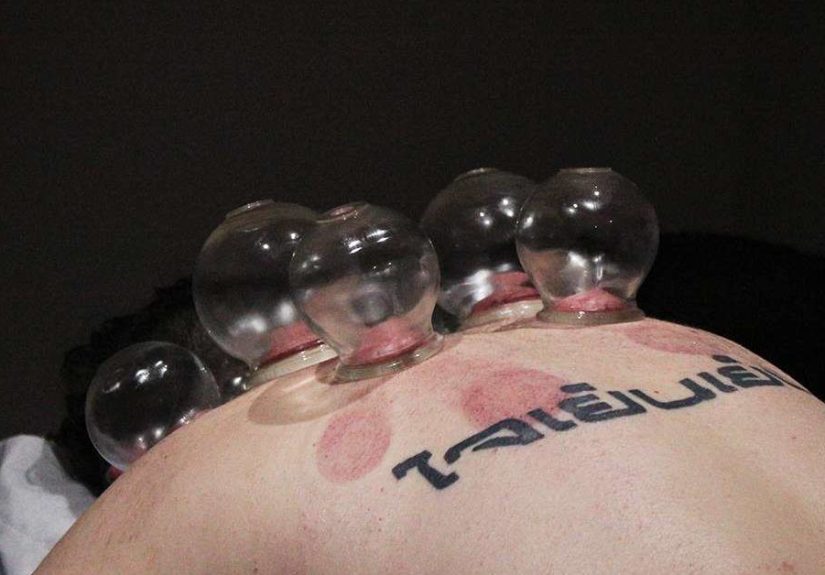
The cups, traditionally made of glass, bamboo, or silicone, are placed on specific areas of the body. The suction can be achieved in two ways: using heat (fire cupping) or a mechanical pump (dry cupping). The therapy is typically performed on the back, shoulders, or neck, but it can also target other areas where there’s pain or tension.
The Perception of Pain: Does Cupping Hurt?
The most common question about cupping is whether it’s painful. To understand the answer, we must first examine how cupping feels. While the suction can create a sensation of tightness or pulling on the skin, it is generally not described as painful. In fact, many people compare it to a deep tissue massage or the feeling of pressure you might experience after a tough workout.
However, some discomfort is to be expected, especially if you have sensitive skin or if the cups are left on for a longer period. The sensation of the cups being applied can feel strange at first, and it might make some individuals anxious, especially when they see the marks left on their skin after the session. These marks are typically a result of the increased blood flow to the area, and while they might look alarming, they are not a sign of injury or harm. They usually fade within a few days to a week.
The Types of Sensations You Might Experience
1. Suction Sensation
The most common sensation during cupping is the suction created when the cups are placed on the skin. It might feel like a tightness or pulling sensation, but not necessarily pain. For most people, this feeling is tolerable and even relaxing once they get used to it.
2. Warmth (in Fire Cupping)
In fire cupping, the practitioner uses heat to create suction. The cups are briefly heated with fire before being placed on the skin. The sensation of warmth can be soothing for many, but it can also cause mild discomfort if the cups are too hot. Practitioners are trained to ensure the temperature is comfortable, but if you have sensitive skin, this method might not be ideal.
3. A Deep Tissue Massage Feel
Many people compare the feeling of cupping to a deep tissue massage. Just as a massage therapist may press deeply into muscles, cupping therapy pulls the skin and underlying tissues. For those with tight muscles or chronic pain, this sensation can feel therapeutic rather than painful.
4. Pressure Sensation
Some individuals report a feeling of pressure on the skin, particularly if the cups are left on the skin for a prolonged period. The pressure from the cups increases blood flow to the area, which can feel like a gentle but deep massage. This sensation can range from relaxing to uncomfortable, depending on the individual’s pain threshold.
Who Can Benefit from Cupping?
Cupping therapy is often used by individuals seeking relief from musculoskeletal pain, such as back or neck pain. It is also commonly used to help with conditions like migraines, anxiety, and even digestive issues. Athletes often swear by cupping to alleviate soreness and speed up recovery after intense training or competitions.
1. Pain Relief
One of the primary reasons people turn to cupping therapy is for pain relief. Whether it’s chronic pain from conditions like fibromyalgia or acute muscle soreness from a workout, cupping is thought to release tension and improve blood flow to the affected area. Many individuals report feeling a sense of relaxation and relief after a cupping session.
2. Improving Circulation
By increasing blood flow to the area where the cups are applied, cupping therapy is said to promote healing and circulation. This can be beneficial for those with poor circulation or those recovering from an injury.
3. Reducing Inflammation
Research suggests that cupping may help reduce inflammation by drawing blood to the skin’s surface. Inflammation can contribute to pain and discomfort, so this may explain why people with conditions like arthritis find cupping helpful.
Potential Risks and Side Effects
Like any therapy, cupping is not without its risks. While rare, some people may experience side effects from cupping. These may include:
- Bruising or skin discoloration (usually temporary)
- Burns (from fire cupping, if the cups are too hot)
- Skin irritation or cuts (if the cups are not applied properly)
If cupping is done incorrectly or if the cups are left on for too long, there is a slight risk of skin damage. It’s essential to seek a licensed and experienced practitioner to ensure the therapy is performed safely.
How to Prepare for Cupping
If you decide to try cupping, it’s important to prepare properly to ensure a positive experience. Here are some tips:
- Wear loose, comfortable clothing that allows easy access to the area being treated.
- Ensure you’re hydrated before your session, as cupping can be dehydrating.
- Communicate with your practitioner about any discomfort during the session, so they can adjust the pressure as needed.
Conclusion: Is Cupping as Painful as It Looks?
In conclusion, cupping is not as painful as it might appear at first glance. While the sensation of suction can be intense for some, most people find the treatment to be more of a deep, soothing pressure rather than an outright painful experience. The marks left by the cups might look alarming, but they’re a temporary side effect of the therapy’s intended purpose: increasing blood flow and promoting healing.
If you’re considering trying cupping therapy, it’s essential to keep in mind that everyone’s experience will differ. For some, the sensation is incredibly relaxing, while for others, it might feel a bit uncomfortable at times. Ultimately, the benefits of cuppingespecially for pain relief, circulation, and muscle tensionmay outweigh any temporary discomfort.
Real Experiences: What People Say About Cupping
While many health practices have their fair share of skeptics, cupping therapy has garnered widespread attention and praise. Many people have shared their personal experiences with cupping, and the feedback is mixed, though generally positive.
One woman, an avid runner, shared her experience after undergoing cupping therapy for her chronic lower back pain. She described the sensation as “odd but not unbearable,” noting that while the suction was intense, it was not painful in the traditional sense. She felt more relaxed and noticed an improvement in her range of motion post-treatment. The bruising, while noticeable, didn’t last long and was worth it for the relief she gained.
Another person, an office worker who frequently experiences neck stiffness, found cupping to be a game-changer. She felt immediate relief after the session, likening it to the feeling of deep tissue massage. However, she cautioned that the sensation of the cups pulling on her skin initially felt like a lot of pressure, which could be overwhelming for those with a low pain tolerance.
On the other hand, some individuals have expressed concerns about the discomfort of cupping, particularly when fire cupping is involved. A man who tried fire cupping for the first time mentioned that the heat from the cups was initially uncomfortable, but it quickly became soothing. He admitted that he would likely choose dry cupping over fire cupping in the future, especially if he was concerned about his skin’s sensitivity.
Overall, personal experiences with cupping vary. Some people report instant pain relief, while others experience only mild benefits. However, one common theme is that cupping doesn’t seem to be as painful as it looksmore surprising and intense than agonizing.