Table of Contents >> Show >> Hide
- What’s Inside
- What “Current Obsessions” Really Mean in 2026
- Food & Drink Obsessions
- Wellness Obsessions (Minus the Guilt)
- Style Obsessions
- Home Obsessions
- Tech & Media Obsessions
- How to Choose Obsessions That Stick
- Conclusion: Keep It Fresh, Keep It Yours
- Experience-Inspired Field Notes (500+ Words): What These Obsessions Look Like in Real Life
- Snapshot 1: The Tuesday Night “Seacuterie” That Saves the Group Chat
- Snapshot 2: The Mocktail Era That Still Feels Like a Treat
- Snapshot 3: Color as Mood Management (Cobalt Blue Edition)
- Snapshot 4: The “Wearable Data” Experiment That Doesn’t Become a Personality
- Snapshot 5: The Home Refresh That Isn’t a Renovation
If your brain feels like it’s got 37 tabs openone for “tinned fish boards,” one for “smart rings,” and one for “why is everyone suddenly wearing
electric blue?”congrats. You’re not distracted. You’re culturally hydrated.
“Current obsessions” aren’t just fads; they’re tiny, joyful fixations that make everyday life feel a little more alive. The trick is
keeping them fun (and not letting them become another chore you need a spreadsheet forlooking at you, “optimizing”).
Below is a fresh, practical, and slightly cheeky guide to what people in the U.S. are obsessing over right nowacross food, wellness, style, home,
tech, and entertainmentplus how to pick the obsessions that actually improve your life.
What “Current Obsessions” Really Mean in 2026
Today’s obsessions move fast because the internet rewards novelty. One week, everyone’s romanticizing a “Sunday reset.” The next, you’re watching a
14-part video series about how to arrange anchovies on buttered toast like it’s fine art. This is the era of micro-trends: smaller, more personal,
and increasingly “choose-your-own-adventure.”
The upside? Obsessions are getting more customizable. The downside? If you chase every shiny thing, you’ll end up with a kitchen drawer full of
silicone ice molds and a soul full of regret. So this guide focuses on the obsessions with staying powerones that deliver at least one of these:
better taste, better rest, better vibes, or better stories.
Food & Drink Obsessions
1) The “Tinned Fish” Glow-Up (Yes, Really)
Tinned fish has officially graduated from “emergency pantry protein” to “party centerpiece.” The new vibe is premium packaging, fun flavors, and
snackable spreads that look like charcuterie’s ocean-loving cousin. Think: a “seacuterie” board with sardines or mackerel, kettle chips, pickles,
lemon wedges, mustard, herbs, and a crusty baguette that didn’t come to play.
Fresh take: don’t treat it like a personality test. Treat it like a tool. Keep one or two tins you genuinely like on hand for a fast lunch or a
last-minute appetizer. If you want to feel fancy with minimal effort, this is elite.
- Try it: Mash a tin of fish with a little mayo or olive oil, lemon, pepper, and chopped dill. Pile on toast. Add cucumbers.
- Make it “new”: Swap the bread for rice, add chili crisp, and suddenly you’ve got a weeknight bowl that tastes like you planned.
2) Non-Alcoholic Drinks That Don’t Feel Like a Punishment
The “sober-curious” wave isn’t about scolding anyone’s choices. It’s about better options. People want drinks that taste grown-up, look good in a
glass, and still fit social ritualswhether that’s a mocktail at dinner, an alcohol-free sparkling pour at a celebration, or a “daytime hang” that
doesn’t wreck tomorrow.
Fresh take: build a non-alcoholic bar the same way you’d build a real barstart with two strong foundations instead of buying 17 novelty bottles.
A bitter aperitif-style option + a sparkling base + citrus + one “wow” garnish (like expressed orange peel) can carry you far.
- Try it: “Bitter & bubbly” over ice with grapefruit or orange, topped with sparkling water, finished with a salty rim.
- Make it “new”: Add a spicy element (ginger, chili, or peppery bitters) for that “adult” edge people miss from alcohol.
3) The Sweet-Heat Era: Hot Honey, Chili Crisp, and Bold Pantry Staples
If the last decade was avocado toast, the current moment is “put something spicy-sweet on it.” Hot honey and chili-forward condiments have become
the low-lift way to make food feel restaurant-levelespecially on pizza, roasted veggies, fried chicken, eggs, and even cheesy sandwiches.
Fresh take: stop using these as “dump-and-hope” ingredients. Use them like seasoning. Start small, taste, and balance with acid (lemon, vinegar)
and something creamy (yogurt, feta, mayo). That’s how you get the magic instead of the burn.
4) Seafood Snacks, Seaweed Crunch, and Protein With a Plot
Snacking is getting more protein-forward, and seafood is sliding into the conversationseaweed snacks, fish jerky, crunchy shrimp-inspired bites,
and savory “umami” flavors that feel both nostalgic and new. The common thread: convenient, portable, and less sugar-bomb energy.
Fresh take: the best snack obsession is the one you actually keep eating. If “high-protein” snacks make you sad, pick joy first. You can always
add protein later.
Wellness Obsessions (Minus the Guilt)
1) Recovery Culture: Sleep, Rest Days, and “Readiness” Everything
The wellness conversation has shifted from “go harder” to “recover smarter.” People are paying more attention to sleep quality, mobility, and
tools that help them feel better day-to-daysauna, cold plunge, breathwork, stretching, and yes, wearables that translate your body into charts.
Fresh take: you don’t need a dramatic ice bath arc. Start with the basics that don’t require a special purchase:
consistent sleep window, morning light, a short walk, and a realistic bedtime routine. If you add tech, let it confirm what you feel
instead of telling you how to feel.
2) The Anti-Optimization Backlash: Pleasure Is Back
After years of “every moment must be productive,” there’s a noticeable swing toward joy, pleasure, and being less weird about normal human needs.
People still want longevity and healthbut they’re also tired of wellness that feels like punishment or performance.
Fresh take: choose one “serious” wellness habit and one “soft” wellness habit. For example: strength training twice a week (serious) + a weekly
comfort ritual like bath, stretching, or reading (soft). You’re building a life, not a lab.
3) Skin Longevity: Barrier First, Smart Ingredients Second
Skincare talk is leaning away from “miracle anti-aging” promises and toward long-term skin health: barrier support, daily SPF, and ingredients
linked to resilience and repair (like peptides, ceramides, and antioxidants). Routines are getting more streamlinedless chaos, more consistency.
Fresh take: if your face feels tight or irritated, your obsession should be boring on purpose. Simplify until calm, then add one “active” at a time.
Glowy skin is mostly the absence of inflammation plus good light.
Friendly reminder: Wellness and skincare are personal. If you have medical concerns, talk with a qualified clinician.
Style Obsessions
1) Color Therapy: Electric Blues and Confidence Dressing
A bright, saturated popespecially bold cobalthas been bubbling up as an antidote to beige fatigue. The appeal is simple: color reads as optimism.
It also photographs well, which is basically a modern survival skill.
Fresh take: don’t buy a whole new wardrobe. Add one “shock of color” piecebag, shoe, scarf, knitthen let your basics do the heavy lifting.
The easiest formula is: neutral outfit + loud accent.
2) Denim Updates That Feel Easy (Not Costume-y)
Denim trends keep cycling, but the current energy is variety: straighter cuts, wider legs, playful proportions, and styling that feels more
intentional than “I found these in the dark.” People are treating denim like a foundation item againsomething you can dress up with a blazer,
a crisp shirt, or better shoes.
Fresh take: pick one denim silhouette that makes your life easier (comfort, movement, and confidence) and stick with it for a season. Trends are
fun; decision fatigue is not.
3) The Return of Glam: Maximalism After Quiet Luxury
After years of whispery minimalism, style is getting louder. Not necessarily messierjust more expressive. That can mean statement accessories,
shiny textures, dramatic sunglasses, animal prints, or a “going out” top that isn’t apologizing for existing.
Fresh take: maximalism doesn’t require a shopping spree. It requires one brave styling choice. Try one of these:
- Wear a bold lip with a plain outfit.
- Add a statement belt and suddenly your jeans look intentional.
- Swap sneakers for a sharper shoe once a week and watch your brain say, “Oh, we’re adults.”
Home Obsessions
1) Lived-In, Cozy, and Personal (A.K.A. Your House Doesn’t Need to Look Like a Lobby)
Home trends are leaning “human”: layered textures, meaningful objects, and rooms that feel collected instead of staged. The obsession now isn’t
perfect minimalismit’s warmth, personality, and a sense of story.
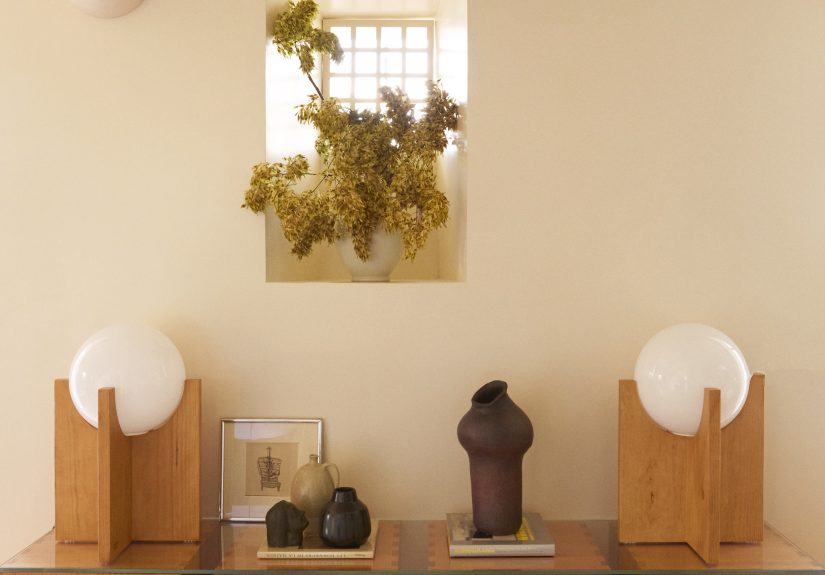
Fresh take: choose one small corner to “finish” fully (lamp, art, a plant, a tray). A finished corner makes the whole room feel more together,
without you repainting your life.
2) Color Drenching: One Hue, Maximum Mood
Painting walls, trim, and even ceilings in the same shade is having a moment because it creates an immersive, cocooning effect. Done well, it makes
a space feel intentional and calmlike you stepped into a vibe instead of a room.
Fresh take: start with a small space (powder room, hallway, office). If you still love it after two weeks, then consider going bigger.
3) Silver Finishes and Cooler Metals (But Softer)
Warm metals had a long run, but cooler tones are reappearingespecially silver that feels classic rather than ultra-modern. Think: subtle shine,
mixed with natural textures like wood, stone, and linens so it doesn’t scream “futuristic kitchen showroom.”
Fresh take: you don’t need to replace everything. Add one silver element (tray, vase, frame, lamp base) and see if it brightens the room.
4) Biophilic Design, Simplified
Nature-inspired interiors are shifting from giant plant walls to more realistic connections: landscape art, organic textures, daylight, and materials
that feel grounded. It’s less “rainforest exhibit” and more “my nervous system can breathe here.”
Tech & Media Obsessions
1) Smart Glasses + AI: Wearable Tech That Finally Makes Sense
Wearable tech is pushing beyond wrist trackers. Smart glasses are getting more attention because they can be useful in ordinary lifephotos, audio,
quick prompts, hands-free momentsespecially as AI features become more practical.
Fresh take: the best tech obsession is the one that reduces friction. If a device makes you check it constantly, it’s not helping. If it disappears
into your routine and quietly improves something (navigation, accessibility, quick capture), that’s the win.
2) Smart Rings, Sleep Trackers, and “Health Data Without the Bulk”
People love smart rings because they track sleep and recovery without feeling like a mini smartphone strapped to your body. The obsession is less
about numbers and more about patterns: “Why do I feel better on days I walk after dinner?” or “Why does late caffeine ruin my sleep?”
Fresh take: treat wearables as a hypothesis machine. Use them for a month to spot trends, then pick one behavior change to test.
More data isn’t the goalbetter decisions are.
3) Entertainment: Streaming Shakeups, Creator Power, and the “Comfort Watch” Renaissance
Entertainment obsessions tend to spike when people need escape and community. More viewers are mixing comfort content (rewatches, familiar
formats) with creator-driven entertainment (podcasts, short-form, behind-the-scenes culture) that feels closer and more participatory.
Fresh take: if you’re overwhelmed by options, pick one “appointment” show and one “background” show. Your brain deserves a rhythm.
How to Choose Obsessions That Stick
The 3-Question Filter
- Does it make my day easier? (Faster dinner, better sleep, less friction, fewer decisions.)
- Does it make my day brighter? (Joy, aesthetics, play, social connection, a little sparkle.)
- Does it match my actual life? (Time, budget, habits, spacereality is the ultimate influencer.)
If an obsession doesn’t pass at least two of these, it’s probably just “content” and not a real lifestyle upgrade.
A 30-Day Obsession Rotation (So You Don’t Burn Out)
Try one obsession per category each monthjust one. You’re not collecting hobbies like Pokémon.
- Week 1: Food obsession (one recipe, one ingredient, one ritual).
- Week 2: Wellness obsession (one habit, tracked lightly).
- Week 3: Style obsession (one styling rule or one accent).
- Week 4: Home/tech obsession (one small upgrade, one tidy corner, or one digital cleanup).
The goal is to try thingsnot to become the CEO of Trends.
Specific Examples That Actually Work
- Food: Keep a “hero condiment” (hot honey, chili crisp, fancy mustard) and use it twice a week.
- Wellness: Set a “sleep last call” alarm 45 minutes before bed and do the same short routine nightly.
- Style: Choose one color pop and wear it every Friday.
- Home: Upgrade lighting in one room (warmer bulb, a lamp, or a dimmer-style vibe).
- Tech: Use one wearable insight to change one habit (like earlier caffeine cutoff).
Conclusion: Keep It Fresh, Keep It Yours
The best “current obsessions” aren’t the loudest ones. They’re the ones that fit you like a good pair of jeans: supportive, easy, and quietly
confidence-boosting. Try the trends, steal the parts you love, ignore the rest, and rememberif it stops being fun, you’re allowed to break up with it.
Experience-Inspired Field Notes (500+ Words): What These Obsessions Look Like in Real Life
Below are composite, experience-style snapshotsthe kind of everyday moments people describe when they try today’s “fresh takes.”
Use them as inspiration, not as a rulebook.
Snapshot 1: The Tuesday Night “Seacuterie” That Saves the Group Chat
It starts as a joke: “What if we do a tinned fish board?” Two friends say yes ironically, which is the most powerful kind of yes. Someone shows up
with a tin that looks like it was designed by an art major. Another brings kettle chips. You add lemon wedges, pickled onions, a soft cheese, and a
baguette. Ten minutes later, it’s not ironicit’s legitimately good. The obsession isn’t the fish; it’s the feeling of hosting without cooking.
You make a mental note: this is the kind of “trend” worth keeping because it turns a random weeknight into an event.
Snapshot 2: The Mocktail Era That Still Feels Like a Treat
Someone in the friend group is doing a “not every night” approach to drinkingless alcohol, not no alcohol. The old problem: non-alcoholic drinks
used to taste like sadness wearing bubbles. The new reality: you can make something that tastes intentional. A bitter aperitif-style pour over ice,
topped with soda, finished with citrus and a little saltsuddenly it scratches the same “cocktail ritual” itch. The obsession becomes the ritual:
a good glass, real garnish, slow sipping, and waking up the next day feeling normal. Wild concept.
Snapshot 3: Color as Mood Management (Cobalt Blue Edition)
You don’t overhaul your closet. You do the grown-up version of a sticker: one loud accessory. A cobalt scarf, a bright sneaker, a bag that looks
like it belongs to someone who owns sunscreen and has opinions about olive oil. The surprise is psychological: people compliment it, you feel more
awake, and suddenly you’re not dressed like you’re auditioning to be a background character in a beige commercial. The obsession isn’t shopping; it’s
how one bold thing makes your basics feel new again.
Snapshot 4: The “Wearable Data” Experiment That Doesn’t Become a Personality
A smart ring enters the chat because you want sleep insight without strapping a gadget the size of a tuna can to your wrist. The first week is all
noveltyscores, graphs, “readiness,” a quiet moment of betrayal when it reveals that scrolling at midnight isn’t “relaxing.” The second week, you
stop obsessing over the number and start noticing the pattern: late caffeine equals worse sleep; heavy dinner equals restless night; a short walk
after dinner equals better morning. That’s the win. You use the data to change one thing, then you chill. The obsession turns into self-awareness,
which is the only trend that never goes out of style.
Snapshot 5: The Home Refresh That Isn’t a Renovation
You don’t repaint the whole place. You pick a tiny area: one corner of the living room, one bedside table, one entryway surface. You swap the
overhead light for a warmer lamp. You add a silver tray or frame for a small hit of shine. You hang one piece of art that feels like you (not like a
hotel). Suddenly the room feels calmermore “lived-in” and less “temporary.” The obsession becomes the idea that home isn’t a project you finish.
It’s a space you tune, like music.
If there’s a common thread across these experiences, it’s this: the best obsessions are small upgrades with big emotional returns.
They don’t demand perfection. They reward consistency. And they give you something to enjoy right nowwithout turning your life into homework.