Table of Contents >> Show >> Hide
- Why Joshua Vogel’s Blackline Collection Stands Out
- Who Is Joshua Vogel, and Why Should You Care?
- What Makes the Blackline Finish So Special?
- Why Wooden Cutting Boards Still Beat Boring Alternatives
- The Shapes, Sizes, and Real-Life Appeal
- How to Care for a Blackline Board Without Ruining the Vibe
- Is the Blackline Collection Worth the Money?
- What the Blackline Collection Says About Kitchen Style in 2026
- Experience Section: Living With a Board Like This in a Real Kitchen
- Final Thoughts
Some kitchen tools are strictly practical. They show up, do the chopping, and retire to a drawer like introverts at a networking event. Joshua Vogel’s Blackline collection is not that kind of tool. These boards are the rare kitchen workhorses that also know how to make an entrance. Dark, sculptural, and quietly luxurious, they sit somewhere between cutting board, serving piece, and design object you “accidentally” leave out on the counter so guests can admire your taste.
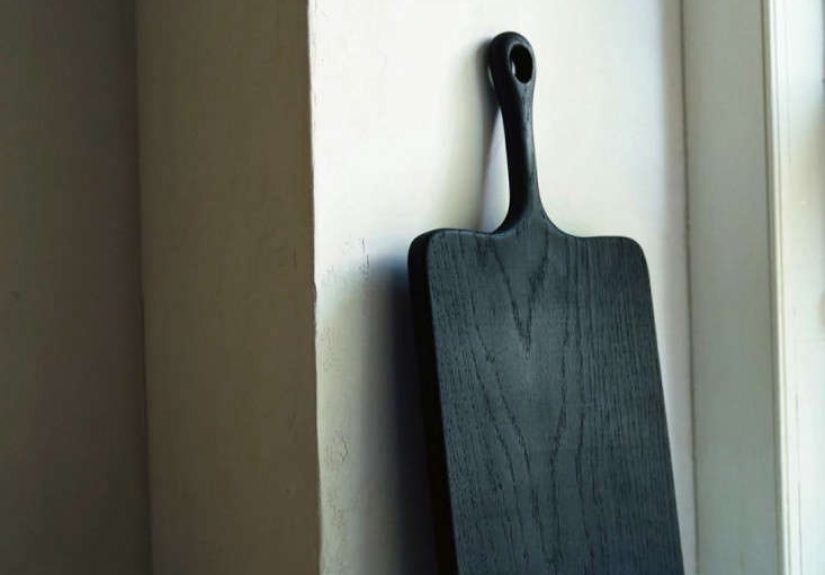
That tension between usefulness and beauty is exactly why the Blackline collection has earned such lasting attention. Joshua Vogel, the woodworker and designer behind Blackcreek Mercantile & Trading Co. in Kingston, New York, has built a reputation around handmade wooden objects that feel deeply considered without feeling fussy. His Blackline boards take that philosophy and turn it into something almost cinematic: white oak transformed into a deep black finish through a natural reactive process, not painted over like a last-minute costume choice.
For anyone searching for a premium wooden cutting board, handcrafted serving board, or countertop piece that pulls real weight in the kitchen, the Blackline collection deserves a long look. It has the charm of artisan craftsmanship, the visual drama of dark wood, and the kind of practical durability that makes a splurge feel less like indulgence and more like good judgment with great cheekbones.
Why Joshua Vogel’s Blackline Collection Stands Out
The quickest way to understand the appeal of the Blackline collection is this: it doesn’t look like it came from a trend cycle. It looks like it came from a workshop, a sketchbook, and several years of refusing to make ugly things just because ugly things are cheaper. In a market full of bland bamboo rectangles and overly engineered plastic slabs, Vogel’s boards feel refreshingly human.
The collection is made from white oak, a hardwood with excellent character and plenty of visual movement. Instead of covering that grain with opaque stain or pigment, Blackcreek Mercantile uses a natural reactive process that works with the tannic acid already present in the wood. The result is a dark finish that feels embedded rather than applied. That matters. It gives the boards depth. You are not looking at color sitting on top of the material; you are looking at the material becoming the color.
Design-wise, the shapes are restrained and memorable. The proportions feel balanced. The handles are elegant without being precious. There is just enough rustic energy to remind you these are wooden objects made by actual people, but the overall silhouette is clean enough to live happily in a contemporary kitchen. In other words, they can hang with a marble backsplash, a farmhouse sink, or a tiny rental countertop that currently has more ambition than square footage.
Who Is Joshua Vogel, and Why Should You Care?
In the world of handcrafted design, names matter less than the hands behind the work. Joshua Vogel is one of those makers whose background explains the object. He has long been associated with fine woodworking, sculptural forms, and a style that treats utility as something worthy of beauty. Blackcreek Mercantile & Trading Co. grew from that ethos: make enduring objects, make them carefully, and make them in a way that keeps the material front and center.
That philosophy shows up in every part of the Blackline collection. These are not trend boards chasing a social media moment. They come from a maker culture that values process, proportion, and longevity. The board is not trying to be “content.” It is trying to be useful and beautiful for a very long time, which, frankly, is the more impressive trick.
That also helps explain why Vogel’s work has been noticed by design editors, food publications, and style magazines alike. His pieces hit a sweet spot: serious craftsmanship for people who actually live with their things. A Blackline board is fancy, yes, but it is not velvet-rope fancy. It is the kind of fancy that still wants to help you slice bread, arrange cheese, and feel a tiny thrill every time you reach for it.
What Makes the Blackline Finish So Special?
A dark finish without the usual gimmicks
Let’s start with the headline feature: the color. The Blackline boards get their distinctive dark surface from a natural reactive process that uses the tannins in white oak. No pigments. No fake-black paint job. No heavy coat that makes the board feel disconnected from the wood beneath it. That alone sets the collection apart from plenty of mass-market dark boards that look dramatic online and vaguely disappointing in person.
Because the finish is reactive and natural, variation is part of the charm. One board may skew a little softer, another a little moodier. That is not a flaw; that is the point. The Blackline collection is built around the idea that wood should still feel like wood, not like a soulless rectangle that was processed into submission under fluorescent lighting.
Patina is not damage; it is character
Another reason these boards feel special is that they are designed to age visibly and gracefully. Blackcreek notes that the finish will wear over time and develop a rich patina. For the right buyer, that is excellent news. A board like this is not meant to remain frozen in showroom perfection forever. It is supposed to change as you use it. Slice enough lemons, set down enough crusty loaves, carry enough cheese to enough parties, and the board starts to tell on you in the best possible way.
That idea can be hard to sell in a culture addicted to “like new,” but it is central to handmade woodenware. Patina is memory with better lighting. A Blackline board that looks slightly softened after years of use has not lost its value. It has finally entered its second act.
Why Wooden Cutting Boards Still Beat Boring Alternatives
Wooden cutting boards have remained popular for good reason. They are easier on knives than harder, less forgiving surfaces, and they bring warmth to the kitchen in a way plastic simply cannot. That matters more than people admit. The tools we use every day shape how a kitchen feels. A well-made wood board adds texture, visual calm, and a sense that food prep can be something nicer than a sprint over a slippery polymer sheet.
That said, even cutting board loyalists should be honest: not every board has to do every job. Many kitchen experts still recommend wood as the main everyday board and plastic as the backup for tasks where dishwasher convenience is useful, especially raw meat prep. That is not a betrayal of wood. It is just common sense wearing an apron.
The Blackline collection shines brightest for people who want a wooden cutting board that can move seamlessly from prep to presentation. It is the board you use for herbs and citrus zest in the afternoon, then rinse, dry, and immediately reuse for charcuterie at six. It is both workstation and stage. Very few kitchen tools pull off that double life without looking confused. This one does.
The Shapes, Sizes, and Real-Life Appeal
One of the smartest things about the Blackline collection is that it offers forms that suit different kitchen habits rather than pretending one board can magically solve all kitchen problems forever. A smaller board is ideal for quick prep jobs, morning toast, or countertop display. A larger board gives you enough working room for serious chopping without taking over your entire kitchen like an overconfident island. The paddle board, long and lean, is practically begging to be loaded with bread, cheese, fruit, or whatever else you want to present like a competent adult who definitely did not plate olives directly from the jar.
Current size examples make the collection feel even more practical. The small board measures roughly 8 by 16 inches, the large board about 8 by 20 inches, and the paddle board stretches to 5 by 26 inches including the handle. Those proportions tell you something important: these are not clunky butcher-block bruisers. They are refined, slender, and designed to be moved, displayed, and used often.
That versatility makes them especially attractive for modern homes. In smaller kitchens, a board that earns permanent counter space has to justify itself. The Blackline boards do. They are useful enough to stay out and beautiful enough to deserve it. That is a rare combination, and one reason design-minded shoppers keep gravitating toward boards like these.
How to Care for a Blackline Board Without Ruining the Vibe
Do this if you want your board to age beautifully
Wooden cutting board care is not difficult, but it does require a little consistency. Hand-wash the board with warm water and mild soap. Dry it immediately. Wash the edges and underside too, not just the top, because uneven moisture is one of the fastest routes to warping. Once clean, let it dry standing on edge so both faces get airflow. When the surface starts to look dull, thirsty, or chalky, condition it with a food-safe oil or board treatment.
That routine may sound mildly high-maintenance to anyone raised on dishwasher-safe everything, but the tradeoff is longevity. A good wooden board can last for years, even decades, if you treat it less like a cafeteria tray and more like a hardworking natural material.
Do not do this unless you enjoy preventable regret
Do not put a Blackline board in the dishwasher. Not once. Not “just this one time.” Not because you had guests over and were tired and feeling brave in a foolish way. Excess water and heat are terrible for wooden boards, and this collection is no exception. Also avoid leaving the board soaking in the sink like it is participating in a tragic reenactment.
There is also one Blackline-specific caution worth remembering: citrus and tart berries can affect the natural finish if left sitting on the surface for extended periods. So yes, serve sliced blood oranges if you must, but do not let them lounge there for hours like they pay rent. Clean up promptly and your board will thank you by continuing to look gorgeous.
Is the Blackline Collection Worth the Money?
That depends on what you want from a cutting board. If you only need the cheapest surface possible to hack onions twice a week, then no, this is probably not your lane. But if you care about materials, craftsmanship, countertop aesthetics, and the pleasure of using objects that feel considered, the Blackline collection makes a persuasive case for itself.
You are paying for more than utility. You are paying for white oak, handmade production, a sophisticated food-safe finish, thoughtful proportions, and the kind of design restraint that ages well. In a world where many kitchen purchases are forgettable by the next billing cycle, a board like this can become part of your daily environment in a lasting way. That makes it easier to justify.
There is also the emotional math. A covetable object that gets used constantly tends to deliver better value than a cheaper item that irritates you every time you touch it. A beautiful board that makes chopping feel a little better and serving feel a little more polished is not just décor. It is a quality-of-life upgrade disguised as a kitchen accessory.
What the Blackline Collection Says About Kitchen Style in 2026
Kitchen trends come and go, but the broader movement right now is toward pieces that feel natural, tactile, and quietly luxurious. People want fewer disposable items and more objects with texture, story, and staying power. They want tools that can live in the open. They want utility without ugliness. The Blackline collection lands squarely in that sweet spot.
It also taps into the ongoing appeal of darker, moodier finishes in the kitchen. Light oak will always have fans, but dark wood introduces contrast and drama without shouting. On a pale countertop, a Blackline board looks striking. In a darker kitchen, it looks moody and intentional. Against bread, cheese, figs, or a heap of chopped herbs, it looks almost theatrical. Not in a fussy way. More in a “someone here knows what they’re doing” way.
That visual flexibility helps explain why these boards remain so desirable. They do not belong to one style tribe. They can work in a rustic kitchen, a modern townhouse, a design-forward apartment, or a cozy cottage setup where everything smells faintly of sourdough and ambition.
Experience Section: Living With a Board Like This in a Real Kitchen
Here is the thing about a board like Joshua Vogel’s Blackline collection: the best part is not the first impression. Yes, the first impression is excellent. You unbox it, hold the weight, notice the dark oak grain, and immediately understand why people leave these boards on display. It has presence. It looks collected rather than purchased. It makes the rest of the kitchen rise to meet it.
But the deeper appeal shows up later, in ordinary moments. It shows up on a weekday morning when you slice a bagel on the small board and realize the whole routine feels calmer because the object in your hands is solid, balanced, and pleasant to use. It shows up when you carry the paddle board from counter to table and suddenly a lazy snack becomes a proper spread. A hunk of cheddar, a few apple slices, toasted nuts, salami, olives, and somehow the whole situation looks like you planned it instead of panicked it into existence.
Boards like this also change the visual rhythm of a kitchen. Instead of hiding every functional item, you start embracing the ones that deserve to be seen. The board leans against the backsplash, and now your counter has texture. It softens steel appliances. It gives polished stone something warm to talk to. It makes even a compact kitchen feel more lived in and less like a showroom that forgot people have to eat.
Over time, the board becomes part of your habits. You know which side you prefer for herbs. You know exactly where to hold the handle when carrying it one-handed. You notice the places where the finish has mellowed slightly, where repeated use has given the surface a quieter sheen. Rather than making the board feel worn out, those changes make it feel specific to your kitchen. It stops being just a beautiful thing and starts becoming your beautiful thing.
That personal relationship is what cheaper boards rarely manage. They remain replaceable. A board like this gains identity. It becomes the one you reach for when friends come over, the one you use when you want to feel a little more put together, the one that makes cut fruit look intentional and toast look photogenic. Ridiculous? Maybe a little. But kitchens are full of tiny rituals, and the objects involved shape those rituals more than we think.
There is also comfort in using something made with obvious care. In a culture of disposable upgrades, a handmade white oak board that improves with use feels almost rebellious. You are not just consuming another product; you are living with an object designed to last, change, and remain useful. That is satisfying in a way that spec sheets and bargain pricing cannot quite replicate.
So the experience of the Blackline collection is not simply about owning a dark cutting board. It is about bringing a better object into the daily churn of cooking, snacking, cleaning, and hosting. It is about making the practical side of kitchen life look and feel better without sacrificing function. And yes, it is also about the extremely valid pleasure of having one kitchen item that makes people say, “Wait, where did you get that?”
Final Thoughts
Joshua Vogel’s Blackline collection earns its covetable status honestly. The materials are strong, the finish is distinctive, the forms are restrained, and the craftsmanship feels real because it is. These are wooden cutting boards for people who want more than pure utility but still expect everyday performance. They are as comfortable holding a loaf of bread as they are elevating a countertop.
If your idea of the best cutting board is one that disappears into a drawer and never asks for attention, keep shopping. But if you want a handcrafted cutting board that offers function, character, and a little kitchen drama in the best possible sense, Joshua Vogel’s Blackline boards are easy to admire and even easier to imagine living with.