Table of Contents >> Show >> Hide
- What Cymbalta Is (and Why Side Effects Happen)
- Common Cymbalta Side Effects
- Mild Side Effects That Still Deserve Respect
- Serious Cymbalta Side Effects (Red Flags You Shouldn’t Sit On)
- 1) Suicidal thoughts or behavior changes (boxed warning)
- 2) Serotonin syndrome
- 3) Liver injury
- 4) Severe skin reactions or allergic reactions
- 5) Severe dizziness, fainting, or falls
- 6) Angle-closure glaucoma symptoms
- 7) Low sodium (hyponatremia)
- 8) Bleeding risk (especially with NSAIDs or blood thinners)
- 9) Mania or hypomania
- Who’s More Likely to Have Side Effects?
- Cymbalta Withdrawal (Discontinuation) Symptoms
- When to Call Your Clinician vs. When to Seek Emergency Care
- FAQs People Actually Ask (Usually at 2 a.m.)
- Safety Note: Recalls and Quality Issues (Not a Side Effect, But Still Relevant)
- Real-World Experiences With Cymbalta Side Effects (500+ Words)
Cymbalta (duloxetine) is one of those medications that can be a real “two things can be true” situation:
it helps a lot of people with depression, anxiety, and certain kinds of chronic painand it can also come
with side effects that range from mildly annoying to “call your clinician now, please.”
This guide breaks Cymbalta side effects into three bucketscommon, mild-but-bothersome, and seriousso you can
tell the difference between “my mouth feels like the Sahara” and “this is not the time to power through.”
It’s written for everyday humans, not robots in white coats, but it’s still grounded in real prescribing and
clinical safety information.
Important: If you’re taking Cymbalta, don’t change your dose or stop suddenly without medical guidance.
Some symptoms can show up when doses are missed or stopped too quickly. And if your mood gets worse or you notice
new or alarming mental health symptoms, contact a healthcare professional right away.
What Cymbalta Is (and Why Side Effects Happen)
Cymbalta is an SNRI (serotonin-norepinephrine reuptake inhibitor). In plain English: it helps certain brain
chemicals stick around longer in the spaces between nerve cells. That can improve mood and anxiety symptoms in some
people, and it can also change how the nervous system processes pain signals.
Because serotonin and norepinephrine are involved in a lot more than feelingsthink digestion, sleep, sweating,
blood pressure, sexual functionit’s not surprising that Cymbalta can create side effects in those areas too.
Side effects are often most noticeable in the first days to weeks, after a dose increase, or when the body is
adjusting to stopping.
Common Cymbalta Side Effects
“Common” doesn’t mean “guaranteed,” but these show up often enough that many people recognize the pattern.
Some improve as your body adapts. Others may stick around and become the reason you and your prescriber decide
to adjust the dose, timing, or medication choice.
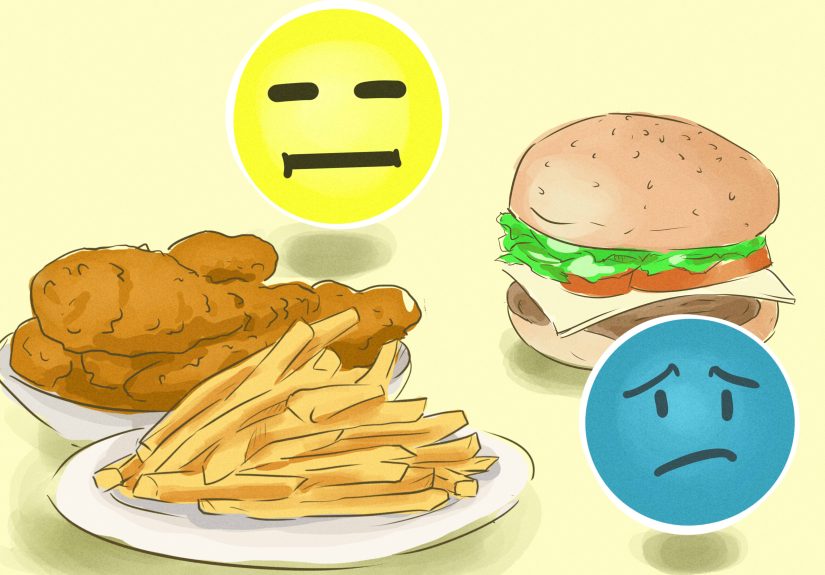
1) Nausea (a.k.a. the “No Thanks, Lunch” phase)
Nausea is one of the most frequently reported Cymbalta side effects. It tends to be worst early on and can improve
over time. People often describe it as a queasy, unsettled stomach rather than “food poisoning” level illness.
- Practical tip: Taking Cymbalta with food may help some people, even though it’s not required for everyone.
- Real-life example: A person starts 30 mg and feels fine at breakfast, but queasy by mid-morning. A small snack plus hydration helps take the edge off.
2) Dry mouth
Dry mouth can feel minoruntil you’re clearing your throat 50 times a meeting, your lips feel like sandpaper,
and you’re suddenly best friends with sugar-free gum.
- Try water sips throughout the day.
- Sugar-free lozenges or gum can help stimulate saliva.
- If dry mouth is severe, ask a dentist or clinician for strategies (it can affect dental health over time).
3) Sleepiness or fatigue (and sometimes insomnia)
Cymbalta can make some people drowsy, while others feel more wired or have trouble sleeping. Yes, it’s annoying that
the same medication can do both depending on the person. This is one reason dose timing (morning vs. evening)
sometimes gets adjusted.
- If sleepy: Taking it in the evening may help some people (with prescriber guidance).
- If insomnia: Taking it earlier in the day may help some people.
- Safety note: Until you know how you respond, be cautious with driving or hazardous tasks.
4) Constipation
Serotonin plays a role in gut movement, and changing serotonin signaling can slow things down. If constipation
becomes a frequent guest, basic lifestyle changes often helpbut persistent or severe constipation should be
discussed with a clinician.
5) Decreased appetite
Some people notice they’re simply less interested in food, especially during the first weeks. If appetite changes
are significant (or weight changes become concerning), it’s worth bringing up early rather than waiting months.
6) Increased sweating
Excess sweating (including night sweats) is a known SNRI issue. For some, it’s mild. For others, it’s “why am I
sweating like I’m in a sauna when I’m just answering emails?”
Mild Side Effects That Still Deserve Respect
Mild doesn’t mean “ignore it.” It means these effects are often manageable and not usually life-threateningbut
they can absolutely mess with your quality of life.
Dizziness or lightheadedness
Cymbalta can cause dizziness, and in some cases may contribute to lightheadedness when standing up quickly.
If you notice this, rise slowly and pay attention to hydration. If you faint, have falls, or the dizziness is intense,
contact a healthcare professional.
Headache
Headaches may show up early in treatment or during dose changes. Track timing (new dose? missed dose? dehydration?)
and talk with your prescriber if headaches are frequent or severe.
Sexual side effects
SNRIs can affect libido, arousal, and orgasm. People don’t always bring it up (because awkward), but it’s a legitimate
medication effect and a legitimate reason to adjust a treatment plan. If it matters to you, it belongs in the conversation.
Blurred vision
Some people notice visual changes, especially early on. If blurred vision is persistent or comes with eye pain or
seeing halos around lights, that moves into “urgent” territory (more on that below).
Increased blood pressure
Duloxetine may raise blood pressure in some people. That’s why clinicians often recommend checking blood pressure
before starting and periodically during treatmentespecially if you already have hypertension.
Serious Cymbalta Side Effects (Red Flags You Shouldn’t Sit On)
Serious side effects are uncommon, but they matter because they can be dangerous. The goal here is not to scare you
it’s to help you recognize when you should call your clinician urgently or seek emergency care.
1) Suicidal thoughts or behavior changes (boxed warning)
Cymbalta, like other antidepressants, carries an FDA boxed warning about an increased risk of suicidal thoughts
and behaviors in children, adolescents, and young adults (generally under 24) in short-term studies.
This doesn’t mean the medication causes this in everyone. It does mean monitoring is importantespecially early on,
during dose changes, or if symptoms suddenly worsen.
Call for help right away if you notice new or worsening depression, severe anxiety, agitation,
panic, irritability, unusual behavior changes, or thoughts about self-harm. In the U.S., you can call/text 988
for the Suicide & Crisis Lifeline, or call your local emergency number if you feel unsafe.
2) Serotonin syndrome
Serotonin syndrome is a potentially life-threatening reaction from too much serotonin activity. Risk rises when Cymbalta
is combined with other serotonergic medications or certain interacting drugs (for example: some migraine “triptans,”
tramadol, linezolid, or MAOIs).
Seek urgent medical care if symptoms suggest serotonin syndrome, such as significant agitation or confusion,
heavy sweating, fever, fast heart rate, blood pressure changes, tremor, muscle stiffness, overactive reflexes, or severe diarrhea.
3) Liver injury
Duloxetine has been associated with liver injury in rare cases. Risk is a bigger concern for people with chronic liver disease
or substantial alcohol use, which is why prescribing information cautions against use in those situations.
Contact a healthcare professional right away if you notice signs that could suggest liver problemslike yellowing of skin/eyes,
dark urine, persistent upper abdominal pain, or unusual itching.
4) Severe skin reactions or allergic reactions
While uncommon, serious rashes or allergic reactions can occur with many medications. If you develop a widespread rash,
swelling, or trouble breathing, seek emergency care.
5) Severe dizziness, fainting, or falls
Cymbalta has been associated with orthostatic hypotension (blood pressure drops when standing) and syncope (fainting) in some cases.
If you faint, have repeated near-fainting episodes, or fall, get medical help.
6) Angle-closure glaucoma symptoms
Duloxetine can increase risk of angle-closure glaucoma in susceptible individuals (often those with narrow eye angles).
Urgent symptoms include eye pain, vision changes, halos around lights, and severe headache.
7) Low sodium (hyponatremia)
Low sodium can happen with antidepressants, especially in older adults and people taking certain diuretics.
Symptoms can include confusion, trouble concentrating, weakness, or feeling unusually unwell. This requires prompt medical evaluation.
8) Bleeding risk (especially with NSAIDs or blood thinners)
Cymbalta can affect platelet function via serotonin pathways, which may increase bleeding riskparticularly when combined with
NSAIDs (like ibuprofen), aspirin, or anticoagulants (like warfarin). This doesn’t mean “never take them together,” but it does mean
your clinician should know what you’re using, including over-the-counter meds and supplements.
9) Mania or hypomania
In people with bipolar disorder (diagnosed or not yet diagnosed), antidepressants can sometimes trigger manic or hypomanic episodes.
Warning signs may include unusually high energy, decreased need for sleep, racing thoughts, impulsive behavior, or extreme irritability.
If this happens, contact a healthcare professional promptly.
Who’s More Likely to Have Side Effects?
Side effects don’t follow a perfect rulebook, but some factors can increase risk or severity:
- Age: Younger people may need closer monitoring for mood/behavior changes; older adults may be more vulnerable to low sodium and falls.
- Liver disease or heavy alcohol use: Higher concern for liver-related complications.
- High blood pressure or cardiovascular issues: Blood pressure monitoring becomes more important.
- Glaucoma risk: Especially those with narrow-angle risk.
- Medication combinations: Multiple serotonergic drugs, NSAIDs, anticoagulants, or interacting antibiotics can raise risk.
- Dose changes: Starting, increasing, missing doses, or stopping too quickly can all trigger symptoms.
Cymbalta Withdrawal (Discontinuation) Symptoms
People often call it “withdrawal,” but clinicians usually say discontinuation syndrome. Either way, the point is the same:
stopping Cymbalta abruptlyor reducing the dose too quicklycan lead to unpleasant symptoms as the nervous system readjusts.
Common discontinuation symptoms
- Dizziness or vertigo
- Nausea, vomiting, or diarrhea
- Headache
- Insomnia or vivid dreams
- Irritability or anxiety
- Sweating
- Tingling or “shock-like” sensations (people sometimes call these “brain zaps”)
The safest move is usually a gradual taper planned with a prescriber. The exact taper depends on your dose,
how long you’ve taken it, and how you respond to reductions.
When to Call Your Clinician vs. When to Seek Emergency Care
Call your clinician soon if you notice:
- Side effects that are persistent, worsening, or affecting daily life (nausea, sleep issues, sexual side effects, sweating)
- Blood pressure changes if you monitor at home
- New dizziness, frequent headaches, or troubling appetite/weight changes
- Discontinuation symptoms after missed doses or a fast taper
Seek urgent or emergency care if you notice:
- Signs of serotonin syndrome (severe agitation/confusion, fever, heavy sweating, tremor, stiffness)
- Fainting, severe falls, or chest pain
- Severe allergic reaction symptoms (trouble breathing, facial swelling)
- Eye pain or sudden vision changes (possible angle-closure glaucoma)
- Signs of liver injury (yellow skin/eyes, dark urine, severe abdominal pain)
- Severe mental health changes, including thoughts of self-harm
FAQs People Actually Ask (Usually at 2 a.m.)
“Are Cymbalta side effects permanent?”
Many side effects improve over the first few weeks. Some can persist (like sweating or sexual side effects).
If side effects don’t improve, it doesn’t mean you “failed”it often means the plan needs tweaking.
“Does the dose matter?”
Yes. Higher doses can increase the chance or intensity of side effects for some people. Dose increases are also
a common time for side effects to flare temporarily.
“Can I drink alcohol on Cymbalta?”
Alcohol can worsen drowsiness and dizziness, and it may increase concerns about liver injuryespecially with heavy drinking
or existing liver disease. This is a “talk to your clinician” situation, not a “guess and hope” situation.
“What if I miss a dose?”
Follow your prescription instructions and pharmacist guidance. Some people feel discontinuation-like symptoms after missed doses.
If missed doses happen often, ask about strategieslike remindersor whether a different treatment plan fits better.
Safety Note: Recalls and Quality Issues (Not a Side Effect, But Still Relevant)
Occasionally, certain lots of generic duloxetine have been recalled due to manufacturing quality issues (for example, nitrosamine impurities).
If you hear about a recall, don’t stop suddenly on your owncheck the lot information with your pharmacist and ask what to do next.
Real-World Experiences With Cymbalta Side Effects (500+ Words)
People’s experiences with Cymbalta side effects often sound like a series of mini-stories: “Week one was rough, week three was fine,”
or “It helped my pain, but the sweating was legendary.” Below are realistic experience patterns that patients commonly describe in clinics
and medication discussionsshared here as educational examples, not as a substitute for medical advice.
Experience #1: The “First-Week Nausea Club”
A very common story goes like this: someone starts Cymbalta (often at 20–30 mg), and within a day or two, their stomach files an official complaint.
It’s not always vomitingmore like persistent queasiness, reduced appetite, and that “I could eat, but also I could simply stare at crackers forever”
feeling. Many people report that the nausea is most noticeable a few hours after taking the dose.
What tends to help (for some): taking the capsule with food, splitting meals into smaller portions, ginger tea, bland snacks, and staying hydrated.
What doesn’t help: skipping meals entirely (which can make nausea feel sharper). The encouraging part is that many people say the nausea fades after
one to two weeksthough not everyone gets that lucky. If nausea is intense or doesn’t improve, prescribers sometimes adjust dose timing, lower the dose,
or consider alternatives.
Experience #2: Sleep Side EffectsPick a Lane, Brain
Cymbalta can mess with sleep in two opposite directions. Some people feel drowsy and foggy, like their brain is wearing sweatpants. Others feel
restless or have insomnia, especially after dose increases. A common pattern: daytime fatigue plus nighttime difficulty falling asleep, which is a
truly unfair combo.
In real life, clinicians often try switching the dose time (morning vs. evening) based on the person’s reaction. People also report that caffeine timing,
screen habits, and stress levels can amplify the sleep effectsso it’s not always “the medication alone,” but it can be the spark that lights the fuse.
Experience #3: Sweating That Doesn’t Match the Weather
Excess sweating is one of those side effects that sounds minor until you’re changing shirts at lunch. People describe it as sudden heat waves,
sweaty palms, or night sweats. It can be embarrassing and disruptive, even if it’s not medically dangerous.
Common coping strategies people mention: breathable clothing, bedside fans, clinical-strength antiperspirant, hydration, and tracking triggers like spicy
food or stress. If sweating becomes a deal-breaker, it’s often addressed by dose adjustment or medication changesbecause quality of life matters.
Experience #4: The Missed-Dose “Uh-Oh” Moment
Another common story: someone misses a dose (or takes it many hours late) and later feels dizzy, “off,” irritable, or strangely electricsometimes with
tingling or shock-like sensations. People may describe being emotionally “raw,” like their nerves are turned up a notch. This experience is one reason
many prescribers emphasize consistent dosing and careful tapering when stopping.
What people often learn the hard way: stopping suddenly can feel dramatically worse than tapering slowly. A planned tapertailored to the personmay reduce
the intensity of discontinuation symptoms, even if it doesn’t eliminate them completely.
Experience #5: “It Helped, But the Side Effects Needed Negotiation”
Plenty of people describe Cymbalta as a net positive: less depression, quieter anxiety, or noticeable pain reliefespecially for nerve pain, fibromyalgia,
or chronic musculoskeletal pain. But they also describe needing to “negotiate” with side effects: dry mouth, constipation, lowered libido, or fatigue.
In the best-case scenario, the side effects are temporary or manageable. In the more complicated scenario, the medication worksjust not at a dose or
schedule the person can live with.
The takeaway from these experiences is simple and hopeful: side effects aren’t a moral failing, and they aren’t something you have to tolerate in silence.
The most successful outcomes usually involve honest communication, tracking symptoms (especially around dose changes), and making adjustments with a clinician
rather than white-knuckling it alone.