Table of Contents >> Show >> Hide
- Style vs. Theme: What’s the Difference?
- The Big Decorating Styles (and How to Recognize Them)
- How to Choose Your Decorating Style (Without Spiraling)
- Make Any Style Work: The 5 Anchors of a Cohesive Room
- Style + Theme Pairings That Actually Look Good
- Room-by-Room Examples: Translating Style Into Real Life
- Mixing Styles Without Making It Look Like an Accident
- Quick Decorating Checklist: Find Your Style Faster
- Common Decorating Mistakes (And the Easy Fixes)
- Experience-Based Add-On: Real-Life Decorating “Lessons” People Learn the Fun Way (500+ Words)
- Conclusion
Decorating is basically storytelling… except your “plot twists” are paint swatches, your supporting cast is throw pillows, and your villain is that one overhead light that makes everyone look like they’re auditioning for a zombie movie. The good news? Once you understand decorating styles (the design “language”) and themes (the design “story”), you can make almost any space feel intentionalwithout buying 47 matching items that scream “catalog hostage situation.”
This guide breaks down the most common interior design styles, explains how home decor themes work, and shows you how to mix, match, and edit so your home feels like younot like you lost a fight with a trend cycle.
Style vs. Theme: What’s the Difference?
Think of style as the “rules of the game” (shapes, finishes, furniture silhouettes, and overall vibe). A theme is the “plot” (coastal escape, Paris apartment, cabin weekend, modern art gallery, retro diner). You can absolutely have the same theme in different styles:
- Coastal theme + Traditional style: classic stripes, tailored furniture, nautical hintspreppy beach town energy.
- Coastal theme + Modern style: clean lines, pale woods, linen textures“I do yoga near the ocean” energy.
- Coastal theme + Boho style: layered rugs, global textiles, driftwood accents“I found this on a beach in 2014” energy.
If you’ve ever said, “I like farmhouse… but also midcentury… and maybe a little moody library?” you’re not confusedyou’re human. Most great homes are a blend. The trick is knowing what you’re blending and why.
The Big Decorating Styles (and How to Recognize Them)
1) Traditional
Traditional style is like a well-tailored blazer: structured, classic, and hard to offend anyone with. Expect symmetry, rich woods, timeless patterns (think stripes, florals, plaids), and furniture that looks “finished.” Best for: people who love heirlooms, cozy elegance, and spaces that feel established.
Theme ideas that pair well: English countryside, vintage library, holiday classic, collected antiques.
2) Modern
Modern is often misunderstood as “cold” or “empty.” Real modern design is about intentional simplicity: clean lines, minimal ornament, and materials that speak for themselves (wood, stone, metal, glass). Best for: people who want calm, uncluttered rooms with strong shapes.
Theme ideas: gallery home, desert minimal, monochrome moment, Scandinavian-lite.
3) Contemporary
Contemporary means “of the moment.” It shifts as trends shift, which is why it can borrow from modern, minimal, organic, or even glam. If you like what’s current but don’t want your whole house to become a timestamp, use contemporary touches in portable ways: art, lighting, textiles, and paint.
4) Transitional
Transitional style is the peace treaty between traditional and modernwarm, timeless, and widely loved. You’ll often see clean-lined furniture mixed with softer curves, classic materials in updated forms, and a soothing palette. Best for: people who want “updated” without “ultra-trendy,” and who enjoy mixing old and new.
Theme ideas: modern classic, neutral luxe, heritage-but-fresh, “I can host Thanksgiving and a cocktail party.”
5) Midcentury Modern
Midcentury modern is the cool kid who never really left: sleek lines, geometric shapes, bold color moments, and a love of innovative materials and iconic silhouettes. Best for: people who like retro charm, design history, and furniture that looks like it has opinions.
Theme ideas: Palm Springs getaway, retro lounge, atomic era, playful color-blocking.
6) Scandinavian
Scandinavian design is bright, functional, and cozy without being fussy. Expect neutral palettes, clean lines, wood finishes, and “softening” elements like textiles and warm lighting. It’s minimal-ishbut friendlier. Best for: people who love calm spaces that still feel lived-in.
Theme ideas: hygge cozy, winter-white, minimalist comfort, light-and-airy family home.
7) Industrial
Industrial style celebrates raw structure: exposed brick, visible pipes, metal finishes, concrete, and utilitarian forms. It can look edgy and coolor like you forgot to finish your renovation. The difference is layering warmth: rugs, wood tones, art, and soft textiles. Best for: loft lovers and people who want a little grit with their glam.
Theme ideas: warehouse loft, vintage workshop, urban cafe, record-store cool.
8) Farmhouse (Traditional + Modern Farmhouse)
Farmhouse style ranges from rustic, vintage charm to a more contemporary “modern farmhouse” look. Traditional farmhouse leans into cozy country details, familiar patterns, and time-worn finishes. Modern farmhouse brings in cleaner lines, brighter palettes, and updated materials. Best for: people who want warm, welcoming spaces that don’t feel precious.
Theme ideas: Sunday dinner, cottage kitchen, French farmhouse, coastal farmhouse, “raised in a barn (but make it chic).”
9) Rustic
Rustic design is earthy, cozy, and material-driventhink reclaimed wood, distressed finishes, natural textures, and a grounded palette. It can read “cabin weekend” or “polished lodge” depending on how refined you go. Best for: people who want warmth, nature, and a space that forgives scuffed boots.
Theme ideas: mountain lodge, woodland retreat, heritage crafts, cozy cabin.
10) Bohemian (Boho)
Boho is personal, eclectic, and happily rule-breaking. It thrives on layered textiles, mixed patterns, collected objects, and a sense of global influence. The secret sauce is intentional chaos: mix textures and colors, but repeat a few tones to keep it cohesive. Best for: people who love travel finds, vintage pieces, and rooms that feel like a scrapbookin a good way.
Theme ideas: global collector, artistic studio, desert boho, maximal cozy.
11) Japandi
Japandi lives between Japanese and Scandinavian design: low furniture, natural materials, neutral palettes, and a calm, crafted feel. It’s minimal, but warmlike a deep exhale in room form. Best for: people who want serenity without sterility.
12) Maximalism
Maximalism is “more is more,” but not “everything all at once forever.” It embraces color, pattern, texture, and bold personality. The key is curation: choose a guiding palette, repeat shapes or motifs, and edit like a museum curatornot like a garage sale. Best for: people whose favorite color is “yes.”
How to Choose Your Decorating Style (Without Spiraling)
Step 1: Pick a “Base Style” (70%)
Choose one style that naturally fits your home’s architecture and your daily life. This becomes your backbone. Example: a 1920s home often loves traditional or transitional; a loft leans industrial; a ranch can sing in midcentury. Your base style controls big-ticket choices: flooring, major furniture, cabinetry, and the general silhouette of the room.
Step 2: Add a “Flavor Style” (20%)
This is where your personality sneaks in. Maybe your base is transitional, but your flavor is boho textiles. Or your base is modern, but you crave rustic wood and handmade ceramics. Keep the flavor mostly in lighting, accent furniture, textiles, and decor.
Step 3: Choose a Theme (10%)
A theme is optionalbut when used lightly, it adds charm. Think “mood,” not “costume.” “Coastal” can be linen, pale woods, and ocean-inspired art. It does not have to be anchor lamps and a ship’s wheel unless you’re fully committed to living inside a nautical gift shop.
Make Any Style Work: The 5 Anchors of a Cohesive Room
1) Color Palette (Your Visual Glue)
Start with 3–5 core colors and build outward. If you’re mixing styles, a consistent palette does a lot of heavy lifting. Tip: choose one “quiet” neutral, one “warm” neutral, and one accent color you can repeat in art or textiles.
2) Furniture Silhouettes (The Shape Language)
Look at the outlines. Traditional furniture often has curves and detailing; modern leans crisp and streamlined; midcentury loves tapered legs and iconic forms. Mixing works best when you repeat at least one shape type (curves, straight lines, or gentle angles) across multiple pieces.
3) Materials + Texture (The Comfort Factor)
Texture is what keeps a room from feeling flat. Rustic and farmhouse lean wood-forward. Industrial leans metal and concrete. Scandinavian loves pale wood and cozy textiles. Boho layers everything (including your willingness to vacuum).
4) Lighting (The Mood Setter)
Most rooms need three layers: ambient (general), task (focused), and accent (mood). If your style is minimalist, lighting can be your “jewelry.” If your style is maximalist, lighting can be your “center stage.”
5) Editing (The Secret Weapon)
Cohesive homes aren’t created by buying morethey’re created by choosing better and removing what doesn’t belong. If a surface has 18 objects on it, your favorite one is being held hostage.
Style + Theme Pairings That Actually Look Good
Transitional + “Soft Luxury” Theme
- Neutral palette with one deep accent (navy, olive, charcoal).
- Clean-lined sofa + one classic piece (an antique chest or traditional side table).
- Texture-forward: linen drapes, wool rug, mixed metals.
Midcentury Modern + “Playful Retro” Theme
- Statement lighting, geometric art, warm wood tones.
- One bold color moment (mustard, teal, rust) in a rug or chair.
- Keep clutter low so silhouettes shine.
Scandinavian + “Hygge Cozy” Theme
- Pale woods, soft neutrals, cozy textiles, warm bulbs.
- Simple, functional furniture with tactile layers (throws, cushions).
- Natural elements: plants, ceramics, woven baskets.
Farmhouse + “Modern Country” Theme
- Shaker-style forms, warm whites, natural wood, vintage-inspired accents.
- Mix old and new: reclaimed piece + clean contemporary lighting.
- Hardware and fixtures as “jewelry” for the room (especially kitchens).
Boho + “Global Collector” Theme
- Layer rugs, textiles, and patterns with repeated color notes.
- Mix materials: rattan, wood, metal, ceramics, linen.
- Create cozy zones: floor pillows, relaxed seating, soft lighting.
Room-by-Room Examples: Translating Style Into Real Life
Living Room
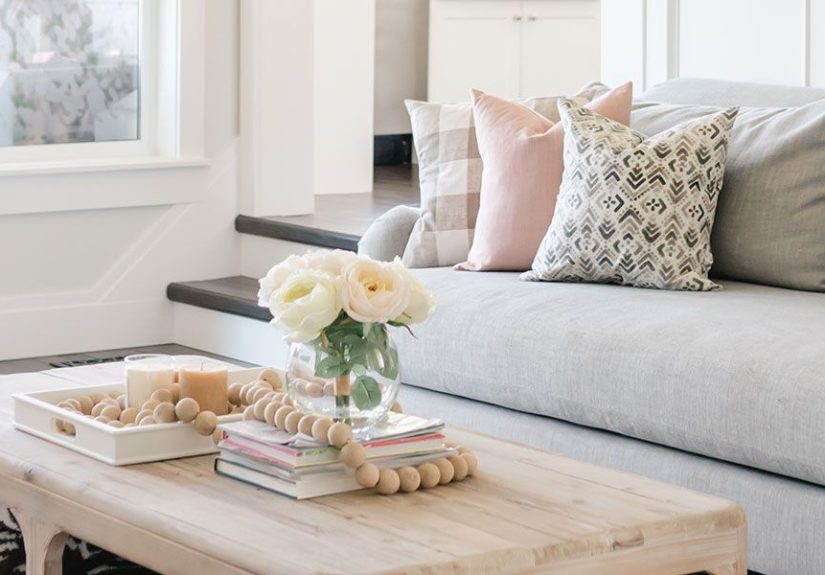
Start with the “big three”: sofa, rug, and coffee table. If you’re blending styles, let the sofa be neutral and timeless, then let the rug and lighting do the personality work. A gallery wall? Keep it cohesive by sticking to a loose color palette and mixing sizes and mediums so it feels collected rather than copy-pasted.
Kitchen
Kitchens tend to look best when the “style” is in the finishes (cabinet door profiles, hardware, lighting) and the “theme” is in the details (textiles, art, accessories). Want farmhouse warmth without going full costume? Use natural materials, a welcoming palette, and a few classic hallmarks (like an apron-front sink), then add modern polish through clean lines and contemporary lighting.
Bedroom
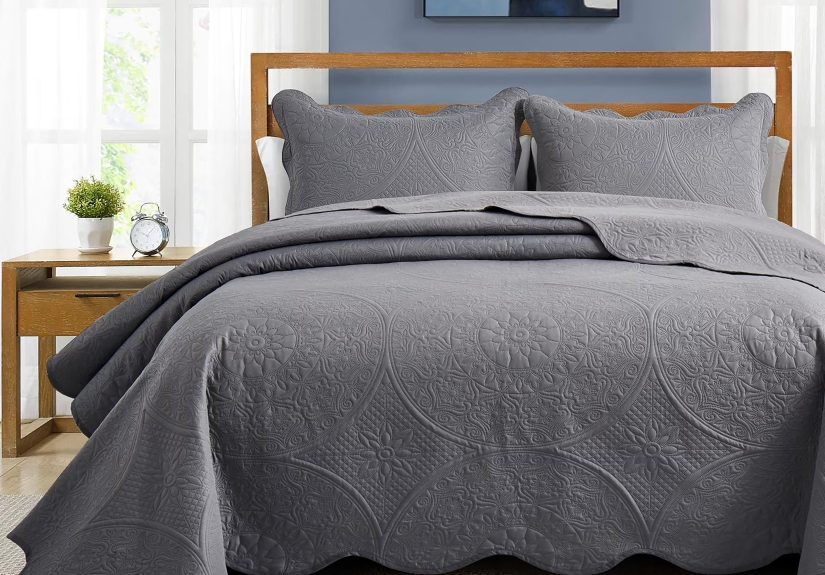
Bedrooms benefit from fewer “statements” and more “layers.” Choose one hero moment: an upholstered headboard, dramatic wall color, or standout art. Then build comfort with textures: crisp bedding + a chunky throw + a rug that feels good underfoot (because stepping onto cold flooring at 7 a.m. is rude).
Bathroom
Bathrooms are a great place to commit to a theme in a small dose: spa calm, vintage charm, coastal clean, or boutique hotel. Keep permanent choices timeless (tile, vanity) and rotate accessories seasonally if you get bored easily (many people do).
Mixing Styles Without Making It Look Like an Accident
The “One-Loud-Thing” Rule
If you have a bold wallpaper, keep the furniture calmer. If you have sculptural furniture, keep the accessories simpler. You’re designing a room, not hosting a design competition where every object tries to win.
Repeat, Repeat, Repeat
Repetition creates harmony. Repeat a metal finish (brass, black, chrome), repeat a wood tone, repeat a color note, or repeat a shape (arches, curves, rectangles). This is how eclectic rooms look curated instead of chaotic.
Use “Bridges” Between Styles
Transitional pieces act as translators: a simple linen sofa can sit between modern and farmhouse; a classic Persian-style rug can connect traditional and boho; warm minimal decor can soften industrial edges.
Quick Decorating Checklist: Find Your Style Faster
- Choose 10 images you love (don’t overthink it).
- Circle repeats: colors, shapes, materials, moods.
- Name your base style (what’s most consistent?).
- Pick your theme (the story you want the room to tell).
- Write 5 adjectives (e.g., warm, airy, grounded, playful, polished).
- Edit the room until the adjectives feel true.
Common Decorating Mistakes (And the Easy Fixes)
Mistake: Buying Everything at Once
Rooms look better when they’re collected, not rushed. Build slowly: one anchor piece, then layer in supporting elements. You’ll make fewer “why did I do that?” purchases.
Mistake: Following Trends Too Literally
Trends are great as accents (paint, pillows, art). If you commit to a trend in an expensive, permanent way, be sure you’d still like it after the internet moves on.
Mistake: Ignoring Comfort
A gorgeous room that’s uncomfortable is basically a museum. If you live there, comfort matters: good lighting, practical seating, and layouts that work for actual humans (and pets, and laundry baskets).
Experience-Based Add-On: Real-Life Decorating “Lessons” People Learn the Fun Way (500+ Words)
Decorating styles and themes sound neat on paperuntil real life shows up carrying a coffee, a backpack, and a mystery stain. Here are a few common “experience moments” that tend to happen when people actually live with their design choices, plus what they learn (usually right after they learn the hard way).
1) The “I Picked All Neutrals and Now My House Feels Like Toast” Phase
Many people start with safe neutrals because it feels low-riskand it is. But sometimes the result is a space that’s calm… and also a little sleepy. The fix isn’t necessarily “add bright color everywhere.” In practice, people get the best results by adding contrast and texture: a darker wood tone, black accents, a patterned rug, or layered textiles. Even a neutral room can feel alive when it has variety: boucle next to linen, matte finishes next to a little shine, crisp edges next to soft curves.
2) The “My Theme Took Over the Whole Room” Incident
Themes are like hot sauce: a little adds flavor; too much and you can’t taste anything else. A coastal theme, for example, doesn’t need ropes, anchors, seashell chandeliers, and a sign that says “Beach Please” (unless that’s your true calling, in which case… live your truth). People usually learn that the most elegant themed rooms rely on suggestion rather than props: ocean-inspired colors, weathered woods, linen textures, and art that hints at place. The room reads “coastal” because it feels breezy and naturalnot because it looks like a souvenir shop.
3) The “I Mixed Styles and Now Nothing Matches” Panic
Blending styles is normal, but the first attempt can feel like a group chat where everyone talks at once. A common real-life fix is choosing a single unifier: a consistent color palette, one repeating metal finish, or one dominant wood tone. Then people swap out a few “conflicting” pieces (often small oneslamps, pillows, side tables) for bridging items that sit between styles. Suddenly the room goes from “eclectic confusion” to “curated personality.”
4) The “Pretty But Impractical” Wake-Up Call
In the honeymoon stage, a white sofa looks like a dream. Then real life arrives, possibly with salsa. This is where people learn the difference between a photo-ready room and a livable room. Many end up choosing performance fabrics, washable slipcovers, or darker tones for high-traffic pieces. The style doesn’t have to changejust the materials. A modern living room can still look sleek with a durable fabric, and a farmhouse kitchen can still feel cozy with finishes that don’t require daily pep talks.
5) The “Lighting Changed Everything” Surprise
One of the most common experiences is realizing that lighting does more for a room’s style than another decor haul ever will. People add a floor lamp, swap a bulb to a warmer temperature, or replace a harsh overhead fixtureand the room suddenly feels more expensive, more welcoming, and more “finished.” The lesson is consistent: if the room feels off, check lighting before you blame the sofa.
Ultimately, the most satisfying decorating style is the one that supports your life. Your home should feel like a place where you can host friends, recover from a long day, and find your keys without launching a search party. Style and theme are toolsnot tests. Use them to tell a story you actually want to live in.
Conclusion
Decorating styles give you structure. Themes add personality. When you choose a solid base style, add one or two “flavor” elements, and keep your theme subtle, your home starts to feel cohesivewithout feeling boring. Pick a palette, repeat key finishes, layer texture, and edit ruthlessly. Your space doesn’t need to be perfect; it needs to feel like you, on your best day, with flattering lighting.