Table of Contents >> Show >> Hide
- Why This Category Is More Interesting Than It Sounds
- How West Elm Brings African Craft to the Desktop
- What Actually Works as a Desk Accessory
- Why Natural Materials Matter So Much in a Workspace
- Style Tips for Getting the Look Right
- The Ethical Appeal Is Part of the Story
- Who This Look Is Best For
- Final Thoughts
- Extended Experience: What This Style Feels Like in Real Life
- SEO Tags
Some desks look like productivity temples. Others look like a tax audit went badly. The sweet spot sits somewhere in the middle: organized, useful, and stylish enough that you do not feel like you are answering emails inside a beige filing cabinet. That is where the idea of desk accessories from Africa, via West Elm gets interesting. This is not about turning your workspace into a museum gift shop or pretending a pretty tray will magically answer Slack messages for you. It is about using artisan-made texture, natural materials, and thoughtful organization to create a desk that feels warmer, calmer, and more personal.
West Elm has spent years building a reputation around globally sourced design, artisan collaborations, and Fair Trade storytelling. Within that larger strategy, African craft traditions stand out because they bring something many office accessories do not: soul. Instead of another anonymous plastic pen holder, you get pieces shaped by weaving, carving, dyeing, and hand-finishing traditions that carry a visible human touch. And when those details are paired with West Elm’s modern office styling, the result is a workspace that feels edited rather than overdesigned.
Why This Category Is More Interesting Than It Sounds
At first glance, “desk accessories” sounds like the least romantic phrase in the English language. It lives in the same neighborhood as “printer cable” and “quarterly spreadsheet.” But desk accessories do real emotional labor. They reduce clutter, define zones, protect surfaces, hide small chaos, and help a workday feel less like a survival challenge.
That is why West Elm’s African artisan angle matters. The company’s Africa-focused collections and artisan pages show a broader design philosophy built around natural materials, handcraft, and small-batch production. In practice, that means desktop pieces do not have to be strictly labeled as “office accessories” to work beautifully in a home office. A woven basket can become cable storage. A shallow bowl can corral clips, earbuds, and that one paperclip shaped like a swan for no good reason. A handwoven mat or textile can soften the hard edges of a laptop-heavy desk setup.
In other words, the smartest desk decor is often the stuff that moonlights. It organizes by day and still looks handsome after hours.
How West Elm Brings African Craft to the Desktop
A retail filter, not a random mash-up
The phrase “via West Elm” does a lot of work here. It suggests curation. West Elm is not the origin of the craft traditions, of course, but it acts as a design translator for American shoppers. Its Africa-centered merchandising has highlighted artisan-made decor from countries including Kenya, Madagascar, Mali, South Africa, Zimbabwe, and the Republic of the Congo. That matters because it frames African-made home pieces not as generic “global decor,” but as specific work tied to materials, regions, and makers.
Collections that make the desk story possible
One of the clearest examples is the Dunia collection, an Africa-focused assortment built around earth-made materials such as raffia, recycled paper, cotton, and wood. Even when a product is sold as decor or tableware rather than office gear, the language around the collection points toward desktop use: tactile surfaces, handcrafted forms, and objects that are both functional and visually rich. West Elm’s own desk-accessories and home-organization categories make it easy to see how these artisan pieces can slide into a workspace without looking forced.
Maker stories that give objects more weight
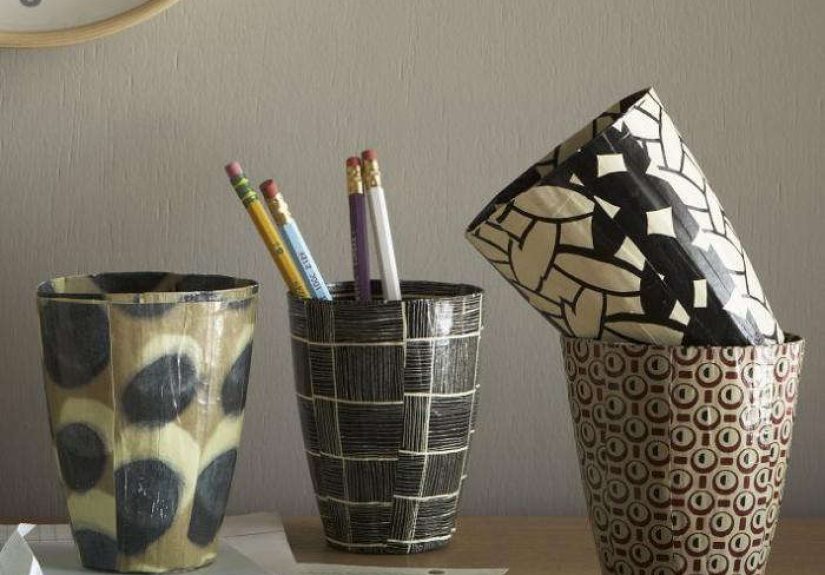
What turns a tray into a conversation piece is the story behind it. West Elm’s African artisan storytelling includes makers such as Kasinde Crafts in Kenya, known for sisal basketry; Quazi Design in Eswatini, which handcrafts home goods from 100% recycled newspapers and magazines; Razaf Collections in Madagascar, which works with raffia; and Tonga artisans in Zimbabwe, whose basket traditions have a sculptural quality that feels especially at home in modern interiors.
That background changes how an object reads on a desk. A catchall bowl is still a catchall bowl, sure, but it also becomes a small design decision with texture, craft, and context. Suddenly your paper clips are not just being stored. They are being stored with ambition.
What Actually Works as a Desk Accessory
Not every artisan-made object belongs next to a keyboard. Some pieces are too large, too fragile, or too decorative to earn their real estate. The best African desk accessories through a retailer like West Elm usually fall into a few practical categories.
Trays and shallow bowls
These are the MVPs. A small decorative tray can hold keys, charging cords, sticky notes, glasses, and the mysterious adapter you refuse to throw away because it might belong to something important. A shallow handmade bowl brings the same benefit, with a softer, more sculptural look.
Woven baskets and bins
Basketry is one of the strongest bridges between African craft and modern desk organization. A small sisal or woven basket can store cables, notebooks, stamps, or backup chargers. A slightly larger one works on a nearby shelf for extra paper, planners, and tech accessories you want close but not visible. This is especially useful if your desk has the minimalist look but none of the minimalist self-control.
Textiles that ground the setup
Desk pads are fine, but textiles do more than protect the surface. A handwoven runner, mat, or cloth can visually anchor a workspace and introduce warmth where screens and metal devices tend to dominate. West Elm’s artisan assortment has often included textiles made with materials sourced through places like Ethiopia and Kenya, and that kind of weaving softens the office mood immediately.
Decorative objects with purpose
Bookends, paperweights, small sculptures, and catchalls can all earn a place on the desk if they control clutter or define zones. The trick is restraint. One great object says “curated.” Seven of them say “I got distracted while online shopping.”
Why Natural Materials Matter So Much in a Workspace
There is a reason design publications keep circling back to texture, natural materials, and grounded color palettes in home offices. Screens, cords, acrylic, and metal already bring plenty of hard edges. What most desks need is balance. African artisan-made accessories often deliver that through sisal, raffia, wood, cotton, recycled paper, and earthy finishes.
Those materials are visually calming because they are irregular in the best way. A handwoven basket has tiny inconsistencies that remind you a person made it. A recycled-paper bowl or woven tray catches light differently across its surface. A textile with visible handwork creates softness without looking flimsy. Together, these details reduce the sterile feeling that so many work-from-home spaces accidentally develop.
West Elm’s modern styling helps here too. The retailer tends to present artisan goods in edited palettes, clean silhouettes, and contemporary rooms, which makes them easier to blend into American interiors. So instead of looking overly themed, the desk feels layered: a little global, a little modern, and a lot more alive.
Style Tips for Getting the Look Right
Start with function first
Pick the clutter problem before you pick the accessory. Need help with cables? Choose a basket or lidded bin. Need a landing place for tiny items? Go for a small bowl or tray. Need visual warmth? Add a textile under the laptop zone or under a task lamp.
Mix one hero piece with quieter basics
A richly textured woven piece from an African artisan collection stands out more when everything around it is simple. Let one tray, basket, or textile be the star, then support it with neutral office tools. That keeps the desk polished and stops it from becoming a craft fair reenactment.
Use earthy color to calm the room
Natural browns, sand tones, black, clay, muted greens, and soft creams pair especially well with the kind of handcrafted materials West Elm often highlights. These colors make a desk feel grounded and help artisan accessories blend with wood, brass, and matte-black office furniture.
Keep the surface breathing
One of the biggest mistakes in desk styling is covering every square inch with “pretty things” until there is no room left to work. A tray that holds three useful items is elegant. A tray that holds seventeen “vibes” is a cry for help. Leave open space so the materials can stand out.
The Ethical Appeal Is Part of the Story
Another reason this topic lands with shoppers is that West Elm has long positioned itself around responsible sourcing and artisan partnerships. The company has emphasized Fair Trade programs and has also partnered with Powered by People, a wholesale marketplace focused on responsibly made, small-batch goods from producers around the world. That broader ecosystem matters because shoppers increasingly want more than a nice-looking desk. They want one that reflects better buying habits.
That does not mean every item deserves a halo just because it is handmade. Smart buyers still want quality, usability, and honest value. But there is something compelling about office accessories that do not feel mass-anonymous. When a piece carries visible craft and a traceable design story, it tends to stay in your home longer. And that may be the most sustainable desk habit of all: buying fewer, better things that you actually want to keep.
Who This Look Is Best For
This approach works especially well for people who want their home office to feel like part of the home, not a fluorescent annex of corporate despair. It is also ideal for renters, apartment dwellers, and anyone working from a shared room, because smaller accessories can change the entire tone of a workspace without requiring a furniture overhaul.
If your style leans modern, warm minimalist, earthy contemporary, collected eclectic, or even soft industrial, handmade desk organizers and artisan catchalls from Africa-inspired or Africa-made collections fit right in. They offer texture without chaos and personality without visual shouting.
The only people who may not love this look are those who want every office item to match in a hyper-uniform, tech-showroom way. For everyone else, this category has charm. And charm is underrated in a place where you pay bills, answer emails, and try not to fling your stapler into the void.
Final Thoughts
Desk accessories from Africa, via West Elm work because they solve two problems at once. They help organize the modern desk, and they rescue it from blandness. The best pieces bring together utility, texture, and story. They give your workspace a sense of place, even when the place is technically just the corner of your bedroom next to a laundry basket you swear you are about to fold.
More importantly, this design direction reflects a broader shift in how people want to live and work. They want practical objects, yes, but they also want meaning. They want less visual noise. They want materials that feel human. And they want a desk that supports concentration without stripping the room of personality. West Elm’s African artisan offerings, whether sold directly as decor, storage, textiles, or desktop-friendly accents, make a strong case that even the smallest office accessories can carry beauty, history, and intention.
Extended Experience: What This Style Feels Like in Real Life
The most convincing thing about this design approach is not how it photographs. It is how it feels on a normal Tuesday when you are juggling coffee, deadlines, and a browser with too many tabs open. A desk styled with artisan-made pieces from African collections sold through West Elm tends to feel calmer than a desk filled with generic office supplies, even when the actual amount of stuff is about the same. That difference comes from how the materials behave in the room.
A woven basket does not just store charging cables. It visually softens them. A tray made from natural or hand-finished material turns random loose items into one intentional zone. A textile under a lamp or laptop makes the desk feel anchored instead of temporary. You begin to notice that the space asks less from your brain. There is less glare, less plastic sameness, less of that “temporary setup that accidentally became permanent” energy.
There is also a tactile pleasure to it. Reaching for a pen from a handwoven holder or dropping keys into a small crafted bowl feels different from using factory-standard office gear. It is subtle, but over time those micro-experiences add personality to routines that are otherwise repetitive. Home offices are full of tiny repeated motions. Better objects make those motions feel a little less robotic.
Another part of the experience is that these accessories tend to age well visually. Scratches and wear on natural fibers, wood, or handmade finishes often look like character rather than failure. That is a big advantage in a workspace, where objects are handled constantly. Instead of looking ruined after a few months, good artisan pieces often look lived with.
And then there is the social side. People notice these things on video calls. Not in a loud, “look at my fancy desk” way, but in a quiet, “where did you get that?” way. A well-placed basket, textured mat, or sculptural catchall has more presence than another acrylic organizer ever will. It signals taste without trying too hard. Frankly, it also makes the background look more adult, which is no small gift in the age of accidental camera-on moments.
Perhaps the best experience, though, is emotional. A workspace built with handcrafted pieces feels less disposable. It encourages you to take care of it. When the desk looks good, you are more likely to reset it at the end of the day, put things back where they belong, and keep only what you actually use. That creates a positive loop: better objects lead to better habits, and better habits make the room feel better still.
So while “desk accessories from Africa, via West Elm” may sound like a narrow shopping phrase, the actual experience is bigger than that. It is about building a workspace that feels warm, intentional, and quietly inspiring. Not perfect. Not precious. Just human. And for most of us, that is a major upgrade from the old system of loose cords, lonely sticky notes, and one heroic mug trying to hold the entire operation together.