Table of Contents >> Show >> Hide
Note: This article is written for general informational purposes and focuses on flavor, texture, and everyday drink choices.
Choosing sugar for coffee or tea sounds like one of life’s smaller decisions, right up there with picking a napkin or pretending you can definitely leave the house without a reusable water bottle. But the truth is, the sweetener you use can change a drink more than most people expect. It can affect how quickly your sugar dissolves, how smooth the sip feels, how bold the flavor becomes, and whether your morning cup tastes crisp, caramel-like, earthy, floral, or like you accidentally sweetened it with dessert.
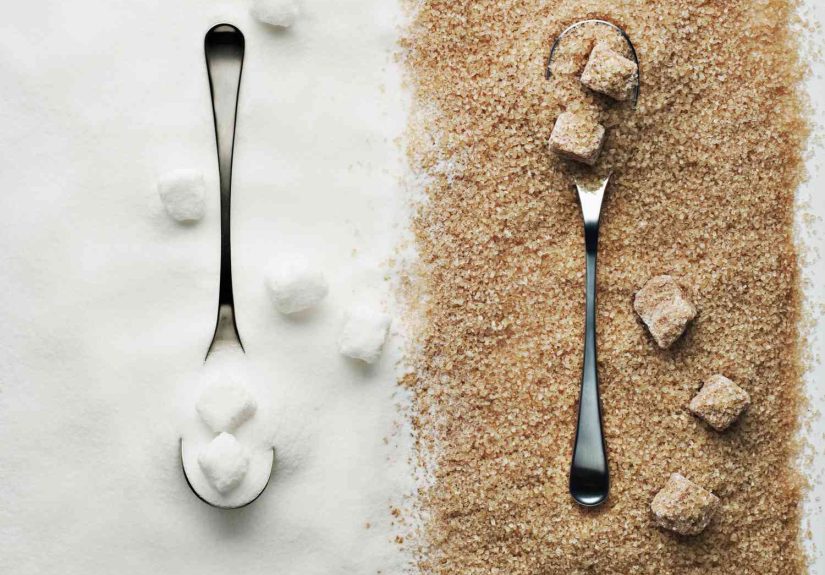
That is why the conversation around sugar for coffee or tea is more interesting than “white or brown?” There are many options, including granulated sugar, superfine sugar, brown sugar, raw sugar, demerara, muscovado, honey, maple sugar, maple syrup, agave, coconut sugar, and even simple syrup. Some are neutral and let the drink shine. Others bring their own personality to the mug. Some melt almost instantly. Others need a little patience and a determined spoon.
If you love black coffee, chai, green tea, English breakfast tea, iced coffee, or sweet tea, understanding the different kinds of sugar can help you match the sweetener to the drink instead of treating them all like interchangeable white crystals in a bowl. Here is a practical guide to the most common sugars and sweeteners for coffee and tea, how they taste, when they work best, and which ones deserve a permanent spot in your kitchen.
Why the Sugar You Choose Actually Matters
Not all sugars behave the same way in a hot mug or a cold glass. Crystal size matters because smaller crystals dissolve faster. Moisture matters because sugars that contain molasses tend to feel softer, richer, and a little more flavorful. Syrups matter because they blend smoothly into iced drinks with almost no stirring drama. And flavor matters because some sweeteners are neutral while others add notes of caramel, toffee, smoke, earth, or flowers.
Think of it this way: if your drink is a song, the sugar is not always just the volume button. Sometimes it is a backup singer. Sometimes it is a drummer with strong opinions. A clean white sugar might sweeten without changing much else. A dark brown sugar can push your tea toward gingerbread territory. A spoonful of honey can soften bitterness, add aroma, and make the whole cup feel cozy enough to wear a sweater.
This is especially important with coffee and tea because both drinks are naturally layered. Coffee can taste nutty, fruity, chocolatey, smoky, or bright. Tea can be grassy, malty, brisk, floral, peppery, or earthy. The sweetener you choose can either support those notes or bulldoze right over them.
Main Types of Sugar for Coffee or Tea
1. Granulated White Sugar
This is the classic table sugar most people grew up with, and it remains popular for a reason. Granulated white sugar has a clean, neutral sweetness that does not bring extra flavor baggage into the cup. It works especially well when you want your coffee or tea to stay recognizable as coffee or tea, just a little sweeter and more approachable.
It dissolves well in hot drinks, though not always perfectly in cold ones. In hot black tea or hot drip coffee, it is reliable, balanced, and easy to measure. If you are serving guests, this is the universal “no one complains” option.
Best for: hot coffee, black tea, everyday use, predictable sweetness.
2. Superfine Sugar
Superfine sugar, sometimes called caster sugar, is like granulated sugar that got serious about efficiency. The crystals are smaller, so it dissolves faster, especially in cold drinks. That makes it a smart pick for iced tea, iced coffee, cold brew, and shaken espresso drinks where regular sugar can sit at the bottom of the glass like a stubborn snowbank.
Flavor-wise, it is still neutral, which is a big win if you want sweetness without changing the character of your drink. It is not flashy, but it is very useful. In the world of sugar, superfine is the person who shows up early, does the job perfectly, and never talks about it.
Best for: iced coffee, iced tea, cold brew, drinks that need quick dissolving.
3. Sugar Cubes
Sugar cubes are really more about ritual than chemistry. They are usually just pressed white sugar, but they bring a certain old-school café charm to the table. Dropping one into tea feels neat and civilized, as if you are moments away from discussing literature or inheritance law.
They dissolve more slowly than loose sugar, so they are best for hot drinks. Their main advantage is portion control and presentation. One cube, two cubes, done. No guessing, no pouring accidents, no tiny sugar avalanche on the counter.
Best for: serving tea, entertaining, and people who like tidy sweetness.
4. Light Brown Sugar
Light brown sugar contains molasses, which gives it moisture and a mild caramel flavor. In coffee, that translates to a softer sweetness with a little depth. In tea, especially black tea or chai, it can make the drink feel rounder and warmer.
This is a great choice if white sugar tastes too plain but dark brown sugar feels too intense. Light brown sugar plays nicely with stronger beverages and can make a basic cup feel a bit more interesting without taking over.
Best for: strong coffee, chai, black tea, milk tea, autumn energy.
5. Dark Brown Sugar
Dark brown sugar has more molasses flavor than light brown sugar, so it brings a richer, deeper, more toffee-like sweetness. This can be delicious in bold drinks, especially espresso-based coffee, spiced tea, masala chai, or tea lattes. It can also make a cup feel heavier and more dessert-like.
Used carefully, dark brown sugar adds drama in a good way. Used carelessly, it can overpower delicate tea faster than you can say, “Why does my green tea taste like a cookie?” Save it for beverages with enough backbone to handle it.
Best for: espresso drinks, chai, tea lattes, winter beverages.
6. Turbinado or Raw Sugar
Turbinado sugar is often marketed as raw sugar in the United States. It has larger golden crystals and a light caramel note. Because the crystals are bigger and drier, it may not dissolve as easily as white sugar, especially in cooler drinks. But in hot coffee or tea, it can add a subtle warmth that many people enjoy.
It is a nice middle ground for people who want something that feels less plain than white sugar but not as heavy as brown sugar. The texture is part of its appeal, though that same texture can make it a little slower to blend.
Best for: hot coffee, hot tea, café-style sweetness, people who like a slight caramel touch.
7. Demerara Sugar
Demerara is another coarse golden sugar, often compared with turbinado. It has crunchy crystals and a gentle toffee flavor. In beverages, it brings sophistication without being fussy. The catch is that it does not always dissolve quickly, so it shines more in hot drinks than in cold ones unless you turn it into a syrup first.
If you enjoy a rich black tea or a darker roast coffee, demerara can feel elegant and slightly old-fashioned in the best possible way. It sweetens, yes, but it also adds character.
Best for: hot tea, dark roast coffee, simple syrup for iced drinks.
8. Muscovado Sugar
Muscovado is bold. Very bold. It is dark, moist, and packed with molasses flavor. This is not the sugar for subtle sipping. If white sugar is polite background music, muscovado is a live band setting up in your kitchen.
In the right drink, it is fantastic. It can make chai taste deeper, turn milk tea into something almost caramel-cake-like, and add an intense richness to espresso drinks. But it can easily overpower lighter teas, especially green tea, white tea, or delicate floral blends.
Best for: chai, Thai-style tea, robust coffee, dessert drinks.
9. Coconut Sugar
Coconut sugar has a mellow caramel flavor with a slightly earthy edge. Despite the name, it does not usually make your drink taste like coconut. Instead, it tastes a little more rustic and less sharp than white sugar. It can be appealing in coffee, especially medium or dark roast coffee, where its deeper sweetness blends naturally with roasted notes.
It is often marketed as a “better” alternative, but from a practical coffee-and-tea perspective, the main difference most people will notice is flavor, not magic. It still sweetens your drink, still adds calories, and still needs moderation. The value here is taste and texture.
Best for: coffee, chai, earthy teas, people who want a less refined flavor profile.
10. Honey
Honey is technically not sugar crystals, but it absolutely belongs in this conversation. It brings sweetness plus aroma, which is why it can make tea taste softer and more fragrant. It pairs beautifully with herbal tea, lemon tea, ginger tea, chamomile, and even some darker black teas.
In coffee, honey is more divisive. Some people love the floral notes. Others think it competes with the coffee’s natural bitterness in a weird way. That usually depends on the type of coffee and the kind of honey. Lighter honeys tend to be gentler, while darker honeys can be intense.
Best for: tea, herbal infusions, sore-throat season, cozy evening cups.
11. Maple Sugar or Maple Syrup
Maple sugar and maple syrup offer a mellow sweetness with woodsy, caramel-like notes. They can be excellent in coffee, especially if you like flavors that lean warm and breakfast-adjacent. Maple also works nicely in black tea and chai, where it adds complexity without the heavier molasses punch of dark brown sugar.
Maple syrup has the advantage of dissolving easily, which makes it useful in iced drinks. Maple sugar is more niche, but if you have it, it can create a lovely subtle sweetness. Just keep in mind that maple flavor is distinct, so it will be noticed.
Best for: coffee, chai, black tea, iced drinks when using syrup.
12. Agave Syrup
Agave syrup is sweeter than table sugar, so many people use less of it. It blends easily into hot and cold drinks, which is convenient if you hate gritty sugar at the bottom of your glass. The flavor is usually mild, though some versions have a slightly syrupy finish.
Agave is popular in modern coffee bars and home kitchens because it is easy to pour, easy to mix, and works in iced drinks. It is especially practical in iced tea, cold brew, and lemon tea where quick blending matters.
Best for: iced tea, cold brew, lemonade tea hybrids, fast-mixing sweetness.
13. Simple Syrup
Simple syrup is not a type of sugar so much as a smart sugar strategy. It is sugar dissolved in water, which means it blends beautifully into cold drinks. If you love iced coffee or iced tea, keeping simple syrup in the fridge can save you from that annoying spoon-stir-stare routine where the sugar still refuses to cooperate.
You can make simple syrup with white sugar for a neutral profile, or use demerara, brown sugar, or even honey for more flavor. It is one of the easiest ways to control sweetness and consistency at home.
Best for: iced coffee, iced tea, cold brew, house-made café vibes.
How to Match the Sugar to the Drink
If you drink black coffee, stick with sweeteners that do not hijack the cup. White sugar, superfine sugar, and light raw sugar work well. If you like your coffee bold and dessert-like, try light brown sugar, maple syrup, or a touch of demerara.
If you drink espresso drinks, you can go richer. Dark brown sugar, muscovado, and maple syrup can stand up to espresso’s strength, especially in lattes and cappuccinos.
If you drink black tea, you have room to experiment. White sugar gives clean sweetness. Brown sugar adds warmth. Honey softens sharp edges. Demerara feels elegant. Chai loves deeper sweeteners like brown sugar, muscovado, maple, or honey.
If you drink green tea or white tea, be careful. These teas are more delicate, so heavy sweeteners can flatten their flavor. If you sweeten them at all, a small amount of white sugar, superfine sugar, or a very light honey usually works better than dark, molasses-rich sugars.
If you drink iced coffee or iced tea, use superfine sugar, syrup, honey, agave, or simple syrup. This is where convenience matters. Big crystals are charming until they are sitting sadly at the bottom of your glass 20 minutes later.
A Quick Reality Check About “Healthier” Sugars
There is a lot of marketing around sugar, and some of it deserves a raised eyebrow. Brown sugar is not dramatically healthier than white sugar. Honey, maple syrup, coconut sugar, and agave may have slightly different flavors and small nutritional differences, but they are still sweeteners and still count toward added sugar in your day.
That does not mean you need to panic over a teaspoon in your morning drink. It just means “natural” does not automatically mean “free pass.” From a practical standpoint, the best reason to choose one sweetener over another is usually flavor, texture, how well it dissolves, and how much you actually enjoy the drink.
In other words, if a little honey helps you love your tea, fine. If maple syrup makes your iced latte feel like the main character of your breakfast, lovely. Just treat sweeteners like supporting ingredients, not unlimited mood enhancers.
Experience: What It’s Like to Actually Taste the Difference
One of the most eye-opening experiences with coffee and tea sweeteners happens the first time you stop thinking of sugar as one generic thing and start treating it like an ingredient with personality. At first, the differences seem small. Sweet is sweet, right? Then you try white sugar in a plain cup of hot black tea and notice how straightforward it is. The tea stays brisk and familiar. Next, you swap in light brown sugar and suddenly the same tea feels rounder, warmer, and almost bakery-adjacent. It is still tea, but it now tastes like tea wearing a cardigan.
Coffee makes those differences even more obvious. In a regular drip coffee, white sugar just smooths the bitterness. It is efficient and almost invisible. But use maple syrup instead, and the cup gets softer, richer, and a little more luxurious. Use dark brown sugar and the roast tastes deeper, almost as if dessert has entered the chat. For some people, that is delightful. For others, it is too much. That is the fun of experimenting. You are not just asking how sweet you want the drink. You are asking what kind of sweetness belongs there.
Iced drinks are where experience becomes practical very quickly. Anyone who has poured regular sugar into cold brew knows the disappointment of stirring enthusiastically only to discover a crunchy layer still hanging out at the bottom. That is when superfine sugar, agave, honey, or simple syrup starts to feel less like a preference and more like a personal breakthrough. Suddenly, the drink tastes evenly sweet from the first sip to the last instead of turning into unsweetened coffee followed by a sugar sludge finale.
Tea drinkers often notice that honey creates a different emotional experience from granulated sugar. It is not just about sweetness. Honey can make herbal tea feel soothing and soft, especially with lemon, ginger, or chamomile. It changes the mood of the cup. Brown sugar, on the other hand, feels more comforting in milk tea or chai, where spice and cream can carry that extra depth. A delicate jasmine tea, though, may seem overwhelmed by those richer sweeteners. It is like putting heavy boots on a ballet dancer.
There is also a strong memory factor involved. Many people do not choose sugar only for taste. They choose it for familiarity. Sugar cubes might remind someone of a grandparent’s dining room. Raw sugar packets may bring back café mornings before work. Honey in tea may feel like childhood sick days, blankets, and the universal human hope that one mug can fix everything. Maple syrup in coffee can feel like a weekend breakfast stretched out on purpose.
That is why the best sugar for coffee or tea is not always the one with the cleanest label or the trendiest reputation. Often, it is the one that makes the drink feel right to you. Sometimes that means plain white sugar because the coffee itself is the star. Sometimes it means demerara because you want a little caramel crunch in the background. Sometimes it means making a quick brown sugar syrup for iced tea because you are tired of stirring and ready to live smarter.
The experience of trying different sugars is also a surprisingly easy way to make home drinks feel more special without buying expensive equipment. You do not need a café machine, a dozen flavored syrups, or a dramatic countertop setup. Sometimes one new sweetener is enough to make the same old tea bag or coffee beans feel fresh again. That tiny experiment can be the difference between a forgettable drink and a cup you genuinely look forward to making.
Final Thoughts
When it comes to different kinds of sugar for your coffee or tea, there is no single winner for every cup. White sugar is clean and dependable. Superfine sugar is the hero of cold drinks. Brown sugars add warmth and depth. Raw sugars like turbinado and demerara bring subtle caramel character. Muscovado is rich and dramatic. Honey feels fragrant and soothing. Maple is mellow and cozy. Agave and simple syrup are practical problem-solvers for iced drinks.
The smartest approach is to match the sweetener to the beverage, not just to your pantry habits. Think about whether you want neutral sweetness, richer flavor, faster dissolving, or a more layered drinking experience. Your coffee and tea will taste more intentional, and your morning routine might become a little more enjoyable. Which, frankly, is a pretty good return on one spoonful of sugar.