Table of Contents >> Show >> Hide
- Why a Clay Pot & Saucer Feeder Works So Well
- Materials and Tools
- Step-by-Step: Build the Basic Clay Pot and Saucer Bird Feeder
- Optional Upgrades (Because “Basic” Can Still Be Brilliant)
- Best Bird Food for a Tray-Style Clay Feeder
- Where to Hang Your Bird Feeder (Safety First, Drama Second)
- Cleaning and Maintenance (The Unsexy Secret to Healthy Backyard Birds)
- Troubleshooting: Common Problems and Quick Fixes
- Conclusion
- Extra: of Real-World “Been There” Experience (So You Don’t Have To)
- 1) Your first version will teach you what your yard is really like
- 2) Drainage is not optionalit’s the whole game
- 3) The “best seed” is the one your birds actually eat
- 4) Cleanliness isn’t glamorous, but it’s what responsible bird-feeding looks like
- 5) Squirrels are persistent, but you can out-strategize them
- 6) The best surprise: you start noticing more than birds
Want a bird feeder that looks like you bought it from a fancy garden shop… but costs more like “one latte and a fistful of hardware”?
A basic clay pot and saucer bird feeder is the sweet spot: charming, sturdy, beginner-friendly, and weirdly satisfying to build.
Plus, it turns your backyard into a live-action nature documentaryminus the dramatic narrator voice (unless you provide it).
Why a Clay Pot & Saucer Feeder Works So Well
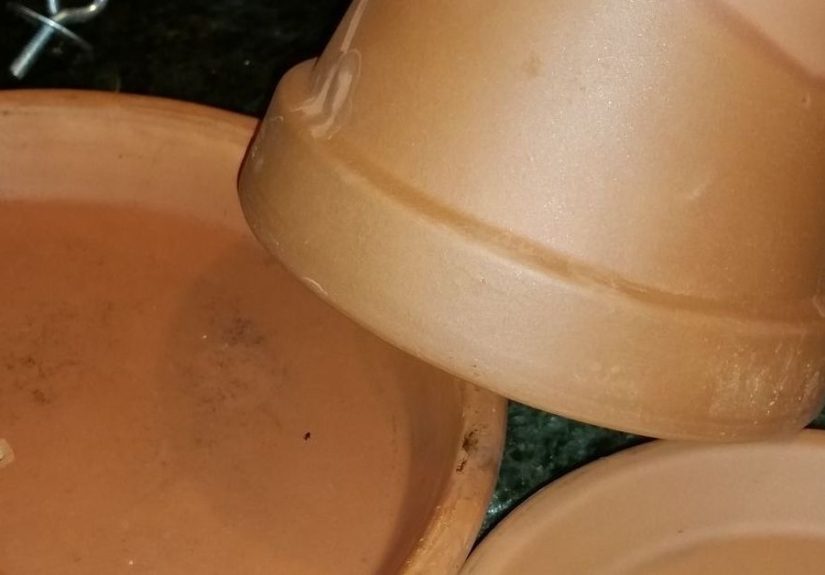
A terracotta (clay) pot is naturally heavy and weather-tough, and a clay saucer makes a simple tray feeder birds understand instantly:
“Oh look, snacks on a plate.” The pot can double as a rain shield, the saucer can drain with a few extra holes, and the whole thing hangs
neatly from a branch or shepherd’s hook.
This design is especially great for backyard birdwatching because it attracts common songbirds that prefer platform and tray feeders:
chickadees, cardinals, titmice, nuthatches, sparrows, jays, and finches (depending on your seed choice and region).
SEO-friendly bonus: what people search for
If you landed here via “DIY clay pot bird feeder,” “terracotta bird feeder,” “hanging tray bird feeder,” or “clay pot and saucer feeder,”
congratulationsyou are exactly where you’re supposed to be.
Materials and Tools
This is a “one trip to the hardware store” project. Two, if you forget washers (a proud tradition).
Materials
- 1 unglazed clay pot (4–6 inch is beginner-perfect)
- 1 clay saucer (about 2–4 inches wider than the pot’s opening)
- 1 eye bolt (6–8 inches long; length depends on pot height)
- 2–4 fender washers (wide washers help distribute pressure on clay)
- 2 hex nuts (to lock the eye bolt in place)
- Hanging chain or sturdy outdoor cord + a hook/carabiner
- Optional: rubber washers (reduce cracking), quick link, and a small baffle if squirrels are “helpful” in your area
Tools
- Drill
- Masonry or carbide drill bits (one small for pilot holes, one sized for your bolt)
- Marker or pencil
- Safety glasses (because eyeballs are nonrenewable)
- Sandpaper (optional, to smooth sharp clay edges)
Step-by-Step: Build the Basic Clay Pot and Saucer Bird Feeder
Step 1: Pick the pot-and-saucer pairing
Choose a saucer that’s wider than the pot opening so birds have room to stand and snack. A 4-inch pot with a 6–8 inch saucer is a classic combo.
Bigger pot? Bigger saucer. It’s not rocket scienceit’s bird snacks.
Step 2: Soak the terracotta before drilling
Terracotta can crack if you drill too aggressively. A simple trick DIYers use is soaking the pot and saucer in water for 15–30 minutes,
then letting them drip-dry. The goal is “slightly damp,” not “aquarium décor.”
Step 3: Drill the saucer holes (center + drainage)
Many clay saucers don’t have a center hole. You’ll make one so the eye bolt can pass through.
- Mark the center of the saucer.
- Drill a small pilot hole first, slowly, with light pressure.
- Switch to a bit sized for your eye bolt.
- Add 2–4 small drainage holes around the saucer (not too close to the edge) so rain doesn’t turn your birdseed into oatmeal.
Pro tip: Support the saucer on a scrap piece of wood. Let the drill do the work. If you push like you’re trying to start a fire,
the clay may protest by cracking.
Step 4: Prep the pot
Most clay pots already have a drainage hole at the top (which becomes your hanging point).
If the hole is too small for your bolt, widen it carefully using the same slow-and-steady drilling method.
Step 5: Assemble the feeder (the “washer sandwich” moment)
You’re going to create a stable stack so the clay isn’t stressed at one tiny point.
- Slide a washer onto the eye bolt.
- Insert the eye bolt down through the pot’s drainage hole so the eye (loop) ends up on top.
- Inside the pot, add another washer and tighten a nut to secure the bolt. Don’t overtightensnug is good.
- Pass the bolt through the saucer’s center hole (saucer should sit below the pot like a tray).
- Add a washer and nut underneath the saucer and tighten until stable.
You should now have: eye bolt on top for hanging, pot acting like a little roof above, and saucer as the feeding tray below.
Step 6: Hang it safely
Use a chain and hook or a sturdy cord tied to the eye bolt. Hang it from a branch or shepherd’s hook where it won’t swing wildly into walls.
If your yard is windy, shorten the chain and hang it closer to the support to reduce the “feeder pendulum” effect.
Step 7: Add seed and do a quick “bird usability test”
Pour seed into the saucer tray and watch for two things:
- Water drainage (no puddles)
- Seed staying put (not sliding off with every breeze)
If seed blows out, you can slightly deepen the tray experience by choosing a saucer with a taller rim or adding a few extra washers
so the tray sits flatter and more stable.
Optional Upgrades (Because “Basic” Can Still Be Brilliant)
Upgrade 1: Make it a semi-self-refilling tray
If you want the pot to store some seed and “trickle” it down, drill 2–3 small seed ports near the pot’s rim (which is the bottom edge when inverted).
Start small; you can always widen holes later.
This won’t turn it into a perfect gravity feeder, but it can help keep a light refresh of seed on the saucerespecially if you’re using sunflower chips.
Upgrade 2: Add a rain shield “hat”
In very wet climates, you can add a second saucer above the pot as a wider roof. That’s still a clay pot and saucer bird feeder at heart
it’s just wearing a bigger hat.
Upgrade 3: Squirrel-proofing (or at least squirrel-annoying)
Squirrels are basically tiny parkour athletes with strong opinions about your seed budget.
Try these:
- Hang the feeder away from launch points (branches, fences, roofs).
- Add a baffle on the pole or hanging line.
- Offer foods squirrels like less (not foolproof, but it helps).
Upgrade 4: Paint it… carefully
If you want color, use outdoor-safe paint and let it cure fully before using. Avoid painting the feeding surface where birds will stand and eat.
Simple option: leave terracotta unpainted and let it develop that cozy, rustic look that says, “Yes, I garden and I’m slightly mysterious.”
Best Bird Food for a Tray-Style Clay Feeder
Your seed choice is basically your guest list. Put out the right snacks, and suddenly your feeder is the hottest brunch spot in town.
Great starter option
- Black-oil sunflower seed: attracts a wide variety of backyard birds and is the easiest “crowd-pleaser.”
To attract specific birds
- Nyjer (thistle): finches love it, but it can be messy on open traysuse sparingly or mix with other seed.
- White proso millet: popular with many ground-feeding species; good if you don’t mind more “floor traffic.”
- Peanuts (shelled): jays and woodpeckers are fans; also adored by squirrels, so consider this an advanced-level choice.
- Suet nuggets: high energy in cold weather; great for woodpeckers and nuthatches.
Keep seed fresh and dry. If it smells musty or looks clumpy, toss it. Birds deserve better than “mystery granola.”
Where to Hang Your Bird Feeder (Safety First, Drama Second)
Use the “3 feet or 30 feet” window rule
To reduce window collisions, hang your feeder either within about 3 feet of a window (so birds can’t build up dangerous speed)
or more than 30 feet away (so they’re less likely to fly toward glass in the first place).
Provide cover, but not an ambush point
Birds like nearby shrubs or small trees for quick escape routes, but don’t tuck the feeder deep inside dense cover where cats can hide.
Aim for a balance: accessible shelter nearby, clear sight lines around the feeder.
Keep cats indoors if you can
If there’s one “small change, big impact” move for backyard birds, it’s keeping pet cats indoorsespecially around active feeders.
Your birds will thank you. Your cat will complain, loudly, to management.
Special note for bear country
If you live where bears are active, follow local wildlife guidance about when to remove feeders.
In some areas, it’s smartest to take feeders down in warmer months to avoid attracting unwanted (and extremely powerful) visitors.
Cleaning and Maintenance (The Unsexy Secret to Healthy Backyard Birds)
Tray feeders are easy for birdsand also easy for germs if you never clean them.
The good news: a little routine goes a long way.
How often to clean
- About every two weeks in normal conditions
- More often during wet weather, heavy traffic, or if you see sick birds in your area
Simple cleaning method
- Dump old seed and brush off debris.
- Wash with hot soapy water and scrub all surfaces.
- Disinfect with a diluted bleach solution (about 1 part bleach to 9 parts water) for around 10 minutes.
- Rinse thoroughly and let everything dry completely before refilling.
Don’t forget the ground below
Rake up hulls and spilled seed under the feeder. It helps reduce mess, discourages rodents, and supports healthier feeding overall.
Troubleshooting: Common Problems and Quick Fixes
“My saucer fills with water.”
Add or widen drainage holes in the saucer. Also check that the tray is levelif it tilts, water will pool on the low side.
“Seed gets soggy.”
Try a slightly larger pot (better rain shield), hang the feeder in a spot with less direct rain,
and clean more frequently in wet stretches.
“Squirrels are treating it like a buffet.”
Relocate it farther from launch points and add a baffle. If squirrels still win, congratulations:
you have discovered why humans invented puzzles, locks, and mild sarcasm.
“The clay cracked while drilling.”
Next time: soak first, drill a pilot hole, use light pressure, and support the piece on wood.
Also consider rubber washers to reduce stress.
Conclusion
A DIY basic clay pot and saucer bird feeder is one of the easiest ways to level up your backyard: low cost, high charm, and genuinely useful for birds.
Build it sturdy, hang it safely, choose quality seed, and keep it clean. That’s the recipe.
And when your first visitor shows upusually a chickadee with the confidence of a tiny CEOenjoy the moment.
You made a functional little bird café with your own hands. That’s a good day.
Extra: of Real-World “Been There” Experience (So You Don’t Have To)
People love this clay pot feeder because it’s simpleuntil the backyard starts giving feedback. The good kind (birds!) and the… opinionated kind
(wind, squirrels, and rain). Here are the most common lessons DIYers share after living with a clay pot and saucer bird feeder for a while.
1) Your first version will teach you what your yard is really like
A calm backyard makes this feeder feel effortless. A windy yard turns it into a swinging pendulum unless you shorten the hanging length.
If you notice the tray rocking, don’t blame your craftsmanshipblame physics. A shorter chain, a heavier pot, or a more sheltered hanging spot
usually fixes the wobble. Some people even add a second hook point (like a stabilizing line) when gusts are relentless.
2) Drainage is not optionalit’s the whole game
The difference between a feeder birds love and a feeder birds ignore is often just three tiny holes. If water sits in the saucer,
seed turns into a clump, and birds will pass like you’re serving expired cafeteria cereal. DIYers who drill multiple small drainage holes
(instead of one big one) usually get the best results because the tray drains without losing half the seed in a dramatic waterfall.
3) The “best seed” is the one your birds actually eat
Many people start with black-oil sunflower because it attracts the widest variety. Then they adjust based on what they see.
If you’re getting cardinals and they look thrilled, keep going. If you’re getting a lot of picky eaters (hello, finches) you might add nyjer
in small amounts or offer sunflower chips. If you’re getting a mountain of discarded filler seed under the feeder, that’s your sign to upgrade
the menu to higher-quality mixes with fewer “mystery grains.”
4) Cleanliness isn’t glamorous, but it’s what responsible bird-feeding looks like
DIYers often say the hardest part of bird feeding isn’t building the feederit’s staying consistent with cleaning.
A tray feeder is basically a tiny dinner table, and you wouldn’t keep serving food on a plate that hasn’t been washed in weeks.
The good news is the clay pieces are easy to scrub, and once you build a habit (like cleaning every other weekend), it stops feeling like a chore.
5) Squirrels are persistent, but you can out-strategize them
The most common “why is this empty?” moment comes from squirrels. People report that moving the feeder even a few feet can change everything.
If a squirrel has a clean launch path from a fence or overhanging branch, it will take it. If you hang the feeder out in the open
and add a baffle, suddenly the squirrels act like you’ve personally offended themand the birds finally get a peaceful meal.
6) The best surprise: you start noticing more than birds
A feeder brings birds close, but it also makes you notice the rhythm of your yard: which shrubs provide cover, where the morning light hits,
which days migration brings new visitors, and how quickly nature responds to a reliable food source.
People often say the feeder becomes less of a “project” and more of a small daily joylike a window-side neighborhood café, except the customers
are feathered and pay exclusively in vibes.