Table of Contents >> Show >> Hide
- What Is a Citrus-Infused Vinegar Cleaning Solution?
- What You’ll Need
- How to Make Citrus-Infused Vinegar Cleaner (Step-by-Step)
- Best Dilution Ratios (So You Don’t Accidentally Pickle Your House)
- Where This DIY Cleaner Works Great (Room-by-Room)
- What NOT to Clean With Citrus Vinegar (Save Your Surfaces)
- Safety First: Do Not Mix This With Other Cleaners
- Troubleshooting (Because Real Homes Are Messy)
- Cost, Waste, and Why This DIY Is Surprisingly Satisfying
- FAQ: Quick Answers
- Experiences and Lessons People Commonly Have With Citrus Vinegar Cleaner (Real-Home Edition)
If your trash can smells like regret and your sink looks like it hosted a mineral convention, you’re in the right place.
Citrus-infused vinegar cleaner is one of those “why didn’t I do this sooner?” DIYs: it’s inexpensive, reduces waste
(hello, leftover peels), and makes your home smell less like a science lab and more like you’ve got your life together.
This guide walks you through how to make a citrus infused vinegar cleaning solution, how to dilute it, where it shines,
where it absolutely does not belong, and how to use it safely. It’s in-depth, practical, and just opinionated enough
to keep your countertops (and your common sense) intact.
What Is a Citrus-Infused Vinegar Cleaning Solution?
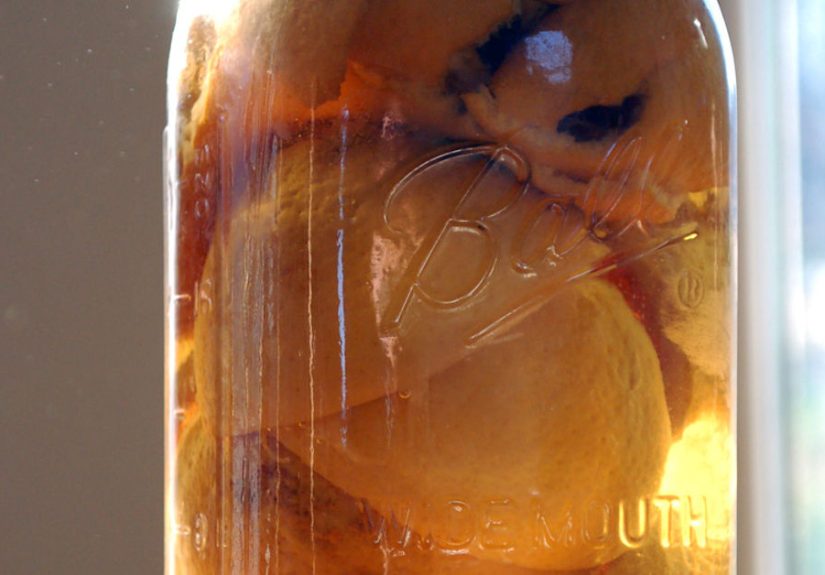
A citrus-infused vinegar cleaning solution is an all-purpose DIY cleaner made by soaking citrus peels (orange, lemon, lime,
grapefruit) in distilled white vinegar. Over time, the vinegar extracts fragrant citrus oils from the peels. You strain the peels,
dilute the concentrate (usually with water), and use it for everyday cleaning jobs like glass, sinks, and soap scumon
the right surfaces.
Why Vinegar Helps (and What It’s Actually Doing)
Distilled white vinegar typically contains about 5% acetic acid. That mild acidity helps break down mineral buildup (think: hard water spots),
cut through soap scum, and dissolve certain residues that cling to glass, chrome, and ceramic surfaces. In plain English: it’s great at
“unsticking” grime that’s held together by minerals or soap film.
Why Citrus Peels Make It Better
Citrus peels contain aromatic oils (including compounds like limonene) that are commonly used in cleaning products because they help
loosen oily residues and leave a fresh scent. Infusing peels into vinegar won’t magically turn your jar into an industrial degreaser,
but it can boost the cleaner’s “grease-cutting vibe” and makes the smell much more pleasant than straight vinegar.
Quick Reality Check: Cleaning vs. Disinfecting
This DIY citrus vinegar cleaner is best for cleaningremoving dirt, buildup, and odors. It’s not a reliable
disinfectant for killing all germs in the way EPA-registered disinfectants are tested and labeled. If you need
to disinfect high-touch areas (especially during illness), use a product labeled for disinfection and follow its directions
(including contact time).
What You’ll Need
- Distilled white vinegar (standard household vinegar is perfect)
- Citrus peels (orange, lemon, lime, grapefruitfresh and clean)
- A glass jar with a lid (quart-size is a classic)
- A strainer (fine mesh works best)
- A funnel (optional but saves your counters from becoming a slip-and-slide)
- A spray bottle (clearly labeled)
- Water for dilution
- Optional: a cinnamon stick or a few whole cloves for a warm “winter citrus” scent
Jar tip: Use a non-reactive container (glass). If your jar has a metal lid, consider placing a piece of parchment paper
between the lid and jar, or use a plastic lid. Vinegar can encourage corrosion over time if metal is constantly exposed.
How to Make Citrus-Infused Vinegar Cleaner (Step-by-Step)
- Collect and prep peels. Save peels from oranges, lemons, etc. Avoid peels that are moldy or slimy.
Give peels a quick rinse and let them dry a bit so you’re not adding extra water to the jar. - Fill the jar. Loosely pack the jar about 1/3 to 2/3 full of citrus peels. Don’t mash them in like you’re
trying to win a citrus-peel Tetris championshipairflow helps reduce funky smells. - Cover with vinegar. Pour in enough vinegar to fully submerge the peels. Any peel sticking up above the liquid line
is basically auditioning to become a science project. - Seal and steep. Close the jar and store it in a cool, dark place (like a cabinet) for about 2 weeks.
Give it a gentle shake every few days if you remember. - Strain. After steeping, strain out the peels and pour the infused vinegar into a clean container.
Compost the peels if you can. - Dilute for everyday use. Most people use the infused vinegar as a concentrate and dilute it with water
before putting it into a spray bottle.
How Long Does It Last?
Vinegar is naturally shelf-stable. Stored in a sealed container away from heat and sunlight, the infused concentrate can typically last
for months. If you ever notice mold, an “off” smell (beyond normal vinegar), or visible growth, discard it and start fresh.
Using clean, fully submerged peels helps prevent problems.
Best Dilution Ratios (So You Don’t Accidentally Pickle Your House)
Dilution depends on what you’re cleaning and how sensitive the surface is. Here are practical starting points:
All-Purpose Citrus Vinegar Spray (Most Common)
- 1:1 ratio 1 part citrus-infused vinegar + 1 part water
- Best for: general wipe-downs on sealed, non-porous surfaces (like many sealed counters), sinks, tubs, and bathroom fixtures
(as long as the material tolerates mild acid).
Glass & Mirror Cleaner
- 1:2 ratio 1 part citrus-infused vinegar + 2 parts water
- Best for: windows, mirrors, glass tables. Follow with a dry microfiber cloth for a streak-free finish.
Heavy Buildup Spot-Treat (Use Carefully)
- Undiluted concentrate for targeted mineral deposits or soap scum (not a daily all-over approach)
- Best for: hard water rings in a porcelain sink, stubborn shower door spots, faucet scaleonly on acid-safe materials.
Always rinse thoroughly afterward.
Pro move: When in doubt, start more diluted. You can always go stronger later, but you can’t “un-etch” stone with optimism.
Where This DIY Cleaner Works Great (Room-by-Room)
Kitchen Wins
- Sinks (stainless or porcelain): Spray, let sit 2–5 minutes, scrub with a non-scratch sponge, rinse well.
- Faucets & handles: Great for water spots and fingerprints. Buff dry for shine.
- Microwave deodorizing: Wipe the interior with diluted spray to remove odors and light splatter.
(For serious “sauce explosion” scenes, use warm soapy water first, then follow with vinegar spray.) - Trash can refresh: Spray inside, wipe, and let air dry. Citrus helps the “why do we own food?” smell.
- Fridge shelves (glass/plastic): Remove shelves if possible, wash, then wipe with diluted spray and dry.
Bathroom Wins
- Soap scum on shower doors: Spray a stronger mix (1:1), let sit, scrub gently, rinse, and dry.
Repeat as needed instead of going full rage-scrub on day one. - Tub and tile (glazed): Helpful for film and mineral residuerinse well.
- Toilet exterior: Wipe down outside surfaces (tank, handle area, base) with diluted spray and a cloth.
(For disinfecting, use an appropriate disinfectant product separately.) - Mirrors: Diluted mix + microfiber cloth = fewer streaks and fewer existential crises.
Living Areas & Utility Wins
- Glass tables and windows: Dilute, spray lightly, wipe dry.
- Sealed hard floors (tile/vinyl): Lightly damp mop with a well-diluted mix (follow manufacturer guidance).
Avoid soaking floors and avoid waxed finishes. - Sticky fingerprints on light switches (cleaning only): Wipe, then dry.
What NOT to Clean With Citrus Vinegar (Save Your Surfaces)
Vinegar is acidic. That’s why it worksbut it’s also why it can damage certain materials. Avoid using citrus vinegar cleaner on:
- Natural stone (marble, granite, travertine, limestone): acid can dull or etch the surface.
Use a stone-safe, pH-neutral cleaner instead. - Waxed or unfinished wood (and many hardwood floors): it can strip finishes or cause dulling over time.
- Electronic screens (TVs, laptops, phones): vinegar can damage coatings and isn’t worth the risk.
- Cast iron: acid + cast iron is a “rust speedrun” you did not sign up for.
- Some metals and finishes (especially if left sitting): always spot-test, and don’t let it puddle.
- Rubber gaskets and certain appliance parts if used frequently: repeated exposure can degrade materials over time.
Rule of thumb: If the surface is expensive, porous, coated, or has a “do not use acidic cleaners” label anywhere in its care instructions,
listen to the label. It’s not being dramatic. It’s being preventative.
Safety First: Do Not Mix This With Other Cleaners
This is the part where we keep your DIY era fun and not an emergency.
- Never mix vinegar with bleach. This can release dangerous chlorine gas.
If you use bleach products in your home, keep them separate and rinse surfaces thoroughly between products. - Don’t mix vinegar and hydrogen peroxide in the same bottle. Combined, they can form peracetic acid, which can irritate skin, eyes,
and the respiratory tract. If you use both products, use them separately with a water rinse in between. - Don’t store vinegar + baking soda mixtures. The fizz is fun for a quick scrub moment, but the ingredients neutralize each other,
and sealed containers can build pressure.
Basic Handling Tips
- Label your bottle clearly: “Citrus Vinegar Cleaner (Do Not Mix With Bleach)”
- Ventilate if you’re using it in a small bathroom
- Keep away from kids and pets and don’t store it in a drink bottle (seriously)
- Spot-test on a hidden area first, especially for metals, finishes, and older surfaces
Troubleshooting (Because Real Homes Are Messy)
“It Smells Like Vinegar… A Lot.”
Totally normal. The vinegar smell usually dissipates as it dries. To reduce the punch:
use a more diluted ratio (1:2), wipe with clean water after cleaning, or switch to more orange peels and a full 2-week steep.
Citrus improves the scent but doesn’t erase vinegar’s personality.
“My Spray Leaves Streaks.”
This is usually over-spraying or not buffing dry. Use less spray and finish with a dry microfiber cloth.
For mirrors and windows, dilute more (1:2) and avoid cleaning in direct sun where it dries too fast.
“There’s Cloudiness in the Jar.”
Cloudiness can happen from tiny peel particles or oils. Strain again through a finer mesh or coffee filter.
If you see fuzzy growth or anything that looks like mold, discard it.
“It Didn’t Cut Grease on My Stove.”
Vinegar solutions are great for mineral/soap film, but heavy grease often needs a surfactant.
Translation: use warm dish soap and water first, then follow with the citrus vinegar spray to remove leftover residue and odors.
Cost, Waste, and Why This DIY Is Surprisingly Satisfying
A DIY citrus infused vinegar cleaning solution turns “kitchen scraps” into a cleaner you’ll actually use. The ingredients are cheap,
the jar is reusable, and you’ll likely reduce how often you buy single-purpose sprays. Plus, it’s the kind of small habit that makes
a home feel cared forwithout requiring a 12-step “reset routine” that only works if no one lives there.
FAQ: Quick Answers
Can I use any citrus peels?
Yesorange, lemon, lime, grapefruit all work. You can mix them. Just use clean, fresh peels and keep them fully submerged in vinegar.
Should I use “cleaning vinegar” instead of regular vinegar?
Regular distilled white vinegar is enough for most household cleaning. Stronger vinegars can be harsher on surfaces and more irritating to breathe.
If you choose a stronger product, dilute carefully and use extra caution.
Is this safe for quartz countertops?
Many quartz manufacturers recommend avoiding acidic cleaners because they can dull the finish or affect resins over time. Check your countertop care guide.
When unsure, use mild dish soap and water.
Will it disinfect my kitchen?
It cleans well, but it’s not a dependable disinfectant for all germs. For disinfection, use an EPA-registered disinfectant and follow the label directions,
including the required wet contact time.
Experiences and Lessons People Commonly Have With Citrus Vinegar Cleaner (Real-Home Edition)
The first “experience” most people have with a DIY citrus infused vinegar cleaning solution is emotional: surprise.
Surprise that something made from leftovers actually works, surprise that the kitchen smells bright instead of “mystery cleaner aisle,”
and surprise that you’re suddenly the kind of person who has a jar quietly steeping in a cabinet like a little homemade potion.
A very common early win is the glass-and-chrome glow-up. People spray a diluted mix on bathroom mirrors or faucets,
wipe it down, and notice how well it lifts water spots and soap filmespecially if they finish with a dry microfiber cloth.
It’s not magic; it’s consistency. The cleaner helps loosen what’s stuck, and the dry buff removes the last haze so it looks polished.
Another frequent experience: realizing that vinegar is a specialist, not a superhero. Many people love it for mineral deposits
and soap scum, then try it on greasy stove splatter and feel personally betrayed. The lesson is simple: grease often needs a surfactant first
(like dish soap). Once the grease layer is lifted, the citrus vinegar spray is great for removing lingering residue and odors.
In other words, it’s an excellent “second pass” cleaner after warm soapy water.
People also learn quickly that timing matters. Letting the spray sit for a couple of minutes (instead of wiping immediately)
often improves results on hard water spots or shower door film. The patience tax is smalltwo to five minutesand the payoff is less scrubbing.
Many folks find that a light, regular routine beats an occasional cleaning marathon that starts with motivation and ends with resentment.
On the DIY side, one of the most common “oops” stories is the forgotten jar. Someone makes the infusion, puts it away,
then rediscovers it a month later like a time capsule of good intentions. The good news: vinegar is shelf-stable, and many people report that
a longer steep can smell even more citrusy. The caution: if the peels weren’t fully submerged or the jar wasn’t clean, you might find off odors
or growth. That’s why the “fully covered peels” rule becomes a personal creed after the first batch.
There’s also a very relatable learning curve around where not to use it. Plenty of people discover the hard way that stone,
delicate finishes, and certain coated surfaces don’t love acids. Even when there’s no obvious damage, repeated use can dull shine over time.
Many households end up with a simple system: citrus vinegar cleaner for glass, sinks, and bathroom buildup; mild soap and water for stone
and sensitive surfaces; and a separate disinfectant (used according to its label) for high-touch areas when needed.
Finally, a lot of people report an unexpected benefit: momentum. Once you have a cleaner you don’t mind usingand it smells decent
you’re more likely to do quick wipe-downs. That “two-minute cleanup” habit is what keeps soap scum from becoming a weekend project
and keeps water spots from turning into a permanent exhibit. The DIY isn’t just the solution in the bottle; it’s the feeling that cleaning
can be simple, low-waste, and oddly satisfying.