Table of Contents >> Show >> Hide
- The Short Answer: Metformin Is Not a Common Direct Cause of Hair Loss
- Why People Think Metformin Causes Hair Loss
- What Kind of Hair Loss Are We Talking About?
- Can Metformin Contribute to Hair Loss Indirectly?
- What Should You Do If You Notice Hair Loss While Taking Metformin?
- How Doctors Usually Think Through This Problem
- When Hair Loss Needs Faster Attention
- So, Does Metformin Cause Hair Loss?
- Real-World Experiences Related to “Does Metformin Cause Hair Loss?”
- Conclusion
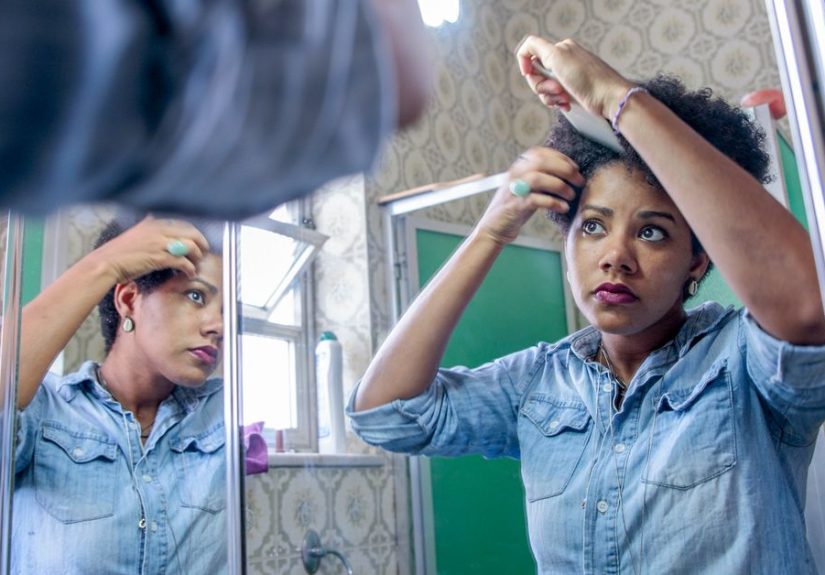
If you have ever stared at the shower drain like it personally betrayed you, welcome to one of the most common health-related panic spirals on the internet. A few extra strands show up, you remember you started metformin, and suddenly your brain is writing a dramatic courtroom speech: “Your Honor, the defendant is clearly this tiny white tablet.”
But is metformin really the culprit?
The honest answer is more nuanced than a yes-or-no headline. Metformin is one of the most commonly prescribed medications for type 2 diabetes and is also used in some cases for prediabetes and polycystic ovary syndrome (PCOS). It has a long track record, and its best-known side effects are usually gastrointestinal, not cosmetic. Still, some people do report hair thinning or shedding while taking it, which raises an understandable question: is there a real connection, or is metformin getting blamed for something more complicated?
Let’s dig into what current evidence actually suggests, why the answer is not as simple as “metformin causes hair loss,” and what to do if your brush seems to be collecting more than its fair share.
The Short Answer: Metformin Is Not a Common Direct Cause of Hair Loss
If you are looking for the quick takeaway, here it is: metformin is not widely recognized as a common direct cause of hair loss. Official drug labeling and mainstream clinical references focus far more on side effects such as nausea, diarrhea, bloating, metallic taste, and, with longer-term use, possible vitamin B12 deficiency.
That does not mean hair loss is impossible while taking metformin. It means the evidence does not strongly support metformin as a usual, straightforward hair-loss drug in the same way that certain chemotherapy agents or some other medications are known to be.
In other words, if hair shedding starts while you are on metformin, the smart move is not to shout “Case closed!” and toss the bottle into the void. The smarter move is to look at the bigger picture.
Why People Think Metformin Causes Hair Loss
This concern does not come out of nowhere. There are several reasons metformin and hair loss can seem connected, even when the relationship is indirect.
1. Vitamin B12 Deficiency Can Muddy the Waters
The strongest medically recognized link between metformin and hair issues is indirect. Over time, metformin can lower vitamin B12 levels in some people. That matters because vitamin B12 helps support healthy red blood cells and nervous system function, and deficiency can lead to symptoms such as fatigue, numbness, tingling, weakness, brain fog, and anemia.
When the body is low on key nutrients or red blood cell production is affected, hair can become one of those “nonessential luxuries” the body stops prioritizing. Translation: your body will keep your heart beating before it worries about making your hair look fabulous.
Not everyone on metformin develops low B12. But the risk appears to increase with longer use, and clinical guidance increasingly recommends periodic assessment in people taking metformin chronically, especially if they also have anemia or symptoms of nerve problems.
2. Hair Loss May Be Related to Diabetes, Not the Drug
Type 2 diabetes itself can complicate hair health. Poorly controlled blood sugar can affect circulation, inflammation, hormone balance, and overall metabolic stress. People with diabetes may also have other medical issues that can influence hair growth, including thyroid disease, nutritional deficiencies, or changes in weight and appetite.
So if someone starts metformin around the same time they are dealing with blood sugar changes, fatigue, diet changes, stress, or other health issues, it can be easy to assume the medication caused the shedding when the real story is broader.
3. PCOS Can Be the Real Hair Villain
Metformin is sometimes used off-label for PCOS, a condition closely tied to insulin resistance and hormone imbalance. PCOS can cause scalp hair thinning in some women because of higher androgen activity. So if someone with PCOS starts metformin and already has hair loss, metformin may be getting blamed for a problem that was already part of the condition.
That mix-up happens a lot. PCOS is famous for making health stories messy: unwanted hair in one place, thinning hair in another, acne, irregular periods, and enough confusion to keep Google extremely busy.
4. Rapid Weight Loss and Reduced Intake Can Trigger Shedding
Some people lose weight on metformin, especially early on or when they also change their diet. Weight loss can be beneficial for blood sugar and PCOS symptoms, but if it happens quickly, the body sometimes responds with telogen effluvium, a temporary shedding pattern that often appears a couple of months after a physical or emotional stressor.
This is one reason medication stories can be so misleading. The hair loss may not be from the pill itself. It may be from the chain reaction around the pill: eating less, losing weight quickly, being ill, being stressed, or changing hormones.
5. Other Common Causes May Be Hiding in Plain Sight
Hair loss is incredibly common, and metformin users are still ordinary humans living ordinary lives. That means common causes still apply: thyroid disease, anemia, hormonal shifts, stress, illness, nutritional issues, aging, and hereditary hair loss can all show up while someone happens to be taking metformin.
Sometimes the timing is meaningful. Sometimes it is just rude coincidence.
What Kind of Hair Loss Are We Talking About?
When people say “hair loss,” they often mean very different things. That matters, because the pattern can offer clues.
Diffuse Shedding
This is the classic telogen effluvium pattern. Hair seems to come out all over the scalp rather than in one bald spot. You notice more strands on your pillow, in the shower, and on your hairbrush. This type often happens after stress, illness, surgery, nutritional deficiency, hormonal change, or medication-related body stress. It typically starts weeks to a few months after the trigger, not the next morning.
Gradual Thinning at the Crown or Part Line
This pattern may suggest androgen-related hair thinning, which can happen with aging, genetics, or hormone imbalance such as PCOS. If that is the pattern, metformin may not be the cause at all. In some cases, improving insulin resistance and overall metabolic health may actually support better hormone balance over time.
Patchy Bald Spots
Patchy hair loss points more toward conditions such as alopecia areata or scalp disorders. That is not a classic metformin story and deserves a proper medical evaluation.
Can Metformin Contribute to Hair Loss Indirectly?
Yes, that is the most reasonable way to describe the connection.
Metformin may indirectly contribute to hair thinning or shedding in some people by affecting vitamin B12 levels, causing appetite or GI changes that alter nutrition, or being part of a broader period of weight loss and metabolic adjustment. But that is very different from saying metformin is a common hair-loss medication.
Think of metformin less like the obvious villain in a movie and more like a side character who might accidentally knock over the lamp while five other things are already on fire.
What Should You Do If You Notice Hair Loss While Taking Metformin?
Do not panic, and do not stop your medication without talking to your clinician first. That is the big one.
Look at the Timeline
Hair shedding usually lags behind the trigger. If you started metformin last week and noticed hair loss today, the timing is suspicious in the wrong direction. On the other hand, if shedding started two or three months after beginning metformin, losing weight, getting sick, or changing your diet, the timeline fits better with telogen effluvium.
Review Other Changes
Ask yourself what else changed around the same time:
Did you lose weight quickly? Change your diet a lot? Start another medication? Feel unusually tired? Notice numbness or tingling? Have heavier periods? Feel cold all the time? Deal with unusual stress or illness? Those details matter.
Talk to Your Healthcare Professional About Lab Work
If hair loss is persistent or you have other symptoms, it may be reasonable to ask about testing for vitamin B12 deficiency, anemia, and thyroid problems. Depending on your history, your clinician may consider other labs too. This is especially important if you have fatigue, tingling in your hands or feet, pale skin, shortness of breath, or ongoing GI issues.
Do Not Assume the Fix Is to Quit Metformin
For many people, metformin plays an important role in managing blood sugar or insulin resistance. Stopping it suddenly can create new problems while leaving the actual cause of hair loss completely unaddressed. If the issue turns out to be low B12, for example, the solution may involve monitoring and treatment rather than abandoning the medication altogether.
How Doctors Usually Think Through This Problem
A good clinician generally approaches this like a medical detective, not a random guess generator.
They will usually want to know:
When did the hair loss begin?
Timing helps distinguish sudden shedding from slow hormone-related thinning.
What does the pattern look like?
Diffuse shedding, frontal thinning, or patchy loss point in different directions.
What other symptoms are happening?
Fatigue, numbness, irregular periods, cold intolerance, weight change, or digestive issues can all change the suspected cause.
What else is in the medication lineup?
People often start more than one treatment around the same time. Metformin sometimes gets the blame simply because it is the most familiar name on the list.
Are there nutritional or hormonal clues?
B12 deficiency, anemia, thyroid disease, and PCOS often leave breadcrumbs if someone knows where to look.
When Hair Loss Needs Faster Attention
Hair shedding is often temporary, but some symptoms deserve earlier evaluation:
If the hair loss is sudden and severe, patchy, painful, associated with scalp rash or scarring, or comes with symptoms like numbness, tingling, extreme fatigue, weakness, shortness of breath, or major unexplained weight changes, it is worth getting checked sooner rather than later.
Your hair may be making a cosmetic complaint, but your body may be sending a bigger message.
So, Does Metformin Cause Hair Loss?
Usually, nonot directly and not commonly.
But there can be an indirect connection in some people. Long-term metformin use may contribute to vitamin B12 deficiency, and body stress from illness, rapid weight loss, hormonal conditions like PCOS, diabetes itself, thyroid problems, or anemia can all play a role in hair shedding.
That is why the best answer is not “metformin causes hair loss” or “metformin never causes hair loss.” The best answer is this: if hair loss happens while you are taking metformin, look for the whole medical context before blaming the medication alone.
That may not be as satisfying as a dramatic villain reveal, but it is far more useful.
Real-World Experiences Related to “Does Metformin Cause Hair Loss?”
In real life, the experience is often less like a clean clinical textbook and more like a messy detective board with string everywhere.
A very common story goes like this: someone starts metformin for type 2 diabetes, prediabetes, or PCOS. The first few weeks are all about stomach drama, smaller meals, and trying to remember whether “take with food” means an actual dinner or three crackers and denial. A month or two later, the person notices more hair in the shower. Panic begins. Naturally, metformin becomes the prime suspect because it is the newest thing in the picture.
But when the story gets unpacked, there is often more going on. Maybe the person also cut calories sharply, lost weight quickly, had a stressful diagnosis, slept poorly, or started exercising much more. Maybe blood sugar had been out of range for months before the medication started. Maybe PCOS was already causing hormonal hair thinning. Maybe thyroid symptoms had been quietly building in the background. Maybe vitamin B12 levels were drifting lower without anyone noticing yet.
Another common experience is confusion over the timing. Hair does not always react right away. People expect cause and effect to happen on a neat schedule, but hair biology does not care about our need for tidy timelines. A trigger today may not show up as shedding until weeks later. That delay is one reason people misidentify the cause so often.
Some people also describe feeling frustrated when their clinician does not immediately confirm that metformin is to blame. But that hesitation is often a good sign, not a dismissive one. It usually means the clinician is trying to avoid oversimplifying a symptom that has many possible causes. Hair loss is one of those complaints where the right answer often requires a little humility and a little lab work.
There is also the emotional side, which deserves more respect than it usually gets. Even when hair loss is medically “not dangerous,” it can still feel awful. It affects confidence, routine, identity, and peace of mind. People may spend a lot of time examining their part line under bathroom lighting that should frankly be illegal. They may worry every wash day. They may feel dismissed if others say, “It’s only hair.” To the person losing it, it does not feel small.
The encouraging part is that many hair-shedding stories tied to stress, nutrition, or temporary metabolic changes do improve once the underlying issue is addressed. But hair recovery is slow. The body often fixes the internal problem long before the mirror gets the memo. That lag can make people think nothing is working when the process is simply taking its sweet time.
So the most realistic “experience-based” takeaway is this: people often notice hair changes while on metformin, but the final explanation is frequently broader than metformin alone. The pill may be part of the timeline, but it is not always the whole plot.
Conclusion
Metformin is not known as a classic hair-loss medication, and for most people it is far more likely to cause nausea than a disappearing ponytail. Still, hair shedding that happens during metformin treatment should not be ignored. The smarter question is not just “Is metformin doing this?” but “What else is happening in my body at the same time?”
That shift in thinking matters. It opens the door to checking for vitamin B12 deficiency, anemia, thyroid disease, PCOS-related hormone changes, rapid weight loss, stress-related shedding, and other common causes. In plenty of cases, the explanation turns out to be treatable, temporary, or at least much more manageable once the real cause is identified.
So yes, metformin may sometimes be part of the conversation. But most of the time, it is not the headline villain. It is just standing near the scene while the real troublemaker tries to sneak out the back door.