Table of Contents >> Show >> Hide
- Why a Dollar Store S’mores Station Works So Well
- What to Buy for the Challenge
- How to Build the Station Step by Step
- Best Flavor Combos for a Crowd
- Outdoor, Indoor, and No-Fire Options
- Smart Safety Tips You Should Not Skip
- How to Make It Look Better Without Spending More
- Common Mistakes to Avoid
- Extra : Real-Life Experiences With a Dollar Store S’mores Station
- Conclusion
There are two kinds of party hosts in this world: the ones who casually say, “I just threw this together,” and the ones who absolutely did not just throw this together but deserve an award for making it look effortless. This Dollar Store Challenge {S’mores Station} is for both groups. It is charming, inexpensive-looking in the best possible way, and almost suspiciously good at making people gather around a table and act like they have discovered dessert for the first time.
A s’mores station is one of the smartest budget party ideas because it checks every box. It is interactive. It is nostalgic. It works for backyard parties, family nights, movie nights, camping weekends, baby showers, birthday gatherings, and casual get-togethers where nobody wants a fussy plated dessert. Better yet, a dollar store s’mores station can look far more expensive than it is. Give people jars, trays, labels, a few topping choices, and one toasted marshmallow, and suddenly everyone turns into a dessert architect.
The real magic of this challenge is not just spending less. It is making less look like more. With a handful of dollar-store serving pieces, a simple color theme, and a little strategy, you can build a DIY s’mores bar that feels organized, festive, and genuinely useful. No one is impressed by chaos in a plastic bag. They are, however, very impressed by graham crackers stacked in neat rows, chocolate arranged by type, and marshmallows waiting in cute containers like they know they are the star of the show.
Why a Dollar Store S’mores Station Works So Well
S’mores are already a low-drama dessert. The classic version is built from three familiar ingredients: graham crackers, chocolate, and marshmallows. That simplicity is exactly why the concept scales so beautifully. You can keep it traditional for a small family setup, or you can expand it into a full s’mores bar idea with toppings, flavored candy, sauces, and grab-and-go packaging for guests.
It also helps that s’mores play well with different setups. If you have a fire pit, great. If you do not, you still have options. An oven, broiler, grill, or indoor tabletop roaster can get the job done. That flexibility is a huge win for anyone doing a budget challenge, because it lets you focus your money on presentation and variety instead of specialty gear.
There is also a visual advantage here. A lot of inexpensive party food looks inexpensive. S’mores do not. Layers of crackers, glossy chocolate bars, fluffy marshmallows, caramel drizzle, crushed cookies, and little topping bowls create built-in texture and color. Even before anyone takes a bite, the station looks inviting.
What to Buy for the Challenge
Core food items
Start with the basics: graham crackers, regular marshmallows, and milk chocolate. Those three ingredients are the foundation of the whole experience. After that, think about a few easy upgrades. Peanut butter cups, cookies-and-cream bars, dark chocolate, caramel-filled chocolate, mini chocolate chips, and chocolate sandwich cookies can all turn a basic s’more into something a little extra.
Fruit can also be a smart add-in if you want the station to feel more thoughtful. Banana slices and strawberries pair especially well with chocolate and marshmallow. If you are serving outdoors, just remember that fresh toppings are more perishable than dry ones, so they need more careful timing and temperature management.
Dollar-store serveware and styling pieces
This is where the challenge gets fun. Look for compartment trays, shallow baskets, mini bowls, clear plastic jars, scoops, tongs, paper cups, treat bags, napkins, mini chalkboard signs, wooden skewers or roasting forks, and a table runner. A few matching pieces go a long way. Clear containers make everything look more polished because they show off the textures and colors of the ingredients.
You do not need a giant table full of stuff. In fact, a tighter edit looks better. One tray for graham crackers, one or two containers for marshmallows, a platter for chocolate, and a few bowls for toppings can create a station that feels intentional instead of overstuffed. The goal is not “every snack in North America.” The goal is “wow, this is cute and I would like three.”
Optional decor that earns its keep
Choose decor that is also functional. Small labels help guests move through the station without asking a hundred questions. Napkins are not glamorous, but they are essential when marshmallows start stretching like edible rubber bands. A raised tray or crate can add height and make a small display feel fuller. Battery candles or string lights can add mood without competing with an actual flame source.
How to Build the Station Step by Step
1. Pick the layout first
Before you place a single marshmallow, decide how guests will move through the station. The easiest flow is left to right: crackers first, chocolate second, marshmallows third, toppings last. That order mirrors how people build a s’more, so it prevents traffic jams and keeps the display from turning into a snack stampede.
2. Group by category
Keep similar items together. Put classic chocolate in one section and flavored options in another. Separate crunchy toppings from sticky toppings. Give every topping its own utensil. This makes the table easier to read and helps reduce cross-contact between ingredients.
3. Build in levels
A flat table can look boring fast. Use inverted bins, crates, or sturdy boxes under a tablecloth to create height. Put your prettiest items higher up: jars of marshmallows, chocolate bars, or labeled topping bowls. Place sturdier, grab-heavy items like crackers and napkins on the lower level where guests can reach them easily.
4. Keep the color palette simple
One of the easiest ways to make dollar-store supplies look elevated is to stick to a restrained palette. White, tan, brown, and a soft metallic accent work beautifully for a classic s’mores theme. If the party has a seasonal vibe, you can add one pop color: orange for fall, red for summer holidays, blush for showers, or black-and-white for movie night.
5. Add one “special” element
Every great budget setup needs one thing that feels memorable. Maybe it is a “Build Your Best S’more” sign. Maybe it is a tray of peanut butter cups and pretzels. Maybe it is a take-home bag station with tags. One detail like that gives the whole display personality.
Best Flavor Combos for a Crowd
A strong s’mores station setup balances familiar favorites with a few playful upgrades. Traditional milk chocolate will always be popular, but extra choices make guests feel like they are getting the deluxe version of a campfire classic.
Classic crowd-pleasers
- Milk chocolate + regular marshmallow + graham crackers
- Dark chocolate + marshmallow + sea salt sprinkle
- Peanut butter cup + marshmallow + graham crackers
- Cookies-and-cream bar + marshmallow + chocolate grahams
Fun upgrade combinations
- Chocolate + banana slices + marshmallow
- Chocolate + strawberry jam + marshmallow
- Chocolate + pretzels + marshmallow
- Caramel chocolate + toasted coconut + marshmallow
- Peanut butter + mini chocolate chips + marshmallow
If you are serving mixed ages, keep the adventurous options clearly separate from the classics. Most people like choices, but they also like knowing the original is still available. Nobody wants to feel pressured into building a pretzel-coconut-jam masterpiece when what they really want is a basic s’more and inner peace.
Outdoor, Indoor, and No-Fire Options
An outdoor fire pit creates the most nostalgic setup, but it is not the only path to glory. For larger groups, an oven or broiler can be easier because you can toast multiple s’mores or s’mores-style bars at once. That is especially helpful if your party is more buffet than bonfire.
For apartment living or rainy days, an indoor version still works beautifully. Build the station exactly the same way, but offer baked s’mores, skillet dip, or pre-toasted marshmallow desserts instead of open-flame roasting. Guests still get the flavor and most of the fun, minus the smoke in their hair.
If you are hosting outdoors, create a clear separation between the ingredient station and the heat source. Keep the pretty display away from the roasting zone so it stays neat, safer, and easier to restock.
Smart Safety Tips You Should Not Skip
A dessert station may look adorable, but it still involves food handling and sometimes live heat, which means basic safety matters. If you are serving outdoors, keep perishable toppings cold and use small bowls that can be replaced as needed. Cold food should stay cold, and anything perishable should not sit out too long. On very hot days, your timeline gets shorter, not more “relaxed because it is a party.”
Ready-to-eat foods like crackers, fruit, and toppings also need clean hands, clean utensils, and clean surfaces. If your s’mores station is near a grill or savory prep area, keep raw-food tools far away from dessert items. This is not the moment for accidental burger-tong chocolate service.
Allergy awareness matters too. Buffets and self-serve stations can create cross-contact quickly, especially when nuts, cookies, fruit, and chocolate are all close together. Label ingredients clearly, keep separate utensils in each bowl, and consider a small separated section for guests who need simpler or more controlled options. Even a basic sign system can make the station more welcoming and easier to navigate.
If you are using a fire pit, place it in a proper outdoor area with good clearance from anything that can burn. Keep the roasting activity supervised, especially if kids are involved, and create a little “wait here” space so people are not crowding the heat source. The station should feel fun, not like a marshmallow-based traffic incident.
How to Make It Look Better Without Spending More
The cheapest setups usually fail for one reason: they are cluttered. Editing is everything. Instead of putting out every topping you can find, choose five or six that offer real variety. Think creamy, crunchy, fruity, salty, and classic. That creates better visual balance and a better tasting experience.
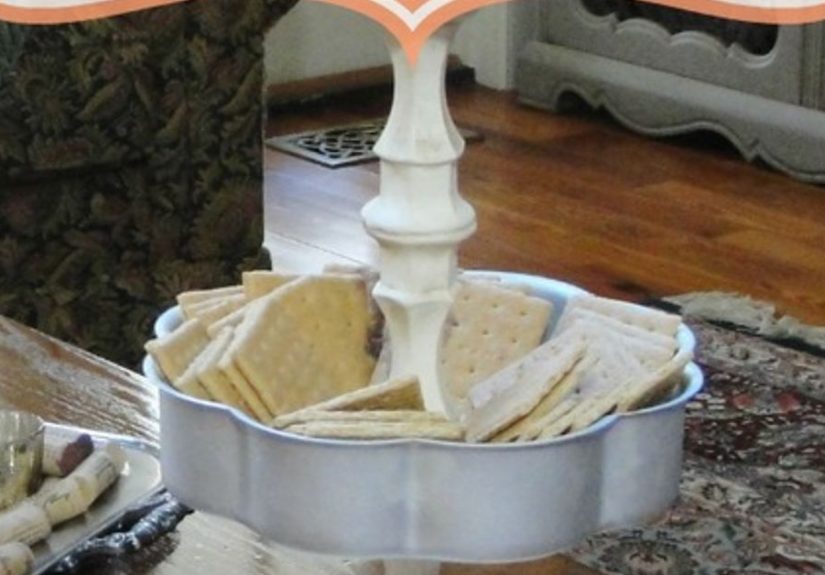
Packaging helps too. Unwrap what can be unwrapped in advance and display it neatly. Stack crackers instead of dumping sleeves on the table. Break chocolate into ready-to-use segments if that makes the station easier for guests. Use matching scoops or spoons whenever possible. Suddenly the same ingredients look curated.
Signage can also do heavy lifting. Tiny labels like “Classic,” “Crunchy,” “Fruity,” or “Go Big” make the station feel interactive and editorial. It turns random bowls into a concept. And yes, that is worth a lot when your mission is to make dollar-store supplies look like a lifestyle spread.
Common Mistakes to Avoid
- Putting the station too close to the flame or roasting area
- Offering too many toppings and not enough room
- Using one shared spoon for multiple ingredients
- Leaving perishable add-ins out too long
- Skipping napkins, plates, or trash access
- Forgetting a backup plan for indoor weather or late-night chill
Another common mistake is focusing only on the ingredients and forgetting the guest experience. Think through the whole moment. Where do people set down their plates? Where do they roast? Where do used skewers go? Where do kids wait? A well-run station feels effortless because the host has quietly answered those questions before anyone arrives.
Extra : Real-Life Experiences With a Dollar Store S’mores Station
The first time I put together a Dollar Store Challenge {S’mores Station}, I expected it to be cute. I did not expect it to become the center of the entire evening. People walked past the drinks, barely nodded at the chips, and made a direct, movie-villain-style turn toward the marshmallows. The station had that effect. It looked small at first, but it pulled everyone in because it offered something more than dessert. It offered a tiny project.
That is probably my favorite thing about this kind of setup. Guests do not just eat from it. They participate in it. One person builds the most classic s’more possible, another turns it into a peanut butter and pretzel engineering experiment, and someone else starts debating roasting technique like they are auditioning for a campfire documentary. It creates conversation without trying too hard.
I also learned that presentation changes behavior. When I tossed ingredients onto a table in store packaging, people grabbed quickly and moved on. When I transferred the same ingredients into bowls, jars, baskets, and trays, everyone slowed down, looked around, and started comparing combinations. The whole thing felt more special, even though the actual shopping list had not changed much. That is the true genius of the dollar-store challenge: the transformation is not about luxury, it is about intention.
There were practical lessons, too. Marshmallows absolutely need a dedicated serving container because once one bag is opened, it tends to collapse into a sticky little snowdrift. Crackers should be arranged in small stacks rather than left in sleeves, because people hesitate less when they can grab and go. Chocolate should be partially broken into usable pieces ahead of time unless you want guests performing strength training at the dessert table.
I found that the best topping mix was not the biggest one. Too many choices made the station feel messy. But a few well-picked options made it feel curated. One classic chocolate, one peanut butter option, one crunchy topping, one fruity element, and one drizzle was usually enough to make people feel creative. More than that, and the station started drifting into “dessert confusion.”
Another surprise was how flexible the station became across events. For a family movie night, it felt cozy and playful. For a backyard birthday, it looked festive and photogenic. For a fall gathering, adding plaid napkins and warm-toned labels made it feel seasonal in about five minutes. I even realized that the same concept could be adapted for party favors, with small bags of crackers, marshmallows, and chocolate tied with ribbon. It is one of those rare ideas that works hard in every direction.
Most of all, the experience taught me that budget entertaining is rarely about spending the least possible money. It is about spending thoughtfully. A successful DIY s’mores bar does not need expensive platters or designer labels. It needs a clear plan, a little restraint, and enough personality to make people smile when they see it. If a station makes guests say, “Wait, this is such a good idea,” then the challenge is already a success.
Conclusion
A dollar store s’mores station is one of the easiest ways to create a dessert moment that feels interactive, stylish, and surprisingly memorable on a budget. The ingredients are simple, the setup is adaptable, and the payoff is huge. Whether you go classic with graham crackers and milk chocolate or add playful toppings and party-favor details, the best version of this challenge is the one that feels organized, inviting, and easy for guests to enjoy.
Keep the layout smart, the choices curated, the safety basics covered, and the styling simple. That is really the formula. You are not just putting out marshmallows and hoping for the best. You are creating a tiny experience. A gooey, chocolatey, delightfully messy experience, yes, but an experience all the same.