Table of Contents >> Show >> Hide
- What Is a Double Bowl Copper Kitchen Sink with Smooth Apron Front?
- Why Homeowners Love Copper Farmhouse Sinks
- Functional Perks of a Double Bowl Layout
- How to Choose the Right Double Bowl Copper Farmhouse Sink
- Day-to-Day Care and Maintenance
- Pros and Cons at a Glance
- Design Ideas for a Smooth Apron Front Copper Sink
- Real-Life Experiences with a Double Bowl Copper Kitchen Sink
- Is a Double Bowl Copper Kitchen Sink with Smooth Apron Front Right for You?
Picture this: You’re rinsing crisp lettuce in one bowl, hiding last night’s baking sheet in the other, and your sink still looks like a piece of sculpture.
That’s the quiet magic of a double bowl copper kitchen sink with a smooth apron front. It’s not just a place to dump dishes it’s a focal point that
changes how your kitchen looks, feels, and even how clean it stays.
In this in-depth guide, we’ll walk through what makes these copper farmhouse sinks so special, how to choose the right one, what daily life with one
actually looks like, and whether it’s worth the investment for your home.
What Is a Double Bowl Copper Kitchen Sink with Smooth Apron Front?
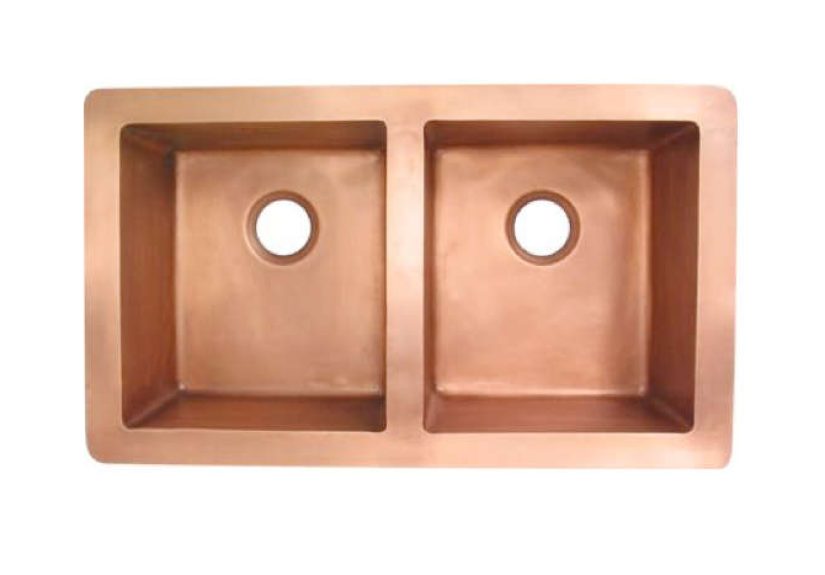
Let’s break down the jargon. A double bowl copper kitchen sink simply means there are two basins side by side. One can be used for
soaking or washing, and the other for rinsing, prepping vegetables, or holding drying racks. Some models split the bowls 50/50, others use a 60/40 or
70/30 configuration so one side is larger for big pots.
The term apron front (or farmhouse front) means the front panel of the sink is visible and drops down slightly past the edge of the
cabinets. Instead of a strip of countertop in front of the basin, your copper sink itself becomes that bold front face. A
smooth apron front means the front surface is flat and clean no hammered texture or decorative embossing for a sleek, modern, yet
still warm aesthetic.
Combine those elements and you get the star of today’s show: a double bowl copper farmhouse sink with a smooth apron front a blend
of practicality, old-world charm, and streamlined design.
Why Homeowners Love Copper Farmhouse Sinks
1. Standout Style and Warmth
Copper brings instant personality to a kitchen. While stainless steel sinks fade into the background, a smooth copper apron front is basically your
kitchen’s “main character.” The warm gleam pairs beautifully with white shaker cabinets, dark navy or forest-green bases, marble-look quartz, or even
butcher block countertops.
Because the apron front is fully exposed, it acts like a built-in design feature. In a neutral kitchen that might otherwise feel flat, a copper apron
sink adds depth, contrast, and a sense of custom craftsmanship. It can lean rustic farmhouse, modern industrial, or elevated traditional depending on
your surrounding finishes and hardware.
2. Natural Antimicrobial Properties
One underrated perk of a copper kitchen sink is its ability to naturally reduce bacteria on its surface. Copper has been shown to
disrupt bacterial cell membranes, which means harmful microbes don’t hang around as long on copper as they might on some other materials. This doesn’t
replace normal cleaning, but it’s a nice layer of built-in support for a busy kitchen that’s constantly dealing with raw meat, produce, and everyday
messes.
For families who cook a lot, a copper farmhouse sink offers both style and a more hygienic environment when paired with regular cleaning habits.
3. Durability and Longevity
A properly constructed copper sink is surprisingly tough. High-quality farmhouse sinks are usually made from thicker copper often
14-gauge metal, which is more resistant to dents and “tinny” noise than thinner 16-gauge options. Heavier gauge copper stands up
better to heavy pots, cast-iron cookware, and the occasional stack of dishes that “gently” lands in the basin (we’ve all been there).
Copper is also naturally resistant to rust and corrosion. With basic care, your double bowl copper sink can last for decades and age gracefully as the
finish gains character over time.
4. The Living Patina: It Changes with You
Copper has what’s called a living finish. Instead of staying the exact same color forever, it develops a patina that deepens and
shifts based on use, exposure to water, and contact with acidic foods or cleaners. That’s part of the charm you’re essentially getting a sink that
slowly tells the story of your kitchen life.
If you prefer a more stable look, you can minimize changes by drying the sink after use and occasionally applying a food-safe wax. If you love the
evolving, slightly rustic character, you can mostly just rinse and go.
Functional Perks of a Double Bowl Layout
1. Multitasking Made Easy
The double bowl configuration is a game changer for real-world kitchen tasks. Here’s how people typically use it:
- Soak grimy pans or baking sheets in one bowl while still having the other bowl free for quick hand washing.
- Use one side for food prep (rinsing vegetables, draining pasta) and the other for stacking dirty dishes out of the way.
- If you don’t have a dishwasher, you can keep the classic wash-and-rinse system: soapy water in one bowl, clear water in the other.
For busy cooks or large households, this layout helps keep chaos in check. Instead of everything landing in one big pile, the double bowl setup gives
you built-in zones.
2. Easier Ergonomics with an Apron Front
A farmhouse-style apron front pulls the sink closer to you by eliminating the strip of counter between you and the basin. That means you lean forward
less and put less strain on your back while washing dishes or prepping meals. It sounds minor, but if you’ve ever powered through a mountain of pots
after a holiday dinner, you know every inch counts.
The visible front also protects the cabinet face from water drips and splashes that might otherwise wear down paint or stain.
How to Choose the Right Double Bowl Copper Farmhouse Sink
1. Size and Cabinet Requirements
Most double bowl copper farmhouse sinks fall in the 33–36 inch range, though wider versions exist for large kitchens. Before falling
in love with a model, check:
- Cabinet width: Your base cabinet usually needs to match or exceed the sink width (for example, a 33-inch sink typically requires at
least a 33-inch cabinet). - Bowl configuration: A 50/50 split offers symmetry; 60/40 or 70/30 splits give one larger primary bowl and a smaller prep side.
- Depth: Many copper farmhouse sinks are 9–10 inches deep. Great for capacity, but consider your own height and whether you want a
super-deep basin.
2. Copper Thickness (Gauge)
Gauge numbers work in reverse: the lower the number, the thicker the metal. Look for:
- 14-gauge copper: Heavier, more durable, and quieter. Better at resisting dents and long-term wear.
- 16-gauge copper: Still common, often slightly more affordable, but may feel lighter and sound a bit more “ringy.”
If your budget allows, a thicker 14-gauge sink is usually worth the investment for a farmhouse-style copper apron sink that will be heavily used.
3. Finish and Color
Even with a smooth apron front, copper sinks come in different finishes:
- Polished or shiny copper – Bright and eye-catching, often seen in contemporary kitchens.
- Medium-brown patina – A warm, classic farmhouse look with a softer shine.
- Darker, aged patina – Deep, dramatic tones that hide water spots and blend well with darker cabinets.
Some finishes are intentionally pre-patinated and then sealed, while others are left more “alive” so they change over time. Make sure you know which
type you’re buying, so your expectations match reality.
4. Installation Style
Apron-front copper sinks can be:
- Farmhouse front-only – The apron is visible, the sink undermounts beneath the countertop.
- Flush-mount or drop-in apron – The rim sits on top of the counter, which can be a bit easier to retrofit.
Because copper is softer than stone, it’s usually best to have a professional handle the installation, especially if you’re cutting into existing
cabinets or countertops.
Day-to-Day Care and Maintenance
1. Simple Daily Cleaning
The good news: cleaning a copper sink is usually very straightforward. For everyday care:
- Rinse food debris away after use.
- Wash with mild dish soap, warm water, and a soft cloth or sponge.
- Avoid steel wool, abrasive pads, or harsh chemical cleaners that can scratch or strip the patina.
- Dry with a soft cloth if you want to reduce water spots or mineral marks.
Many manufacturers recommend avoiding bleach, strong acids, or products advertised as “heavy-duty” or “lime and rust removers” directly on copper.
These can cause uneven light spots or strip the protective top layer of patina.
2. Living with a Patina
Copper’s finish will naturally react to everyday life. Lemon juice, ketchup, and other acidic ingredients may temporarily lighten spots where they sit
for a while. Over time, the color usually re-blends on its own as the patina reforms.
If you love a more uniform look, you can:
- Rinse the sink promptly after contact with acidic foods.
- Apply a thin coat of food-safe wax recommended by the manufacturer to slow down color changes.
- Use a protective grid at the bottom to minimize scratching from heavy pots.
3. What Not to Do
A few simple “don’ts” will keep your smooth apron front copper sink in beautiful shape:
- Don’t use abrasive powders or scouring pads.
- Don’t pour harsh chemicals or drain openers directly into the bare metal.
- Don’t leave metal cans, cast-iron pans, or soggy steel wool sitting in the sink; they can cause stains or marks.
- Don’t rely on the dishwasher for copper cookware or mugs those are best washed by hand to preserve the finish.
Treat copper with a bit of respect and it will reward you with years of good looks.
Pros and Cons at a Glance
Advantages
- Striking, high-end appearance that becomes a focal point in the kitchen.
- Warm metallic tone that pairs well with many cabinet and countertop colors.
- Natural antimicrobial properties when cleaned regularly.
- Excellent durability, especially with thicker 14-gauge copper.
- Double bowl layout makes daily tasks more efficient and organized.
- Ergonomic apron front brings the work area closer to you.
Potential Drawbacks
- Higher upfront cost than many standard stainless or composite sinks.
- Needs gentle cleaners and some awareness to preserve the patina.
- Finish will evolve over time great if you like character, frustrating if you want a “frozen in time” look.
- Heavier weight and custom cabinetry support may increase installation costs.
Whether those cons are deal breakers depends on your expectations. If you’re dreaming of a statement sink that feels like a hand-crafted element,
copper is usually worth the extra attention.
Design Ideas for a Smooth Apron Front Copper Sink
Not sure how a smooth apron front copper sink will look in your kitchen? Here are a few design directions:
- Modern Farmhouse: White shaker cabinets, matte black pulls, light quartz countertops, and a smooth copper apron sink to warm up the
black-and-white palette. - Warm Minimalist: Flat-front oak or walnut cabinets, slim profile counters, concealed hardware, and a clean, unembellished copper
front to add subtle richness. - Bold Contrast: Deep navy or charcoal base cabinets with a smooth copper apron and matching copper or brass faucet for a dramatic,
high-contrast look. - Eclectic Vintage: Patterned cement tile, mixed metals, open shelving, and a copper farmhouse sink that looks like it’s been part of
the house for decades (in the best way).
Because copper plays well with black, white, wood, and stone, it’s surprisingly flexible it just insists on being noticed.
Real-Life Experiences with a Double Bowl Copper Kitchen Sink
Reading specs is one thing; imagining daily life with a copper farmhouse sink is another. Here’s how the experience typically plays out once the
excitement of installation settles and the dishwashing begins.
Living with the Double Bowls
The first change most people notice is how organized their sink suddenly feels. One side becomes the “working” bowl rinsing vegetables, filling pots,
draining pasta while the other quietly collects dishes, cutting boards, and utensils waiting for a wash. Instead of a chaotic mound in one big basin,
there’s a sense of flow: prep, cook, soak, rinse.
If you host often, the double bowl layout really shines. During a party, you can keep one bowl free for guests to quickly rinse glasses or hands, while
the other takes the brunt of serving platters and cookware. It feels less like you’re stuck at the sink and more like you’re working from a well-designed
station.
The “Wow” Factor (That Never Quite Wears Off)
A smooth apron front copper sink becomes the thing visitors comment on. People will walk into your kitchen and say, “Oh wow, that sink!” long before
they ask about your backsplash or light fixtures. It adds a custom, boutique-kitchen vibe even if the rest of your finishes are simple and budget-friendly.
Over time, as the copper shifts from brighter tones to deeper, richer shades, you’ll start to appreciate that living finish. Tiny color variations appear
where water flows most often, around the drains, and along the apron where the occasional splash dries. Instead of looking worn out, the sink tends to
look intentionally aged, a bit like a well-loved leather jacket.
Cleaning Reality: Surprisingly Manageable
Most owners find the cleaning routine easier than they expected. Once you accept that copper is not supposed to look like a polished mirror every second
of the day, you relax. A quick rinse after use, a pass with a soft sponge and mild dish soap, and an occasional wipe-down with a towel are usually
enough for day-to-day maintenance.
You will notice certain “learning curves” along the way: leave a lemon wedge or ketchup blob in the sink overnight, and you might wake up to a brighter
spot where the acid temporarily lightened the patina. The good news is that these spots typically mellow out and blend back in over time. Many people
eventually stop chasing perfection and start seeing these little marks as part of the sink’s personality.
How It Changes Your Cooking Routine
It sounds dramatic, but a great sink really can change how you work in the kitchen. The deeper bowls and apron-front ergonomics make it easier to handle
oversized items sheet pans, stock pots, roasting trays without splashing water everywhere. You can fully submerge big pieces of cookware, soak them
comfortably, and still have room in the second bowl for everyday tasks.
If you’re someone who meal-preps on Sundays or cooks big family dinners, that extra capacity and the dual-bowl layout can shave down cleanup time and
frustration. It’s the difference between wrestling a roasting pan diagonally under a tiny faucet and calmly setting it into a spacious basin that was
clearly built for the job.
Long-Term Satisfaction
After a few months, most people stop noticing the sink as a “new feature” and start experiencing it as part of the kitchen’s identity. It quietly supports
your routine while still delivering small moments of joy like when late-afternoon light hits the copper and the whole apron front glows.
The small trade-offs wiping it down, treating it kindly, accepting that the finish evolves become part of the ritual of caring for your space. If you
enjoy design, cooking, and thoughtful details, a double bowl copper kitchen sink with a smooth apron front doesn’t feel like a fragile
luxury item. It feels like a hardworking centerpiece that just happens to be beautiful.
Is a Double Bowl Copper Kitchen Sink with Smooth Apron Front Right for You?
If you want a sink that quietly blends into the background, copper probably isn’t it. But if you’re looking for:
- A statement piece that upgrades your whole kitchen’s vibe
- A practical double bowl layout for multitasking and serious cooking
- A durable, long-lasting material with natural antimicrobial benefits
- A finish that develops character and tells a story over time
…then a double bowl copper farmhouse sink with a smooth apron front is absolutely worth considering. It’s an investment in both form and function one
that can make everyday chores a bit more enjoyable and your kitchen feel a lot more special.
Treat it well, embrace its evolving patina, and your copper apron sink will likely become one of your favorite things in the house right up there with
your coffee maker and your secret snack drawer.