Table of Contents >> Show >> Hide
- COPD in 60 seconds (no medical degree required)
- Early signs and symptoms of COPD (the “my lungs are side-eyeing me” list)
- 1) A chronic cough that won’t retire
- 2) More mucus (phlegm) than seems reasonable
- 3) Shortness of breath that’s “new,” “more,” or “earlier than before”
- 4) Wheezing (the “kazoo lungs” effect)
- 5) Chest tightness or heaviness
- 6) Fatigue that doesn’t match your day
- 7) Frequent “bronchitis,” colds that linger, or more chest infections
- Other symptoms that can appear as COPD progresses
- Why COPD is often missed early (and why that matters)
- Who should be extra alert (COPD risk factors)
- When to see a doctor (and what to say so you’re taken seriously)
- When COPD symptoms are an emergency
- What to expect at the doctor (COPD testing without the mystery)
- If it is COPD: what helps (and what helps fast)
- COPD flare-ups: early warning signs and when to call
- A quick reality check: is it COPD, a cold, or “I’m out of shape”?
- Conclusion
- Experiences: what people commonly notice (and what they wish they’d done sooner)
Let’s talk about COPDa condition that can sneak up on you like a “harmless” group text that turns into 137 notifications. The early signs can be subtle: a cough you chalk up to “allergies,” breathlessness you blame on “getting older,” or a wheeze you assume is just your lungs trying out jazz.
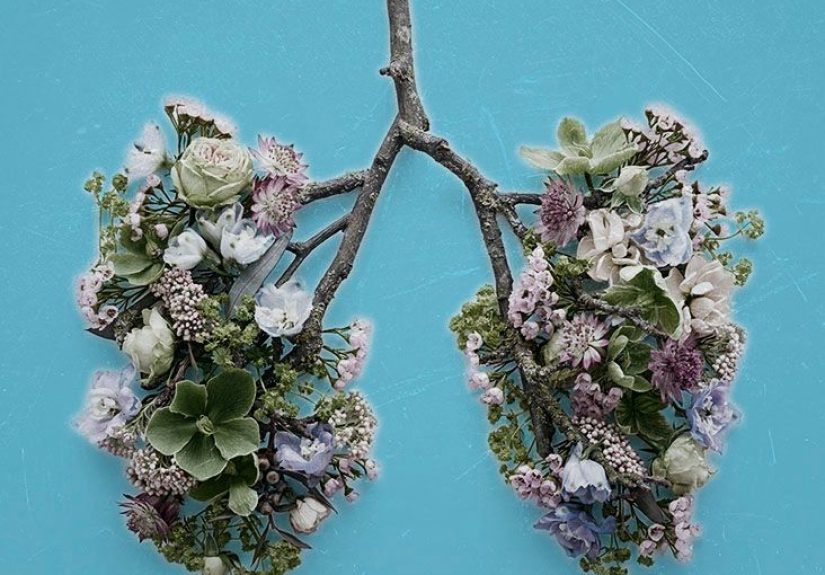
Chronic obstructive pulmonary disease (COPD) is a progressive lung disease that makes it harder to move air in and out of your lungs. The trickiest part? It often develops slowly, and many people adapt without realizing ittaking the elevator more, walking a little slower, skipping activities they used to enjoy. This article breaks down the early COPD symptoms, why they’re easy to miss, and when to see a doctor (including the “don’t wait, go now” red flags).
Important note: This is educational content, not a diagnosis. If you’re worried about your breathing or symptoms, a clinician can help you sort out what’s going on.
COPD in 60 seconds (no medical degree required)
COPD isn’t one single disease. It’s an umbrella termmost commonly including chronic bronchitis (inflamed airways with extra mucus) and emphysema (damage to the air sacs that help exchange oxygen). The result is airflow obstruction: you can’t move air as efficiently, and it can feel like breathing takes more effort than it should.
Smoking is the leading cause in the U.S., but it’s not the only one. Long-term exposure to secondhand smoke, workplace dust/chemicals, and air pollution can contribute too. Some people also have a genetic risk factor (like alpha-1 antitrypsin deficiency) that can raise the odds of developing COPD earlier in life.
Early signs and symptoms of COPD (the “my lungs are side-eyeing me” list)
COPD symptoms often start mild. You may have only one or two of these at first, and they can come and go. The goal is to notice patternsespecially symptoms that persist, gradually worsen, or show up with less and less activity.
1) A chronic cough that won’t retire
Yes, plenty of things cause coughs. But a cough that sticks aroundespecially a daily or near-daily coughcan be an early sign of COPD. People often label it a “smoker’s cough” and move on. Unfortunately, your lungs do not accept that explanation as payment.
Clue it might be more than a random cough: it lasts for weeks to months, shows up most days, and gradually becomes your “normal.”
2) More mucus (phlegm) than seems reasonable
Extra mucus productionespecially if you’re coughing it up most dayscan be another early warning sign. Your airways can get irritated and inflamed, which ramps up mucus as a protective response. The problem is, excess mucus can clog airways and make breathing feel heavier.
Watch for: coughing up mucus regularly, needing to clear your throat often, or noticing changes in the amount you bring up over time.
3) Shortness of breath that’s “new,” “more,” or “earlier than before”
Early on, breathlessness may only show up with exertion: climbing stairs, carrying groceries, walking uphill, mowing the lawn. Over time, you might get winded doing everyday tasks that used to be easy.
One sneaky pattern is activity shrinkage: you do less, so you feel less short of breath… because you’re not doing the things that triggered it. That’s not “improvement.” That’s your life quietly getting smaller.
4) Wheezing (the “kazoo lungs” effect)
Wheezing is a whistling sound when you breathe, often caused by narrowed airways. Many people associate wheezing with asthma only, but COPD can also cause it. If you’re hearing musical notes while doing absolutely no musical activities, it’s worth paying attention.
5) Chest tightness or heaviness
Some people describe it as pressure, tightness, or a sense they can’t take a satisfying deep breath. Chest tightness can have multiple causessome seriousso don’t ignore it, especially if it’s new or worsening.
6) Fatigue that doesn’t match your day
Breathing is supposed to be automatic. When it becomes harder work, your body pays for it. People with early COPD may notice they feel unusually tiredparticularly after physical activity that used to be routine.
7) Frequent “bronchitis,” colds that linger, or more chest infections
Repeated respiratory infections (or infections that hit harder and last longer) can show up in COPD because inflamed, mucus-filled airways are a friendlier environment for trouble. If you’re collecting antibiotic prescriptions like loyalty points, talk with a clinician.
Other symptoms that can appear as COPD progresses
- Unintentional weight loss (more common later)
- Swelling in ankles/feet/legs
- Morning headaches or dizziness (can be related to breathing/gas exchange issues, among other causes)
- Anxiety or low mood (living with chronic breathlessness can do that)
Why COPD is often missed early (and why that matters)
COPD can develop slowly. Symptoms can be mild, and people are masters of adaptation: fewer walks, more sitting, less carrying, more “I’ll do it tomorrow.” Research also notes that relying on symptoms alone can delay diagnosismany people aren’t diagnosed until airflow obstruction is more advanced.
The payoff for catching COPD early is real: you can address risk factors sooner (especially smoking), start symptom-relieving treatments, improve exercise tolerance, and reduce the risk of flare-ups that can accelerate lung decline.
Who should be extra alert (COPD risk factors)
You should take early symptoms seriously if you have any of these risk factors:
- Current or former smoking (even if you quit years ago)
- Secondhand smoke exposure
- Workplace exposure to dust, fumes, chemicals, or smoke (construction, mining, manufacturing, farming, welding, and more)
- Long-term exposure to indoor/outdoor air pollution
- History of asthma or chronic respiratory symptoms
- Family history of COPD or known genetic risk (like alpha-1)
- Age over 40 (COPD becomes more common as we get older, but it can appear earlier)
When to see a doctor (and what to say so you’re taken seriously)
If you notice possible early COPD symptoms, don’t wait until you’re “really bad.” Make an appointment if you have:
- A cough most days for more than a few weeks
- Regular mucus/phlegm production
- Wheezing, chest tightness, or frequent chest infections
- Shortness of breath with everyday activities (especially if it’s new or worsening)
- A noticeable drop in stamina (you’re doing less because you feel you can’t do more)
How to describe symptoms in a way that helps your clinician
Try a simple, specific script (no dramatic monologue required):
- Timeline: “This started about ___ months ago.”
- Triggers: “Stairs, carrying groceries, and cold air make it worse.”
- Changes: “I used to walk 20 minutes without stoppingnow I stop twice.”
- Mucus details: “I cough up mucus most mornings; it’s usually clear, sometimes yellow.”
- Infections: “I’ve had bronchitis/pneumonia ___ times this year.”
- Exposure history: smoking, secondhand smoke, occupational dust/chemicals.
If you’re a former smoker, still get checked
A common myth is: “I quit, so my lungs are fine.” Quitting is one of the best things you can do, but past exposure can still leave long-term effects. If symptoms show up, it’s worth evaluating.
When COPD symptoms are an emergency
Some symptoms mean you should seek urgent care or call 911 right away. Don’t try to “tough it out” or “sleep it off” if you have:
- Severe shortness of breath or you’re struggling to catch your breath
- Difficulty talking because you can’t get enough air
- Blue or gray lips/fingernails (a sign of low oxygen)
- Confusion, extreme sleepiness, or not being mentally alert
- Very fast heartbeat along with breathing distress
- Chest pain, coughing up blood, or symptoms that rapidly worsen
- Your usual treatment isn’t working (for people already diagnosed)
If you’re ever unsure, err on the side of getting help. Breathing problems are not a “wait and see” hobby.
What to expect at the doctor (COPD testing without the mystery)
Diagnosing COPD is not based on vibes. The cornerstone test is spirometry, which measures how much air you can blow out and how quickly. It helps confirm airflow limitation and can also help gauge severity.
Spirometry: the key COPD test
You’ll take a deep breath and blow out hard into a device. Many clinics also repeat the test after a bronchodilator (a medication that opens airways) to see how reversible the obstruction is. This matters because asthma and COPD can overlap, and treatments can differ.
Other tests your clinician may use
- Chest X-ray (often to rule out other problems; it can’t confirm COPD by itself)
- CT scan (may help identify emphysema patterns or other lung issues)
- Pulse oximetry or arterial blood gas in some cases to assess oxygen/carbon dioxide exchange
- Alpha-1 antitrypsin testing in appropriate patients (especially if COPD is early-onset or there’s a family history)
- Additional pulmonary function tests if the diagnosis isn’t straightforward
“Is it COPD or something else?”
Symptoms like cough and breathlessness can come from asthma, heart disease, anemia, reflux, anxiety, deconditioning, and more. A good evaluation is less like “pick a label” and more like “let’s prove what’s happening and treat it.” That’s why testing matters.
If it is COPD: what helps (and what helps fast)
COPD isn’t curable, but it is treatable. Early treatment can improve daily function and reduce flare-ups. A typical plan can include:
Stop smoking (yes, it’s the big one)
If you smoke, quitting is the single most powerful step to slow COPD progression. If you already quit: high five, keep going. If you’re trying to quit: ask about counseling, nicotine replacement, or medicationssupport increases success rates.
Medications to open airways and calm inflammation
Common COPD medications include bronchodilators (to relax airway muscles) and sometimes inhaled corticosteroids for specific patients (often based on symptoms and flare-up history). The right mix depends on your spirometry results, symptom burden, and exacerbation risk.
Pulmonary rehabilitation (the underrated MVP)
Pulmonary rehab combines supervised exercise, breathing techniques, education, and coaching. It can improve exercise tolerance and quality of lifeespecially for people who’ve started avoiding activity because it feels scary to get winded.
Vaccines and infection prevention
Respiratory infections can trigger COPD flare-ups. Staying current on vaccines (like flu, COVID-19, and pneumococcal, as recommended by your clinician) can reduce risk.
Breathing strategies that actually work
- Pursed-lip breathing: inhale through your nose, exhale slowly through pursed lips (like blowing out a candle gently). This can help keep airways open longer.
- Pacing: break tasks into chunks. You’re not lazy; you’re strategic.
- Positioning: leaning forward with forearms supported can ease breathing for some people.
COPD flare-ups: early warning signs and when to call
A COPD exacerbation (flare-up) is a sudden worsening of symptomsoften triggered by infections or irritants like smoke or poor air quality. Catching it early can make it less severe.
Common early warning signs of a flare-up
- Breathlessness that’s worse than your usual baseline
- More coughing or wheezing than normal
- More mucusor mucus that changes color/thickness
- Fever, chills, or “coming down with something” symptoms
- Fatigue that spikes, sleep that tanks, anxiety that ramps up
If you have COPD and notice your symptoms worsening suddenly, call your healthcare provider promptlyespecially if you’ve been given an action plan for flare-ups.
A quick reality check: is it COPD, a cold, or “I’m out of shape”?
Only testing can confirm COPD, but these patterns can guide your next step:
- Cold/viral infection: symptoms peak then improve over days to a couple weeks; cough may linger but trends better.
- Allergies: seasonal pattern, itchy eyes/nose, clear mucus, often improves with allergen avoidance or meds.
- Asthma: symptoms can vary widely day to day, may improve significantly with bronchodilators; often starts earlier in life but not always.
- COPD: symptoms often creep up gradually, especially cough + mucus + exertional breathlessness, and tend to worsen over time.
- Deconditioning: you get winded with exertion but usually don’t have chronic cough/mucus; still, it can overlap with other issues.
Bottom line: if you’ve got persistent symptomsespecially with risk factorsget evaluated. It’s not “overreacting.” It’s maintenance. Like changing the oil before the engine starts making interpretive dance noises.
Conclusion
The early symptoms of COPD can look ordinaryuntil they aren’t. A chronic cough, extra mucus, wheezing, and breathlessness with everyday activity deserve attention, especially if you’ve smoked or had long-term exposure to lung irritants. The sooner COPD is recognized, the sooner you can take steps that protect your lungs and your lifestyle.
If you’re noticing changes, schedule a visit and ask about spirometry. If you’re experiencing severe breathing trouble, blue/gray lips, confusion, or you can’t speak due to shortness of breath, seek emergency care immediately.
Experiences: what people commonly notice (and what they wish they’d done sooner)
First, a quick clarification: the stories below are illustrative compositespatterns clinicians hear oftenso you can recognize common “early COPD” experiences without needing a neon sign from your lungs.
The “stairs got steeper” moment
A lot of people don’t start with a dramatic breathing crisis. It’s smaller: the stairs to the second floor feel like they’ve been quietly renovated into a mountain. You notice you’re pausing at the landingjust for a secondbecause you’re “checking your phone.” (You are not checking your phone. You are negotiating with oxygen.)
What’s tricky is how normal it can feel at first. You chalk it up to weight gain, stress, a busy season, or “I’m just not as young as I used to be.” The turning point is usually when everyday taskslaundry, showering, carrying groceriesstart requiring breaks that didn’t used to exist. People often say, “I can still do it…I just do it slower.” That slow-down is a clue worth discussing.
The “it’s just a smoker’s cough” trap
Another common experience is the cough that becomes part of the morning routine. At first it’s occasional. Then it’s most mornings. Then it’s “basically whenever I wake up, laugh, talk too long, or breathe air.” If mucus shows up regularly, people may normalize itespecially if they’ve smoked or worked around dust and fumes.
What people often wish they’d tracked: frequency and duration. Not every cough is COPD. But a cough that persists and gradually worsens deserves testingbecause treatment and risk-factor changes can matter more earlier than later.
The “weird wheeze” that sounds like a tiny harmonica
Some people notice a faint wheeze when they lie down, when the weather changes, or after walking fast. They assume it’s allergies or a leftover cold. Sometimes it is. But if wheezing keeps returningespecially with breathlessness or chronic coughit’s worth an evaluation. A recurring wheeze is your airways’ way of saying, “I’m narrowed, and I’d like to file a complaint.”
The “I stopped doing things without realizing it” pattern
Perhaps the most universal experience is unintentional activity avoidance. People stop taking long routes in stores, stop walking with friends who “walk too fast,” stop playing with grandkids on the floor because getting up is hard, or avoid travel because hauling luggage is exhausting.
This is a big deal because it creates a loop: less activity leads to deconditioning, and deconditioning makes breathlessness worse. The result can feel like your body is betraying you, when actually it’s a predictable chain reaction. Pulmonary rehab and a smart exercise plan can help break that cycleespecially if started early.
The “I didn’t want to bother the doctor” regret
Many people delay care because they don’t want to seem dramatic. But breathing symptoms are not a vanity issuethey’re a function issue. People often say they wish they had gone in when symptoms first changed, not when they became disruptive.
A practical tip that comes up again and again: keep a simple two-week note on your phonewhat activity triggered symptoms, how long it took to recover, and whether you had cough/mucus/wheeze. Bringing concrete examples to an appointment often speeds up the path to the right test (like spirometry) and the right plan.
The “flare-up taught me the rules” lesson
For those already diagnosed (or close to diagnosis), many describe a flare-up as the moment they realized COPD isn’t just “bad breathing days.” A cold turns into a chest infection. Mucus changes color or gets thicker. Breathing becomes noticeably harder than baseline. Sleep gets worse. Anxiety spikes because it’s scary to feel air-hungry.
The experience many people share is that acting earlycalling when symptoms first worsencan keep flare-ups from becoming hospital-level events. That’s why clinicians often emphasize having an action plan and knowing your personal early warning signs.
If any of these experiences sound familiar, the best next step is simple: talk to a clinician and ask whether spirometry is appropriate. You don’t need to prove you’re “sick enough” to deserve care. You just need to be honest about what’s changed.