Table of Contents >> Show >> Hide
- What Is the Ebb Coffee Filter #2?
- Why “#2” Matters (and Why It’s Not a Secret Menu Item)
- Cloth vs. Paper vs. Metal: What Actually Changes in the Cup?
- How to Brew with an Ebb Coffee Filter #2 (Without Turning It into a Science Fair)
- Care and Cleaning: The Make-or-Break Part of Cloth Filters
- Sustainability: Where the Ebb #2 Tries to Earn Its Keep
- Who the Ebb Coffee Filter #2 Is For (and Who Should Stick to Paper)
- Common Issues and Fixes (Because Coffee Gear Always Has “A Thing”)
- FAQ
- Experiences: What Brewing with the Ebb Coffee Filter #2 Feels Like Over Time (About )
- Conclusion
If you’ve ever stared at a stack of paper coffee filters and thought, “So… we’re just going to keep buying tiny cones forever?”you’re exactly the kind of person
the Ebb Coffee Filter #2 was made for. This little cloth cone is basically the “buy it once, brew it a bunch” answer to the daily paper-filter habit,
and it’s designed to fit brewers that take No. 2 cone filters.
But it’s not just a sustainability flex. Cloth filtration changes how your coffee tastes, how your pour-over behaves, and how your morning routine feels. (Yes,
your coffee routine has feelings. Mostly before caffeine.) Let’s break down what the Ebb #2 is, how it performs, how to brew with it, and how to keep it fresh
so your cup tastes like coffeenot “mystery drawer towel.”
What Is the Ebb Coffee Filter #2?
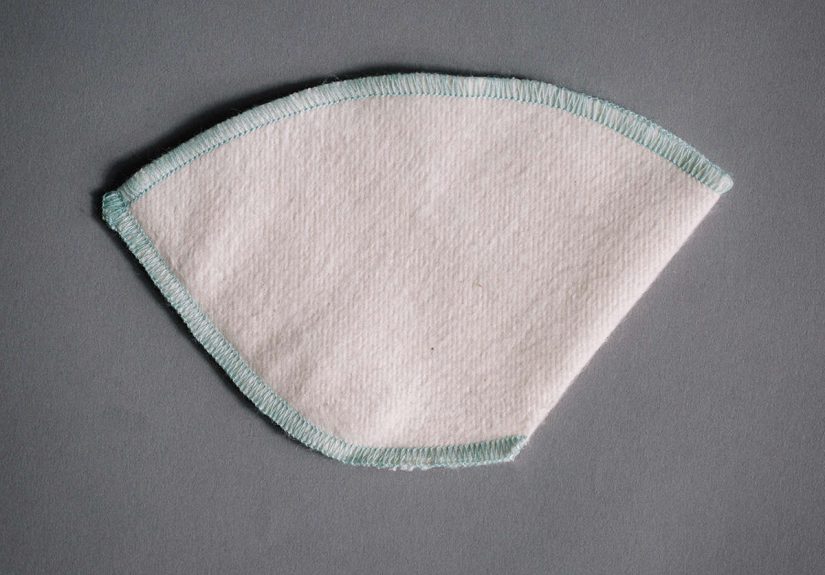
The Ebb Coffee Filter #2 is a reusable, organic-cotton cloth coffee filter shaped like a classic cone. It’s made for brewers that normally
use No. 2 paper filters (the smaller cone size often used for 1–2 cup pour-overs and some compact drip machines). Unlike stainless steel mesh filters,
the Ebb uses a tightly woven cotton fabric designed to filter coffee cleanly while still letting some of coffee’s aromatic oils through.
Ebb filters are known for being made with U.S.-grown organic cotton and for a “seed to cup” supply chain story that’s unusually detailed for a coffee accessory.
Depending on the retailer listing and production run, you’ll often see an estimated lifespan around 90–120 brews (or “over 100 uses” as a simpler shorthand).
When it’s finally done, it’s positioned as a compostable, end-of-life-friendly optionespecially compared with plastic-heavy or synthetic reusable filters.
Why “#2” Matters (and Why It’s Not a Secret Menu Item)
“#2” refers to the cone filter size, not a mysterious ranking system. (No, there isn’t an Ebb #1 that’s “more elite.” Coffee gear would absolutely do that,
but this is just sizing.) A No. 2 cone is commonly used for small-batch brewingthink 1–2 mugs at a time.
Typical No. 2 filter use-cases
- Small pour-over drippers designed around No. 2 cone papers
- Bee House / Beehouse-style ceramic drippers and similar “#2 cone” brewers
- Compact electric cone coffee makers that brew roughly 2–6 cups
Translation: if your brewer’s box (or your usual paper filters) say “#2 cone,” the Ebb #2 is aiming at your setup.
Cloth vs. Paper vs. Metal: What Actually Changes in the Cup?
Coffee filters aren’t just “a thing that holds grounds.” The filter is a flavor gatekeeper. Change the gatekeeper, and your coffee will act differentsometimes subtly,
sometimes like it joined a new band.
1) Flavor clarity and body
In broad strokes:
- Paper filters tend to produce a very clean, bright cup by trapping more oils and fine sediment.
- Metal filters usually let more oils and micro-fines through, which can create a heavier body but can also drift into “silty” if your grind or pour is off.
- Cloth filters often land in a sweet spot: fuller mouthfeel than paper, with less sediment than metal.
Many people describe a good cloth-filter cup as “clean but round,” with a softer edge and a richer mid-palateespecially on medium roasts and chocolatey profiles.
With lighter roasts, cloth can still deliver clarity, but it may present aromas differently than paper (less sharp, more “cozy”).
2) Flow rate and extraction behavior
Cloth filters can brew faster or slower depending on the fabric, how seasoned the filter is, and how much coffee oil has built up. New cloth often needs a quick prep
(more on that below). Once dialed in, cloth can give you a satisfying, consistent flowbut it’s more sensitive to cleaning habits than paper.
Practical takeaway: if your brew runs slower than paper, you may need a slightly coarser grind or gentler pours. If it runs faster, you can often grind a bit
finer while keeping brew time in your target range.
3) A quick health side-note about oils (not medical advice)
Coffee naturally contains oily compounds (including diterpenes like cafestol) that are more present in “unfiltered” styles such as French press or boiled coffee.
Research has found that paper filters can trap a meaningful portion of these compounds compared with unfiltered methods. Cloth sits somewhere between:
it’s a filter, but it isn’t identical to paper in what it retains.
If cholesterol is a concern for you personally, it’s worth discussing coffee preparation with a clinician. For most people, this is simply an interesting reminder that
the filter you choose can affect more than flavor.
How to Brew with an Ebb Coffee Filter #2 (Without Turning It into a Science Fair)
Brewing with the Ebb #2 is intentionally familiar: it’s shaped like a paper cone, and it’s meant to “just work” in No. 2 brewers. The main differences are
prep, pour technique, and post-brew care.
Step 0: Prep (first use or “new filter day”)
New cloth can carry a mild “fabric” aroma. Many brew guides for cloth filtration recommend a quick boil/soak step to remove residual manufacturing scents and to
help the filter start its life tasting like coffee, not cotton.
- Boil water and submerge the filter for a few minutes.
- Rinse thoroughly with hot water.
- Wring gently and let it air dry (or brew right away after rinsing).
Recipe: One big mug (simple pour-over)
Target: 300g water, 18g coffee (about 1:16.7) for a balanced cup.
- Rinse & warm: Rinse the Ebb filter with hot water to warm it and remove any stale aromas.
- Add coffee: Use a medium grind to start (slightly coarser than some paper pour-over recipes).
- Bloom: Pour ~45g water, stir or swirl gently, wait 30–45 seconds.
- Main pours: Pour in slow spirals up to 300g total, aiming to finish pouring by ~2:00–2:15.
- Drawdown: Total brew time often lands around 2:45–3:30, depending on grinder and coffee.
Recipe: Two cups (small batch)
Target: 500g water, 30g coffee (about 1:16.7).
- Bloom with ~60–70g water for 45 seconds.
- Pour in 2–3 stages (e.g., to 250g, then 400g, then 500g), keeping the bed from drying out.
- Aim for a steady drawdown; if it stalls, reduce fines (slightly coarser grind) or pour more gently.
Dialing in by roast level
- Light roast: Try a slightly hotter brew and a touch finer grind if the cup tastes thin or sour.
- Medium roast: Cloth often shines hereexpect sweetness and a rounded body.
- Dark roast: Consider a coarser grind and gentler pours to avoid bitterness; cloth can emphasize heavier notes if over-extracted.
Care and Cleaning: The Make-or-Break Part of Cloth Filters
With paper filters, cleanup is a dramatic one-act play: “dump, toss, done.” Cloth is more like a sitcom: low effort, but it’s recurring.
The good news: it doesn’t have to be complicated.
Daily routine (the “keep it tasty” minimum)
- Knock out grounds into compost/trash as soon as you can.
- Rinse thoroughly with warm/hot water until it runs clear.
- Store smart: Many cloth-filter routines recommend storing the filter wet in clean water in the refrigerator between uses to reduce odor and microbial funk.
Weekly-ish deep clean (especially if flavors get “flat”)
- Hot soak: Soak in hot water and rinse extremely well.
- Occasional boil: A brief boil can refresh the filter and reduce lingering aromas.
- Avoid perfume-y soap unless the maker says it’s okay: Some cloth systems allow mild soap, but many cloth coffee routines warn that soap residue can haunt your cup.
The best rule is boring but true: follow the care instructions that come with the filter. Cloth filter guidance varies because fabrics vary.
If your filter starts tasting “papery,” “stale,” or vaguely like the inside of a gym bag, that’s your sign to deep clean and rinse like you mean it.
Sustainability: Where the Ebb #2 Tries to Earn Its Keep
Reusable filters are often pitched as eco-friendly, but the details matter. The Ebb Coffee Filter #2 is frequently described with a few sustainability angles:
- Reusable lifespan: often estimated around 90–120 brews (or “100+ uses”).
- Material choice: organic cotton rather than synthetic mesh.
- End-of-life: positioned as compostable/biodegradable when worn out.
- Packaging: commonly described as recyclable/biodegradable and minimal compared with many kitchen accessories.
The honest nuance: “more sustainable” depends on your routine. If you buy a reusable filter and then stop using it because cleanup annoys you, the planet doesn’t get
your good intentionsonly your abandoned gear drawer. Cloth works best when it becomes part of your normal rhythm.
Who the Ebb Coffee Filter #2 Is For (and Who Should Stick to Paper)
You’ll probably love it if you…
- brew 1–2 cups a day and want to cut down on paper waste
- like a cup that’s clean but with a bit more body than paper
- don’t mind a quick rinse-and-store routine
- enjoy dialing in brew variables (just a little)
You might want to pass if you…
- want truly zero-maintenance cleanup
- are very sensitive to any sediment and only love ultra-crisp paper-filter clarity
- hate the idea of storing a wet filter in the fridge (valid; it’s a vibe)
- travel constantly and won’t be able to keep a consistent cleaning routine
Common Issues and Fixes (Because Coffee Gear Always Has “A Thing”)
Problem: Brew stalls or takes forever
- Cause: grind too fine, too many fines, or a filter that’s loaded with oils
- Fix: grind a bit coarser, pour more gently, and deep clean the filter
Problem: Cup tastes dull or “muted”
- Cause: old oils in the cloth or under-extraction
- Fix: refresh with a boil/soak + thorough rinse; then try a slightly finer grind or a longer bloom
Problem: “Towel” or “fridge” smell
- Cause: storing damp without clean water changes, or letting grounds sit too long
- Fix: rinse immediately after brewing; store in clean water in the fridge and change the water regularly; deep clean when needed
Problem: Sediment in the cup
- Cause: too many fines or aggressive pouring that disturbs the bed
- Fix: adjust grinder, reduce agitation, and consider a slightly coarser setting
FAQ
Does the Ebb Coffee Filter #2 fit my brewer?
If your brewer uses No. 2 cone paper filters, it’s a strong match. If you’re unsure, check your usual paper filter box:
if it says “#2 cone,” you’re in the right neighborhood.
Will it taste like paper filters?
Expect similar clarity but often a rounder body than paper. If you love super-bright, razor-sharp cups (especially with light roasts),
paper may still be your “forever filter.” Cloth tends to be a little warmer and smoother in presentation.
How long does it last?
Many listings estimate roughly 90–120 uses (or 100+ brews) depending on care. Grinding very fine, brewing oily dark roasts, and skipping deep cleans can shorten lifespan.
Is it messy?
It’s not messy so much as… honest. Cloth reminds you that coffee grounds exist. You’ll rinse it, you’ll wring it, and you’ll become mildly judgmental of people
who say “I don’t have time” while scrolling for 12 minutes. (Kidding. Mostly.)
Experiences: What Brewing with the Ebb Coffee Filter #2 Feels Like Over Time (About )
A lot of people’s first experience with a cloth coffee filter goes something like this: excitement, curiosity, a tiny bit of skepticism, and thenafter the first brew
surprise at how “normal” it is. The Ebb #2 doesn’t require a new brewer, a new ritual, or a barista certification. The learning curve is less about technique and more
about habit.
Week 1: The “seasoning” phase. Early brews often taste slightly different as the cloth settles in. A quick boil and thorough rinse before the first use
usually prevents any fabric-y notes, but the bigger change is flow. With paper, you can get away with a chaotic pour and still land a decent cup. With cloth, you start
noticing how your pour affects drawdown: a heavy, aggressive pour can push fines into the fabric and slow everything down. Most home brewers naturally adapt by pouring
a little more gently and paying attention to grind consistency.
Week 2: The “oh, that’s why people like cloth” phase. Once the routine clicks, the cup tends to become more predictable. Many brewers report a texture
they didn’t get from papersomething like a slightly creamier mouthfeel, especially with medium roasts or coffees that lean chocolate, caramel, toasted nuts, or stone fruit.
It’s not muddy like a badly dialed metal filter; it’s more like the coffee has a little extra “shoulder” to lean on. If you’re used to super crisp paper-filter clarity,
this can feel like the coffee got a cozy sweater. If you love body, it can feel like a small upgrade without changing beans or brewer.
Week 3: The “maintenance reality check.” Cloth is forgiving until it isn’t. Skip rinsing a few times, let grounds sit too long, or store the filter
damp without a clean-water routine, and your coffee will politely complain. The first sign is usually aroma: a faint stale smell or a cup that tastes flatter than it should.
The fix is almost always the same: deep clean, rinse extremely well, then brew again. It’s a nice reminder that great coffee is less about having fancy gear and more about
not letting yesterday’s coffee oil move in rent-free.
Week 4 and beyond: The “this is just my normal now” phase. For people who stick with it, the Ebb #2 becomes part of the kitchen rhythm: brew, knock out,
rinse, store. It’s fastusually under a minute of hands-on cleanup. The biggest long-term perk is consistency: once you know your grind setting and your pour style,
the filter becomes a stable variable. That stability makes it easier to taste differences between coffees, adjust recipes intentionally, and avoid the “why does my coffee
taste different every day?” mystery.
If you want a reusable filter that behaves closer to paper than metaland you don’t mind a tiny bit of carethis is the kind of tool that can quietly improve your mornings.
Not in a “life-changing” way. More like a “my coffee tastes great and my trash can is less full” way. Which, honestly, is the level of personal growth most of us can commit to before breakfast.
Conclusion
The Ebb Coffee Filter #2 is a smart pick for anyone brewing with a No. 2 cone and looking to reduce paper waste without jumping all the way
into metal-filter territory. Cloth filtration can deliver a cup that’s clean yet round, with a satisfying body and fewer fines than many mesh alternatives. The main “cost”
isn’t moneyit’s consistency: rinse it, store it properly, refresh it when flavors drift, and it’ll reward you with dependable brews and a lighter footprint.