Table of Contents >> Show >> Hide
- Table of Contents
- The Ranking (and the short version)
- How This Ranking Works
- #3: Once Upon a Time in Mexico (2003)
- #2: Desperado (1995)
- #1: El Mariachi (1992)
- Who Wins Which Category?
- Best Watch Order (and who should start where)
- Experience Add-On (): Watching the El Mariachi Franchise in the Real World
- Conclusion
Robert Rodriguez’s El Mariachi franchise (often called the Mexico Trilogy) is the rare series that can be
used as both a film-school case study and a crowd-pleasing action binge. One minute you’re admiring scrappy DIY filmmaking,
the next you’re watching a guitar case serve as the most suspiciously multifunctional piece of luggage in cinema history.
This post ranks the trilogyEl Mariachi, Desperado, and Once Upon a Time in Mexicoand then argues with itself a little,
because that’s the honest way to talk about a franchise where “best” depends on whether you value innovation,
emotional punch, or maximum style per minute.
The Ranking (and the short version)
Here’s my El Mariachi trilogy ranked, with the quickest possible “why”:
- #1: El Mariachi (1992) the purest shot of ingenuity and momentum; it’s the franchise’s “how is this even possible?” miracle.
- #2: Desperado (1995) the most rewatchable crowd-pleaser; swagger, sound, and set pieces that understand the assignment.
-
#3: Once Upon a Time in Mexico (2003) ambitious, wild, and often a blast, but it can feel like the trilogy’s loudest party guest who
tells three stories at once.
If your personal order is different, congratulations: you are correct in an alternate timeline (and possibly even in this one).
How This Ranking Works
Franchise rankings can turn into “my vibes vs. your vibes” in about nine seconds, so here are the criteria I’m using. Each film gets judged on:
- Inventiveness: how much the movie accomplishes with the tools it hasbudget, cast, and resources.
- Clarity: whether the story is easy to track when the action starts doing parkour.
- Emotional punch: revenge stories need something human underneath the gun smoke and guitar riffs.
- Set-piece quality: not just “more action,” but action that escalates, surprises, and pays off.
- Rewatchability: the most underrated category, also known as “Would I put this on again immediately?”
- Franchise impact: what it added to the series’ identitystyle, characters, or mythology.
Think of it like a mixtape: the best track isn’t always the loudest one, but it’s the one you keep returning to.
#3: Once Upon a Time in Mexico (2003)
Why it lands here
Once Upon a Time in Mexico is the trilogy’s big swing: more characters, more plotting, more politics, more “wait, are we following
this person now?” energy. It’s also the movie that most openly advertises Rodriguez’s love for bold, pulpy storytellingbig closeups,
heightened emotion, and moments that play like graphic-novel panels come to life.
What it does really well
- Operatic style: The film leans into mythmaking. You don’t just watch events; you watch legends being drafted in real time.
-
A scene-stealing supporting turn: Johnny Depp’s Agent Sands becomes a chaotic magnet for attentionfunny, strange, and unpredictable.
The movie knows it has a wildcard and lets it run. - Escalation and scale: Compared with the earlier films, the world feels bigger, and the stakes broaden beyond one town’s underworld.
Where it stumbles
The same “bigger canvas” that makes the movie exciting can also make it feel scattered. El Mariachi is the franchise’s emotional spine,
but this entry sometimes treats him like a headline act who keeps getting pulled backstage while the opening bands keep jamming.
There’s also a tonal tightrope: the movie wants to be funny, tragic, satirical, and grand all at once. When it works, it’s a spicy stew.
When it doesn’t, you can taste every ingredient separately.
Best moment to appreciate
Watch how the movie uses iconographyguitars, cases, closeups, music cuesto keep the legend of El Mariachi alive even when the
narrative gets crowded. Even the chaos is themed.
Who will love it most
If you enjoy ensemble crime stories, heightened pulp, and a franchise entry that’s basically “Rodriguez turns the dial to 11 and snaps it off,”
this is your jam.
#2: Desperado (1995)
Why it’s almost #1
Desperado is the trilogy’s purest “Saturday night movie” experience: stylish violence, charismatic leads, and action that’s choreographed
like musicbecause, in spirit, it practically is. This is also the entry that most people picture when they say “the El Mariachi vibe”:
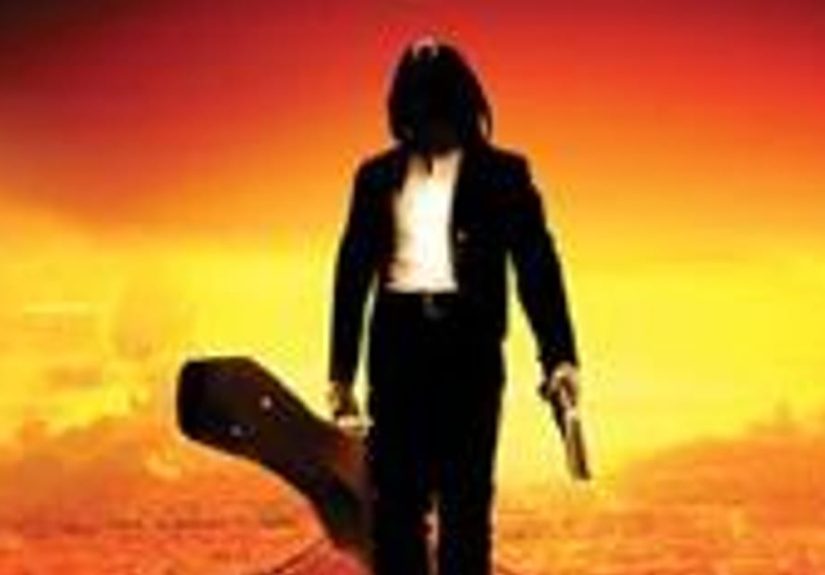
black clothing, guitar case, vengeance, and a walk that says, “Yes, I did bring my own soundtrack.”
What it nails
- Antonio Banderas as El: Banderas gives El Mariachi movie-star gravity without making him invincible. He’s cool, but not empty.
- Rhythm: The film moves like a mixtapequiet buildup, explosive chorus, breath, then another chorus, except the chorus is a bar showdown.
- Set pieces with personality: The action isn’t just loud; it has jokes, reveals, reversals, and mini-stories inside the shootouts.
- Soundtrack swagger: The music (including the famously punchy Los Lobos contributions) doesn’t sit in the background; it struts.
The main critique (and why it doesn’t sink the movie)
Critics have often pointed out that Desperado can feel like “too much action, too little story.” That’s fairthis is not a labyrinthine thriller.
But here’s the counterpoint: the movie’s story is deliberately simple so the cinematic invention can be the star.
It’s like ordering tacos. You don’t complain that your tacos weren’t a six-course tasting menu. You judge them on flavor, texture, and whether you immediately
want another one. Desperado passes that test with hot sauce to spare.
Best moment to appreciate
Look for how Rodriguez stages “information” inside actionwho’s cornered, who’s bluffing, who’s outmatchedso the sequence tells a story even if you
muted the dialogue (don’t mute the dialogue; the movie will get offended).
Who will rank it #1
If your ranking prioritizes rewatchability, “I could throw this on any time,” and the feeling that every scene is fueled by espresso,
Desperado is the easy champ.
#1: El Mariachi (1992)
Why it takes the crown
El Mariachi is the franchise’s origin story, and it still hits like a creative thunderclap. It’s the movie you show someone when you want to say:
“Budget is real, but imagination is more real.” Made with famously minimal resources, it’s a masterclass in momentummisunderstandings snowball, danger escalates,
and the whole story propels itself forward with an almost mischievous confidence.
What makes it special
- Economy: The storytelling is lean. Every scene either raises the stakes or tightens the trap.
- Clarity under pressure: Even as it gets hectic, you understand the problem: mistaken identity, a town full of danger, and a man who just wanted a gig.
- DIY invention: The film’s ingenuity is visible, but in a good waylike seeing the seams on a handmade jacket and loving it more for that.
- Emotional grounding: At its core, it’s not “guitar case goes brrr.” It’s about a regular guy pulled into violence and changed by it.
The big franchise effect
This entry built the trilogy’s DNA: the mythic loner, the blend of humor and tragedy, the musical identity, and the idea that action can be inventive rather than expensive.
It also set the tone for Rodriguez as a filmmaker who treats limitations as a playground, not a prison.
What might not work for everyone
If you come in expecting the polished sheen of a studio action movie, El Mariachi will feel rougher around the edges. The performances and production
can be more “scrappy indie” than “glossy spectacle.” But that roughness is also the point: it’s the sound of a new voice learning what it can doand doing it anyway.
Who should put it at #1
If your ranking values innovation, cohesion, and that special electricity of a debut that changes someone’s career overnight,
this is the trilogy’s peak.
Who Wins Which Category?
If you hate “one definitive ranking,” here’s the compromise: a category breakdown that explains why fans argue about this trilogy the way sports fans argue about MVPs.
| Category | Winner | Why |
|---|---|---|
| Most Innovative | El Mariachi | It’s the blueprint: maximum momentum and creativity with minimal resources. |
| Most Rewatchable | Desperado | Pure entertainment value, iconic set pieces, and a “put it on again” energy. |
| Biggest Swing | Once Upon a Time in Mexico | Ensemble plotting, political stakes, and a heightened pulp tonesometimes messy, often bold. |
| Cleanest Story | El Mariachi | Mistaken identity + escalating danger + clear emotional throughline. |
| Best “Franchise Vibe” | Desperado | This is the entry most people mean when they imagine the trilogy’s style. |
In SEO terms, this is where El Mariachi franchise opinions get spicy: the “best movie” and the “favorite movie” are not always the same thing.
Best Watch Order (and who should start where)
Officially, the best watch order is simple: El Mariachi (1992) → Desperado (1995) → Once Upon a Time in Mexico (2003).
But here are a few “choose your own adventure” entry points, depending on what you want.
If you love origin stories and DIY filmmaking
Start with El Mariachi. You’ll appreciate how the trilogy evolves from scrappy indie to stylized studio spectacle without losing its identity.
If you want the most accessible, modern action ride
Start with Desperado, then go back to El Mariachi like it’s a prequel that explains how the legend began.
(Yes, you can do this. No, the film police will not kick down your door.)
If you like chaotic pulp and ensemble plotting
You’ll probably enjoy Once Upon a Time in Mexico more than mostjust know it hits hardest when you already care about El Mariachi’s myth.
One practical tip
Watch the films close together. The trilogy’s themesloss, revenge, mythmaking, and the way music becomes identityhit harder when they echo back-to-back.
Experience Add-On (): Watching the El Mariachi Franchise in the Real World
The funniest thing about the El Mariachi franchise is how differently it lands depending on where and how you watch it.
On a laptop with headphones, El Mariachi feels like a magic trick: you notice the clever staging, the fast decisions, and the way scenes are built
to move the story forward even when the resources are limited. It’s the kind of movie that makes people pause mid-scene to say, “Waithow did they pull this off?”
That reaction is part of the experience: you’re not only watching a film, you’re watching a filmmaker invent a toolbox in real time.
In a group settingfriends on a couch, a midnight screening vibe, or a “let’s rank the trilogy” hangoutDesperado tends to become the crowd favorite.
It has those shared-moment triggers: a musical cue that signals trouble, a stare-down that gets laughs before it gets loud, a set piece that makes people react at once.
It’s also the movie that feels easiest to quote and replay, even if the quotes are basically “cool guy says cool thing, then cool thing explodes.” In other words:
it’s social-movie-friendly. People don’t just watch it; they perform their enjoyment of it in real time.
Once Upon a Time in Mexico often plays like the “debate starter.” Some viewers love the expansionmore characters, more moving parts, more chaotic fun.
Others miss the tighter focus of the first two and feel like the film occasionally forgets who the emotional center is. And that disagreement is actually a feature,
not a flaw, if you’re watching the trilogy as an experience. Franchises are supposed to evolve; the third entry shows what happens when the filmmaker has the freedom
to go bigger and stranger. It can feel like a mixtape made by someone who refuses to skip any track they loveeven if the playlist gets long.
There’s also a “first-time vs. tenth-time” effect. On a first watch, many people value clarity: Who wants what? Who’s chasing who? Why is that guitar case
basically a portable plot device? That’s why El Mariachi can surprise new viewers: it’s lean and readable. On rewatch, though, style starts to matter more.
You begin to notice how Rodriguez uses rhythm, music, framing, and sudden tonal turnshow he lets humor sit right next to tragedy without turning either one into a joke.
Finally, the trilogy is a reminder that “rankings” are partly personality tests. If you’re a craft-first viewer, you’ll keep returning to El Mariachi.
If you’re a vibes-first viewer, Desperado probably owns your heart. If you love messy ambition and bold swings, Once Upon a Time in Mexico is your
proudly chaotic pick. The best way to experience the franchise is to watch all three, then re-rank them a week laterbecause odds are, you’ll change your mind,
and that’s half the fun.
Conclusion
If you want a single takeaway from these El Mariachi franchise rankings and opinions, it’s this: the trilogy works because it treats action as
storytelling, music as identity, and style as a languagenot just decoration. My ranking puts El Mariachi at the top for its invention and momentum,
Desperado right behind for its peak rewatchability, and Once Upon a Time in Mexico third for its ambitious-but-crowded swing.
But the “right” ranking is the one that matches what you want from the series. Either way, the trilogy remains a great reminder that a legend can start with
a guitar, a case, and a filmmaker who refuses to wait for permission.