Table of Contents >> Show >> Hide
- Why a $1,500 Home Upgrade Budget Actually Matters
- How Rejuvenation Fits the “Indoors or Out” Promise
- Best Ways to Spend $1,500 Indoors
- Best Ways to Spend $1,500 Outdoors
- A Practical Design Plan for Stretching the Budget
- Design Ideas That Feel Especially Rejuvenation-Friendly
- Common Mistakes to Avoid When Upgrading Indoors or Out
- The Real Appeal of a Rejuvenation-Style Upgrade
- Experiences Inspired by the Idea of “Upgrade Your Space, Indoors or Out”
- Conclusion
Note: The Rejuvenation $1,500 sweepstakes that inspired this article was a past promotion. This piece reworks that timely idea into evergreen design advice for anyone dreaming about a smarter, prettier home upgrade.
Some headlines whisper. This one arrives wearing polished brass and carrying a very good lamp: Enter to Win $1,500 from Rejuvenation to Upgrade Your Space, Indoors or Out. Even if the original giveaway is now part of internet history, the idea behind it still feels wonderfully current. Who wouldn’t want a design budget dedicated to turning a tired corner of the house into something useful, beautiful, and just dramatic enough to make guests say, “Wait, did you hire someone?”
That is the magic of a well-targeted home upgrade. You do not always need a full renovation, a contractor convoy, or a reality-show reveal. Sometimes the biggest visual payoff comes from the things you touch, see, and use every day: a better entry light, solid front door hardware, a rug that defines a patio, a table lamp that makes a living room feel less like a waiting area and more like a life. In other words, the glamorous little things. The hardworking things. The “Why didn’t I do this sooner?” things.
Rejuvenation has built much of its reputation around exactly that kind of upgrade. Its style leans timeless rather than flashy, practical rather than disposable, and detailed enough to make design nerds nod approvingly from across the room. That makes a $1,500 design budget especially interesting, because it sits in the sweet spot: big enough to make a visible difference, but small enough to force smart choices. No one is building a guest house with it. But you can absolutely transform how a home feels.
Why a $1,500 Home Upgrade Budget Actually Matters
In home design, $1,500 is not “tear down the wall and install a wine cave” money. It is better. It is focused improvement money. It is the budget that rewards taste, restraint, and a clear plan. It can elevate your entry, refresh a porch, sharpen a dining nook, or finally solve that awkward in-between zone where your house has been saying, “We’ll figure something out later,” for the last four years.
The smartest updates tend to fall into a few categories. First, there are upgrades that increase function: better lighting, sturdier hardware, more durable outdoor materials, or pieces that help a room work harder. Second, there are upgrades that improve mood: warm finishes, layered textures, inviting furniture, and thoughtful accessories. Third, there are upgrades that strengthen first impressions, especially in entryways, porches, and patios. These spaces do a lot of emotional heavy lifting. They welcome you home, set expectations, and signal whether the rest of the house feels intentional or improvised.
That is why this kind of design budget can stretch so far. You are not trying to do everything. You are choosing one story for your home and telling it better.
How Rejuvenation Fits the “Indoors or Out” Promise
The beauty of the phrase “indoors or out” is that it opens up a deliciously broad design playground. Rejuvenation is especially well suited to that because its assortment naturally bridges the threshold of the home. The brand language is rooted in lighting, hardware, furnishings, rugs, and practical goods that can sharpen both an interior room and the exterior spaces surrounding it.
That matters because modern homeowners no longer think of outdoor space as an afterthought. Patios, porches, decks, and entryways increasingly function like real rooms. They are not just places to pass through. They are places to lounge, host, work, eat, decompress, and pretend you are the sort of person who casually serves sparkling water with sliced citrus in handmade glasses.
Inside, the same design logic applies. Rooms feel richer when the foundational pieces are thoughtful. A handsome sconce can rescue a boring hallway. New cabinet pulls can make dated millwork feel sharper. A statement mirror, a durable rug, or a classic lamp can reset the entire mood of a room without the stress of a full overhaul. The result is not just prettier. It is calmer, more coherent, and much easier to live with.
Best Ways to Spend $1,500 Indoors
1. Upgrade the Entryway
If your entryway currently says “drop your shoes here and lower your expectations,” start there. A polished ceiling fixture or wall sconce, a substantial doormat or runner, and a better mirror can create a much more welcoming first impression. This is one of the highest-impact areas in the home because it sets the tone in under five seconds. Not bad for a space most people ignore until company is already on the way.
2. Refresh Kitchen or Bath Hardware
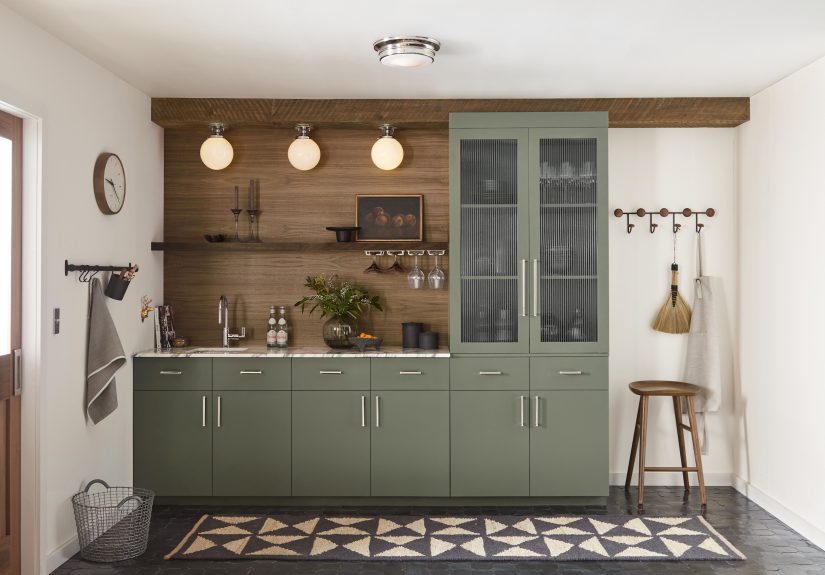
Replacing knobs, pulls, and hooks sounds minor until you actually do it. Then you realize your cabinets no longer look sleepy, your vanity looks more intentional, and the whole room suddenly appears more expensive than it was yesterday. It is the design equivalent of putting on a tailored blazer: same person, much better presentation.
3. Layer Lighting Instead of Relying on One Sad Fixture
Many rooms are underlit, overlit, or lit in a way that feels vaguely interrogational. A better approach is layered lighting: overhead for general visibility, task lighting for work, and ambient lighting for mood. With $1,500, you can often combine one striking main fixture with one or two supplemental lamps or sconces. That kind of mix creates depth and makes a room feel finished rather than simply occupied.
4. Buy One Piece That Grounds the Room
Sometimes the smartest move is not several little things but one anchoring piece: a rug, a side table, a bench, or a mirror with presence. A good foundational item organizes the eye and gives the rest of the room something to orbit. The room stops floating. It starts making sense.
Best Ways to Spend $1,500 Outdoors
1. Create a Front Porch That Looks Like You Meant It
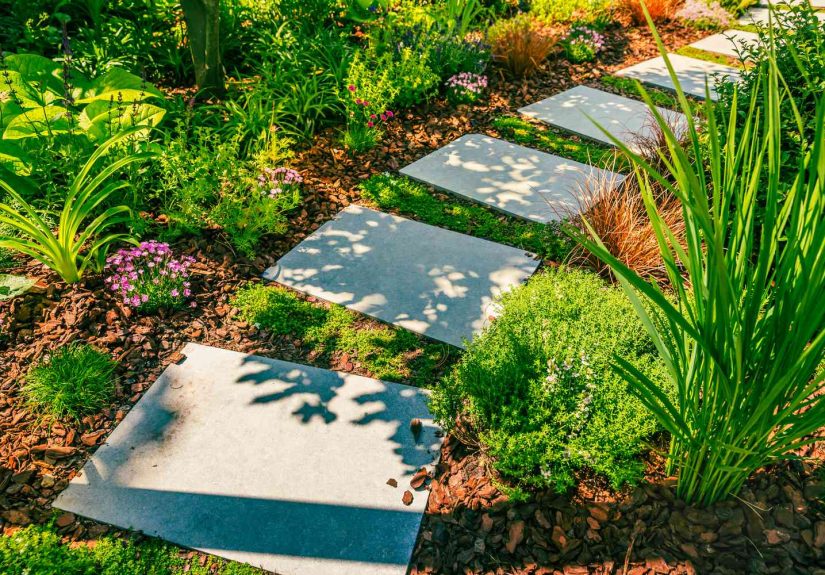
Outdoor upgrades have an unfair advantage: they boost daily enjoyment and curb appeal at the same time. A front porch refresh can include a new exterior light, upgraded door hardware, planters, a durable doormat, and a bench or chair. Suddenly the entrance does not just exist. It greets people. It participates. It looks awake.
2. Turn a Patio Into an Outdoor Room
The best patios are styled like indoor living rooms, just with more fresh air and fewer power cords. An outdoor rug, layered lighting, weather-friendly seating, and a few soft accessories can make even a modest footprint feel complete. The space becomes usable for morning coffee, casual dinners, or the very specific pleasure of sitting outside and ignoring your phone for eight whole minutes.
3. Invest in Lighting That Balances Beauty and Safety
Exterior lighting is doing double duty. It should look good, but it also needs to help people move through the space comfortably. Pathway lighting, sconces near the door, and warm illumination around seating areas make a home feel more secure and more inviting. Good outdoor lighting is the difference between “enchanted evening” and “watch your step, the hose is somewhere around here.”
4. Focus on Materials That Can Handle Real Life
Outdoor design is not a place for fragile fantasies. Pieces need to tolerate sun, moisture, dirt, and the occasional burst of weather drama. That is why durable rugs, sturdy metals, solid woods, and finishes that age gracefully are worth prioritizing. A well-made exterior detail does not just survive. It improves the whole composition.
A Practical Design Plan for Stretching the Budget
If you were lucky enough to win a $1,500 prize, the smartest move would not be filling a cart like a caffeinated game-show contestant. It would be building a plan. Start by choosing one zone, not four. Entryway, patio, powder room, kitchen, bedroom corner, porch. Pick the area that annoys you most or the one with the clearest opportunity for visible improvement.
Next, define the goal. Do you want the space to feel warmer? More organized? More welcoming? More architectural? More durable? Once the goal is clear, your choices become easier. A layered-lighting goal leads you one direction. A curb-appeal goal leads another. A comfort-and-lounging goal gives you a different shopping list entirely.
Then divide the budget by priority:
- 40% on the anchor piece or primary upgrade
- 30% on supporting function, such as lighting or hardware
- 20% on texture and atmosphere, such as rugs or accent pieces
- 10% held back for practical extras, shipping realities, or one last “this completes it” detail
This kind of distribution keeps the project from feeling random. It also protects you from the classic design mistake of spending everything on accessories while the actual problem remains glaringly, hilariously unsolved.
Design Ideas That Feel Especially Rejuvenation-Friendly
Not every brand has a clear design point of view. Rejuvenation does, and that helps. The vibe is thoughtful, tailored, and slightly heritage-inspired without getting dusty about it. If you want to channel that feel, look for upgrades with character: warm metals, clean lines, classic silhouettes, textured rugs, and lighting that feels collected rather than trendy-for-trendy’s-sake.
A few combinations stand out:
- For the entry: polished or aged brass hardware, a substantial porch light, and a durable mat with texture
- For the patio: a patterned indoor-outdoor rug, soft ambient lighting, and seating with real presence
- For the kitchen: cabinet hardware that adds weight and refinement without shouting
- For the living room: one sculptural lamp or sconce paired with a rug that grounds the whole layout
The point is not to imitate a catalog page line for line. The point is to borrow the discipline: buy fewer things, buy better things, and let them do more.
Common Mistakes to Avoid When Upgrading Indoors or Out
The first mistake is spreading the budget too thin. A porch light, a rug, some hooks, a side table, random cushions, two planters, and one decorative object shaped like a mysterious bird may sound fun, but together they can create a space that feels busy instead of better.
The second mistake is choosing style without function. Outdoor pieces need durability. Entry hardware needs comfort in the hand. Lighting needs the correct scale and placement. Pretty alone is not enough. Pretty that works is the real flex.
The third mistake is forgetting proportion. One tiny sconce on a wide front elevation can look apologetic. A rug that is too small can make furniture float awkwardly. A large mirror in a narrow entry can be excellent; a large chair in a tiny porch can feel like the house swallowed an armchair whole. Size matters. Design is rude that way.
Finally, avoid trend panic. A home does not need to chase every seasonal mood swing on the internet. The strongest upgrades are the ones that feel rooted, useful, and in conversation with the architecture you already have.
The Real Appeal of a Rejuvenation-Style Upgrade
The dream behind a headline like this is not just free money. It is the fantasy of living better in the space you already have. Of coming home to a porch that feels charming instead of forgotten. Of turning on a hallway light that makes the room glow instead of glare. Of replacing a flimsy detail with something solid, beautiful, and satisfying to use.
That is why this kind of giveaway captures attention. It taps into a very real desire: not just to decorate, but to improve daily life through design. The right upgrades make a home easier to move through, nicer to look at, and more emotionally generous. They make the ordinary routines feel a little less ordinary.
Experiences Inspired by the Idea of “Upgrade Your Space, Indoors or Out”
There is also something deeply personal about a design prize. People do not imagine spending it in abstract terms. They immediately picture their house. Their dim entryway. Their awkward deck. Their kitchen drawers with hardware that has somehow managed to be both boring and annoying. A headline like this starts a chain reaction of tiny daydreams, and that is part of the fun.
One person might imagine using the money on a front porch refresh after years of saying the entrance “isn’t that bad” while privately knowing it absolutely is. Suddenly there is a new light fixture, a proper doormat, a pair of planters, and maybe a bench that turns the stoop into an actual welcome moment. The whole house feels more pulled together before anyone even steps inside.
Someone else might use the budget indoors, where the need is less visible to neighbors but more meaningful in daily life. Think of a renter-friendly dining nook that finally gets a handsome pendant and a rug that makes the table feel anchored. Or a hallway that stops being a gloomy tunnel and starts acting like part of the home. These are not gigantic transformations, but they change the emotional weather of a space. And yes, that is a very dramatic way to describe a light fixture, but it happens to be true.
For outdoor lovers, the experience could be even sweeter. A modest patio can become an evening retreat with the right rug, warm lighting, and durable seating. Instead of an empty slab that only gets used when someone remembers to wipe it down, it becomes a place for coffee, reading, dinner, or catching your breath after a long day. That kind of transformation is not only visual. It changes habits. People use spaces that feel inviting.
There is also a confidence boost that comes with making smart design choices. Winning or budgeting for a targeted upgrade forces you to think like an editor rather than a collector. You ask better questions. What does this room need most? What will I touch every day? What will make the biggest difference at 7 a.m. on a Tuesday, not just in a photo? Those questions lead to stronger homes and fewer regrettable impulse purchases.
Even the shopping experience itself can be satisfying when the goal is clear. You are not doom-scrolling through endless options. You are assembling a vision. You are matching finishes, weighing textures, imagining sight lines, and deciding whether your house wants a little more warmth, contrast, softness, or structure. It is design, yes, but it is also storytelling. Every detail says something about how you want to live.
And perhaps that is the best takeaway from the whole “upgrade your space, indoors or out” idea. A home does not have to be enormous, expensive, or freshly renovated to feel special. It just has to be considered. A few well-chosen improvements can make a place feel more welcoming, more useful, and more like the people who live there. That is a prize even without the sweepstakes.
So whether you are inspired by the original Rejuvenation giveaway, planning your own small makeover, or simply collecting ideas for the day your budget and your ambition finally shake hands, the lesson is the same: invest where it counts, favor pieces with lasting value, and do not underestimate what a better light, a stronger rug, or a smarter entry can do. Home upgrades do not need fireworks. Sometimes all they need is a little intention, a little money, and the courage to retire that sad old porch fixture at last.
Conclusion
Enter to Win $1,500 from Rejuvenation to Upgrade Your Space, Indoors or Out is more than a catchy giveaway title. It captures a design truth: the most effective upgrades often happen at the scale of everyday life. A new sconce, refined hardware, a durable outdoor rug, or a better-lit porch can completely reshape how a home looks and feels. Indoors, these choices create comfort, polish, and flow. Outdoors, they boost curb appeal, usability, and atmosphere. A $1,500 budget will not rebuild a house, but it can absolutely rewrite the parts of it you experience most. And really, that is the kind of makeover people remember.