Table of Contents >> Show >> Hide
- What counts as “major” here (so we don’t melt into infinity)
- Why “Chocolate” keeps landing in titles
- Major films with “Chocolate” in the title
- Willy Wonka & the Chocolate Factory (1971)
- Charlie and the Chocolate Factory (2005)
- Like Water for Chocolate (1992)
- Like Water for Chocolate (TV series, 2024– )
- The Chocolate War (1988)
- Chocolate (2008)
- The Dark Side of Chocolate (2010)
- Chocolate City (2015)
- Chocolate City: Vegas (2017) (also known as “Vegas Strip” in some listings)
- Better Than Chocolate (1999)
- The Chocolate Soldier (1941)
- Chocolate: Deep Dark Secrets (2005)
- Major TV shows with “Chocolate” in the title
- How to watch the “Chocolate Title Universe” without sugar-crashing
- Extra : the “chocolate title” viewing experience (why it hits different)
- Conclusion
- SEO Tags
There are words that promise a vibe. “Storm” says chaos. “Wedding” says awkward speeches and a playlist you’ll pretend to love.
And “chocolate”? “Chocolate” says indulgenceeven when the story turns out to be heartbreak, betrayal, or (surprise) child labor investigations.
This is your definitive, practical, and slightly cocoa-dusted guide to the major films and TV shows that put Chocolate right in the title.
Some use it as a literal setting (factories! desserts! contests!). Others use it as a shortcut to mood: sensual, comforting, dark, or “I’m not crying, you’re crying.”
Either way, if you’ve ever clicked on a title because it sounded delicious, congratulationsyou’re exactly the target audience.
What counts as “major” here (so we don’t melt into infinity)
“Chocolate” appears in a lot of titles worldwidefeature films, TV dramas, documentaries, cooking competitions, and the occasional obscure entry that never left a festival
or a regional broadcast schedule. So for this list, “major” means: widely distributed (theatrical, network, major streamer, or well-known home video life),
culturally notable, or frequently referenced in U.S. entertainment coverage and databases.
If your favorite ultra-niche short film called Chocolate Dreams in Parking Lot B isn’t here, please know it’s not personal. It’s editorial triage.
Why “Chocolate” keeps landing in titles
1) It’s a sensory shortcut
“Chocolate” hits your brain before the synopsis does. You can almost smell it. Titles use that instant sensory punch to set expectations:
warmth, temptation, comfort, decadence, and yessometimes guilt.
2) It’s a metaphor with range
Chocolate can signal innocence (family fantasy), longing (romance), rebellion (coming-of-age), or exploitation (investigative documentary).
Few words swing from “golden tickets!” to “systemic injustice!” that fast without changing spelling.
3) It sells the “treat yourself” promise
Even when the story is heavy, the title can lure viewers in with an implied reward. You might press play for sweetness and stay for emotional damage.
That’s showbiz, baby.
Major films with “Chocolate” in the title
Willy Wonka & the Chocolate Factory (1971)
If chocolate titles had a Mount Rushmore, this one is carved in pure imagination. It’s the template: a poor kid, a mysterious candy genius,
a once-in-a-lifetime factory tour, and a story that tastes like whimsy but has the afterbite of a morality tale.
The genius of this film isn’t just the candy-colored production designit’s how the chocolate factory becomes a pressure cooker for character.
Each kid’s flaw gets a set piece. The sweets aren’t only snacks; they’re narrative traps. And while it’s family-friendly, it’s also quietly strange,
which is why it sticks in pop culture instead of dissolving like cheap chocolate in the sun.
Watch it today and you’ll notice how the title does double duty: it promises fantasy, but it also frames the factory as a systemrules, tests,
consequences, and one grand prize for the person who can resist the world’s loudest temptation.
Charlie and the Chocolate Factory (2005)
This is the darker, shinier remixmore gothic frosting, more surreal production choices, and a bigger emphasis on Willy Wonka as a character with
his own odd emotional weather. The story is familiar, but the tone leans into “fairy tale with teeth.”
What makes the title interesting here is that it shifts the focus. “Charlie” comes first, and that matters: the movie frames Charlie not just as a lucky winner,
but as the moral center of the tour. The chocolate factory becomes a mirror maze for everyone else’s parenting choices, entitlement levels,
and ability to hear the word “no” without short-circuiting.
Whether you prefer this version or the 1971 classic, both prove the same point: put “Chocolate Factory” in a title and audiences will show up
expecting funthen discover the story is also about discipline, desire, and what we do when the world hands us a golden ticket.
Like Water for Chocolate (1992)
This is where “chocolate” stops being cute and starts being poetic. Set against family rules and social tradition, the story treats food as a language
and chocolate as a particular dialect for longing, sensuality, and emotion you’re not allowed to say out loud.
The title itself is an invitation to interpret: it isn’t “Chocolate, the Dessert.” It’s “Chocolate, the temperature point.”
The phrase suggests intensityfeelings heated to a boil. In practice, the film uses cooking as a conduit for passion and grief, where recipes carry memory
and meals can change the emotional climate of a room.
It’s also a reminder that “chocolate in the title” doesn’t always mean candyland. Sometimes it means: love hurts,
tradition can be a prison, and your best chance at freedom might come from the kitchen.
Like Water for Chocolate (TV series, 2024– )
A modern TV adaptation takes that same premiseromance, repression, magical realism, and food as emotional truthand stretches it into episodic storytelling.
The advantage of a series format is space: more time for political and cultural context, more room for side characters,
and more opportunities to let the food sequences function like chapter breaks in an edible novel.
If the 1992 film is an intense tasting menu, the series aims to be the full banquet: layered, lavish, and unapologetically dramatic.
“Chocolate” in the title still signals sensuality and emotional heatbut the show format lets it simmer longer.
The Chocolate War (1988)
This one proves that chocolate can be weaponized without ever being thrown. The story centers on a boys’ school, social power,
and the kind of peer pressure that turns small choices into public battles.
The title is brilliant because it sounds almost playfullike an innocent food fightuntil you realize it’s describing something uglier:
how groups enforce conformity, how institutions protect themselves, and how quickly “just go along with it” becomes a moral trap.
Chocolate, here, is the bait used to test obedience.
It’s not a comforting watch, but it’s a memorable oneespecially because it flips the usual expectation. With “Chocolate” in the title,
you think pleasure. This film gives you consequence.
Chocolate (2008)
In this Thai action film, “Chocolate” is less about sweets and more about identity and intensitysoft word, hard hits.
The story follows a young fighter whose extraordinary abilities are tied to observation and imitation, turning the movie into a showcase
for kinetic choreography and emotional stakes.
The title works because it’s disarming. “Chocolate” doesn’t sound like a martial-arts film. That contrast becomes part of the appeal:
you press play expecting one thing and get another, which is basically the funhouse mirror version of the Wonka effect.
The Dark Side of Chocolate (2010)
Here, the title is a warning label. This investigative documentary focuses on exploitation and forced labor connected to cocoa production.
It’s not interested in chocolate as a treat; it’s interested in chocolate as a supply chainand in what gets hidden behind bright packaging.
The phrase “dark side” is doing literal and metaphorical work: dark chocolate, dark truths.
It’s an uncomfortable but important entry in the chocolate-title canon because it forces the audience to hold two realities at once:
the sweetness people consume and the suffering that can exist upstream.
Chocolate City (2015)
“Chocolate” in this title signals adult territory and cultural flavor more than dessert. The film follows a college student pulled into the world of male stripping,
where performance, money, and identity collide.
The title frames the setting as a sceneits own ecosystem with rules and risks. If the Wonka factory is a fantasy system,
Chocolate City is a hustle system: ambition, temptation, and the question of what you’ll trade for a shot at stability.
Chocolate City: Vegas (2017) (also known as “Vegas Strip” in some listings)
Sequels tend to do two things: go bigger and go louder. Taking the group to Las Vegas is practically a genre tradition at this point.
In a “Chocolate” title, Vegas turns the theme up: higher stakes, flashier performance, and a setting built around spectacle.
Whether you’re watching for the drama, the competition energy, or the sheer “how did we end up here?” momentum,
this film shows how “Chocolate” can brand a franchiseeven when the chocolate is purely metaphorical.
Better Than Chocolate (1999)
This romantic comedy-drama uses chocolate as shorthand for pleasure, desire, and the idea that life’s best parts aren’t always the ones
you’re “supposed” to want. It’s also notable for centering queer love stories with a tone that’s warm, candid, and sometimes messyin a human way.
The title is the whole pitch: chocolate is already considered one of the great pleasures. So what could possibly be better?
The movie’s answer is basically: authenticity, connection, and the freedom to choose your own version of happinesseven if it complicates family expectations.
The Chocolate Soldier (1941)
Yes, this is a classic-era musical with “Chocolate” in the title, and it brings a completely different kind of sweetness.
Here, chocolate is less about food and more about romantic imagery and theatrical charman old-fashioned title that sounds like a dessert
dressed up in a uniform.
This entry matters because it shows how long “Chocolate” has worked as a marketing word. Even decades before streaming thumbnails,
it could suggest elegance, flirtation, and a certain “treat” quality that musical audiences already craved.
Chocolate: Deep Dark Secrets (2005)
For viewers who like their titles with extra melodrama frosting, this thriller leans into the “chocolate as darkness” idea.
The phrase “Deep Dark Secrets” makes the metaphor explicit: this isn’t a comfort-food movie, it’s a suspicion buffet.
It’s a reminder that “Chocolate” titles often split into two lanes: sweet fantasy (factories, romance, cooking) and dark intrigue
(war, exploitation, secrets). This one plants its flag firmly in the second lane.
Major TV shows with “Chocolate” in the title
Chocolate (TV drama, 2019–2020)
This series uses “Chocolate” the way some stories use “home”: as an emotional anchor. It connects food, memory, romance, and grief
especially through the idea that meals can become a language between people who can’t quite say what they mean.
The setup pairs medicine and cooking, life-and-death stakes with comfort and care. “Chocolate” becomes a symbol of tenderness:
something you offer, something you share, something that means more than its ingredients.
If you like character-driven dramas that treat food as a feeling (and feelings as a full-time job), this is one of the most literal examples
of a “chocolate title” delivering on emotional richness.
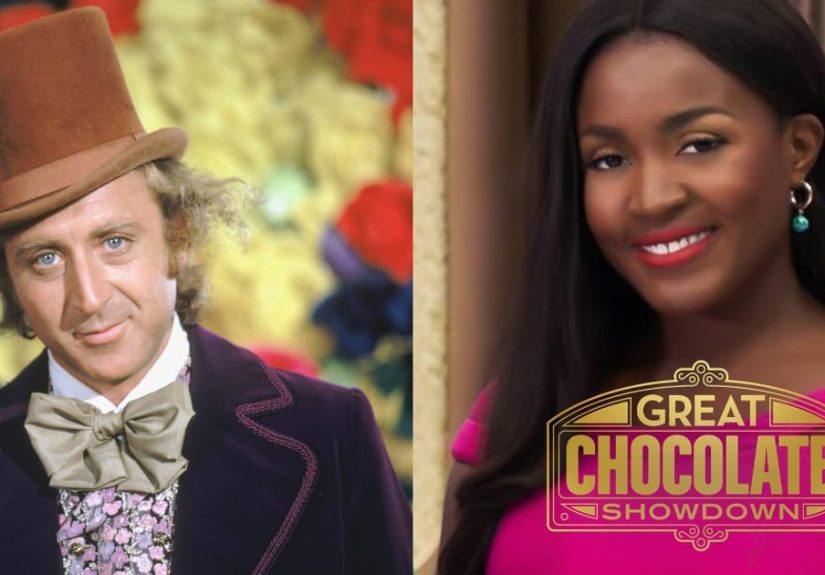
Great Chocolate Showdown (competition series, 2020– )
Here’s chocolate doing what it does best: making everything feel higher stakes than it “should” be because the results are visibly delicious.
This baking competition format leans into technique, creativity, and the universal tension of “don’t let your ganache break on national television.”
The title is bluntand smart. It doesn’t pretend the show is about anything other than chocolate glory and the pressure of timed challenges.
If you want pure “chocolate content” (tempering, sculpting, glossy finishes, and occasional existential dread), this is the straightforward fix.
Chocolate with Jacques Torres (Food Network series)
This show is essentially a guided tour of chocolate craftsmanshippart travel, part technique class, part “how is that even edible?”
With a master chocolatier leading the way, the title promises expertise and delivers obsession-level detail in the best way.
It’s also a nice counterbalance to the fictional titles on this list. Where Willy Wonka makes candy magic feel impossible,
Chocolate with Jacques Torres makes real chocolate artistry feel attainableassuming you have patience, a thermometer,
and the emotional resilience to accept that your first attempt will look like a melted shoe.
How to watch the “Chocolate Title Universe” without sugar-crashing
Pick your flavor profile
- Whimsical & nostalgic: Start with Willy Wonka & the Chocolate Factory, then compare with Charlie and the Chocolate Factory.
- Sensual & dramatic: Go Like Water for Chocolate (film) first, then the TV adaptation if you want a longer emotional meal.
- Dark & sobering: Pair The Chocolate War with The Dark Side of Chocolatebut maybe don’t do this right before bed.
- High-energy: Try Chocolate (2008) when you want action with a title that sounds like a snack.
- Reality comfort: Use Great Chocolate Showdown or Chocolate with Jacques Torres as a “one more episode” dessert.
Do the “one heavy, one light” rule
Chocolate titles can swing wildly in tone. If you watch the documentary, follow it with something gentler.
If you watch the bleak coming-of-age drama, chase it with a competition show where the worst consequence is a cracked glaze.
Yes, you will want snacks
Consider this your friendly warning: chocolate-title media is basically advertising. Even the serious ones.
Keep a snack nearby and you’ll be less likely to spiral into late-night “I could bake brownies” confidence.
Extra : the “chocolate title” viewing experience (why it hits different)
Watching a film or show with “Chocolate” in the title is a uniquely predictable experience in one way: your brain starts tasting the word.
It’s not even a craving at firstit’s more like a memory reflex. Chocolate is connected to childhood treats, holiday desserts, apology gifts,
awkward first dates, and the “I survived today” square you snap off after work. So when a title offers “Chocolate,” it’s offering comfort
before the story even begins.
That comfort can be genuineespecially in the family fantasies. Willy Wonka & the Chocolate Factory doesn’t just show candy;
it sells an idea of wonder as a place you can walk into. The factory tour feels like a vacation from ordinary rules.
And the experience of watching it often becomes a small ritual: you notice details you missed as a kid, you laugh at different moments,
and you realize the story is sneakily strict about character. The chocolate is the invitation, but the lesson is the souvenir you take home.
Then there’s the “chocolate as heat” experience, which belongs to Like Water for Chocolate. Titles like that don’t feel like snacks
they feel like a mood. The viewing experience becomes slower and more physical: you notice the steam, the texture of food, the way recipes
carry emotion. It’s the kind of story that makes you sit up and think, “Oh. That’s what they meant by longing.”
Chocolate in this context isn’t a candy bar; it’s a symbol for desire that’s been forced into hiding and finds a way out through flavor.
Some chocolate-title experiences are built on contrast, and that’s part of their power. The Chocolate War sounds like it might be playful,
but watching it feels like stepping into a cold room. The chocolate becomes a tool for control, a test of obedience, and a lesson in how quickly
a community can punish someone for refusing to comply. It’s the cinematic equivalent of biting into what you thought was a brownie and realizing
it’s actually 95% cacao with no sugar and a little existential dread sprinkled on top.
The documentary lane, especially The Dark Side of Chocolate, changes the viewing experience even further. You don’t watch it and think,
“That was entertaining.” You watch it and think, “I should know this.” Chocolate stops being a treat and becomes a systemeconomics, labor,
accountability, and the uncomfortable distance between what consumers see and what producers endure. It’s a different kind of “aftertaste,”
one that lingers longer than any dessert.
And finally, there’s the pure pleasure lane: competition shows and technique-driven series. Watching Great Chocolate Showdown or
Chocolate with Jacques Torres is like visiting a museum where everything is edible. The experience becomes a mix of admiration and ambition:
you marvel at glossy finishes, you learn the difference between “melted” and “tempered,” and you briefly believe you could absolutely do this at home.
(You could. But you’ll also discover that chocolate is a wonderful ingredient and a relentless teacher.)
That’s the secret of chocolate titles: they’re not promising one genre. They’re promising a feelingcomfort, intensity, temptation, or truth.
And whichever direction the story goes, you’re going to feel it in a surprisingly human way: through memory, craving, and the simple idea that
the sweetest things in life can be magical… or complicated… or both.