Table of Contents >> Show >> Hide
- Why Batteries Still Feel So Expensive
- The Cheap Tricks Hiding Behind Premium Prices
- Not Every Expensive Battery Is a Scam
- Where Consumers Feel the Pain Most
- How to Buy a Battery Without Getting Played
- How to Make Batteries Last Longer Without Becoming Weird About It
- The Battery Market We Actually Need
- Conclusion
- Experiences That Make the Lesson Stick
Battery marketing has a talent for drama. A battery is rarely sold as a humble box of chemistry and engineering. No, it is sold like it contains moon dust, elite performance, and the tears of defeated chargers. The price climbs, the packaging gets shinier, and somehow the buyer is expected to nod respectfully and say, “Ah yes, this rectangle clearly costs a fortune because it is very advanced.”
Sometimes that is true. Good batteries are not cheap to design. Safe lithium-ion systems need quality cells, a battery management system, thermal safeguards, good chargers, careful testing, and sane manufacturing. But the battery world also has a less glamorous side: premium prices hiding cheap tricks. That can mean locked ecosystems, hard-to-repair designs, weak replacement options, mystery compatibility claims, and the kind of cost cutting that quietly shortens product life while keeping the retail price painfully high.
That is the real story behind expensive batteries. The issue is not simply that batteries cost money. It is that too many battery-powered products ask consumers to pay for quality while sneaking in design choices that favor lock-in, replacement churn, and brand control over long-term value. In other words, the battery might be pricey, but the trick is cheap.
Why Batteries Still Feel So Expensive
Let’s start with the obvious question: if battery technology keeps improving, why do so many battery-powered products still feel overpriced? The answer is layered.
At the cell level, battery costs have fallen dramatically over the past decade, especially in electric vehicles. Manufacturing has improved. Chemistry has improved. Scale has improved. But the price a consumer pays is not just the price of cells. It is also the cost of the enclosure, electronics, certification, logistics, warranty risk, retailer markup, software controls, and brand positioning. Once a battery becomes part of a “system,” the company is not just selling energy storage. It is selling a business model.
That business model is where the cheap tricks start to show. Some brands use batteries as the front gate to an ecosystem. You buy the drill, vacuum, phone, scooter, or car once. Then you keep paying the battery tax for years. Suddenly the battery is not a component. It is a toll booth.
The Cheap Tricks Hiding Behind Premium Prices
1. Ecosystem Lock-In Disguised as Innovation
One of the oldest tricks in the battery playbook is ecosystem lock-in. A company creates a proprietary battery shape, charger design, communication handshake, or software check, then presents it as a breakthrough. Sometimes it is a real engineering choice. Other times it looks suspiciously like a velvet rope around your wallet.
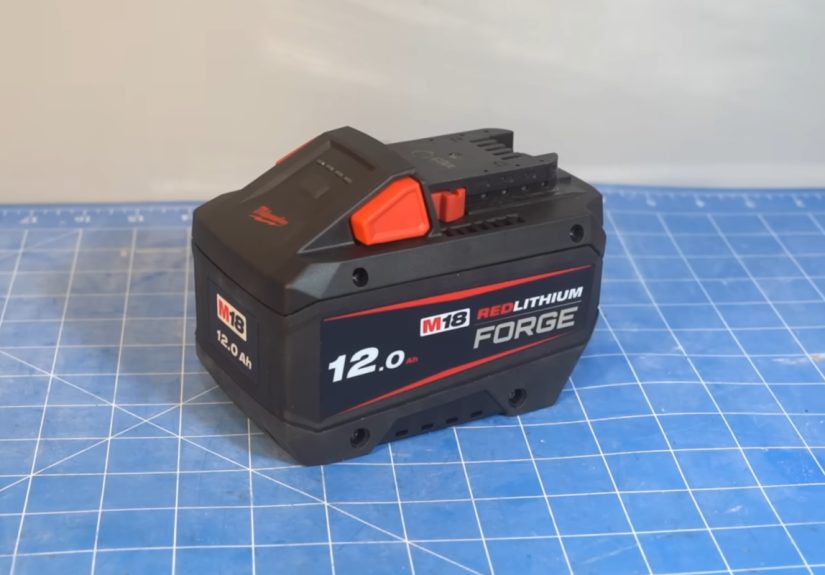
Power tools are a classic example. Once you buy into a battery platform, every future purchase gets filtered through that decision. The first drill may look affordable. The second battery, replacement charger, and compatible bare tools are where the lifetime cost reveals itself. If the platform is durable and consistent for years, buyers can live with that. If the packs are hard to service, expensive to replace, or quietly engineered to age poorly, the “system” starts to feel less like convenience and more like captivity.
2. Hard-to-Repair Design
Another cheap trick is making batteries hard to replace even when the rest of the product still works fine. Consumers see this in phones, laptops, wearables, vacuums, and other sealed gadgets. Glue, proprietary screws, part pairing, missing manuals, and restricted tools all turn a normal consumable into a reason to buy a new device.
That is especially frustrating because rechargeable batteries are consumables by nature. They wear out. Every manufacturer knows this. So when a company builds a product around a battery that will eventually degrade, then makes replacement unusually difficult or costly, the product is essentially being designed with an expiration date wearing a fancy outfit.
3. Bargain Replacement Packs That Are Not Really Bargains
Cheap aftermarket batteries can look like heroes in the shopping cart. They promise compatibility, lower cost, and easy revival for your favorite gadget. Sometimes they deliver. Sometimes they deliver a headache, a swollen battery, weak runtime, charger weirdness, or a genuine fire hazard.
This is where battery shopping becomes a strange mix of engineering and detective work. The label may look legitimate. The listing may sound reassuring. The product photos may practically whisper, “Trust me, I am basically the same thing.” But battery quality depends on much more than shape and voltage. Cell matching, internal protections, insulation, charger compatibility, and safety testing matter. A battery is not a plastic shell filled with positive vibes.
4. Runtime Marketing Without Useful Context
Big numbers sell batteries. Companies know that. The result is a lot of runtime language that sounds impressive while telling you almost nothing helpful. Consumers are shown amp-hours, boosted names, turbo branding, and “all-day power” slogans without enough context about chemistry, operating conditions, device load, or the real-world tradeoff between performance and lifespan.
In plain English, two batteries can look similar on the box and behave very differently in practice. A premium price should buy better cells, stronger controls, safer charging, and better longevity. Too often, it mainly buys louder adjectives.
5. Weak Battery Management Hidden Inside Premium Products
This is where the topic gets especially irritating. Recent teardown and repair discussions have highlighted concerns that some premium battery packs may cut corners in the electronics that keep cells healthy over time. That includes questions around balancing, diagnostics, and recoverability when cells drift out of alignment.
To be fair, not every sealed or simplified battery pack is badly engineered. Some are designed around matched cells, conservative operating windows, and robust protection. But when a high-priced pack becomes difficult to revive, easy to lock out, or cheaper to replace than repair, consumers are right to wonder whether they paid for durability or just branding.
Not Every Expensive Battery Is a Scam
Let’s be fair to the decent batteries of the world. Some expensive batteries are expensive for legitimate reasons.
A safe lithium-ion system needs more than raw capacity. It needs controls that prevent overcharging, overheating, and unsafe current levels. It may need thermal management, software safeguards, tough enclosures, water protection, transport compliance, and certifications. In EVs, the battery pack is not just a giant storage brick. It is a tightly managed system with cooling, monitoring, reserve buffers, and warranty implications.
That is why the best battery products often make tradeoffs that consumers do not love but should understand. Charging may slow down after a certain point. Devices may recommend adaptive charging. Cars may keep part of the pack unavailable at the top or bottom. These are not always tricks. Often, they are the opposite: ways to preserve longevity and reduce stress.
The problem is that the industry mixes real engineering with manipulative design so thoroughly that consumers have to guess which is which. One feature protects battery health. Another protects revenue. Good luck spotting the difference from a product page written by marketing people who have clearly never paid for a replacement battery themselves.
Where Consumers Feel the Pain Most
Phones and Laptops
In personal electronics, the biggest trick is making battery aging feel like total product aging. A phone with a tired battery may still have a good screen, camera, processor, and years of software usefulness left. But if replacing the battery is too expensive, too slow, too restricted, or too intimidating, many users simply replace the whole device. That is convenient for the seller and wasteful for nearly everyone else.
Power Tools
In tools, the battery often becomes the most expensive “consumable” in the kit. A pro-grade brand may justify that with excellent support, performance, and platform stability. But if battery packs fail early, resist repair, or push buyers toward frequent replacement, the premium starts to look like an ecosystem surcharge.
E-Bikes, Scooters, Vacuums, and Micromobility
These products are especially sensitive because battery quality affects both value and safety. Shady replacement packs, mismatched chargers, or poor certification can turn a money-saving shortcut into a serious risk. That is why buyers should care about tested systems, not just attractive pricing. A battery mounted in a home, garage, hallway, or apartment building is not the place to gamble on mystery hardware.
Electric Vehicles
EV batteries show the battery economy at its most complicated. On one hand, modern EV packs are better and more durable than many consumers assume. Warranties are long. Battery management is sophisticated. Many packs will last for years without major trouble. On the other hand, when out-of-warranty issues do happen, the numbers can be painful. Replacement can cost thousands. Damage assessment can be complex. Repairs are not always straightforward. Insurance complications can turn even small damage into big financial drama.
So yes, EV battery anxiety is sometimes exaggerated. But the hidden-cost conversation is real, especially when repairability lags behind the technology itself.
How to Buy a Battery Without Getting Played
The smartest battery buyers are not the people who chase the biggest number on the package. They are the people who ask boring questions. Boring questions save real money.
First, check whether the battery is replaceable and what that replacement actually costs. Not the fantasy price from a cheerful launch video. The real price. The one that appears when your current battery is tired and your patience is also running low.
Second, look at the charging ecosystem. Is the charger proprietary? Is the replacement battery sold directly by the manufacturer? Are original parts available? Can independent shops service it? If the answer to all of that is “sort of, maybe, eventually,” you are not buying freedom. You are buying future dependence.
Third, look for meaningful safety evidence. For micromobility and similar products, certification matters. So does using the intended charger. So does avoiding suspiciously cheap replacement packs from sellers you will never hear from again unless your ceiling turns into a smoke machine.
Fourth, match the battery type to the job. Rechargeables usually make more sense in high-use devices. Single-use batteries can still make sense in low-drain gear that sits for long periods. Spending more only makes sense when the use case supports it.
Fifth, read the warranty details. A battery warranty can sound generous until you realize the conditions are narrow, the degradation threshold is buried in fine print, or labor and related parts are separate conversations. Fine print is where expensive products often hide their cheapest tricks.
How to Make Batteries Last Longer Without Becoming Weird About It
Battery care does not need to become a personality trait. You do not need to whisper to your charger or build a shrine to the 80 percent rule. But a few habits genuinely matter.
Heat is the biggest villain in ordinary battery life. Leaving a phone in a hot car, charging electronics under blankets, storing packs in brutal temperatures, or pushing devices hard while they bake can shorten useful life. Cooler conditions are generally kinder to lithium-ion batteries than chronic heat.
Adaptive and optimized charging features exist for a reason. They reduce the time a battery spends sitting at full charge, which helps slow wear. Storage also matters. If a device will sit unused for a long time, a partial charge is often healthier than leaving it empty or fully topped off for months.
And no, obsessively draining a battery to zero is not a magic ritual. Modern battery care is less about dramatic habits and more about avoiding unnecessary stress. Keep it cool, use the right charger, and let the software protections do some of their job.
The Battery Market We Actually Need
A fair battery market would not ban premium products. It would make premium actually mean something. It would reward batteries that are safe, durable, repairable, honestly labeled, and backed by clear support. It would make battery health easier to understand. It would make replacement parts easier to find. It would reduce the number of products that treat a worn battery as a convenient excuse for full-device replacement.
It would also stop pretending that consumers should choose between sealed safety and practical repair. Both matter. Some battery packs genuinely need tamper resistance. But that should not mean every product gets a free pass to become disposable by design.
The bigger truth is simple: people do not mind paying real money for real quality. What they hate is paying premium prices for products that hide weak serviceability, vague labeling, locked accessories, or shortcuts that only reveal themselves after the return window closes. That is when expensive batteries stop feeling advanced and start feeling insulting.
Conclusion
Expensive batteries are not automatically bad deals. Some are expensive because they are genuinely better engineered, better protected, and better supported. But the battery business has also become very good at smuggling cheap tricks into premium experiences. The tricks vary by category, yet the pattern is the same: make the battery harder to compare, harder to replace, harder to repair, and easier to repurchase.
That is the consumer challenge. The smartest question is not “How long does this battery last on day one?” It is “What happens when it gets old?” If the answer is confusing, restrictive, expensive, or suspiciously dependent on one company forever, you may not be buying premium quality at all. You may just be financing a neat little trap with a charging cable.
Experiences That Make the Lesson Stick
Talk to enough people who live with battery-powered products, and the pattern becomes familiar. A contractor buys into a premium tool platform because the first few tools are excellent. The tools feel solid, the motors are strong, and the brand reputation sounds like a handshake in steel-toe boots. Then two batteries begin acting strangely after a couple of years. One will not fully charge. Another flashes an error that might as well translate to “please purchase another one immediately.” The tools themselves are fine. The batteries are the drama. Suddenly the buyer realizes the ecosystem was never really about the drill. It was always about the pack.
Then there is the phone owner who swears the device was perfect last year. The camera is still great. The screen still looks sharp. The apps still run well enough. But the battery now drops from 30 percent to panic in what feels like eleven emotional seconds. Replacing the battery would probably solve the main problem, yet the process is expensive enough, slow enough, or unclear enough that a new phone starts to look “easier.” That is how battery aging quietly becomes upgrade pressure. Not because the product is useless, but because the path to keeping it useful has been made annoying on purpose or by neglect.
E-bike owners often learn the lesson in a more nerve-racking way. They see an attractively priced spare battery online and think they are being practical. It fits the mount, the voltage looks right, and the seller’s description is full of confidence and exclamation points, which is obviously how science works. But once the battery arrives, small details start feeling off. The charger gets unusually warm. The range estimate behaves like a fantasy novel. The housing feels cheap. Maybe nothing bad happens. Maybe the battery just disappoints. But that uneasy feeling is the whole point: with batteries, uncertainty itself is a cost.
Used EV shoppers get their own crash course in battery economics. They hear, correctly, that modern EV packs can last a long time and that the horror stories are not the whole market. But then they start asking smarter questions. What does the warranty really cover? Is the pack health documented? What happens after a minor collision? Can a damaged pack be repaired, or is the conversation headed straight toward “total loss” territory? The car may still be a smart buy, but the battery stops being an abstract technology and becomes a practical risk calculation.
Even ordinary households notice the pattern with small stuff. The TV remote gets alkalines because it sips power. The game controller gets rechargeables because it eats batteries like a teenager eats pizza. The cordless vacuum works beautifully until the replacement battery costs enough to inspire muttering. After a while, people do not become battery experts so much as battery skeptics. They learn to ask who sells the replacement, who controls the charger, who provides parts, who honors the warranty, and whether the “premium” story survives contact with year three.
That is the experience behind this whole topic. Expensive batteries do not frustrate people merely because they cost money. They frustrate people when the price suggests long-term value, but the design quietly points toward churn. Once buyers have seen that trick a few times, they stop shopping for battery hype. They start shopping for battery honesty.