Table of Contents >> Show >> Hide
If the sound of sizzling meat, sweet onions, and colorful peppers makes you instantly hungry, you’re in the right place. A good fajitas recipe is more than just tossing chicken and veggies in a panit’s about smoky spice, bright lime, and that glorious moment when you wrap it all up in a warm tortilla and can’t wait for it to cool down.
In this guide, we’ll walk through a deeply flavorful, easy-to-master chicken fajitas recipe you can make on a weeknight, plus simple ways to swap in steak, bake everything on a sheet pan, and adjust things to be lighter, spicier, or more family-friendly. Think “restaurant-style fajitas,” minus the awkward moment when the sizzling skillet burns a path across the table.
What Are Fajitas, Really?
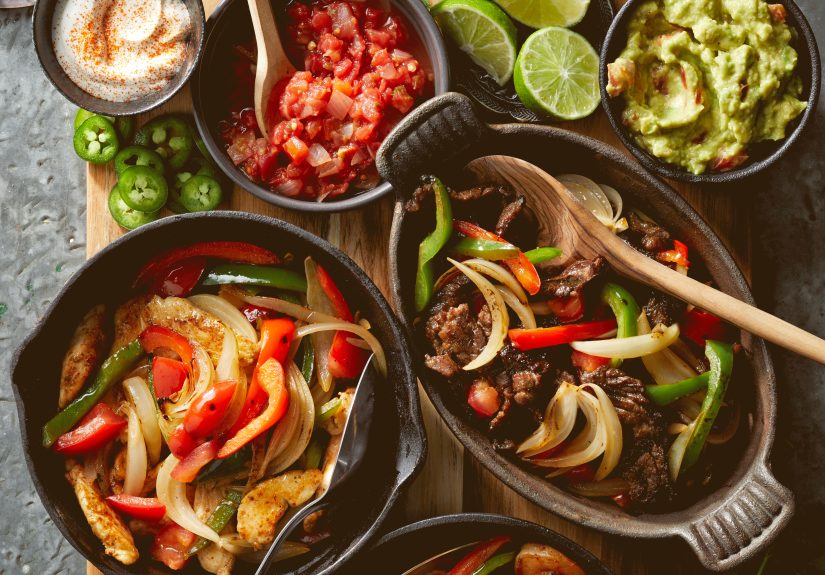
Fajitas are a Tex-Mex classic: strips of seasoned meat (traditionally skirt steak) seared with bell peppers and onions, served with warm flour tortillas and all the toppingssalsa, sour cream, guacamole, cheese, and fresh lime. Over time, chicken fajitas have become just as popular because they’re lean, quick-cooking, and great for lighter weeknight dinners.
What makes fajitas “fajitas” isn’t just the meat; it’s the combo of:
- Strips of protein (usually chicken or steak)
- Soft, slightly charred onions and bell peppers
- A smoky, citrusy fajita seasoning
- Warm tortillas and fresh toppings to customize every bite
Once you understand that formula, you can riff endlessly: sheet-pan fajitas, grill fajitas, low-carb bowl fajitas, meal-prep fajitasyou name it.
Key Ingredients for the Best Fajitas
1. Protein: Chicken or Steak
Chicken: Boneless, skinless chicken breasts are the most common choice because they’re lean and easy to slice. Chicken thighs also work and stay juicy, especially if you’re prone to overcooking.
Steak: For steak fajitas, flank steak and skirt steak are classic, while sirloin or flat iron can also be great options. The key is to marinate well and slice thinly against the grain to keep things tender.
2. Vegetables: Peppers and Onions
Traditional fajitas rely on:
- Bell peppers – red, yellow, and orange are sweeter, green is a bit more assertive.
- Onions – yellow or white onions work great; red onions add a sharper bite and pretty color.
Cut the veggies into similar 1/2-inch thick strips so they cook evenly and still have a bit of bite when the meat is done.
3. Fajita Seasoning
You can use a packet, but homemade fajita seasoning tastes fresher and lets you control the heat. A good base mix includes:
- Chili powder
- Ground cumin
- Smoked paprika
- Garlic powder
- Onion powder
- Dried oregano
- Salt and black pepper
Many restaurant-style marinades also add lime juice and a touch of oil for moisture, plus a little sugar or honey to help with browning.
4. Tortillas and Toppings
Tortillas: Flour tortillas are the classic choice for fajitas, usually 6–8 inches in diameter. If you’re gluten-free or prefer a corn flavor, corn tortillas work toojust warm them gently so they don’t crack.
Toppings: Think of toppings as your fajita “wardrobe.” Popular options include:
- Sour cream or Greek yogurt
- Guacamole or sliced avocado
- Shredded cheese
- Pico de gallo or salsa
- Fresh cilantro and lime wedges
- Shredded lettuce or cabbage for crunch
Step-by-Step Fajitas Recipe (Chicken Version)
This chicken fajitas recipe serves about 4 people (8–10 fajitas, depending on tortilla size and how generously you fill them).
Ingredients
For the Chicken and Veggies
- 1 1/2 pounds boneless, skinless chicken breasts (or thighs), sliced into 1/2-inch strips
- 1 red bell pepper, sliced into strips
- 1 yellow bell pepper, sliced
- 1 green bell pepper, sliced
- 1 large yellow or white onion, sliced into strips
- 2 tablespoons neutral oil (avocado or canola), divided
For the Fajita Marinade
- 3 tablespoons fresh lime juice (about 2 limes)
- 2 tablespoons olive oil
- 2 teaspoons chili powder
- 1 1/2 teaspoons ground cumin
- 1 teaspoon smoked paprika
- 1 teaspoon garlic powder
- 1 teaspoon onion powder
- 1 teaspoon dried oregano
- 1/2 teaspoon salt (plus more to taste)
- 1/2 teaspoon black pepper
- 1/2 teaspoon sugar or honey (optional, for caramelization)
To Serve
- 8–10 small flour tortillas
- Fresh cilantro
- Lime wedges
- Sour cream, guacamole, shredded cheese, salsa, and any other favorite toppings
Instructions
1. Marinate the Chicken
- In a medium bowl, whisk together lime juice, olive oil, chili powder, cumin, smoked paprika, garlic powder, onion powder, oregano, salt, pepper, and sugar or honey if using.
- Add the sliced chicken, tossing to coat every piece. Cover and refrigerate for at least 30 minutes and up to 8 hours. The longer marinating time helps tenderize the meat and deepen the flavor.
2. Prep the Veggies
- Slice bell peppers and onion into similar 1/2-inch strips so they cook at roughly the same speed.
- Toss the veggies with 1 tablespoon of neutral oil and a pinch of salt and pepper. You can sprinkle on 1–2 teaspoons of the fajita seasoning mix if you want extra flavor.
3. Sear Everything in a Hot Skillet
- Heat a large cast iron skillet over medium-high heat until it’s very hot. Add the remaining tablespoon of oil.
- Add the marinated chicken in a single layer, working in batches if needed to avoid crowding. Cook 5–7 minutes, stirring occasionally, until the chicken is nicely browned and cooked through.
- Use a food thermometer to make sure the thickest piece of chicken reaches an internal temperature of at least 165°F (74°C) for safety.
- Remove the chicken to a plate and tent loosely with foil.
4. Cook the Veggies
- In the same skillet (no need to wash; those browned bits are flavor), add the peppers and onions.
- Cook over medium-high heat for about 6–8 minutes, stirring just enough to prevent sticking. You want some charred edges, not steamed vegetables.
- When the veggies are tender-crisp with some caramelized spots, return the chicken to the skillet and toss everything together for 1–2 minutes. Taste and adjust seasoning with extra lime juice, salt, or chili powder if needed.
5. Warm the Tortillas and Serve
- Heat tortillas briefly in a dry skillet, directly over a gas flame (carefully), or wrapped in foil in a warm oven until flexible and warm.
- Serve the chicken and peppers straight from the skillet (or transfer to a warmed platter). Set out tortillas, toppings, and lime wedges. Let everyone build their own fajitas and pretend you’re running a tiny Tex-Mex restaurant out of your kitchen.
Easy Variations on This Fajitas Recipe
Steak Fajitas
To make steak fajitas, substitute 1 1/2 pounds of flank, skirt, or sirloin steak for the chicken. Marinate whole or in thick strips, then cook in a very hot skillet or on the grill until the internal temperature reaches about 135°F for medium-rare. Let the meat rest, then slice thinly against the grain and toss with the cooked peppers and onions.
Sheet Pan Fajitas
Want fewer dishes? Toss the sliced chicken, peppers, onions, marinade, and oil together directly on a rimmed sheet pan. Roast at 425°F for 18–20 minutes, then broil for 1–2 minutes to get that charred “sizzle” effect. Sheet pan fajitas are popular for meal prep since they reheat well and can be portioned into bowls.
Lower-Carb Fajita Bowls
Skip the tortillas and pile your fajita mixture on top of:
- Cauliflower rice or brown rice
- Leafy greens for a fajita salad
- Black beans and avocado for extra fiber and healthy fats
Balanced fajita bowls with lean chicken, veggies, and healthy fats can deliver plenty of protein while keeping overall calories and simple carbs in check.
Tips, Tricks, and Common Fajita Mistakes
1. Don’t Overcrowd the Pan
When the skillet is packed, the meat and veggies steam instead of sear. Cook in batches if you need to, and keep the heat on medium-high. This is how you get those flavorful browned bits you see in restaurant fajitas.
2. Slice Against the Grain
For steak especially, slicing thinly against the grain is the difference between tender strips and fajita-flavored rubber bands. Look for the direction the muscle fibers run and cut perpendicular to them.
3. Use Fresh Lime Twice
Adding lime juice to the marinade helps tenderize the meat and infuse flavor, but a squeeze of fresh lime at the very end wakes up all the spices and makes every bite pop.
4. Warm Your Tortillas
Cold tortillas are the fastest way to make hot fajitas taste sad. Warm them briefly so they’re soft and pliableit makes the whole meal feel more restaurant-worthy.
5. Respect Food Safety
Use a thermometer instead of guessing. For chicken, the USDA recommends cooking to an internal temperature of at least 165°F (74°C). For whole cuts of beef, 145°F (63°C) with a rest time is the standard safe minimum.
What to Serve with Fajitas
Fajitas can absolutely be a one-pan meal, but if you’re feeding a crowd or want to stretch things further, pair them with:
- Cilantro lime rice or Spanish rice
- Refried or black beans
- Mexican street corn (elote) or a simple corn salad
- Green salad with lime vinaigrette
- Fresh fruit like pineapple or watermelon to cool down the spice
Depending on your toppings and sides, a typical fajita meal can be a good source of protein with a moderate balance of carbohydrates and fats. Sheet pan chicken fajita servings often land in the 300–500 calorie range per serving (before extra cheese and chips), making them a reasonable option for many eating patterns.
Real-Life Fajitas Experiences: Lessons from the Skillet
Most home cooks who fall in love with fajitas don’t nail them on the first try. That’s part of the charm. Over time, you develop a feel for hot pans, the right amount of lime, and how much topping is too much (spoiler: you will overfill at least one tortilla every time, and that’s okay).
The Weeknight Lifesaver
One of the best fajita “aha” moments tends to happen on a random Tuesday. You’ve got a couple of chicken breasts, half an onion, and a bell pepper that’s thinking about retiring from the fridge. Instead of ordering takeout, you slice everything thin, throw together a quick marinade, and use whatever tortillas or even lettuce wraps you have on hand.
Suddenly, you realize fajitas aren’t special-occasion foodthey’re a flexible, forgiving template. If you’re short on time, you can skip a long marinade and simply toss chicken strips in oil and seasoning while the skillet heats. The meat won’t be quite as tender as an overnight batch, but it will still be flavorful and satisfying, especially when you finish with fresh lime and a dollop of salsa.
Hosting a Fajita Bar
If you’ve ever hosted a crowd and felt stressed about what to cook, a DIY fajita bar can be a game-changer. You cook a big batch of chicken (and maybe a smaller pan of steak), then let guests customize their own plates.
People who love spice can load up with jalapeños and hot sauce; milder eaters stick to sour cream and guacamole. Gluten-free guests can skip tortillas and make fajita bowls. Vegetarians can have their own tray of peppers, onions, mushrooms, and maybe black beans or grilled tofu.
The best part? Most of the action happens in one or two pans, and you can prep a lot ahead of time: sliced veggies, grated cheese, guacamole, salsa, and toppings in bowls. When people arrive, you just crank up the heat, cook off the meat and veggies, warm a stack of tortillas, and enjoy the “ooh, that smells amazing” comments drifting in from your guests.
Learning to Trust the Thermometer
Another common experience with fajitas involves a little kitchen anxiety: “Is the chicken done?” Many people default to overcooking because they’re afraid of undercooked poultry. After a few batches of dry fajitas, investing in a basic digital thermometer becomes a small but life-changing move.
Once you get comfortable pulling chicken off the heat when it hits 160–165°F and letting carryover cooking finish the job, your fajitas become noticeably juicier. Over time, you even start to recognize what perfectly cooked strips look and feel likegently firm but still springy, not tough or rubbery.
Tweaking Heat and Flavor for Real People
In theory, everyone loves spicy fajitas. In reality, there’s usually at least one person at the table who describes ketchup as “a bit much.” Experiences with real families and roommates quickly teach you the art of layering heat:
- Keep the main fajita mix medium or mild: flavorful but not fiery.
- Provide heat on the sidehot sauce, jalapeños, chili flakes, or spicy salsa.
- Offer cooling toppings like sour cream, cheese, and avocado so people can adjust their own plates.
This way, nobody feels left out, and you don’t have to make two separate pans of fajitas unless you want to.
Discovering Meal Prep Magic
Finally, many people discover fajitas as a meal-prep hero. Once you realize that cooked chicken, peppers, and onions reheat beautifully, you start making double batches on purpose. Leftover fajita filling turns into:
- Breakfast fajita burritos with scrambled eggs
- Fajita rice bowls with beans and extra veggies
- Quesadillas stuffed with fajita meat and cheese
- Quick salads topped with reheated fajita strips and lime dressing
Instead of feeling stuck with “the same leftovers,” you end up with a base that can morph into a variety of meals. That kind of flexibility is exactly why fajitas stay in regular rotation for so many home cooks.
In the end, the best fajitas recipe is the one you make often, tweak to your own taste, and feel excited to share. Once you’ve got a solid marinade, a hot pan, and a stash of tortillas, you’re only a few minutes away from a skillet full of sizzling, colorful Tex-Mex comfort.