Table of Contents >> Show >> Hide
- Why Fall Prevention Deserves More Attention
- 1. Build Better Balance and Leg Strength
- 2. Review Your Medications Like a Detective
- 3. Keep Vision and Hearing Checks on Your Calendar
- 4. Make Your Home Less Sneaky
- 5. Wear the Right Shoes and Use Supportive Devices
- 6. Create a Daily Routine That Protects Your Balance
- Signs Your Fall Risk May Be Increasing
- What to Do After a Fall
- Real-Life Experiences With Fall Prevention
- Conclusion
Falling is one of those problems people tend to shrug off until it becomes very real. One minute you are reaching for a coffee mug, the next minute you are learning that gravity is still undefeated. The good news is that falls are not just “part of getting older,” and they are not always random bad luck. In many cases, they are preventable.
Fall prevention matters because a fall can change more than your day. It can affect confidence, independence, mobility, and overall health. A single slip may lead to bruises, a fracture, a hospital visit, or a lingering fear of moving around normally. That fear alone can make people less active, which then weakens muscles and balance even more. It is a rude little cycle, and it loves repeat business.
If you want to reduce your risk of falling, the smartest approach is not a miracle gadget or a trendy “senior hack” from the internet. It is a set of practical habits that work together: strengthening your body, checking medications, improving your vision, making your home safer, choosing the right footwear, and paying attention to your daily routine. Here are six simple, realistic ways to make that happen.
Why Fall Prevention Deserves More Attention
Many people think of falls as accidents that come out of nowhere. In reality, falls usually happen when several risk factors pile up at once. Maybe your balance is a little off. Maybe a medication makes you dizzy when you stand up. Maybe the lighting in the hallway is terrible. Maybe the rug in the living room has decided to become a skate park. One risk factor can be manageable. Several together can become a problem fast.
Fall risk often increases with age, but aging itself is not the full story. Muscle weakness, poor balance, vision changes, foot pain, unsafe shoes, dehydration, low blood pressure, certain medications, and cluttered living spaces all play a role. Chronic conditions such as diabetes, arthritis, Parkinson’s disease, stroke history, neuropathy, and osteoporosis can raise risk as well. In other words, fall prevention is not about being fragile. It is about understanding how everyday health and environment affect stability.
1. Build Better Balance and Leg Strength
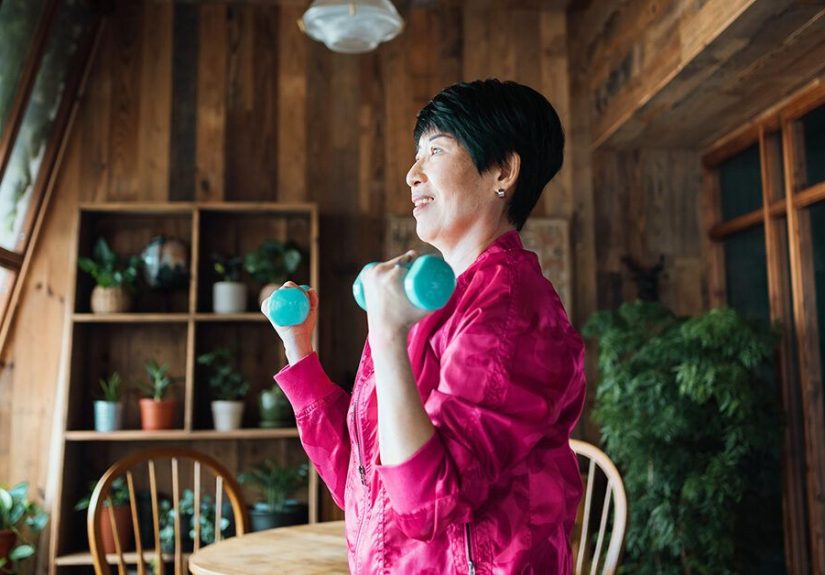
If there is one habit that does the heaviest lifting in fall prevention, it is regular movement. Stronger legs, hips, and core muscles help you stay upright, react faster, and recover when you trip or lose your footing. Balance training improves how well your body senses position and responds to movement. Together, those skills are a very useful argument against falling.
You do not need to train like you are preparing for the Olympics or trying out for an action movie. Simple exercises done consistently can make a real difference. Walking, sit-to-stands from a sturdy chair, heel-to-toe walking, step-ups, gentle squats, tai chi, and supervised balance exercises are common starting points. Many healthcare organizations recommend routines that combine strength, gait, and balance work because they target the exact abilities most linked to fall risk.
A practical weekly plan might include walking most days, two or three sessions of strength work, and a few short balance sessions. For example, someone might practice standing on one leg while holding the kitchen counter, do chair rises during TV commercials, and join a tai chi class twice a week. That is not flashy, but it is effective.
The most important rule is this: choose exercises that match your current ability. If you already feel unsteady, start with support nearby or work with a physical therapist. The goal is progress, not drama. Nobody gets bonus points for wobbling heroically into a lamp.
2. Review Your Medications Like a Detective
Sometimes the culprit behind a fall is not the floor. It is the medicine cabinet. Many prescription and over-the-counter drugs can increase fall risk by causing dizziness, sleepiness, blurred vision, slower reaction time, confusion, or a sudden drop in blood pressure when you stand up.
Common examples include sleep aids, anti-anxiety medications, some antidepressants, some blood pressure medicines, anticholinergic drugs, and medications that affect blood sugar. The risk may be even higher when several medicines are used together. This is why medication review is not just paperwork. It is a safety strategy.
Ask your doctor, pharmacist, or nurse practitioner to review everything you take, including supplements and over-the-counter products. Bring the actual bottles or keep an updated list on your phone. Good questions to ask include:
- Could any of these medications make me dizzy or drowsy?
- Do any combinations increase my fall risk?
- Should timing or dosage be adjusted?
- Are there safer alternatives?
This matters especially if you have recently started a new medication, changed a dose, or noticed symptoms such as lightheadedness, grogginess, or feeling “off” when you get out of bed. If you stand up and suddenly feel like your soul momentarily left your body, that is worth mentioning at your next appointment.
3. Keep Vision and Hearing Checks on Your Calendar
Balance is not just about muscles. It also depends on input from your eyes, ears, nerves, and brain. When vision becomes blurry or depth perception changes, stairs, curbs, clutter, and uneven flooring become much harder to judge. Hearing problems can also affect awareness of the environment and are linked with higher fall risk in some adults.
Regular eye exams can catch cataracts, glaucoma, outdated prescriptions, and other changes that affect safe movement. If you wear glasses, make sure the prescription is current and the lenses are appropriate for daily walking. Some people notice that bifocals or progressive lenses can make stairs and curbs harder to judge, so it helps to talk with an eye care professional about what works best for your routine.
Do not ignore hearing, either. If you use hearing aids, keep them working well. If you often feel dizzy, off-balance, or disoriented, tell your provider. Inner ear problems, dizziness disorders, neuropathy, and other conditions can all affect stability, and they are often treatable or manageable once identified.
This is one of the easiest fall-prevention wins available: clearer input leads to safer movement. Your body drives better when the windshield is clean.
4. Make Your Home Less Sneaky
Your home should not feel like an obstacle course designed by a mischievous game show producer. Yet that is exactly what many homes become over time. Loose rugs, cords across walkways, slippery bathrooms, dark hallways, cluttered stairs, and frequently used items stored on high shelves all increase the odds of a fall.
A room-by-room safety check can dramatically reduce risk. Start with the obvious troublemakers:
- Remove loose rugs or secure them firmly.
- Keep walkways clear of cords, shoes, pet toys, and clutter.
- Add bright lighting in hallways, stairways, bedrooms, and entryways.
- Install grab bars near the toilet and in the shower or tub.
- Use non-slip mats in wet areas.
- Add handrails on both sides of stairs when possible.
- Store everyday items within easy reach so you do not need to climb on stools or chairs.
Bathrooms and stairs deserve special attention because they combine slippery surfaces, awkward movements, and bad consequences. A raised toilet seat, shower chair, handheld shower head, or extra railing can make daily routines much safer without making the home feel clinical.
If you are helping a parent or older relative, do the walk-through together. What looks harmless to one person may be a real hazard to someone with reduced balance, poor vision, or slower reaction time.
5. Wear the Right Shoes and Use Supportive Devices
Footwear matters more than people think. Shoes that are too loose, too worn out, too slick, too high, or too floppy can quietly sabotage balance. That includes backless slippers, shoes with smooth soles, and the beloved but risky “I’ll just wear these around the house” pair that has clearly retired from being structurally helpful.
Look for shoes with non-slip soles, a secure fit, low heels, and enough support to keep your foot stable. Indoors, avoid walking in socks on slick floors unless the socks are specifically designed with grips. If you have bunions, neuropathy, swelling, or foot pain, ask a podiatrist or healthcare provider what type of shoe is safest for you.
Assistive devices can also make a big difference. A cane or walker is not a sign of failure. It is a tool. A good one, when properly fitted. In fact, the wrong cane height or poorly adjusted walker can create new problems, so it is worth having a professional show you how to use it correctly. Handrails, grab bars, reachers, and raised seats can also reduce awkward movements that often lead to falls.
The goal is not to prove you can do everything without help. The goal is to keep moving safely and confidently.
6. Create a Daily Routine That Protects Your Balance
Fall prevention is not one grand decision. It is a collection of tiny choices repeated often. The way you get out of bed, how quickly you stand up, whether you stay hydrated, whether you ignore numb feet, whether you tell your doctor about yesterday’s near-fall, all of that counts.
Start by slowing transitions. If you tend to feel dizzy when you stand, pause at the edge of the bed for a moment before walking. Rise from chairs more slowly. Give your blood pressure and balance a second to catch up with your ambitions.
Hydration matters, too. Dehydration can contribute to weakness, confusion, and lightheadedness. So can skipped meals. Eating regularly and drinking enough fluids may sound almost too basic to be useful, but sometimes basic is exactly what works.
This is also the place to manage chronic conditions well. Keep blood sugar stable if you have diabetes. Report numbness, tingling, dizziness, new weakness, or frequent bathroom urgency. Ask about osteoporosis screening or treatment if bone health is a concern. And most importantly, tell a healthcare provider if you have already fallen, even if you were not badly hurt. A past fall is one of the strongest warning signs for another one.
A simple daily fall-prevention routine might include stretching in the morning, standing up slowly, wearing proper shoes indoors, turning on lights before walking through the house at night, keeping a phone nearby, and doing a short balance exercise near a sturdy counter. These are not dramatic lifestyle overhauls. They are smart adjustments that add up.
Signs Your Fall Risk May Be Increasing
Sometimes risk rises quietly. You may not notice it until a near-miss happens in the bathroom or on the front steps. Watch for these signs:
- You feel unsteady when turning or walking on uneven ground.
- You grab furniture for support.
- You avoid stairs or certain rooms because they feel harder to navigate.
- You have had dizziness, faintness, or sudden weakness.
- You have fallen before or had several close calls.
- You feel more afraid of falling than you used to.
Fear of falling may sound emotional, but it is also functional. People who become worried about falling often move less, and less movement leads to more weakness. That is why addressing fear matters as much as addressing the physical risks.
What to Do After a Fall
If you do fall, do not automatically dismiss it as “nothing.” Even a minor fall can reveal a balance problem, medication issue, blood pressure drop, foot problem, or home hazard that needs attention. If you hit your head, have severe pain, cannot bear weight, or feel confused, seek medical care promptly.
Even when injuries seem small, tell your healthcare provider. They may recommend a fall-risk assessment, physical therapy, medication review, mobility testing, or home modifications. That is not overreacting. That is using a warning sign the way it is supposed to be used.
Real-Life Experiences With Fall Prevention
The experiences below are illustrative composites based on common fall-prevention situations people and caregivers face.
One of the most common experiences people describe is surprise. They did not think of themselves as “at risk” until something ordinary suddenly felt unstable. Maybe it was stepping off a curb, reaching into a cabinet, or rushing to the bathroom at night. The moment itself was small, but it changed how they saw their own movement. Many say the first big lesson was not that they were weak. It was that their routines had quietly changed and nobody had really noticed.
Another common experience is frustration with simple fixes that turned out to matter a lot. People often laugh later about the tiny changes they resisted: moving a lamp, removing a rug, wearing sturdier shoes, or using a grab bar in the shower. At first, those adjustments can feel annoying or overly cautious. Then, after a few weeks, they start to feel normal. The funniest part is that many people later say, “Why did I wait so long to do this?” Apparently, human beings will reorganize an entire closet before agreeing that the rug with the curled corner is trying to kill them.
Caregivers often describe a different experience: the challenge of bringing up fall prevention without making a loved one feel old, controlled, or incapable. That conversation can be delicate. The most successful families tend to frame changes around independence, not limitation. Instead of saying, “You can’t do that anymore,” they say, “Let’s make this easier and safer so you can keep doing it.” That shift in language matters more than people think.
People who begin exercise programs often report that the first benefit is not dramatic strength. It is confidence. They start feeling steadier getting out of a chair, walking across a parking lot, or turning around in the kitchen. A physical therapist may teach them how to shift weight safely, use a walker properly, or recover balance after a stumble. Those skills can reduce fear in everyday life, which makes it easier to stay active. Confidence builds activity, and activity builds confidence. It is one of the rare cycles that deserves fan mail.
Medication review can also be eye-opening. Some people spend months assuming they are just tired or clumsy, only to learn that a sleep aid, blood pressure medication, or combination of prescriptions may be contributing to dizziness. A change in timing, dose, or medication type can make a noticeable difference. The same goes for vision care. More than a few people realize their glasses are outdated only after a fall scare makes them pay attention to how blurry stairs or curbs have become.
Perhaps the most powerful experience people share is this: prevention works best when it becomes routine rather than emergency response. The folks who do best are rarely the ones chasing perfect health. They are the ones who build practical habits, ask good questions, and make adjustments before a crisis. They keep paths clear, stay active, speak up about symptoms, and accept help when needed. Fall prevention is not glamorous. It will not go viral for being exciting. But it quietly protects mobility, confidence, and independence, which is a pretty impressive job for something built out of small daily choices.
Conclusion
Reducing your risk of falling does not require fear, perfection, or an extreme makeover. It requires attention. Stronger muscles, safer rooms, better footwear, smarter medication review, regular vision care, and a few steady daily habits can dramatically improve the odds in your favor. The best part is that these steps support more than fall prevention. They also help protect independence, energy, and quality of life.
So if you have been meaning to “get around to” making a few changes, consider this your polite nudge. Start with one fix today. Then add another tomorrow. Fall prevention works best when it is boring, consistent, and built into real life. Which, in health terms, is usually code for “it actually works.”