Table of Contents >> Show >> Hide
- Why Crowd-Voted Animal Photos Hit Different
- The Crowd-Voted Hall of Fame: 50 Animal Photo Moments People Can’t Stop Voting For
- How to Shoot Crowd-Pleasing Animal Photos (Without Annoying the Animal, the Rangers, or the Universe)
- Quick FAQ
- The Crowd, The Camera, The Moment: of Real-World Experience (The Kind You Feel in Your Bones)
- Conclusion
If you’ve ever clicked a “People’s Choice” vote button with the confidence of a seasoned art critic (“Yes, obviously, the raccoon holding cotton candy deserves a medal”), you already know the truth:
crowd-voted animal photos aren’t just about technical perfection. They’re about connection.
The crowd rewards images that feel like a tiny story you can understand in half a secondbecause that’s about how long most of us stare at a photo before we decide it’s worthy of a heart,
a laugh, or a dramatic “SEND THIS TO EVERYONE I’VE EVER MET.”
Why Crowd-Voted Animal Photos Hit Different
1) The “I Know That Look” Effect
Humans are basically emotion detectors wearing sneakers. Photos that show clear expressionscuriosity, mischief, stubborn pride, mild existential dreadget votes because we recognize ourselves.
Especially in pets. Especially in cats. (Cats have mastered the facial expression of “pay your taxes.”)
2) Instant Readability Wins on Phones
Judges might zoom in and admire feather detail. The crowd mostly sees the photo in a small rectangle while waiting for coffee.
That’s why crowd favorites tend to have strong silhouettes, clean backgrounds, bold contrast, and obvious subjectsimages you can “read” at a glance.
3) Humor Is a Shortcut to Love
A perfectly timed sneeze, an awkward landing, a dog’s ears doing their own choreographyhumor makes the photo shareable.
And shareable is basically the crowd-vote superpower.
4) Power Isn’t Always Loud
“Powerful” doesn’t have to mean teeth and talons. A quiet portrait of an animal in harsh weather, a tender moment between parent and young, or a scene showing habitat loss can feel powerful
because it carries meaning beyond “wow, cool animal.”
5) The Crowd Still Cares About Ethics (Even If They Don’t Say It Out Loud)
The best crowd-loved images usually feel naturalanimals behaving like animals, not like unwilling actors in a chaotic photo shoot.
Ethical choices (keeping distance, not baiting, not stressing wildlife) often lead to calmer, more authentic behaviorand that authenticity is what viewers trust.
The Crowd-Voted Hall of Fame: 50 Animal Photo Moments People Can’t Stop Voting For
Below are 50 “photo moments” that consistently win hearts in crowd-voted galleriesranging from goofy, joyful scenes to images that feel like nature’s epic movie trailer.
Use them as inspiration, caption ideas, or a checklist for your next shoot.
Playful & Relatable (Because Joy Is a Universal Language)
- The Head Tilt A dog or fox tilting its head like it’s processing your life choices. Bonus points if one ear is “on duty” and the other is “on vacation.”
- Mid-Shake Chaos The perfectly timed wet-dog shake where physics gives up. Droplets frozen midair = instant crowd favorite.
- The Sneezing Surprise A sneeze caught at maximum drama: eyes squeezed shut, whiskers flared, dignity temporarily unavailable.
- Zoomies in Motion A puppy sprinting with the unstoppable energy of a tiny tornado, ears flapping like proud little flags.
- “I Meant To Do That” Landing A cat, squirrel, or goat mid-hop with a slightly questionable trajectory that screams confidence anyway.
- Box Logic A cat wedged into something that cannot possibly be comfortable, proving once again that cats do not live by human rules.
- Bird Bath Splash Party Tiny birds flinging water like they’re celebrating a championship. Great in bright backlight or crisp shade.
- Parrot Side-Eye A parrot delivering a look that says, “I have opinions, and none of them are flattering.”
- Curious Nose-to-Lens Moment A gentle boop from a curious animal (often a dog, horse, or friendly farm animal) with a shallow depth-of-field glow.
- Best Friends, Different Species Two animals that “shouldn’t” be friends by stereotype, calmly proving the internet wrong in one frame.
- The Tongue Bleps A dog, alpaca, or lizard with a tiny tongue outaccidentally hilarious, instantly lovable.
- Mirror Confusion A pet confronting its reflection like it just discovered a rival with the same haircut.
- Food Anticipation Face That wide-eyed, laser-focused stare animals reserve for treats. (Humans do this too; we just call it “brunch.”)
- Goofy Hat, Maximum Seriousness A pet wearing something silly while looking deeply offended by the concept of fun.
- Herd Stampede Energy A group of animals running togetherpuppies, goats, horsescapturing movement, community, and chaos in one package.
- “Is That… Snow?!” First-snow reactions: dogs leaping, cats reconsidering life, wild animals wearing a fresh layer of winter sparkle.
- Play-Bow Invitation The classic dog play-bow: front paws down, tail up, “let’s go!” written all over their posture.
- After-Bath Betrayal A pet wrapped in a towel giving you a look that belongs in a courtroom drama.
Powerful & Wild (The “Nature Is Not Here To Entertain Us, But It Accidentally Does” Category)
- Eyes in the Storm A portrait of an animal in harsh weather (snow, rain, dust) with sharp eyes that feel like they’re looking through you.
- Predator in Profile A clean side profile of a wolf, big cat, or raptorsimple composition, strong shape, pure presence.
- Talons or Claws Mid-Action A raptor swooping, a bear fishing, a big cat stepping forwardaction that’s clear, dramatic, and respectful.
- Whale Breach or Dolphin Leap The big cinematic moment: a leap that turns a photo into a postcard from another planet.
- Elephant Dust Bath Dust exploding into sunlight around a massive animalpower plus texture plus atmosphere equals crowd magnet.
- Moose in Morning Fog A large animal emerging from mist like the opening scene of a fantasy film.
- Migration Lines Birds in formation or herds on the movean image that suggests a journey bigger than the frame.
- Underwater Calm A turtle, ray, or fish in clear water with a peaceful moodpowerful because it’s serene and rare.
- Lightning-Sky Wildlife Silhouette An animal shape under dramatic skies. (The crowd loves when the background looks like it has a soundtrack.)
- Mother-and-Young Tenderness A quiet scene of care: grooming, sheltering, teaching. It’s powerful because it’s universal.
- “Tiny vs. Huge” Scale A small animal framed against a vast landscapedesert dunes, redwoods, mountainsshowing how big the world is.
- Fierce Stillness A predator resting but alert. The tension of calm energy makes people stare longer.
- Bird-in-Flight at Peak Form Wings fully extended, clean background, crisp focusan image that feels like a triumph of timing.
- Reptile Texture Portrait Close detail on scales, eyes, and patternsviewers vote because it looks unreal, like living armor.
- Winter Survival Scene Tracks in snow, fur fluffed, breath visibleimages that remind people nature is not always soft.
- “Urban Wildlife” Surprise A wild animal navigating a human-built spacepowerful because it reveals coexistence, tension, and resilience.
- The Perfect Reflection An animal mirrored in still waterclean symmetry that makes people stop scrolling immediately.
- One Beam of Light Spotlight lighting through trees or clouds hitting the subject like nature is running stage lighting.
Poetic & Meaningful (Where “Powerful” Turns Into “I’m Feeling Things Now”)
- Rescue & Recovery Portrait A before/after-style story told through expression: fear replaced by calm, tension replaced by trust.
- Old Animal, Wise Face An older dog, horse, or elephant with visible age and gentlenessimages people vote for with their whole heart.
- The “Look Back” Moment An animal walking away but glancing backinstantly feels like a story with a beginning, middle, and “what happens next?”
- Habitat as Character A bird in marsh grass, a fox in wildflowers, a seal on a rocky shorehabitat included so the place matters, not just the animal.
- Small Creature, Big Detail A macro-style moment: a bee dusty with pollen, a frog’s eye reflecting lighttiny worlds made dramatic.
- The Gentle Giant A massive animal behaving softly (a whale near the surface, a horse nuzzling) that flips expectations.
- “Hands” Without Hands Animals touching: paws, trunks, nosescontact that reads as connection.
- Night Portrait With Respectful Light Low light, minimal disturbance, moody tonesimages that feel intimate without feeling intrusive.
- Play in the Wild A wild animal playingrolling, chasing, leapingreminding viewers that “wild” doesn’t mean “grim.”
- Birdsong in a Picture A singing bird with an open beak and lifted postureviewers “hear” it, which makes the photo stick.
- Crossing Paths A deer on a trail, a fox near a fenceimages that quietly highlight how close our worlds already are.
- Rain-Soaked Portrait Wet feathers, glistening fur, droplets on whiskerstexture plus mood equals crowd applause.
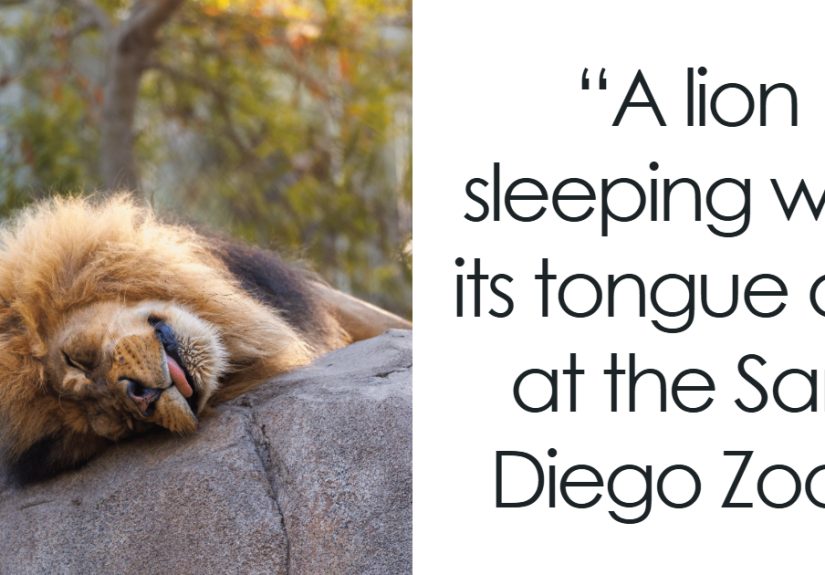
- The “Tiny Nap” Moment A curled-up animal sleeping in a surprising placesoftness that feels like a permission slip to breathe.
- Color Pop Animal An animal framed by bold natural colorautumn leaves, bright flowers, coralsimple composition, huge visual payoff.
How to Shoot Crowd-Pleasing Animal Photos (Without Annoying the Animal, the Rangers, or the Universe)
Capture motion without turning it into modern art (unless you mean to)
- Action = faster shutter speed. For running, flapping, splashing, or general chaos, prioritize speed and let ISO rise if needed.
- Use continuous focus and burst mode. You want a short “sequence” so you can pick the exact frame where eyes are sharp and the pose is magic.
- Focus on the eyes. If the eyes are tack sharp, viewers forgive almost everything else. If the eyes are soft, the crowd scrolls.
Composition rules the crowd actually votes for
- Get to eye level. Photos feel more intimate when you meet animals where they livelow, grounded, and close to their world.
- Clean backgrounds beat “busy realism.” Step left, kneel down, or change angle to remove distractions.
- Leave space for the story. Give an animal room to “look into” or “move into.” It creates tension and direction without extra words.
- Include habitat when it adds meaning. A bird surrounded by reeds or a fox in snow doesn’t just look goodit explains the animal’s life.
Ethics aren’t a mood. They’re the assignment.
- Don’t crowd wildlife. If an animal changes behavior because you’re there, you’re too close. Back up and use a longer lens.
- Don’t bait, chase, corner, or “coach” the scene. You’re photographing nature, not directing a reality show.
- Be extra careful around nests, dens, and young. The photo is never worth stress, abandonment, or danger.
- Respect local rules. Parks, refuges, and coastlines often have specific distance guidelines for both safety and animal welfare.
Edit like a storyteller, not a magician
Crowd-voted photos often pop because the subject is clear. Light adjustmentscontrast, exposure, cropping for impactcan help the story read quickly.
But the fastest way to lose trust is to make the scene feel fake. If you remove major elements or heavily alter reality, label it as art. Honesty keeps fans.
Quick FAQ
Do crowd-voted animal photos need pro gear?
Not necessarily. Crowds vote for emotion, clarity, and timing. A clean, well-timed phone photo can beat an expensive camera shot that feels distant or confusing.
What’s the #1 mistake people make?
Getting too closeespecially with wildlifebecause “it’ll look better.” Often it looks worse (stressed behavior, awkward angles) and risks safety. Distance + patience wins.
How do I make my animal photos more “voteable”?
Make the story obvious: sharp eyes, simple framing, and a moment viewers instantly understand. If someone can caption it in five words, you’re on the right track.
The Crowd, The Camera, The Moment: of Real-World Experience (The Kind You Feel in Your Bones)
There’s a special kind of suspense in animal photography that doesn’t exist in most other genres: you can do everything right and still lose the moment because your subject has its own agenda.
That’s true whether you’re photographing a dog in the backyard or wildlife on a trail. You can set your shutter speed, pick your angle, and frame the scene like a geniusthen your subject
decides to sit down and lick its elbow for eight uninterrupted minutes. (Art.)
The funny part is that this unpredictability is exactly why crowd-voted galleries are so addictive. When people vote, they’re not just rewarding beauty; they’re rewarding
luck plus readiness. Viewers sense the “you had to be there” energy. A dog mid-splash. A bird caught in flawless wing position. A cat frozen in the split second between confidence
and regret. These photos feel like stolen miraclessmall, chaotic miracles, but miracles all the same.
And the experience of chasing these moments changes how you see animals day to day. You start noticing patterns: the half-second pause before a dog shakes off water, the way birds telegraph
takeoff with tiny posture shifts, the calm rhythm of breathing when an animal finally settles. Patience stops being a virtue you admire and becomes a tool you use.
You wait. You watch. You learn to move slowly, because fast movement doesn’t just scare animalsit also ruins your framing. You learn that the best “approach” is often not approaching at all:
staying still long enough that the scene comes to you.
On the voting side, crowds tend to reward the same feelings photographers chase in the field: delight, awe, tenderness, surprise. People vote for the photo that made them laugh out loud at a
desk they’re supposed to be working at. They vote for the image that made them stop and think, even if they can’t explain why. They vote for a portrait where the eyes look backbecause eye contact
turns an animal from “subject” into “somebody.” And once it’s somebody, the crowd is emotionally invested.
There’s also a behind-the-scenes reality most viewers don’t see: the ethical decisions that shape the final image. The best animal photosespecially wildlifeoften come from restraint.
Choosing a longer lens instead of stepping closer. Waiting for natural behavior rather than provoking it. Leaving early because the animal looks stressed, even if the light is perfect.
Ironically, that restraint often produces the most powerful images, because the animal is calmer and more itself. The expression looks real. The posture looks natural. The moment feels honest.
And honesty is what makes a crowd trust a photo enough to vote for it.
So whether you’re aiming for a contest, a “People’s Choice” gallery, or just the family group chat Hall of Fame, the experience is the same: show up, be ready, respect the subject,
and let animals do what they do bestbe unforgettable without trying.
Conclusion
Crowd-voted animal photos travel fast because they’re emotional shortcuts: joy, awe, tenderness, surprisedelivered in one frame.
If you want your images to move people, focus on moments that feel true, keep your subjects comfortable and safe, and make the story readable in an instant.
Playful or powerful, the crowd isn’t just voting for an animalthey’re voting for how the photo made them feel.