Table of Contents >> Show >> Hide
- What Is a Frost Fireclay Kitchen Sink?
- How Fireclay Sinks Are Made (and Why It Matters)
- Key Benefits of a Frost Fireclay Kitchen Sink
- Potential Drawbacks You Should Know
- Choosing the Right Frost Fireclay Sink for Your Kitchen
- Installation and Maintenance Tips
- Design Ideas Featuring a Frost Fireclay Sink
- Is a Frost Fireclay Kitchen Sink Right for You?
- Real-Life Experiences with Frost Fireclay Kitchen Sinks
If you’ve been dreaming of a bright, beautiful farmhouse-style kitchen sink that can
handle everything from pasta pots to your accidentally-dropped cast-iron skillet,
the Frost fireclay kitchen sink is probably already on your mood board. This sink
blends timeless design with heavy-duty performance, giving you that magazine-worthy
apron-front look without forcing you to baby it like an antique teacup.
In this guide, we’ll walk through what makes a Frost fireclay kitchen sink special,
how fireclay is actually made, the real pros and cons, and what you should know
about installation, maintenance, and everyday use. By the end, you’ll know whether
this gleaming white workhorse deserves a starring role in your kitchen renovation.
What Is a Frost Fireclay Kitchen Sink?
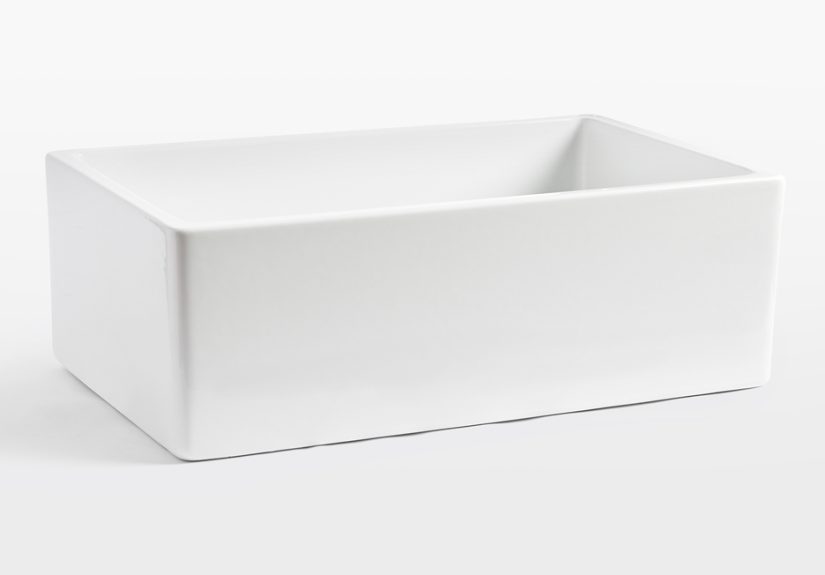
“Frost” typically refers to a specific line of fireclay apron-front sinks designed
with clean, modern edges and a classic farmhouse silhouette. These sinks are made
from dense fireclay and finished with a glossy porcelain enamel glaze that naturally
resists stains, helps inhibit bacterial growth, and stands up to high temperatures
from hot pots and pans.
Most Frost fireclay sinks are:
- Apron-front: The front of the sink is exposed, extending slightly beyond the cabinets for a bold design statement.
- Single or double bowl: You can choose a roomy single basin for big pans or a double bowl for multitasking.
- Reversible in some models: One side may be more decorative, while the other is smoother for a sleeker look.
- Neutral in color: Usually a crisp white or soft off-white that works with almost any cabinet finish and countertop material.
In short, a Frost fireclay kitchen sink is a style-forward, performance-minded
version of the traditional farmhouse sink, built for real-life cooking not just
pretty pictures.
How Fireclay Sinks Are Made (and Why It Matters)
Fireclay sounds like something a dragon would decorate its cave with, but the
process is surprisingly methodical and highly engineered.
- Molding: A blend of clay and minerals is poured or pressed into a sink mold.
This creates the basic shapeapron, basin, drain location, and any subtle curves. - Drying: The molded sink is air- or kiln-dried for up to a couple of days. Slow,
even drying prevents warping or cracking. - Glazing: A porcelain enamel glaze is sprayed or poured over the surface, giving the
sink its glossy finish and helping seal the clay body. - High-temperature firing: The real magic happens when the sink is fired in a kiln
at extremely high temperaturesoften over 2000°F (around 1100–1200°C). This fuses the
glaze and clay into a single, vitrified, non-porous surface that’s incredibly
strong and highly resistant to stains, scratches, and heat.
This intense firing process is why a Frost fireclay sink can handle boiling pasta
water one minute and a stack of plates the next without flinching.
Key Benefits of a Frost Fireclay Kitchen Sink
1. Serious Durability
Fireclay is one of the toughest sink materials available. It’s denser and more chip-
resistant than many porcelain or enameled cast-iron sinks, which can show wear,
rust, or chipping if the enamel cracks.
For a busy kitchenkids tossing dishes in, adults juggling meal prep, the occasional
dropped panthis durability is a big deal. A Frost fireclay sink is designed to be
a workhorse, not a fragile showpiece.
2. Stain and Scratch Resistance
Thanks to the vitrified, glossy enamel surface, fireclay sinks are:
- Highly resistant to stains from coffee, red wine, tomato sauce, and other kitchen villains
- Scratch resistant, especially when paired with a stainless-steel bottom grid
- Easy to wipe clean with mild soap and water
A Frost sink often ships with a grid that keeps heavy pots slightly elevated, helping
protect the basin from scuffs and allowing water to drain freely.
3. Heat Tolerance
Fireclay sinks are known for shrugging off high temperatures, so setting a hot
pot in the sink won’t instantly cause damage. You still shouldn’t slam cast-iron
cookware into any sink, but fireclay gives you a much more forgiving buffer than
many lighter materials.
4. Timeless Farmhouse Style
The Frost fireclay sink nails that sweet spot between classic and contemporary.
The apron-front profile feels traditional, while the simple, squared-off lines and
bright white surface work beautifully with modern Shaker cabinets, dark painted
islands, or even sleek slab doors.
Whether your kitchen mood is “refined cottage,” “modern farmhouse,” or “I just really
like white sinks,” the Frost design slides in easily.
Potential Drawbacks You Should Know
No sink is perfect, even one that sounds like it belongs in a Scandinavian fairy
tale. Before you commit, keep these considerations in mind:
- Weight: Fireclay sinks are heavyoften 100 pounds or more. Your base cabinet may
need reinforcement, and installation requires careful support. - Cost: Fireclay usually costs more than basic stainless steel or porcelain sinks, and
a premium Frost model is often in the “splurge but worth it” category. - Hand-crafted quirks: Because fireclay sinks are often finished by hand and fired at
high heat, minor variations in size or surface are normal. Your cabinet maker or
installer should measure the actual sink before building or cutting cabinetry. - Potential for surface marks: While very resistant, the glossy surface can still
show metal marks from pans. The good news: these marks usually buff out with a gentle
cleaner or baking soda paste.
Choosing the Right Frost Fireclay Sink for Your Kitchen
1. Single vs. Double Bowl
Frost sinks come in both single and double-bowl configurations. If you frequently
wash oversized roasting pans, baking sheets, or stockpots, a single large basin is
incredibly practical. If you prefer to separate prep and cleanupor want a dedicated
spot to dry fragile glasswarea double bowl may be more your style.
2. Size and Cabinet Fit
Common Frost fireclay sinks range from around 30 to 36 inches wide. Before falling
in love with a specific model, confirm:
- Your base cabinet is wide enough for the sink’s outside dimensions.
- There’s enough room beneath for plumbing, disposal, and any water filters.
- Your countertop template will be made from the real, delivered sinksmall
dimensional variations are normal with fireclay.
3. Style Details
Some Frost designs are ultra-minimal, with straight, flat aprons. Others have
subtly curved fronts that soften the look. Consider:
- Flat apron: Feels more modern and streamlined.
- Gentle curve: Adds a touch of traditional charm.
- Apron thickness: A chunkier apron can feel more substantial and “built-in.”
Pair the sink with hardware and faucets that match your kitchen personalitybrushed
brass for warmth, polished chrome for a crisp, classic look, or matte black for a
modern edge.
Installation and Maintenance Tips
Get the Installation Right
Because of their weight and front-apron design, Frost fireclay sinks should be
installed by someone familiar with farmhouse sinks. Key points:
- Reinforce the cabinet base with a solid support frame.
- Dry-fit the sink before countertops are fabricated.
- Use a flexible, water-resistant sealant at the joints where sink, counter, and cabinets meet.
A well-supported sink won’t sag, crack, or stress your countertop over timea big
win for both aesthetics and longevity.
Daily Care: Low Effort, High Reward
Maintaining a Frost fireclay kitchen sink is straightforward:
- Rinse and wipe the basin daily with warm water and a soft cloth or sponge.
- Use a mild dish soap or gentle cleaner for everyday grime.
- For stubborn spots or metal marks, use a baking soda paste or a non-abrasive scrub.
- Dry the sink after heavy use to minimize mineral spots if you have hard water.
Some homeowners like to occasionally apply a tiny bit of mineral oil or specialized
sink polish to help water bead and to maintain the glossy sheen, but that’s more of
a “nice-to-do” than a strict requirement.
Design Ideas Featuring a Frost Fireclay Sink
A Frost fireclay sink can adapt to several kitchen aesthetics. Here are a few
combinations that look especially good:
Modern Farmhouse
- White Frost fireclay sink
- Soft gray or sage-green shaker cabinets
- Warm brass or brushed gold faucet and hardware
- Quartz countertops with subtle veining
Classic Black-and-White
- Glossy white Frost sink
- Black or deep navy lower cabinets, white uppers
- Marble-look counters and simple subway tile backsplash
- Polished chrome bridge faucet for a timeless feel
Cozy Cottage
- Frost fireclay sink centered under a big window
- Warm wood or cream-colored cabinets
- Butcher-block counters or warm-toned quartz
- Soft, vintage-inspired faucet and airy café curtains
In all of these layouts, the sink becomes one of the main focal pointsfunctional,
but also a design element you’ll notice every time you walk into the room.
Is a Frost Fireclay Kitchen Sink Right for You?
Choose a Frost fireclay kitchen sink if:
- You want a durable, long-lasting sink that can handle a high-traffic kitchen.
- You love the look of a farmhouse or apron-front sink.
- You’re comfortable paying a bit more upfront for better performance and style.
- You’re okay with hiring a pro installer or carpenter to reinforce the cabinet and set it properly.
You might want to consider other materials if:
- Your budget is very tight and you’re prioritizing initial cost above all else.
- You’re not planning to reinforce cabinetry or bring in a pro for installation.
- You prefer a top-mount sink with a traditional rim rather than an apron-front style.
For many homeowners, though, a Frost fireclay sink ends up being a favorite upgrade
the thing they show off to friends and secretly smile about every time they rinse
a mug.
Real-Life Experiences with Frost Fireclay Kitchen Sinks
Beyond specs and marketing copy, what does life actually look like with a Frost
fireclay sink in the middle of your kitchen routine? Here’s a longer, experience-
based view that pulls together common themes from homeowners and designers.
The First Week: The “Wow, This Is Pretty” Phase
The first thing most people notice after installing a Frost sink is how much it
changes the feel of the kitchen. Even if nothing else has been updated yet, that
apron-front design instantly elevates the space. You’re suddenly more likely to
clear the counters and take a photobecause yes, your sink is now photogenic.
You’ll also notice how deep the basin is. For many families, this is the best part:
baking sheets lie flat, Dutch ovens disappear into the basin, and a spontaneous
flower-arranging session suddenly feels very doable.
Month Three: Getting Used to the Routine
After a few months, the Frost fireclay sink transitions from “new toy” to “trusted
sidekick.” You figure out your maintenance rhythmmaybe a quick wipe-down at night
and a slightly deeper clean on weekends. If you have a grid, you probably love it:
it stops plates from clanging against the bottom and makes hand-washing surprisingly
comfortable.
You’ll likely discover that everyday messes don’t stick around. Coffee, berries,
spaghetti saucemost of it rinses right away. On the rare occasion you do see a
faint mark or scuff, it usually disappears with a little baking soda and water and
a soft sponge.
Year One: The “I’d Buy It Again” Check-In
By the end of the first year, most homeowners decide they’d choose a fireclay sink
againespecially if they cook frequently. The sink still looks bright and glossy,
and the durability tends to inspire confidence. You stop worrying about setting hot
pans in it or loading it up with dishes after a dinner party.
The main feedback at this stage often has more to do with lifestyle than with the
sink itself:
- Families who cook a lot love the space and robustness.
- Minimalist or infrequent cooks may feel they “over-bought,” but still enjoy the look.
- Anyone who stands at the sink a lot appreciates the apron-front design, which
brings you closer to the basin and can reduce the lean over the countertop edge.
Long-Term Living: Tiny Quirks, Big Payoff
Over several years, the biggest “quirks” tend to be practical things: remembering
to occasionally clean out the drain basket, or to wipe mineral deposits if you
have hard water. Some homeowners notice tiny surface variations or hairline crazing
in the glazecommon in ceramic productsbut these are usually cosmetic and don’t
affect performance.
In return, you get a sink that still looks good in photos, still handles your
busiest cooking days, and still earns compliments from guests. For many people,
that combination of long-term beauty plus everyday toughness is exactly why the
Frost fireclay kitchen sink ends up being the hero of the renovation.
If you’re looking for a sink that feels substantial, looks timeless, and can keep
up with your real life (kids, pets, late-night snacks, and all), the Frost fireclay
kitchen sink is more than just a pretty faceit’s a genuinely practical upgrade.