Table of Contents >> Show >> Hide
- What Exactly Is a “Tractor” Stool?
- Why Walnut Makes This Stool Feel Like a Upgrade
- High vs Low: Choosing the Right Walnut Tractor Stool Height
- Design Details That Separate “Iconic” from “Just a Stool”
- Where a High/Low Walnut Tractor Stool Shines in Real Homes
- Comfort and Ergonomics: How to Sit on One Without Overthinking It
- Shopping Smarter: A Practical Checklist Before You Buy
- Care and Maintenance: Keeping Walnut Looking Like Walnut
- FAQ
- Wrapping It Up
- Experiences: Living With a High/Low Walnut Tractor Stool (The Real-World Version)
Some furniture tries very hard to be noticed. The walnut tractor stool does the opposite: it sits there quietly, looking expensive,
and thensurpriseyour body actually likes sitting on it. It’s the kind of piece that can live in a kitchen, a studio, or an entryway and somehow
never looks out of place. Like a good black T-shirt, but for your butt.
In this guide, we’ll break down what makes a high/low walnut tractor stool special, how to pick the right height, what “quality”
actually looks like (spoiler: it’s not “some assembly required” plus a tiny Allen key), and how to keep walnut looking rich without turning your stool
into a science experiment.
What Exactly Is a “Tractor” Stool?
A tractor stool gets its name from the seat shape: that familiar, gently scooped “saddle” silhouette inspired by old tractor or work seats.
Unlike a flat, backless perch that treats your sit bones like a rent check, the tractor-style seat is carved to cradle you. It’s not a lounge chair.
It’s a “sit upright, talk to your friends, chop some onions, make a plan” kind of seat.
The sculpted seat is the whole point
The magic is in the contouring. A good tractor stool has a seat that dips where you want support and lifts where you need stability.
It’s subtle. You won’t notice it with your eyes as much as your spine will notice it after fifteen minutes.
Backless doesn’t mean comfortless
A well-designed backless stool encourages you to sit more activelyshifting slightly, staying upright, and avoiding the full “I have become one with the couch”
posture. It’s not punishment. It’s posture with manners.
Why Walnut Makes This Stool Feel Like a Upgrade
Walnut has a reputation in furniture for a reason. It’s darker than oak, warmer than most stains pretending to be “espresso,” and it ages with a kind of
confidence. A walnut tractor stool often looks like it already knows your home’s Wi-Fi password.
Color and grain: naturally dramatic, never loud
Black walnut is prized for its deep brown tones and flowing grain. Even when the design is minimal, walnut adds visual interestso the stool can stay simple
without looking basic.
Durability and the “good patina” effect
Walnut is plenty strong for everyday seating, but it’s also honest: it can show dings over time, especially in busy households. The good news?
Those marks often read as patina, not damagemore “lived-in charm,” less “I dropped a cast-iron skillet from orbit.”
Finish matters: oil and sealer vs. thick plastic shine
Many premium wood stools lean toward oil-and-sealer systems that highlight the grain and feel warm to the touch. That finish can be easier to refresh than a
thick, glossy coat, because you can often maintain it with gentle cleaning and occasional re-oiling rather than full refinishing.
High vs Low: Choosing the Right Walnut Tractor Stool Height
“High” and “low” aren’t just vibesthey’re geometry. The right stool height keeps your knees happy, your posture neutral, and your guests from doing that
awkward half-squat while pretending they’re fine.
The quick rule: leave breathing room
Aim for roughly 10–12 inches between the top of the seat and the underside of the counter or table. That’s the comfort zone where legs fit,
posture stays natural, and nobody has to angle their hips like they’re boarding a tiny airplane.
Common height ranges (and where they work best)
| Use Case | Typical Surface Height | Typical Seat Height Range | Best For |
|---|---|---|---|
| Dining table | ~28–30 in | ~18–20 in | Everyday meals, flexible seating |
| Kitchen counter / island | ~34–36 in | ~24–27 in | Prep-friendly perching, casual meals |
| Bar-height top | ~40–42 in | ~28–33 in | Entertaining, “tall table” dining |
When a low walnut tractor stool is the right call
- Extra seating that can slide under a console or vanity without stealing floor space.
- Kid-friendly zones (art tables, bedrooms, reading corners) where a full-height stool is comically tall.
- Studio or workshop setups where you move between standing and sitting and want a quick perch.
- Decor duty as a plant stand, bedside landing pad, or “where I put my hoodie” throne.
When a high walnut tractor stool earns its keep
- Kitchen islands where people actually eat, not just pose with a smoothie.
- Home bars where you want a sculptural seat that looks intentional.
- Open-plan spaces where stools are always visiblewalnut’s warmth helps them feel like furniture, not equipment.
Design Details That Separate “Iconic” from “Just a Stool”
A tractor stool can be a bargain seat with a vaguely saddle-ish top… or a genuinely refined piece of furniture. Here’s what to look for when the photos
all look “nice” but your wallet wants proof.
1) Solid walnut vs. “walnut finish”
“Walnut finish” can mean stain on a different wood, veneer, or a composite core. A solid walnut tractor stool tends to feel heavier,
more substantial, and more repairable over the long haul. If a listing gets vague, assume it’s being vague for financial reasons.
2) Seat carving quality
Crisp, intentional shaping matters. The best seats look smooth and symmetrical, with edges that feel softened rather than sharp. If the saddle shape looks
shallow or flat, the stool may be more “tractor-inspired” than “tractor-comfort.”
3) Stability: leg geometry and footprint
Three legs can be incredibly stable when engineered well (no wobble roulette), while four legs can offer a familiar stance. Either can workjust pay attention
to the footprint and whether the stool looks “tippy” from the side.
4) Footrest comfort (and whether it’s protected)
For taller stools, a footrest isn’t optionalit’s the difference between relaxed sitting and dangling-leg regret. Some premium versions even wrap the footrest
with a protective material to reduce wear. That’s not just a pretty detail; it’s a high-traffic zone.
5) Authenticity and “replica” disclosures
Some marketplaces and retailers explicitly describe “replica” tractor stools. If you care about original design, craftsmanship, materials, or resale value,
read the fine print. If you just want the silhouette for less, be honest about that tooyour stool won’t judge you, but your knees might.
Where a High/Low Walnut Tractor Stool Shines in Real Homes
Kitchen island: the classic landing spot
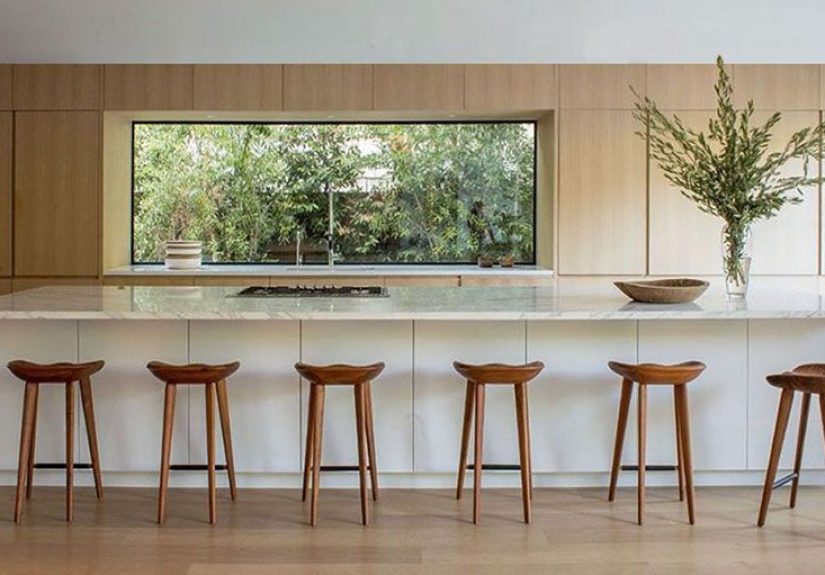
Walnut is a natural match for kitchens because it warms up stone, tile, and stainless steel. A pair (or trio) of high tractor stools can make an island feel
like a destination instead of a chopping station.
Home office: a posture reset seat
If you’re the type to melt into a desk chair, a tractor stool can act like a gentle reminder to sit upright. It’s especially useful for quick tasks,
creative work, or “I’m not staying long” sessions that somehow turn into two hours.
Entryway: the underrated MVP
A low walnut tractor stool near the door is perfect for putting on shoes, holding a bag, or catching the mail you swear you’ll sort “later.”
It adds function without taking over the space.
Bedroom or studio: flexible seating with style
A low version can float between usesvanity seat, bedside perch, guitar corner sidekickwhile still looking like a deliberate design choice.
Comfort and Ergonomics: How to Sit on One Without Overthinking It
The seat shape encourages an upright position, which can feel surprisingly natural once you stop trying to “lounge” on it. Think: sit, not sprawl.
Small habits that make a big difference
- Use the footrest (for high stools). It reduces pressure on your legs and helps you stay balanced.
- Scoot in so your weight is centered on the carved portion of the seat.
- Shift occasionally. Backless seating is best when you allow micro-movements instead of freezing in place.
Shopping Smarter: A Practical Checklist Before You Buy
Measure like you mean it
Measure the surface height and confirm the seat height range that gives you comfortable clearance. If you’re between sizes, prioritize legroom and footrest
comfort over “it looks right in the photo.”
Ask about materials and finish
“Solid walnut,” “sustainably sourced,” and “oil finish” are meaningful phrases when they’re specific. If the listing doesn’t say what the stool is made of,
what the finish is, or how to care for it, assume customer support will be equally poetic.
Consider where the stool will live
- Busy kitchen? Choose a finish you can maintain and don’t panic over the first tiny ding.
- Kids and pets? Go for stability, easy-clean surfaces, and edges that are softened.
- Entertaining? Comfort winsyour guests will remember how they felt, not your stool’s “minimalist purity.”
Care and Maintenance: Keeping Walnut Looking Like Walnut
Walnut furniture doesn’t need a complicated routine. It needs consistency, gentleness, and fewer “life hacks” involving vinegar, steam, or mystery sprays.
Daily/weekly care
- Dust with a soft microfiber cloth.
- Wipe spills quickly with a lightly damp cloth, then dry immediately.
- Avoid harsh chemicals and overly wet cleaningwood hates surprise baths.
Occasional refresh (especially for oil finishes)
If your stool has an oil-and-sealer type finish, it may benefit from an occasional thin re-application of a compatible product, buffed well and wiped clean
of excess. Always test in an inconspicuous area and follow the maker’s guidance if available.
Scratch and ding reality check
Minor marks are normalespecially on seating that actually gets used. Felt pads under the feet help prevent floor scuffs and reduce the “scoot-and-screech”
soundtrack. For deeper issues, gentle touch-up strategies depend on the finish type, so treat advice from the manufacturer as the main authority.
FAQ
Is walnut too soft for a stool?
Walnut is durable enough for everyday seating, but it’s not indestructible. In high-traffic homes, expect normal wear and consider it part of the stool’s
characterespecially with finishes designed to be maintained over time.
Do I need a backrest?
Not always. If you want an upright, active seat for casual meals or quick work sessions, a tractor stool is a great fit. If you host long dinners or plan to
sit for hours, you may prefer at least some back support.
Can I mix high and low tractor stools in one space?
Yesespecially in open layouts. A high stool can live at the island while a low version works as a flexible accent seat nearby. Matching walnut tones keeps
the look cohesive even when heights differ.
Wrapping It Up
A high/low walnut tractor stool is one of those rare furniture pieces that’s equal parts practical and sculptural. Get the height right,
choose real materials when you can, and treat walnut like the natural, living surface it is. Do that, and your stool will age gracefullyunlike that novelty
bar chair you bought in 2016 because it “looked fun.”
Experiences: Living With a High/Low Walnut Tractor Stool (The Real-World Version)
If you’ve never owned a walnut tractor stool, here’s what day-to-day life tends to look likeless showroom, more “where did everyone end up standing around
talking?” The first thing people notice is the shape. Someone will sit down and do a tiny pause, like their body is waiting for the usual backless-stool
betrayal. Then they’ll nod. Not dramatically. Just a quiet, satisfied “oh.” That sculpted seat earns its paycheck in small moments.
In kitchens, the high version often becomes the unofficial meeting point. One person perches with coffee while another leans on the counter and a third
pretends they’re “just grabbing something” for twenty minutes. A good footrest matters here. Without it, you’ll see the classic dangling-leg fidget. With it,
people settle in. And once people settle in, the stool stops being “furniture” and starts being “the spot.”
The low walnut tractor stool has a different personality: more flexible, more nomadic. It drifts into the entryway for shoe duty, then migrates to the living
room when you need an extra seat that doesn’t scream “folding chair.” It’s also a surprisingly useful object in bedroomsvanity seating, bedside landing pad,
or that place you stack tomorrow’s outfit because your chair is already full of “not dirty yet” clothes. The stool won’t solve that habit, but it will look
classy while enabling it.
Walnut itself is a whole experience. In bright daylight, the grain can look almost three-dimensional; in warm evening light, it turns into a deep, cozy brown
that makes the room feel calmer. Over time, you may notice tiny marksespecially if the stool gets scooted around a lot. The healthy mindset is to treat these
as patina, not panic. The unhealthy mindset is to stare at them at 11:47 p.m. and consider learning woodworking overnight. (If you do the second thing, at
least buy sandpaper in the correct grit range and don’t “fix” it with whatever random oil you found under the sink.)
Another real-world detail: tractor stools are photogenic, but they’re also workhorses. People use them as step-stools (please don’t), side tables (fine),
plant stands (also fine), and temporary laptop stands (dangerous, but I understand). The best experience is when you let the stool do what it’s good at:
provide a stable, comfortable perch that encourages upright sittingespecially during tasks that don’t require full, sink-into-the-chair commitment.
If you work from home, a tractor stool can act like a “posture intermission” seat: you hop on for quick emails, sketching, or calls, then return to your
main chair for longer sessions.
Finally, there’s the social experience: people comment on them. A walnut tractor stool has a way of looking intentional, like you thought about it, like you
have opinions about materials. (You do now.) Guests will ask where it’s from, whether it’s comfortable, and whether it’s “mid-century” or “modern rustic”
or “that cool Swiss tractor seat thing.” You can answer honestly: it’s a stool. It’s walnut. It’s carved. It feels good. And yes, it makes your kitchen look
like you have your life togethereven if your junk drawer says otherwise.