Table of Contents >> Show >> Hide
- The Smart Strategy: Think IPM, Not “Spray First, Ask Questions Later”
- Step 1: Identify the Pest (Because “Ew” Is Not a Diagnosis)
- Step 2: Prevention (Your Most Underrated Pest Control Tool)
- Step 3: Monitor Like a Friendly (Slightly Suspicious) Plant Detective
- Physical & Mechanical Controls: Hands-On, Highly Effective, Weirdly Satisfying
- Biological Controls: Recruit the Good Guys (and Stop Accidentally Firing Them)
- Low-Impact Sprays: Targeted Tools for When You Need Backup
- Chemical Controls: Last Resort, Not First Date
- Common Pest Scenarios (and What Actually Works)
- Quick Checklist: The Best Garden Pest Control Methods (In Order)
- Conclusion: Protect Your Plants Without Turning Your Garden Into a Chemistry Experiment
- Experiences From the Garden (Extra Lessons That Don’t Show Up on the Seed Packet)
Gardening is basically hosting an all-you-can-eat buffet… and then acting shocked when uninvited guests show up.
Aphids arrive like they got a group text. Slugs glide in with the confidence of someone who definitely didn’t pay rent.
And somewhere out there, a squirrel is planning an Ocean’s Eleven-level heist on your tomatoes.
The good news: you don’t need to “nuke the yard from orbit” to protect your plants. The best garden pest control methods
are layered, practical, and surprisingly satisfyinglike catching a caterpillar red-handed and politely escorting it off the premises
(to a very far away premises).
The Smart Strategy: Think IPM, Not “Spray First, Ask Questions Later”
The most effective approach is Integrated Pest Management (IPM): a common-sense system that uses multiple tools
cultural, mechanical, biological, and (when truly needed) chemicalto manage pests with the least risk to people, pets, and pollinators.
Translation: you build a plan, not a panic.
IPM in one sentence
Prevent what you can, watch closely, intervene early, and choose the least-disruptive fix that works.
Step 1: Identify the Pest (Because “Ew” Is Not a Diagnosis)
Before you reach for any productorganic, synthetic, homemade, or blessed by the full moonfigure out what you’re dealing with.
Different pests require different tactics, and the wrong fix wastes time (and sometimes harms the helpful insects you want around).
A quick damage decoder
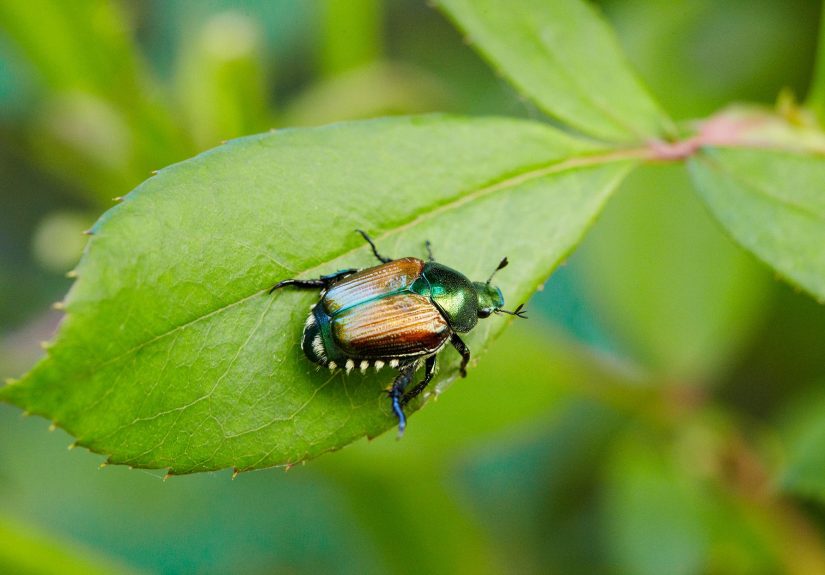
- Chewed holes in leaves: caterpillars, beetles, grasshoppers.
- Curled, sticky leaves with ants nearby: aphids or other sap-suckers producing honeydew.
- Fine speckling + webbing on leaves: spider mites (tiny, dramatic, and annoying).
- Ragged seedlings, missing chunks overnight: slugs/snails or cutworms.
- Sudden wilting on squash: suspect squash vine borer (a villain with a timetable).
- Yellowing can also be watering, nutrition, or diseasedon’t assume “bugs did it.”
Step 2: Prevention (Your Most Underrated Pest Control Tool)
Prevention is the boring superhero of garden pest controlno cape, no applause, but it saves the day constantly.
Healthy plants resist damage better, and a tidy garden removes the “free housing” pests love.
Cultural controls that actually move the needle
-
Grow vigorous plants: improve soil with compost, avoid over-fertilizing with high nitrogen (lush leaves can become
insect candy), and water consistently. - Right plant, right place: sun lovers in sun, shade lovers in shade. Stressed plants are basically sending pests an invitation.
- Spacing and airflow: reduces humidity pockets that encourage pests and diseaseand makes it easier to spot problems early.
- Sanitation: remove heavily infested leaves, pick up fallen fruit, and clear plant debris that shelters pests.
- Crop rotation (especially veggies): don’t plant the same family in the same spot every year if you can avoid it.
- Resistant varieties: if one tomato variety always gets wrecked, try one bred for disease/pest resistance in your region.
Step 3: Monitor Like a Friendly (Slightly Suspicious) Plant Detective
Pest control works best when you catch issues early. A weekly “garden walk” is all it takesflip a few leaves, check new growth,
look for clusters of eggs, and notice what’s changed since last week.
Use thresholds, not emotions
In IPM, you don’t treat just because you spotted one bug doing cardio on a leaf. You treat when damage is increasing,
plants are at risk, or the pest population is clearly multiplying. Some leaf damage is cosmetic; some is a five-alarm fire.
Physical & Mechanical Controls: Hands-On, Highly Effective, Weirdly Satisfying
Mechanical methods are often the fastest and safest way to reduce pestsespecially in home gardens.
Yes, it can be gross. Yes, it can also be kind of empowering.
1) Hand-picking (the “catch and relocate” method)
For caterpillars, beetles, and big obvious offenders, pick them off and drop them into soapy water. Morning and evening are prime
time because many pests are slower when it’s cooler.
2) Blast pests off with water
A strong spray from the hose can knock aphids and mites off plants. Repeat as needed. It won’t solve every infestation,
but it can knock populations down enough for beneficial insects to catch up.
3) Barriers and exclusion
- Floating row covers: protect young crops from many flying insects. Use them earlybefore pests arrive.
- Collars around seedlings: foil or cardboard collars can deter cutworms at soil level.
- Netting: helps protect fruiting crops from birds and larger pests.
Row cover reality check: row covers can also trap pests underneath if pests are already present or overwintering in the soil.
Inspect transplants and don’t cover a spot where last year’s pest problem is likely to emerge.
Also, remove covers for insect-pollinated crops (like squash) when they flower, or you’ll solve “pests” by creating a new problem:
“no fruit.”
4) Traps (useful, with realistic expectations)
- Yellow sticky cards: helpful for monitoring flying pests (like whiteflies) in greenhouses or indoors.
- Beer traps: can catch slugs, though they’re not a magical slug vacuum for the whole yard.
- Pheromone traps: can help monitor certain moth pestsbest as part of a broader plan.
Biological Controls: Recruit the Good Guys (and Stop Accidentally Firing Them)
Your garden already has allies: lady beetles, lacewings, hoverflies, parasitic wasps, predatory mites, and birds.
The trick is giving them habitat and not wiping them out with broad-spectrum sprays.
How to support beneficial insects
- Plant nectar sources: small-flowered plants (like dill, alyssum, and yarrow) feed adult beneficial insects.
- Avoid unnecessary pesticides: even “natural” products can harm non-target insects if misused.
- Leave some habitat: a little mulch, some leaf litter in non-problem areas, and diverse plantings help predators stick around.
Microbial and “bio-rational” options
-
Bt (Bacillus thuringiensis): targets certain caterpillars when they eat treated leaves. Great for cabbage worms
not useful for aphids (who don’t chew leaves). - Beneficial nematodes: can help with certain soil-dwelling pests, depending on the species and conditions.
Low-Impact Sprays: Targeted Tools for When You Need Backup
Sometimes you’ve prevented, monitored, and hand-picked…and the pests still RSVP “yes” to your garden party.
That’s when targeted products can helpespecially those that work by contact, have minimal residue, and are less disruptive to beneficial insects.
Insecticidal soap
Best for: soft-bodied pests like aphids, whiteflies, and spider mites.
Soaps work by contactmeaning you must hit the pest directly (undersides of leaves included).
Because soaps don’t persist as a toxic residue once dry, they’re often considered lower risk for many beneficial insects when used correctly.
Pro tips: test spray a small area first (some plants are sensitive), avoid spraying in high heat, and use good-quality water.
Hard water can reduce effectivenessan annoying science detail your pests are definitely hoping you ignore.
Horticultural oils (including dormant and summer oils)
Best for: many scale insects, mites, and some sap-suckersoils typically work by smothering pests and disrupting their physiology.
Coverage matters, and timing matters (dormant oils are used when plants are dormant; lighter “summer” rates are used when foliage is present).
Neem products (read the label“neem” can mean different things)
Neem-based products vary. Some contain azadirachtin (an active insecticidal compound that can affect feeding and development),
while others are primarily neem oil used more like a horticultural oil. Neem is often most effective on immature insect stages and works best
as part of a repeat-treatment plan rather than a one-time miracle.
Slug and snail baits (choose carefully)
For slugs/snails, look for baits with iron phosphate if you want a lower-toxicity option compared with older chemistries.
Pair baits with habitat reduction: remove hiding places, water in the morning, and use barriers where practical.
Chemical Controls: Last Resort, Not First Date
Sometimes a targeted pesticide is the right toolespecially for severe infestations that threaten the plant’s survival.
But the rule is simple: the label is the law. Follow directions exactly, use the minimum effective amount, spot-treat when possible,
and avoid “preventive” spraying that harms beneficial insects and can lead to resistance.
Pollinator-friendly timing
If you must spray, avoid spraying open blooms, and apply during times when pollinators are less active (often early morning or evening),
depending on the product’s label and your local conditions. Drift and overspray are common ways well-intentioned gardeners cause harm.
Common Pest Scenarios (and What Actually Works)
Aphids on roses, peppers, or milkweed
- First: hose spray to knock them off.
- Then: prune heavily infested tips; look for lady beetle larvae and other predators.
- If needed: insecticidal soap or horticultural oil, applied thoroughly to leaf undersides.
Cabbage worms on kale and broccoli
- First: hand-pick; check undersides for eggs.
- Prevent: row covers early in the season (before butterflies lay eggs).
- If needed: Bt spray, timed when caterpillars are small and feeding.
Spider mites in hot, dry weather
- First: confirm with the “paper test” (tap leaves over white paper; look for moving specks).
- Then: increase water consistency; hose spray leaf undersides.
- If needed: insecticidal soap or horticultural oil; repeat as directed.
Slugs eating seedlings overnight
- First: remove hiding spots (boards, dense debris), and water in the morning.
- Then: barriers in key areas; iron phosphate bait as a targeted tool.
- Bonus: go out at dusk with a flashlightslugs are bold at night, less so when caught in the spotlight.
Squash vine borer (SVB) drama
- Prevent: row covers early, then remove at flowering for pollination.
- Monitor: look for eggs near stems; watch for sudden wilting.
- Respond: if you catch it early, some gardeners slit the stem, remove larvae, and mound soil to encourage re-rooting.
Quick Checklist: The Best Garden Pest Control Methods (In Order)
- Identify the pest and the damage pattern.
- Prevent with healthy soil, sanitation, spacing, rotation, and smart watering.
- Monitor weekly and act earlybefore populations explode.
- Use physical controls (hand-pick, hose spray, barriers, row covers).
- Support beneficial insects with diverse plantings and fewer broad sprays.
- Choose low-impact sprays (soap/oil/neem/Bt) when needed and apply correctly.
- Use stronger pesticides only as a last resort and follow the label precisely.
Conclusion: Protect Your Plants Without Turning Your Garden Into a Chemistry Experiment
The goal isn’t a garden with zero insects. (That’s not a gardenthat’s a plastic plant aisle.)
The goal is a thriving space where pests don’t get the upper hand. With IPM, you stack small advantages:
healthier plants, fewer hiding places, earlier detection, physical barriers, beneficial insects, and targeted interventions.
Do that, and you’ll spend less time “fighting nature” and more time enjoying what you actually planted.
Experiences From the Garden (Extra Lessons That Don’t Show Up on the Seed Packet)
Gardeners tend to learn pest control the same way people learn not to touch a hot pan: once is usually enough.
And while every yard is different, certain “been there, sprayed that” experiences show up again and again.
1) The “I waited one more week” regret
A classic story: someone notices a few aphids on fresh pepper growth and thinks, “Eh, nature will handle it.”
Nature does handle itby letting aphids reproduce at impressive speed. Then leaves curl, ants start farming the honeydew,
and suddenly the plant looks like it lost a fight with a lint roller.
The lesson most gardeners share is simple: early action can be gentle action.
A quick hose spray, pruning a couple tips, or one careful soap application early can prevent the need for repeated treatments later.
2) Row covers: magical…until you forget one detail
Row covers can feel like cheating (in the best way). People use them on brassicas and brag to their neighbors about flawless kale.
Then someone tries the same on zucchini and leaves the cover on during flowering. Weeks pass. The plant is huge. The leaves are glorious.
The fruit? Missing in action.
It’s not that row covers don’t workit’s that they work too well at excluding everything, including pollinators.
Gardeners who love row covers learn to treat them like a tool with a calendar: cover early to block egg-laying, then uncover when blooms need visits.
3) “Natural” doesn’t mean “harmless” (especially to helpers)
Another shared experience: a gardener discovers a natural pesticide, feels virtuous, and applies it broadly “just to be safe.”
Days later, the pest problem is quieterbut so is everything else. Fewer bees. Fewer lady beetles. Fewer hoverflies.
The garden gets stuck in a loop where pests rebound faster than predators.
That’s when the IPM mindset clicks: precision beats aggression. Spot-treat hot spots. Spray when pollinators aren’t active.
Avoid open blooms. Use contact products correctly so you don’t leave unnecessary residue. In short: be strategic, not dramatic.
4) Slugs teach patienceand the value of timing
Slugs can make calm people mutter new vocabulary words. Many gardeners swear nothing works…until they combine methods:
watering in the morning (so soil surfaces dry by night), removing hiding places, using a barrier in the highest-risk bed,
and placing iron phosphate bait where damage is actually happening.
A common “aha” moment is discovering that one tactic rarely solves slugsbut a few modest tactics together can.
Also, the flashlight night patrol is weirdly effective. Slugs are much less impressive when you catch them mid-mission.
5) The most reliable “experience” of all: consistency wins
If you ask experienced gardeners what changed their pest problems the most, many don’t name a product.
They name a habit: a five-minute weekly check. Flip leaves. Look at new growth. Notice stickiness. Spot stippling.
Catch eggs before they hatch. Catch caterpillars while they’re small. Catch infestations before they spread.
That tiny routine makes almost every control method easier, cheaper, and saferbecause you’re responding early, not reacting late.
So if you want the “secret” experience-based advice: go outside more often.
Not to wage warjust to observe. Your garden will tell you what it needs long before it starts screaming.