Table of Contents >> Show >> Hide
- What gastritis is (and why food still matters)
- The 6 core principles of a gastritis-friendly diet
- Foods to eat with gastritis
- Foods to avoid with gastritis (or re-test later)
- Recipe ideas for a gastritis diet
- Sample 1-day gastritis meal plan
- Eating tips that help gastritis healing
- When diet isn’t enough: treatment and red flags
- Quick FAQs
- Real-life experiences: what people commonly notice (and what helps)
- Conclusion
- SEO Tags
If your stomach lining is irritated, it tends to act like a dramatic roommate: “No spices! No coffee! No fun!” The good news is that a smart gastritis diet can calm symptoms for many peoplewhile you and your clinician address the real root cause (like H. pylori, certain meds, or alcohol). In this guide, you’ll get practical food lists, easy recipe ideas, a sample day of eating, and real-world tips you can actually follow without living on plain toast forever.
What gastritis is (and why food still matters)
Gastritis means inflammation or irritation of the stomach lining. It can be acute (short-term) or chronic (longer-lasting). Common symptoms include upper belly pain or burning, nausea, bloating, early fullness, burping, and sometimes vomiting.
Here’s the twist: for most people, diet doesn’t “cause” gastritis in the first place. But foods and drinks can absolutely trigger symptomsespecially when your stomach lining is already irritated. Think of food as the “volume knob” on your discomfort. The right choices can turn the volume down while your stomach heals and you treat the underlying cause.
The 6 core principles of a gastritis-friendly diet
1) Go gentle, not boring
A gastritis diet is less about a single “magic food” and more about low-irritation choices: mild flavors, moderate fat, and cooked/soft textures when symptoms flare.
2) Smaller, more frequent meals
Large meals can stretch your stomach and increase acid production. Many people do better with 4–6 smaller meals/snacks spread across the day.
3) Keep fat moderate (especially during flares)
High-fat meals can sit heavier and worsen nausea or reflux-like symptoms. You don’t need “fat-free forever,” but lighter cooking methods (baking, steaming, poaching, air-frying with minimal oil) are your friend.
4) Watch acid and spice
Acidic foods and spicy heat can feel like pouring lemon juice on a paper cut (a culinary metaphor you did not ask for, but here we are). If you notice burning, scale these back and re-test later.
5) Avoid common irritants while healing
Alcohol, coffee, and frequent NSAID use are frequent troublemakers. If you’re treating gastritis, it’s worth being strict about these during the healing phase.
6) Personalize with a simple symptom log
Gastritis triggers aren’t identical for everyone. Use a quick note on your phone: “Food + portion + time + symptoms (0–10).” Patterns usually show up fastespecially with coffee, spicy foods, citrus, tomato, and fried foods.
Foods to eat with gastritis
These options are generally easier on the stomach. If you’re in a flare, choose softer textures and simpler seasoning first, then expand as symptoms improve.
Easy carbs (your stomach’s comfort playlist)
- Oatmeal, cream of rice, grits
- White rice, rice noodles
- Potatoes or sweet potatoes (baked/mashed)
- Toast, plain bagels, English muffins
- Crackers (simple, low-fat varieties)
Gentle proteins
- Skinless chicken or turkey (baked, poached, shredded into soup)
- Fish (salmon, cod, tilapiabaked or steamed)
- Eggs (scrambled with minimal fat, hard-boiled)
- Tofu or tempeh (lightly sautéed with minimal oil)
- Beans/lentils (often better tolerated well-cooked and in smaller portions)
Vegetables that usually behave themselves
Cooked vegetables are often easier than raw during flares.
- Carrots, zucchini, squash
- Green beans, spinach (cooked), peeled cucumber
- Sweet peas, pumpkin
- Broth-based veggie soups
Fruits that are often easier on acid-sensitive stomachs
- Bananas
- Melon
- Applesauce or peeled baked apples
- Pears (ripe, peeled if needed)
- Berries (some tolerate them well; others find them too tarttest)
Soothing drinks
- Water (still is often easier than carbonated)
- Warm ginger tea (mild, not “spicy-hot”) or chamomile tea
- Low-acid smoothies (banana + oats + yogurt or nondairy alternative)
- Broth (chicken/vegetable)
Probiotics and fermented foods (selectively)
Some people find probiotics soothing, especially if gastritis overlaps with indigestion. Consider:
- Yogurt with live cultures (plain, low-fat)
- Kefir (plain)
- Miso soup (not too salty, not too spicy)
Note: If dairy worsens symptoms, choose lactose-free or nondairy alternatives and test slowly.
Foods to avoid with gastritis (or re-test later)
These are common symptom triggers. You don’t necessarily need to ban them foreverjust treat them like party guests who need supervision.
1) Alcohol
Alcohol can irritate the stomach lining and worsen inflammation. If you’re actively healing, it’s one of the most helpful things to cut.
2) Coffee and caffeine (including energy drinks)
Coffee is a frequent offenderboth from acidity and caffeine’s effect on the digestive system. If you can’t part ways completely, try: half-caf, cold brew (often less acidic), or caffeine-free herbal tea instead.
3) Spicy foods
Chili peppers, hot sauce, and heavy spice blends can provoke burning or pain during a flare. Mild herbs (basil, oregano, parsley) are usually easier than heat-heavy seasonings.
4) Acidic foods and drinks
- Citrus (orange, grapefruit, lemon), citrus juices
- Tomatoes and tomato sauce
- Vinegar-forward foods (pickles can be rough during flares)
- Soda and many sparkling drinks
5) Fried, greasy, and very high-fat foods
Fried chicken, bacon, heavy cream sauces, and fast food can worsen nausea, reflux-like symptoms, and fullness.
6) Highly processed and sugary foods
For some people, very sugary items (pastries, candy, sugary cereals) can worsen symptomsespecially when eaten on an empty stomach.
7) Peppermint and chocolate (if reflux is part of the picture)
Not everyone reacts, but both can relax the lower esophageal sphincter and worsen reflux sensations. If gastritis and heartburn feel like cousins in your body, consider limiting these temporarily.
Recipe ideas for a gastritis diet
These recipes aim for mild flavor, moderate fat, and easy digestion. Adjust portions to your tolerance.
1) Banana-Oat “Calm Down” Breakfast Bowl
- Ingredients: rolled oats, water or lactose-free milk, ripe banana, pinch of cinnamon
- How: Cook oats until soft. Mash banana in. Add cinnamon. Optional: a spoonful of plain yogurt if tolerated.
2) Ginger Chicken Rice Soup
- Ingredients: low-sodium chicken broth, shredded chicken, white rice, sliced carrots, fresh ginger (small amount), spinach (optional)
- How: Simmer carrots and rice in broth until tender. Add chicken and ginger. Stir in spinach at the end.
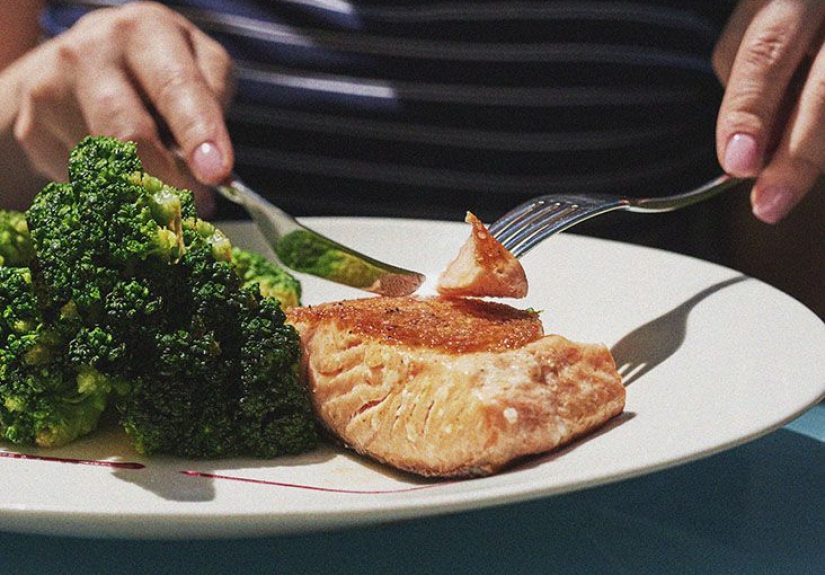
3) Baked Salmon + Sweet Potato + Zucchini
- Ingredients: salmon fillet, sweet potato, zucchini, olive oil (1–2 tsp), salt, dried dill
- How: Bake sweet potato until soft. Bake salmon and zucchini with a light drizzle of oil and dill.
4) Turkey and Zucchini Meatballs (No Tomato Sauce Needed)
- Ingredients: ground turkey, grated zucchini, breadcrumbs or oats, egg, parsley, salt
- How: Mix, shape, bake. Serve with rice and a mild broth-based “gravy” (broth thickened with a little cornstarch).
5) Tofu Veggie Stir-Fry (Low Oil, Low Drama)
- Ingredients: tofu, carrots, green beans, cooked rice, low-sodium soy sauce (small amount)
- How: Sauté tofu with minimal oil or use a nonstick pan. Add veggies with a splash of water. Season lightly.
6) “Soft & Safe” Snack Plate
- Applesauce cup + plain crackers
- Banana + a small handful of oats mixed into yogurt
- Rice cake + thin spread of nut butter (if tolerated)
7) Low-Acid Smoothie (Great for sensitive mornings)
- Ingredients: banana, oats, plain yogurt or nondairy alternative, water, optional blueberries
- How: Blend until smooth. Keep it mildskip citrus, pineapple, and lots of added sweetener during flares.
Sample 1-day gastritis meal plan
This is a templateswap foods based on tolerance and nutrition needs.
Breakfast
Banana-oat breakfast bowl + chamomile tea
Mid-morning snack
Applesauce + plain crackers
Lunch
Ginger chicken rice soup + cooked carrots or zucchini
Afternoon snack
Plain yogurt (or lactose-free) with oats, or a low-acid smoothie
Dinner
Baked salmon + sweet potato + steamed green beans
Evening (if needed)
Small bowl of oatmeal or toast with a thin spread of nut butter (if tolerated)
Eating tips that help gastritis healing
Eat slowly and chew thoroughly
This sounds like advice from a cartoon turtlebut it can reduce bloating and nausea by easing the workload on your stomach.
Don’t lie down right after eating
If reflux-like symptoms show up, stay upright for 2–3 hours after meals when possible.
Time your “riskier” foods wisely
If you’re reintroducing coffee or spicy foods, don’t do it on an empty stomach. Pair with a mild meal and start with a small amount.
Be cautious with supplements
Some supplements can irritate the stomach (iron is a classic example). If you need iron or other supplements, ask your clinician about timing, formulation, and whether taking it with food is appropriate.
Medication habits matter
If NSAIDs (like ibuprofen or naproxen) are part of your routine, talk with a clinicianthese can contribute to gastritis in some cases. Don’t stop prescribed meds without medical guidance.
When diet isn’t enough: treatment and red flags
A gastritis diet can reduce symptoms, but it’s not a substitute for diagnosis and treatment when needed. Depending on the cause, treatment may involve:
- Acid-reducing meds (like PPIs or H2 blockers)
- Antibiotics if H. pylori infection is present
- Stopping or changing irritating medications under medical guidance
- Addressing alcohol use, smoking, or other contributing factors
Call a clinician urgently if you have:
- Black, tarry stools or vomiting blood
- Severe or worsening abdominal pain
- Repeated vomiting or signs of dehydration
- Unexplained weight loss, fainting, or persistent symptoms that don’t improve
Also worth knowing: nutrient issues
Some types of gastritis (like autoimmune gastritis) can affect absorption of nutrients such as vitamin B12, and chronic stomach inflammation can sometimes be linked with iron issues. If fatigue, weakness, or persistent symptoms show up, lab tests may be appropriate.
Quick FAQs
Is a “bland diet” required?
Not forever. During a flare, bland-ish foods help many people. As symptoms calm down, you can expand your diet thoughtfullyone change at a time.
Can I eat yogurt if I have gastritis?
Many people tolerate plain yogurt well, and it may feel soothing. If dairy triggers symptoms, try lactose-free or nondairy options.
What about coffee?
Coffee is one of the most common triggers. If you reintroduce it, try smaller amounts, avoid empty stomach use, and consider lower-acid options.
Do I need to avoid all acidic foods?
Noonly the ones that trigger symptoms. Many people can handle some berries or small amounts of tomato later. During healing, it’s often easier to minimize them and re-test.
Real-life experiences: what people commonly notice (and what helps)
I don’t have a stomach (I knowshocking), but people living with gastritis often describe a surprisingly similar pattern of “what it feels like” and “what finally helps.” If you’ve been dealing with symptoms, you may recognize a few of these experiencesand you can use them as a practical roadmap rather than a stress spiral.
1) The symptom roller coaster is real. Many people report that gastritis discomfort isn’t perfectly consistent. One day they can eat something “fine,” and the next day the same food feels like it filed a complaint with the stomach lining. This is commonsleep, stress, meal size, and timing can change how reactive the stomach feels. That’s why small, steady meals often beat one big “I’m starving” dinner.
2) Coffee is often the hardest breakup. People commonly say, “But coffee is my personality.” Unfortunately, caffeine and acidity can crank up symptoms. A lot of folks do best by stepping down gradually: half-caf for a week, then mostly decaf, then switching to herbal tea during the healing phase. If they bring coffee back later, it tends to go better with food and in smaller amounts. Some also notice cold brew feels gentler than hot brewed coffeestill not guaranteed, but sometimes tolerated better.
3) “Healthy” foods can still be triggers. Citrus fruit, tomato-heavy salads, raw onions, spicy salsasthese can be nutritious but irritating when the stomach lining is inflamed. People often feel frustrated because they’re trying to eat well, yet symptoms persist. The workaround is thinking in phases: in a flare, choose cooked vegetables, non-citrus fruits, and milder seasonings; later, reintroduce raw and acidic foods slowly.
4) Texture matters more than people expect. During flares, many people report they tolerate soups, oatmeal, smoothies, mashed or baked foods, and soft rice dishes far better than crunchy, greasy, or heavily fried meals. It’s not about “baby food”it’s about reducing mechanical and chemical irritation while healing is happening. Even switching from raw veggies to steamed veggies can be a game-changer.
5) The “late-night snack trap” can backfire. A common story: symptoms feel okay all day, then a late meal or snack triggers burning or nausea at night. People who see improvement often mention finishing dinner earlier and avoiding lying down right after eating. If they need something later, they pick a small, mild option like oatmeal, toast, or a banana rather than spicy chips or acidic fruit.
6) Stress and stomach symptoms are best friends (unfortunately). Many people notice symptoms spike during stressful weeks, even with the same diet. Gentle movement, consistent sleep, and simple relaxation routines don’t “cure” gastritis, but they can reduce symptom intensity. It’s not “all in your head”your digestive system is sensitive to your body’s stress response.
7) The biggest relief comes when the cause is treated. People often feel the most dramatic improvement when the underlying driver is addressedlike treating H. pylori, changing an irritating medication plan under medical guidance, or cutting alcohol while healing. Diet helps, but it works best as part of the whole strategy.
Conclusion
A gastritis diet is about lowering irritation and giving your stomach a calmer environment while it heals and while you treat the underlying cause. Start with gentle, cooked, low-irritation foods; avoid the common triggers (especially alcohol and coffee during flares); keep portions smaller; and expand your choices as symptoms improve. Most importantly: if symptoms are severe, persistent, or come with red flags like bleeding, get medical helpbecause the fastest path to feeling better is usually diet + proper diagnosis + targeted treatment.