Table of Contents >> Show >> Hide
- What Is Gjetost, Exactly?
- Why It Tastes Like Caramel: The “Science” Without the Lab Coat
- A Quick (Very Norwegian) Origin Story
- How to Eat Gjetost the “Right” Way (Spoiler: Thin)
- Gjetost Pairings That Make It Shine
- Cooking with Gjetost: Sweet-Savory Superpower
- Nutrition, Allergens, and “Is This Basically Candy?”
- Buying and Storing Gjetost in the United States
- How to Build a Scandinavian-Inspired Cheese Board (Without Buying a Fjord)
- Frequently Asked Questions
- Experience Section: 7 Ways to Make Gjetost an Event (About )
- Conclusion
If you’ve ever bitten into something that looks like cheese but tastes like caramel had a long weekend in the mountains,
congratulationsyou’ve basically met gjetost. This iconic Scandinavian “brown cheese” is the food-world equivalent
of a plot twist: sweet, salty, fudge-like, and oddly addictive. It’s the kind of cheese that makes people say, “Wait… is this dessert?”
and then immediately go back for another wafer-thin slice because curiosity is powerfuland so is lactose caramelization.
In this deep dive, we’ll break down what gjetost is, why it tastes the way it does, how Scandinavians actually eat it,
and how you can use it in American kitchens without starting an international incident. We’ll also finish with a “try-this-at-home”
experience section so you can turn one block of gjetost into a whole series of memorable snacks, meals, and mildly smug cheese-board moments.
What Is Gjetost, Exactly?
Gjetost (pronounced “YAY-toast,” which is delightfully close to what you’ll say after your first bite)
is a traditional Scandinavian cheese most closely associated with Norway. You’ll also see it labeled as
brunost (literally “brown cheese”). While many cheeses begin with milk and end with curds, gjetost is famous for
starring a different character: whey.
Whey is the liquid left behind after curds are separated in cheesemaking (think: the sidekick in ricotta’s origin story).
For gjetost, whey is simmered for a long timeoften with added milk and/or creamuntil it reduces, thickens, and turns a glossy brown.
That color isn’t food dye; it’s chemistry. The natural milk sugars concentrate and caramelize, creating a flavor that’s commonly compared
to caramel, butterscotch, or dulce de leche.
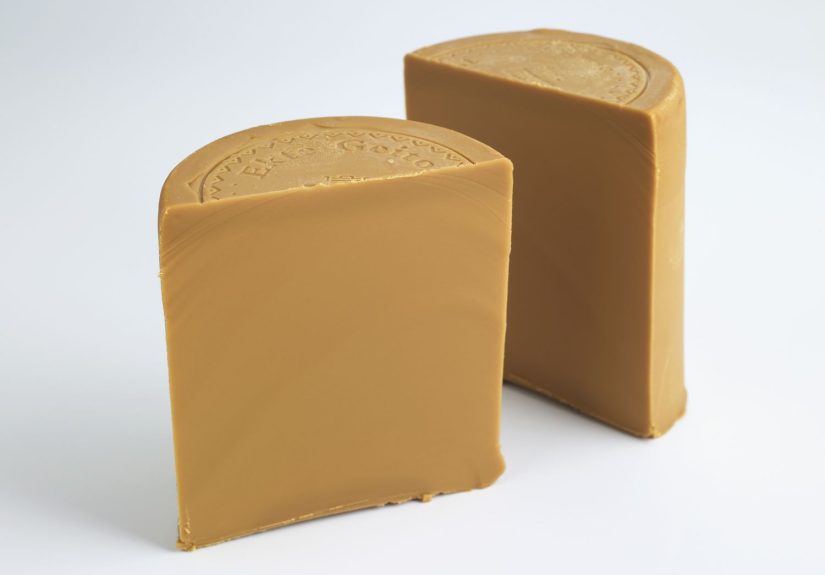
The result is a smooth, dense, sliceable blockusually without a rindoften sold in a distinctive brick shape.
If you’re expecting tangy goat cheese crumbles, gjetost will politely (but firmly) redirect your expectations.
This is a sweet-savory cheese, and it plays by its own rules.
Why It Tastes Like Caramel: The “Science” Without the Lab Coat
Gjetost’s signature taste comes from a slow reduction process that concentrates the dairy’s natural components.
As the liquid cooks down, lactose (milk sugar) caramelizes, producing those toasted, buttery notes.
At the same time, heat encourages additional browning reactions that deepen flavor and color.
Texture-wise, gjetost sits in that fascinating middle ground between “cheese” and “confection.”
It can be firm yet silky, sometimes described as fudge-like. That’s because a reduced whey baseespecially when combined
with milk or creamsets into a tight, smooth matrix when cooled. The more cream and milk involved, the richer and mellower it tends to feel.
The more pronounced the goat component, the more assertive and “barnyardy-sweet” it can become (in a good way, if you like your dairy with personality).
Translation: gjetost is what happens when dairy decides to become dessert-adjacent without officially changing its name tag.
A Quick (Very Norwegian) Origin Story
Versions of cooked whey have existed in Scandinavia for a long time, but the modern style of firm brown cheese is often tied to
innovation in rural Norway in the 19th century. The big “aha” moment was adding richer dairy (like cream) to whey during the cooking process,
creating a fuller-bodied, more sliceable product.
Over time, brown cheese became a beloved everyday stapleespecially at breakfast. Today, brands such as Ski Queen
helped introduce gjetost to international audiences, including the United States, where it’s often marketed as a uniquely Scandinavian treat:
sweet, snackable, and surprisingly versatile.
How to Eat Gjetost the “Right” Way (Spoiler: Thin)
If there’s one universal tip for gjetost, it’s this: slice it thin. Not “I’m feeling modest” thinmore like
“this slice could audition as a bookmark” thin. Thin slices soften quickly on warm toast and deliver the sweet-savory hit without becoming overwhelming.
In Scandinavia, a cheese slicer (often called a cheese plane) is the classic tool for this job.
It’s basically the perfect engineering solution for turning dense cheeses into elegant ribbonsplus it makes you feel like a competent adult,
even if dinner is just toast and vibes.
Classic Scandinavian-style serving ideas
- On buttered toast (rye, whole grain, or sourdough all work beautifully)
- On crispbread for maximum crunch
- On waffles (yes, waffles) for a sweet-salty breakfast that feels like a vacation
- With jam (strawberry and raspberry are popular pairings)
Americans often discover gjetost on a cheese board and assume it belongs next to the brie. It can! But it also plays shockingly well next to fruit,
nuts, and breakfast foods. Think of it less like “cheese course” and more like “Scandinavian caramel power move.”
Gjetost Pairings That Make It Shine
1) Fruit: the easiest win
Gjetost loves fruit the way peanut butter loves jellyexcept this combo feels fancier because it’s Norwegian and therefore somehow more mysterious.
Try it with:
- Apples (especially tart varieties)
- Pears for a softer, honeyed pairing
- Figs if you want peak “charcuterie influencer” energy
- Grapes for easy snacking
2) Nuts and grains: bring the crunch
Because gjetost is smooth and dense, it benefits from texture contrasts:
crispbread, crackers, toasted nuts, granola, or even a crunchy seeded toast.
Almonds, hazelnuts, and walnuts are particularly good matches.
3) Coffee and warm drinks: surprisingly great
The caramel notes can echo the flavors you already love in coffee, espresso, or a latte.
Some people treat thin shavings of gjetost like a “sweet dairy accent” on the side of a warm drink momentespecially when paired with a buttery pastry.
4) Chocolate and desserts: yes, we’re going there
If you like salted caramel, you’re already halfway to liking gjetost in dessert contexts.
It can be shaved over brownies, folded into dessert sauces, or paired with dark chocolate for a balanced sweet-savory bite.
Cooking with Gjetost: Sweet-Savory Superpower
Gjetost isn’t just for slicing. It can melt, and when it does, it turns into a glossy, sweet-savory sauce base that makes people ask,
“What is in this?” in the best way. It’s especially useful in dishes where you want depth and a gentle sweetness without reaching for sugar.
Easy ideas for real-life cooking
- Cream sauces: Add a small amount to a cream sauce for roasted vegetables or pasta for a subtle caramel undertone.
- Pan sauces: Melt a bit into a sauce for chicken or pork; it can add richness and complexity.
- Soups: Stir into winter squash soup or carrot soup for a silky finish.
- Fondue: Make a “sweet-leaning” fondue with gjetost and dunk apples, pretzels, or cubes of pound cake.
- Breakfast upgrades: Melt into oatmeal for a caramelized dairy note without added syrups.
A simple gjetost sauce (10 minutes, zero drama)
- Warm 1/2 cup heavy cream (or half-and-half) over low heat.
- Grate or finely chop 2–3 ounces of gjetost and whisk it in gradually.
- Add a pinch of salt and a small squeeze of lemon (optional) to keep it bright.
- Serve over roasted carrots, sweet potatoes, or grilled pork chops.
The goal is balance: gjetost can be sweet, so think of it like a “flavor bridge” between savory and dessert notes.
Start small, taste as you go, and let your palate vote.
Nutrition, Allergens, and “Is This Basically Candy?”
Gjetost is a dairy product with a naturally higher sugar content than many traditional cheeses because whey reduction concentrates lactose.
That sweet flavor isn’t a trickit’s the food’s natural composition intensified by cooking.
Nutritionally, gjetost tends to be calorie-dense and contains a meaningful amount of fat and carbohydrates relative to many cheeses.
It can also contribute calcium and protein, but it’s best enjoyed as a flavorful ingredient rather than a “health food hero.”
If your relationship with snacks is “I eat with my heart,” gjetost supports you. If it’s “I track macros with spreadsheets,” gjetost still supports you
you’ll just want thinner slices. (Which Scandinavia already recommends. Convenient!)
Allergen note: Gjetost contains milk (and often both goat and cow dairy), and it typically contains lactose.
If you’re lactose intolerant or have a milk allergy, treat it like you would other lactose-containing dairy foods and consult a clinician if needed.
Buying and Storing Gjetost in the United States
In the U.S., gjetost is most commonly found at specialty cheese shops, Scandinavian or Nordic markets, and online retailers.
It’s also popped up in mainstream grocery contexts as a seasonal or limited-time specialty item.
If you see it, grab itgjetost has a habit of turning first-timers into repeat customers.
What to look for when buying
- Color: light to medium brown, like caramel candy
- Texture: firm and smooth; it should slice cleanly
- Label clues: “Gjetost,” “Brunost,” or “Norwegian brown cheese”
Storage tips
- Keep it refrigerated and wrapped to prevent drying out.
- For the best flavor and slicing experience, let it sit at cool room temperature for a few minutes before serving.
- Use a slicer or sharp knife to shave it thin; thick chunks can taste overly sweet and feel heavy.
How to Build a Scandinavian-Inspired Cheese Board (Without Buying a Fjord)
A great cheese board has contrast: creamy, crunchy, salty, sweet. Gjetost can be your “sweet anchor” that replaces honeycomb or jam-heavy spreads.
Try this lineup:
- Gjetost (thin slices or curls)
- A sharp aged cheese (cheddar, alpine-style, or aged gouda)
- Crackers + crispbread
- Apples and pears
- Jam (strawberry or lingonberry if you can find it)
- Toasted nuts
The trick is to present gjetost like you mean it: not hidden in the corner like an awkward party guest, but right up front as the conversation starter.
Because it will start conversations. Possibly debates. Sometimes love stories.
Frequently Asked Questions
Is gjetost the same as goat cheese?
Not in the way most Americans mean “goat cheese.” Gjetost can include goat milk (and often does), but its defining feature is that it’s made from
reduced whey and has a caramelized sweetness. Fresh chèvre is tangy and spreadable; gjetost is sweet, brown, and sliceable.
What’s the difference between gjetost and brunost?
“Brunost” is a broader term for Norwegian brown cheese styles. “Gjetost” is often used to describe versions with a notable goat component.
In the U.S., you’ll commonly see the term gjetost used on packaging even when the cheese is a blend.
Does gjetost melt?
Yesgently. It can melt into sauces and warm dishes, becoming smooth and glossy.
Because it’s sweet, it’s best used thoughtfully: a little can go a long way in savory cooking.
Is gjetost vegetarian?
Many gjetost-style cheeses are made from whey and dairy without the same rennet-forward process used in many aged cheeses,
but recipes and commercial products vary. If strict vegetarian standards matter to you, check the label for specific ingredients.
Experience Section: 7 Ways to Make Gjetost an Event (About )
Gjetost is one of those foods that rewards a little playful experimentation. If you treat it like a one-note “sweet cheese,” you’ll enjoy it.
If you treat it like a whole experience ingredient, you’ll start finding excuses to keep it in the fridge. Here are seven easy,
very doable ways to turn a block of gjetost into a mini Scandinavian adventureno passport required.
1) The “First Slice” Tasting (aka: set expectations gently)
Start with a thin slice on buttered toast. Take one bite and focus on the flavor arc: caramel first, then a gentle tang,
then a dairy richness that lingers. This is the best way to understand what gjetost is trying to be. (Hint: it’s not trying to be cheddar.)
If you go thick on the first bite, it can feel overwhelminglike eating a caramel square that insists it’s part of your breakfast.
2) The Scandinavian Breakfast Plate
Build a quick plate: crispbread, soft scrambled eggs, sliced apple, and gjetost curls. Add coffee and pretend you’re having a slow morning
in a cabin with a spectacular view. The apple balances sweetness, and the eggs keep everything grounded so it doesn’t feel like dessert cosplay.
3) The Waffle Moment
Put gjetost on a warm waffle and let it soften. Add a dab of jam. The combo hits sweet-salty-nostalgic in a way that feels both cozy and slightly
fancy. If you want to make it more “American brunch,” add toasted pecans and a pinch of flaky salt. Suddenly you’re not just eating waffles;
you’re hosting a cultural exchange.
4) The Cheese Board Curveball
Add gjetost to a board with sharp cheddar, grapes, and dark chocolate. Watch what happens when guests try it. Some will light up like they’ve just
discovered a new favorite candy. Others will stare into the middle distance and quietly whisper, “But… it’s cheese.” Both reactions are valid.
The point is: gjetost makes a cheese board memorable.
5) The Savory Sauce Experiment
Make a quick cream sauce and melt in a small amount of gjetost. Serve it over roasted carrots or sweet potatoes.
The vegetables pull the flavor toward savory and earthy, while gjetost adds a caramel depth that tastes like you spent more time cooking than you did.
This is the “secret ingredient” pathway.
6) The Après-Ski Snack (Even If You’ve Never Skied)
Slice gjetost thin, pair it with apple wedges and a handful of almonds, and eat it like a trail snack. The sweetness feels energizing,
and the richness makes it satisfying. Bonus points if you wear a cozy sweater and call it “après-ski” while standing nowhere near a mountain.
7) The Dessert-Adjacent Nightcap
Try gjetost with a square of dark chocolate and a cup of tea. It’s like salted caramel’s Scandinavian cousin: more dairy-forward, a little tangier,
and very good at convincing you that a “small snack” is a reasonable idea at 10 p.m.
The big takeaway from these experiences is that gjetost isn’t just a cheeseit’s a flavor concept. It works when you give it contrast:
crunch, fruit acidity, bitterness (coffee or dark chocolate), or savory depth (roasted vegetables, meats, or creamy sauces).
Once you find your favorite pairing, gjetost stops being “that weird brown cheese” and becomes “the thing I always hope is in stock.”
Conclusion
Gjetost is a uniquely Scandinavian answer to a question nobody in America thought to ask: “What if cheese tasted like caramelon purpose?”
Its sweet, toasty flavor and smooth, sliceable texture make it a standout for breakfast, snacking, cheese boards, and even cooking.
Whether you keep it classic on toast or melt it into a sauce that makes weeknight dinners feel special, gjetost earns its reputation as one of
the most surprising (and surprisingly lovable) cheeses you can bring into your kitchen.