Table of Contents >> Show >> Hide
- What is H5N1 bird flu, exactly?
- H5N1 bird flu symptoms in humans
- What causes H5N1 bird flu in people?
- How doctors diagnose H5N1 bird flu
- H5N1 bird flu vs. seasonal flu: why confusion happens
- When to seek medical care right away
- Real-world experiences: what H5N1 concerns can look like in everyday life
- Final thoughts
H5N1 bird flu has a talent for showing up in headlines and instantly making everyone clutch their coffee mugs a little tighter. Fair enough. It sounds dramatic, and in some cases, it can be. But panic is rarely useful, and good information is. If you want the plain-English version, here it is: H5N1 is a type of avian influenza that mainly infects birds, but it can sometimes infect people, especially after close contact with infected birds, dairy cattle, or contaminated animal fluids and surfaces.
That does not mean every cough after visiting a county fair is bird flu. It does mean H5N1 deserves respect, especially because its symptoms can look a lot like regular flu, except with one odd guest star that keeps popping up in recent U.S. cases: pink eye. Yes, conjunctivitis has entered the chat.
This guide breaks down what H5N1 bird flu is, what symptoms to watch for, what causes infection in humans, and how doctors diagnose it. We will also walk through real-world experiences people might have when bird flu becomes more than just another scary headline.
What is H5N1 bird flu, exactly?
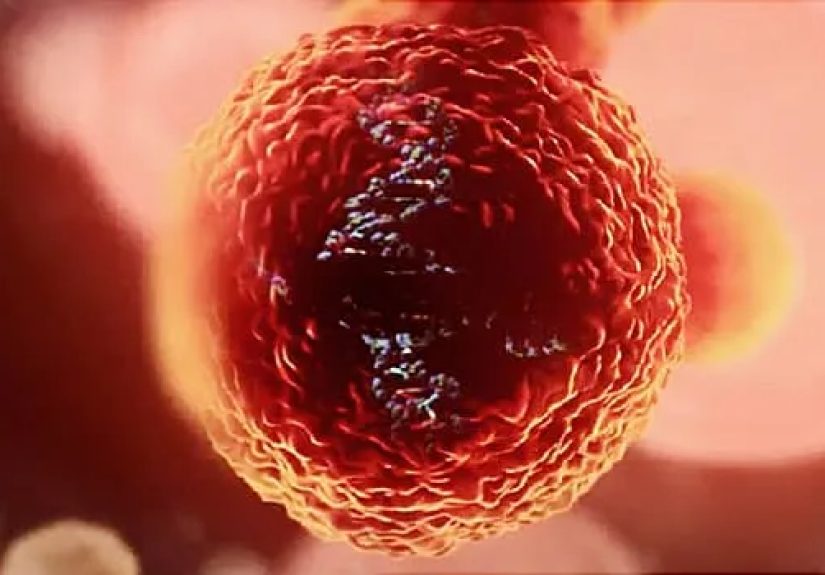
H5N1 is a subtype of influenza A virus. In birds, it can spread quickly and cause major outbreaks. In humans, infection is still uncommon, but it has happened after exposure to infected poultry, wild birds, dairy cows, and contaminated environments. In the current U.S. situation, public health officials continue to describe the overall risk to the general public as low, while risk is higher for people with direct animal exposure through work or other close contact.
In other words, H5N1 is not behaving like the seasonal flu you catch from an office neighbor who insists they are “totally fine” while sounding like a broken accordion. Human infection usually involves a more specific exposure story. That story matters a lot when it comes to diagnosis.
H5N1 bird flu symptoms in humans
One reason H5N1 bird flu can be tricky is that symptoms range from mild to severe. Some people have only mild eye or respiratory symptoms. Others can develop pneumonia or other serious complications. The symptom list overlaps with seasonal flu, COVID-19, and other respiratory infections, which is why exposure history is such a big clue.
Mild symptoms
Mild H5N1 symptoms in humans may include:
- Eye redness and irritation, often described as conjunctivitis or pink eye
- Mild fever or feeling feverish
- Cough
- Sore throat
- Runny or stuffy nose
- Headache
- Muscle aches or body aches
- Fatigue
- Sometimes nausea, vomiting, or diarrhea
The eye symptoms are especially important. In recent U.S. cases, conjunctivitis has been one of the most commonly reported signs. That is a little different from how most people picture influenza, which usually brings fever, cough, and body aches rather than a surprise eye problem.
Moderate to severe symptoms
When H5N1 gets serious, it can move beyond “I feel awful” into “I need medical care now.” Red flags may include:
- High fever or symptoms severe enough to limit daily activity
- Shortness of breath or difficulty breathing
- Chest discomfort
- Confusion or altered mental status
- Seizures in rare cases
Severe H5N1 bird flu can lead to pneumonia, respiratory failure, acute respiratory distress syndrome, kidney injury, sepsis, or multi-organ failure. That is why the phrase “bird flu” should not be shrugged off, especially after known exposure to infected animals.
When do symptoms start?
Symptoms usually begin within a few days after exposure. Respiratory symptoms often show up about two to seven days after infection, while eye symptoms can appear even earlier. If someone develops red eyes, cough, or flu-like symptoms within 10 days of contact with infected birds, dairy cattle, or contaminated materials, H5N1 should be on the radar.
What causes H5N1 bird flu in people?
H5N1 is caused by infection with an avian influenza A virus. In humans, the virus does not usually appear out of nowhere. It almost always has a bridge from animals or contaminated material. Think exposure, not mystery.
Common ways infection can happen
A person may become infected after:
- Direct contact with sick or dead birds
- Close contact with infected dairy cows or other animals
- Touching contaminated bedding, feces, secretions, carcasses, or equipment
- Getting contaminated liquid, such as raw milk from an infected cow, into the eyes, nose, or mouth
- Breathing in droplets, dust, or debris in contaminated environments
- Consuming raw or unpasteurized animal products that may carry live virus
That last point deserves a bold mental highlighter: pasteurized milk is considered safe, but raw milk is a different story. If there is one beverage that does not need a “wildcard energy” reputation, it is milk.
Who is most at risk?
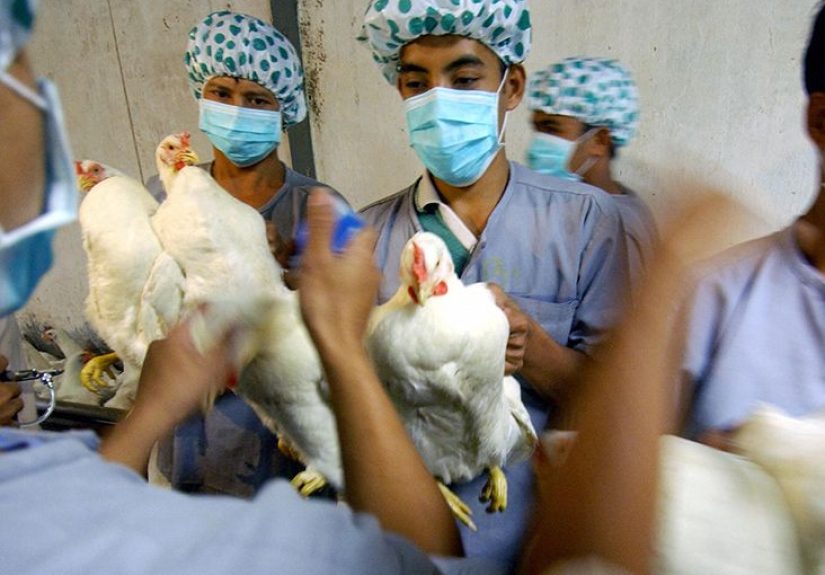
People at higher risk of H5N1 infection are those with repeated or intense exposure to potentially infected animals. That includes poultry workers, dairy farm workers, veterinarians, culling crews, animal handlers, backyard flock owners, wildlife responders, and others who may work around infected birds or cattle.
Risk also rises when exposure is close, prolonged, and unprotected. Milking infected cows, cleaning contaminated spaces, handling dead poultry, or working in dusty animal areas without proper eye and respiratory protection can all raise the odds of infection.
How doctors diagnose H5N1 bird flu
Doctors do not diagnose H5N1 by vibes. They diagnose it by combining symptoms, exposure history, and laboratory testing. That combination matters because a lot of viral illnesses look alike at the start.
Step one: the exposure history
If a patient shows up with cough, fever, red eyes, or trouble breathing, the first major question is not just “What do you feel?” It is also “What have you been around?” A clinician will want to know whether the person recently:
- Worked with poultry or dairy cattle
- Handled sick or dead birds
- Visited a farm or live bird market
- Had contact with raw milk or contaminated equipment
- Was around someone with suspected or confirmed bird flu
This is where people sometimes miss an important clue. They mention the fever but forget to mention they were cleaning a chicken coop, helping with sick backyard birds, or working in a milking parlor. For H5N1 diagnosis, that missing detail can be the whole plot twist.
Step two: laboratory testing
Bird flu is diagnosed with laboratory testing, not by symptoms alone. A healthcare provider may collect a sample from the nose or throat. If the patient has conjunctivitis, an eye swab may also be collected. In more severe illness, lower respiratory samples may be needed because they can improve detection.
The most important confirmatory test is usually reverse-transcription polymerase chain reaction, or RT-PCR, performed through public health laboratory channels when H5N1 is suspected. These H5-specific tests help identify whether the influenza A virus is actually avian influenza rather than an everyday seasonal strain.
Why a regular flu test may not be enough
This is one of the sneakiest parts of diagnosis: many flu tests used in routine clinical settings can detect influenza A, but they may not tell you whether it is H5N1. So a patient can have a positive influenza A result, yet still need additional subtyping and public health lab testing if the exposure history suggests bird flu.
That is why clinicians and health departments move quickly when H5N1 is suspected. A positive flu test is helpful, but it is not always the end of the story. Sometimes it is just the trailer.
When testing should happen
Testing should happen promptly in people who have symptoms and a recent exposure, generally within the previous 10 days. Specimens are ideally collected as soon as possible after illness begins. Public health authorities may also monitor exposed individuals for 10 days after their last known exposure, even if symptoms have not appeared yet.
If H5N1 is suspected, treatment may begin before results are back. Clinicians may start antiviral medication such as oseltamivir early because waiting for a lab confirmation is not a smart game plan when complications are possible.
H5N1 bird flu vs. seasonal flu: why confusion happens
At first glance, H5N1 and seasonal influenza can look annoyingly similar. Both can cause fever, cough, fatigue, sore throat, and body aches. But H5N1 raises extra concern because of its exposure pattern, the possibility of severe complications, and the unusually common presence of conjunctivitis in recent U.S. cases.
Here is the easy way to think about it: if you have the flu after your kid brought home germs from school, that sounds like regular life being rude. If you have red eyes and flu-like symptoms after handling dead birds or working with infected dairy cattle, that is a very different conversation and should prompt medical evaluation.
When to seek medical care right away
Get medical attention quickly if you develop symptoms after exposure to infected or potentially infected birds, dairy cows, raw milk, or contaminated environments. This is especially urgent if you have:
- Difficulty breathing
- Persistent high fever
- Worsening cough
- Severe fatigue or weakness
- Confusion
- Eye redness after animal exposure
Tell the healthcare provider about the exposure right away. Do not make them play detective while you are sitting there with the key evidence still in your pocket.
Real-world experiences: what H5N1 concerns can look like in everyday life
These are composite, realistic scenarios based on common exposure patterns and public-health guidance, not personal medical stories.
1. The dairy worker who thinks it is “just pink eye”
A dairy employee finishes a long week working in a milking parlor and notices one eye feels irritated and watery. By the next day, it is red, gritty, and a little painful. There is also mild fatigue, but no dramatic fever, so the person assumes it is allergies or routine pink eye. What changes the picture is the work setting: known exposure to cows, splashes of milk, and a job that involves close contact with animals and contaminated surfaces. In this kind of situation, even mild eye symptoms can matter. The experience teaches a key lesson about H5N1 bird flu symptoms: the infection does not always announce itself with a movie-style collapse. Sometimes it starts quietly, and that is exactly why exposure history matters so much.
2. The backyard flock owner with a sudden “flu”
A person who keeps backyard chickens finds two birds dead and spends the morning cleaning the coop, moving feed containers, and handling equipment. Two days later, a cough starts. Then comes a sore throat, body aches, and fever. At first, it feels like ordinary flu season bad luck. But the timing is suspicious. The recent bird exposure becomes the detail that shifts the diagnosis from “probably a virus” to “possibly H5N1 avian influenza.” This experience highlights something important: bird flu diagnosis is not just about how sick you feel, but also about what happened in the days before symptoms began. The person who mentions the dead birds early makes it easier for clinicians to test, involve public health officials, and start antiviral treatment if needed.
3. The anxious parent after a child touches a dead bird
A child in the yard pokes a dead wild bird with a stick, then rubs an eye before washing hands. Cue instant parental panic and a dramatic internet search spiral. The child never gets sick, which is the most common outcome, but the experience still becomes a useful lesson in risk. H5N1 does not spread casually in the same way many everyday respiratory viruses do, yet contact with dead birds or contaminated material is not something to shrug off. Families in this situation learn the value of practical steps: avoid handling dead animals, wash hands well, contact local authorities if bird deaths seem unusual, and monitor for symptoms during the following days. Sometimes the biggest benefit is not a diagnosis, but a clearer understanding of what kind of exposure actually matters.
4. The clinic visit where one missing detail changes everything
A patient arrives with fever, cough, and exhaustion. It is peak respiratory virus season, so a clinician could easily think seasonal flu or COVID-19 first. Then one extra sentence changes the whole assessment: “I help process poultry on weekends.” Suddenly, the case requires a different lens. The provider asks about dead birds, protective equipment, eye symptoms, and recent farm outbreaks. Samples are collected. Public health contacts may be involved. The patient may even begin antiviral treatment before confirmatory results return. This is the real-world experience many people do not see from the outside: H5N1 diagnosis depends on connecting symptoms with context. Without that context, bird flu can hide in plain sight. With it, healthcare teams can act fast, test appropriately, and reduce the chance of missing a potentially serious infection.
Final thoughts
H5N1 bird flu is serious, but it is not mysterious once you understand the pattern. The virus usually reaches people through close contact with infected birds, dairy cattle, or contaminated materials. Symptoms can look like regular flu, but eye redness has become an especially notable clue in recent U.S. cases. Diagnosis depends on more than feeling sick; it depends on recent exposure plus the right laboratory testing.
If there is one takeaway to remember, it is this: tell your healthcare provider about animal exposure, even if the symptom seems small. A red eye after farm work is not a random footnote. In H5N1, it can be the headline.