Table of Contents >> Show >> Hide
- What Is Hashimoto’s Disease?
- What Causes It and Who Is More Likely to Get It?
- Common Hashimoto’s Symptoms
- How Hashimoto’s Is Diagnosed
- Hashimoto’s Treatment: What Actually Helps?
- What About Diet, Supplements, and Lifestyle?
- Why Treatment Matters
- When to See a Doctor
- What Living With Hashimoto’s Can Feel Like: Real-World Experiences
- Conclusion
- SEO Tags
Hashimoto’s disease sounds like the name of a detective from a prestige drama, but it’s actually one of the most common causes of an underactive thyroid. And because the thyroid helps regulate everything from energy and body temperature to digestion, mood, and menstrual cycles, a sluggish thyroid can make life feel like someone quietly replaced your internal batteries with old ones from a TV remote.
Hashimoto’s disease is an autoimmune condition. That means the immune system, which is supposed to protect you, gets confused and attacks the thyroid gland instead. Over time, that attack can inflame and damage the gland, making it harder for it to produce enough thyroid hormone. The result is often hypothyroidism, also called an underactive thyroid.
The good news? Hashimoto’s is usually very manageable once it’s recognized. The frustrating news is that it can be sneaky. Symptoms often creep in slowly, overlap with other conditions, and may be dismissed as stress, aging, parenting, overworking, under-sleeping, or plain old “I guess this is my life now.” It doesn’t have to be.
This guide explains what Hashimoto’s disease is, what symptoms to watch for, how doctors diagnose it, and what treatment usually looks like. It also covers real-life experiences people often have with the condition, because sometimes the missing piece is not just a lab result, but finally realizing, “Wait, that sounds exactly like me.”
What Is Hashimoto’s Disease?
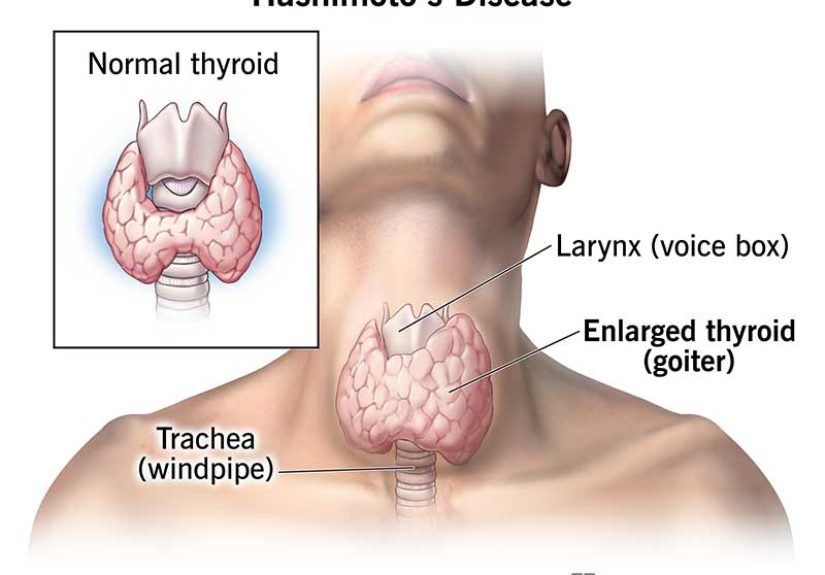
Hashimoto’s disease, also called Hashimoto thyroiditis or chronic autoimmune thyroiditis, is a long-term autoimmune disorder that affects the thyroid gland. The thyroid sits at the front of the neck and has a butterfly shape, which is charming until that butterfly decides to stop doing its job.
Your thyroid produces hormones that help control metabolism. Despite what diet culture has done to the word “metabolism,” this is not just about weight. Thyroid hormones influence how your body uses energy, how warm or cold you feel, how fast your heart beats, how your intestines move, how your skin and hair behave, and even how sharp your brain feels on a Monday morning.
In Hashimoto’s disease, the immune system produces antibodies that attack thyroid tissue. Over time, the resulting inflammation can reduce the gland’s ability to make enough thyroid hormone. Some people have Hashimoto’s for years before their thyroid hormone levels drop enough to cause obvious problems. Others first notice a swollen thyroid, called a goiter, or start feeling symptoms that seem random until the pattern finally comes into focus.
What Causes It and Who Is More Likely to Get It?
Researchers do not know one single cause of Hashimoto’s disease, but they do know it tends to run in families and often shows up alongside other autoimmune conditions. In other words, genetics may load the gun, and a mix of immune, hormonal, and environmental factors may pull the trigger.
Hashimoto’s is more common in women than in men, and it often appears in adulthood, especially during middle age, though younger adults, teens, and older adults can develop it too. Risk may also be higher in people who have a personal or family history of thyroid disease or autoimmune disorders such as type 1 diabetes, celiac disease, lupus, rheumatoid arthritis, pernicious anemia, or Sjögren’s syndrome.
Some people also first learn they have thyroid trouble around major hormonal shifts, such as after pregnancy. That does not mean every new parent with brain fog and exhaustion has Hashimoto’s, because, honestly, new parenthood has enough overlap with hypothyroidism to confuse anyone. But it does mean persistent symptoms deserve real attention.
Common Hashimoto’s Symptoms
Hashimoto’s disease does not always announce itself dramatically. In many people, symptoms build slowly. You may not wake up one day and think, “Ah yes, autoimmune thyroiditis.” It is more like a quiet accumulation of little changes that make daily life feel harder than it used to.
Early or common symptoms
- Fatigue or feeling slowed down
- Feeling unusually cold
- Mild weight gain or difficulty losing weight
- Constipation
- Dry skin
- Dry, brittle, or thinning hair
- Puffy face or puffiness around the eyes
- Muscle aches, joint pain, or weakness
- Brain fog, memory trouble, or difficulty concentrating
- Low mood or depression
- Heavy or irregular menstrual periods
- Fertility issues in some women
Some people notice a goiter before anything else. A goiter can make the front of the neck look swollen or create a feeling of fullness in the throat. It is usually painless, but if it becomes large, it may make swallowing feel weird or make you constantly aware that your neck exists, which is not a sensation anyone asked for.
Symptoms can vary from person to person
Not everyone gets the same symptom set. One person may mainly struggle with crushing fatigue and constipation. Another may be most bothered by heavy periods, hair thinning, and feeling icy in a room where everyone else seems perfectly comfortable. Another may just feel mentally dull and emotionally flat. The symptoms often reflect the body’s overall “slowdown” when thyroid hormone levels drop.
That is one reason Hashimoto’s can be missed. Many of its symptoms are common and nonspecific. Fatigue can be blamed on stress. Weight gain gets blamed on everything. Brain fog gets shrugged off. Hair changes become a “maybe it’s the weather” problem. Sometimes the diagnosis comes only when several symptoms start piling up at once.
How Hashimoto’s Is Diagnosed
Doctors usually diagnose Hashimoto’s disease using a combination of your symptoms, medical history, physical exam, and blood tests. There is no single dramatic movie moment where one glowing machine shouts the answer.
1. TSH test
The thyroid-stimulating hormone, or TSH, test is often the first and most important screening blood test. TSH is made by the pituitary gland and tells the thyroid to produce hormone. When the thyroid is underperforming, TSH usually rises because the body is trying harder to get the gland to work.
2. Free T4 test
Doctors often check free T4 as well. This shows how much thyroid hormone is available for the body to use. In primary hypothyroidism caused by thyroid gland damage, TSH is often high and free T4 is low.
3. Thyroid antibody tests
If Hashimoto’s is suspected, doctors may order thyroid antibody testing, especially thyroid peroxidase antibodies, often called TPO antibodies. High levels can support the diagnosis by showing that the immune system is targeting the thyroid.
4. Physical exam and, sometimes, ultrasound
Your clinician may feel your thyroid to check whether it is enlarged, firm, lumpy, or tender. In some cases, they may recommend a thyroid ultrasound, especially if there is a goiter, asymmetry, or concern about nodules. But ultrasound is not necessary in every straightforward case.
One important point: Hashimoto’s disease and hypothyroidism are closely related, but they are not exactly the same thing. Hashimoto’s is the autoimmune process. Hypothyroidism is the hormone shortage that often results. Some people have Hashimoto’s antibodies before they develop full hypothyroidism, which is why monitoring can matter even when symptoms are mild or labs are only slightly off.
Hashimoto’s Treatment: What Actually Helps?
Treatment depends on whether the disease has caused hypothyroidism and how abnormal the lab results are.
If thyroid levels are still normal
Not everyone with Hashimoto’s needs medicine right away. If you have thyroid antibodies but your TSH and free T4 are still in the normal range, your doctor may simply monitor your labs and symptoms over time. That can feel emotionally unsatisfying if you were hoping for an instant fix, but it is a standard and evidence-based approach.
If Hashimoto’s has caused hypothyroidism
The main treatment is levothyroxine, a synthetic version of T4, which is the same hormone your thyroid normally makes. It is the go-to therapy because it replaces what your body is missing. The goal is to restore thyroid hormone levels to a healthy range and relieve symptoms.
Most people take levothyroxine once a day. It often works very well, but dose selection matters. Too little may leave symptoms hanging around. Too much can push you toward an overtreated state with symptoms such as shakiness, racing heart, sweating, anxiety, and unintended weight loss. This is why follow-up blood work is part of the plan, not a side quest.
How to take it correctly
Consistency is the name of the game. Many clinicians recommend taking levothyroxine on an empty stomach, often first thing in the morning, and taking it the same way every day. Food can affect absorption. So can certain supplements and medications.
Common absorption troublemakers include:
- Iron supplements
- Calcium supplements
- Some antacids
- Certain ulcer medications and bile acid binders
- Sometimes soy, depending on timing
That does not mean these things are forbidden forever. It usually means they should be separated from levothyroxine by several hours, based on your clinician’s advice and the product directions.
Will treatment cure Hashimoto’s?
Hashimoto’s itself is a lifelong autoimmune condition. There is no known cure that “switches off” the disease completely. But hypothyroidism caused by Hashimoto’s is usually very treatable, and many people feel dramatically better once the right dose is found and maintained.
What About Diet, Supplements, and Lifestyle?
There is no single magic Hashimoto’s diet proven to cure the condition. That is disappointing, yes, but also useful to know before spending a small fortune on wellness powders with names that sound like they were invented by a focus group.
That said, daily habits still matter. A balanced eating pattern, regular movement, enough sleep, and management of other health conditions can make symptoms easier to handle. If you have another autoimmune condition, addressing that matters too. And if you suspect certain foods are worsening how you feel, work with a clinician or registered dietitian instead of launching a one-person nutritional experiment based on internet folklore.
Supplements should be handled carefully. More is not always better. In thyroid health, random supplement use can create confusion, interfere with medication, or even cause problems if iodine intake becomes excessive. It is smart to ask your clinician before adding anything that promises to “boost” the thyroid.
Why Treatment Matters
Untreated hypothyroidism can affect more than energy levels. Over time, it may contribute to an enlarged thyroid, higher LDL cholesterol, reduced fertility, pregnancy complications, and nerve problems such as numbness or tingling. In rare and severe cases, long-standing untreated hypothyroidism can lead to myxedema coma, which is a medical emergency.
That sounds scary, but the practical takeaway is simple: persistent symptoms deserve evaluation, and once diagnosed, regular follow-up matters.
When to See a Doctor
Make an appointment if you have ongoing fatigue, constipation, cold intolerance, dry skin, hair thinning, heavy periods, unexplained weight changes, fertility concerns, or swelling in the front of your neck. You should also seek care if you already take thyroid medication but still feel poorly, because your dose may need to be adjusted.
Get urgent medical attention if someone with severe hypothyroidism becomes extremely drowsy, confused, unusually cold, short of breath, or unresponsive. Those symptoms need emergency care.
What Living With Hashimoto’s Can Feel Like: Real-World Experiences
The experiences below are composite, educational examples built from common patterns people describe when living with Hashimoto’s disease. They are not meant to replace medical advice, but they do reflect the kind of day-to-day reality that often accompanies the condition.
For many people, the first phase is confusion. They know something feels off, but nothing is dramatic enough to scream “thyroid problem.” Maybe they start needing sweaters when everyone else is comfortable. Maybe they are sleeping enough but still feel wiped out by noon. Maybe their hairbrush suddenly looks more ambitious than usual. It often feels like a collection of tiny annoyances rather than one neat medical story.
Another common experience is self-doubt. People may wonder whether they are just stressed, lazy, burned out, aging, or “not trying hard enough.” Someone who has always been energetic may feel embarrassed by how hard ordinary tasks suddenly seem. A parent might think, “Of course I’m exhausted, life is busy.” A professional might blame brain fog on too many meetings. A person who has gained weight may assume they just need more willpower, even as their body seems to be rowing in the opposite direction.
Then comes the moment when the symptoms start overlapping in a way that is hard to ignore. Fatigue joins constipation. Cold intolerance shows up next to heavy periods. Dry skin teams up with low mood. Or a clinician notices a swollen thyroid during an exam. That is often when testing finally happens and the picture becomes clearer.
Many people feel relief after diagnosis. Not because anyone is thrilled to collect an autoimmune disease, obviously, but because the symptoms finally make sense. There is a name for what is happening. The problem is real. It is not “all in your head,” even if brain fog did briefly rent out the place.
Starting treatment can also be a mixed experience. Some people feel noticeably better within weeks. Others improve more gradually. Energy may return in stages. Constipation may ease first, while hair and skin take longer to catch up. Some people are surprised that medication is not an instant transformation montage. Finding the right dose can take time, and follow-up labs are part of the process. It is not failure if the dose needs adjustment. It is normal thyroid care.
People also often describe learning a new kind of consistency. They figure out a routine for taking medication, timing breakfast, and spacing out supplements like iron or calcium. They get better at noticing patterns in how they feel. They may learn that being technically “treated” on paper and actually feeling well are related but not always identical on day one. Good communication with a clinician becomes a major quality-of-life tool.
For women trying to conceive, managing Hashimoto’s can feel especially personal. Irregular cycles, fertility concerns, pregnancy planning, and postpartum changes can all raise the emotional stakes. In that context, thyroid testing is not just about numbers; it is about feeling supported and monitored during an important stage of life.
Long term, many people settle into a manageable routine. They take medication, get periodic labs, and go on with their lives. The condition becomes something they manage, not something that defines them. They may still have the occasional frustrating day, but they also know what questions to ask, what symptoms to watch, and when to check in with a doctor. That kind of knowledge can be powerful. Hashimoto’s may be chronic, but for many people, it is also highly manageable with the right care.
Conclusion
Hashimoto’s disease is a common autoimmune condition that gradually damages the thyroid and often leads to hypothyroidism. Its symptoms can be subtle at first, but they can affect energy, mood, digestion, skin, hair, menstrual cycles, fertility, and overall quality of life. Diagnosis usually relies on symptoms, a physical exam, thyroid blood tests such as TSH and free T4, and thyroid antibody testing.
Treatment is often straightforward: if hypothyroidism develops, levothyroxine replaces the hormone the thyroid can no longer make. With the right dose, good follow-up, and a consistent medication routine, many people do very well. So if your body has been sending a steady stream of “something is not right” emails, it may be time to stop archiving them and get your thyroid checked.