Table of Contents >> Show >> Hide
- What Is Hearing Loss?
- The Main Types of Hearing Loss
- Common Causes of Hearing Loss
- Symptoms of Hearing Loss
- When Hearing Loss Is a Medical Emergency
- How Hearing Loss Is Diagnosed
- Treatment and Management Options
- How to Prevent Hearing Loss
- Why Prevention Matters More Than People Think
- Real-Life Experiences Related to Hearing Loss
- Conclusion
Hearing loss rarely makes a dramatic entrance. It usually sneaks in like a cat burglar wearing soft socks. First, you miss a few consonants. Then restaurant conversations start sounding like a badly tuned radio. Before long, you are asking people to repeat themselves so often that even your dog looks concerned.
But hearing loss is not just an “older adult problem,” and it is definitely not something to shrug off with a brave little “Huh?” It can affect children, adults, musicians, construction workers, commuters, gamers, and anyone who has ever thought, “This concert is loud, but I’m sure my ears will forgive me.” Sometimes they do. Sometimes they hold a grudge.
This guide explains what hearing loss is, what causes it, the warning signs to watch for, and the smartest ways to protect your hearing before the volume of life gets turned down. We will also cover when hearing changes need medical attention right away, because not every hearing issue is a wait-and-see situation.
What Is Hearing Loss?
Hearing loss means you cannot hear sounds as well as you used to, or as well as you should for your age and situation. It can happen gradually over many years or appear more suddenly. It may affect one ear or both. It can be mild, moderate, severe, or profound. And it can make daily life a lot harder than people realize.
At its core, hearing depends on a chain reaction. Sound waves travel through the outer ear, move the eardrum, vibrate the tiny bones in the middle ear, and then reach the inner ear, where delicate sensory cells and nerves send signals to the brain. If anything in that chain is blocked, damaged, inflamed, injured, or just plain worn down, hearing can suffer.
The Main Types of Hearing Loss
Conductive hearing loss
This happens when sound cannot move efficiently through the outer or middle ear. Common culprits include earwax buildup, fluid behind the eardrum, ear infections, a hole in the eardrum, or problems with the tiny middle-ear bones. The good news is that conductive hearing loss is often treatable, and sometimes reversible.
Sensorineural hearing loss
This is the most common type in adults. It involves damage to the inner ear or the hearing nerve. Aging, long-term noise exposure, head trauma, certain infections, inherited conditions, and some medications can all play a role. This type is often permanent, although treatment and hearing devices can still improve communication and quality of life.
Mixed hearing loss
As the name suggests, this is a combination of conductive and sensorineural hearing loss. In real life, hearing loss does not always follow neat categories. Sometimes the ear likes to be complicated just to keep audiologists employed.
Common Causes of Hearing Loss
Aging
Age-related hearing loss, also called presbycusis, usually develops slowly in both ears. Many people first notice trouble hearing high-pitched voices, following fast conversations, or understanding speech in noisy rooms. A quiet living room may feel manageable, while a crowded restaurant suddenly feels like an audio obstacle course.
Long-term exposure to loud noise
Noise is one of the biggest preventable causes of hearing loss. Repeated exposure to loud sounds can damage the tiny hair cells inside the cochlea. These cells are delicate, and unlike your patience during a loud airport delay, they do not reliably bounce back.
Noise-related hearing loss can happen from:
- Concerts and clubs
- Headphones and earbuds at high volume
- Power tools, lawn equipment, and motorcycles
- Firearms and fireworks
- Factory, construction, and industrial noise
- Repeated exposure to loud sports venues or sirens
Earwax blockage
Earwax is not the villain it is often made out to be. It actually protects the ear canal. But when it builds up and blocks sound, it can cause temporary hearing loss, a feeling of fullness, or muffled hearing.
Ear infections and fluid buildup
Infections, inflammation, or fluid trapped behind the eardrum can interfere with sound transmission. This is especially common in children, but adults can deal with it too. When hearing feels muffled after an illness, it is worth paying attention.
Injuries and trauma
A sudden blast of sound, a head injury, or damage to the eardrum can affect hearing quickly. Even one major noise event, such as an explosion or close-range gunfire, may cause lasting damage.
Genetics and birth-related factors
Some people are born with hearing loss or a higher likelihood of developing it. Family history, structural differences in the ear, and certain prenatal or early-life conditions can all contribute.
Medical conditions
Hearing loss may also be linked to conditions such as otosclerosis, Ménière’s disease, autoimmune inner ear disease, meningitis, and other illnesses that affect the ear, nerve pathways, or brain. Sometimes hearing loss is the headline symptom. Other times, it is part of a much messier medical story.
Medications that can affect hearing
Some medicines are considered ototoxic, meaning they can damage the inner ear. Certain antibiotics, cancer drugs, and other powerful medications may increase the risk. This does not mean people should stop important treatments on their own. It means hearing changes during treatment should be reported promptly.
Symptoms of Hearing Loss
Hearing loss is not always obvious at first. In fact, many people adjust gradually and assume everyone else is mumbling. Spoiler: not everyone is mumbling.
Common symptoms include:
- Speech sounding muffled or unclear
- Trouble understanding conversations in noisy places
- Frequently asking people to repeat themselves
- Difficulty hearing high-pitched sounds, such as children’s voices or phone alerts
- Turning up the TV, radio, or phone volume more than before
- Having trouble hearing on the phone
- Ringing in the ears, also called tinnitus
- Feeling tired after social situations because listening takes more effort
- Withdrawing from conversations or group settings
Some people also notice that they can hear sound but cannot understand words clearly. That difference matters. Hearing volume and hearing clarity are not always the same thing.
When Hearing Loss Is a Medical Emergency
Most gradual hearing loss deserves evaluation, but sudden hearing loss deserves urgency. If hearing drops quickly in one ear or both, especially over hours or a few days, do not assume it is wax, allergies, or a minor sinus problem.
Seek medical care right away if hearing loss comes with:
- Sudden onset
- Severe ringing in one ear
- Dizziness or vertigo
- Ear pain or drainage
- Facial weakness
- Headache, numbness, or neurological symptoms
Fast treatment can matter. Delaying evaluation may reduce the chance of recovery in certain types of sudden sensorineural hearing loss.
How Hearing Loss Is Diagnosed
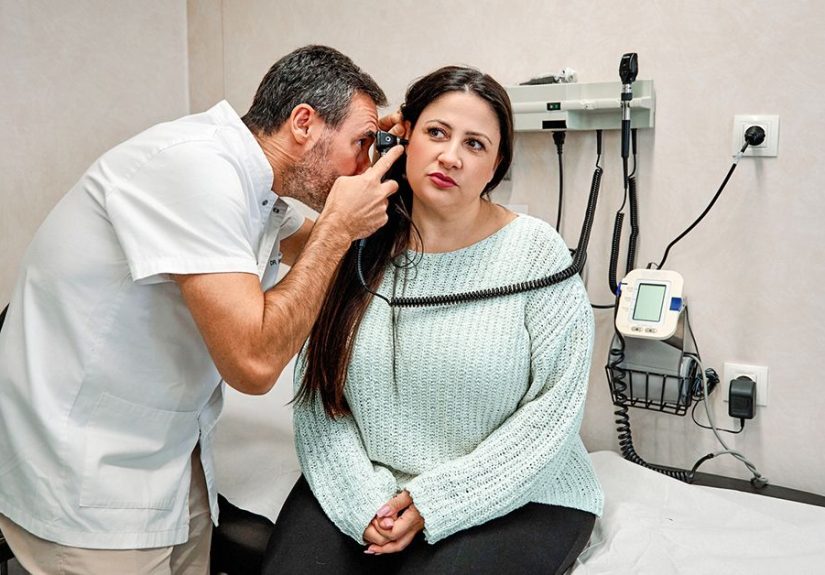
If you think your hearing has changed, start with a healthcare professional. Depending on the situation, you may be referred to an audiologist or an ear, nose, and throat specialist.
Evaluation may include:
- A review of symptoms, medical history, and noise exposure
- An ear exam to look for wax, infection, or structural problems
- Audiometry, which measures what sounds and speech you can hear
- Tests to determine whether the loss is conductive, sensorineural, or mixed
- Imaging or additional medical workup in selected cases
This matters because treatment depends on the cause. Earwax and fluid need a different plan than age-related inner-ear damage. The ear is not a one-size-fits-all device, and thankfully, neither is hearing care.
Treatment and Management Options
Treatment is not the same for every person, but many effective options exist.
Medical treatment
If hearing loss is caused by infection, inflammation, fluid, or sudden sensorineural loss, medications or urgent treatment may help. In some cases, surgery is appropriate, especially for structural issues or certain middle-ear conditions.
Hearing aids
Hearing aids can be life-changing for many people with mild to severe hearing loss. They do more than make sounds louder. Modern devices are designed to improve speech understanding, reduce listening strain, and help people stay engaged socially.
For some adults with perceived mild to moderate hearing loss, over-the-counter hearing aids may be an option. Still, a professional hearing evaluation can be very helpful, especially if symptoms are new, uneven, sudden, painful, or confusing.
Cochlear implants and other devices
For severe hearing loss that does not improve enough with hearing aids, cochlear implants and assistive listening devices may offer meaningful benefit. Captions, amplified phones, and TV listening systems can also make day-to-day communication much easier.
Communication strategies
Sometimes simple changes work wonders:
- Reduce background noise before talking
- Face the person you are speaking with
- Speak clearly, not aggressively loudly
- Ask for rephrasing instead of simple repetition
- Use captions for video calls and streaming content
How to Prevent Hearing Loss
Not all hearing loss can be prevented, but a surprising amount of it can be reduced or delayed with a few consistent habits.
1. Turn the volume down
If your headphones are loud enough to drown out the world, your ears are probably filing a formal complaint. Lower the volume on earbuds, gaming headsets, and speakers. Safer listening habits today can protect clarity later.
2. Limit how long you stay in loud environments
Loudness and duration are a team. Even if a sound does not seem painfully loud, long exposure still matters. Take listening breaks during concerts, workouts, sporting events, and noisy work shifts.
3. Move away from the noise source
Distance helps. Standing farther from speakers, engines, or heavy equipment can reduce sound exposure more than many people realize.
4. Use hearing protection
Wear earplugs or earmuffs when you mow the lawn, use power tools, attend concerts, ride motorcycles, or work around machinery. For shooters, musicians, and workers in noisy industries, hearing protection is not overcautious. It is smart maintenance.
5. Protect your hearing at work
If your job involves regular noise exposure, follow workplace hearing conservation rules and use the protection provided. Occupational hearing loss is often permanent, but it is also highly preventable.
6. Pay attention to early warning signs
Ringing after a loud event, temporary muffled hearing, or needing more volume than usual can all be clues that your ears are under stress. Those are not badges of honor. They are warnings.
7. Manage overall ear health
Get persistent ear pain, drainage, dizziness, or blocked hearing checked out. Treating infections, inflammation, and other ear conditions early may help prevent longer-term problems.
8. Review medication risks when needed
If you are starting a medication known to affect hearing, ask whether hearing monitoring is appropriate. Do not stop treatment without medical guidance, but do not ignore new symptoms either.
Why Prevention Matters More Than People Think
Hearing loss affects more than the ears. It can strain relationships, create frustration at work, reduce confidence in social settings, and make everyday safety harder when alarms, traffic, and spoken instructions are missed. It can also increase listening fatigue, which is a polite way of saying your brain works overtime trying to fill in missing pieces.
The earlier you take hearing changes seriously, the better your odds of protecting communication, independence, and quality of life. Waiting until hearing loss becomes “bad enough” often means living with more stress than necessary for a long time.
Real-Life Experiences Related to Hearing Loss
One of the most common experiences people describe is not a total inability to hear, but a strange mismatch between hearing and understanding. A person may say, “I can hear you talking, but I can’t make out the words.” This often becomes obvious in restaurants, family gatherings, meetings, or cars. Background noise turns speech into mush, and the person with hearing loss starts nodding, smiling, and hoping nobody asked a question that requires an actual answer.
Another common experience is fatigue. Listening with hearing loss takes effort. The brain has to work harder to fill in the blanks, guess missing sounds, and keep up with fast conversation. By the end of a social event, many people feel mentally exhausted, even if they were sitting down the whole time. It is not rudeness, lack of attention, or low patience. It is cognitive heavy lifting.
Many adults also talk about the emotional side of hearing changes. At first, they joke about needing subtitles for real life. Later, the frustration becomes more personal. They may feel embarrassed asking people to repeat themselves. They may avoid phone calls because voices are harder to understand without facial cues. Some start withdrawing from social situations because it feels easier to stay home than to struggle through conversation in a noisy room.
Family members often notice the change before the person with hearing loss does. They may point out that the television is too loud, or that repeated misunderstandings are causing tension. A spouse may feel ignored. A grandparent may miss the soft, high-pitched voices of children. A worker may begin missing details in meetings and wonder whether the problem is focus, when the real issue is hearing clarity.
People with noise-related hearing loss sometimes describe a delayed realization. In younger years, loud music, tools, engines, or sporting events did not seem like a big deal. Ear protection felt unnecessary or uncool. Then, years later, ringing in the ears becomes more frequent, crowded places become difficult, and high-pitched sounds fade. The lesson arrives late, but it arrives loudly.
There are also encouraging experiences. Many people who finally get a hearing test say they wish they had done it sooner. The relief of understanding the problem can be enormous. Hearing aids, communication strategies, captions, and better listening environments often help more than expected. People frequently report hearing birds again, catching dialogue without maxing out the TV, and feeling less isolated in conversation.
Perhaps the most important lived experience is this: hearing loss is not a personal failure. It is a health issue, and like vision changes, it deserves attention, tools, and support. The earlier someone responds, the easier it is to stay connected to work, family, community, and the small everyday sounds that make life feel full.
Conclusion
Hearing loss can begin quietly, but its effects can become very loud in daily life. Whether the cause is aging, repeated noise exposure, wax buildup, illness, injury, or medication, the key is to notice the signs early and act on them. Protecting your ears is not overreacting. It is long-term common sense with excellent acoustics.
If sounds seem muffled, conversations feel harder, or ringing in your ears has become a regular guest star, do not wait indefinitely. A hearing check can identify the cause, guide treatment, and help you protect the hearing you still have. Your future self would probably like to keep enjoying music, conversation, and the satisfying sound of not saying “What?” every five minutes.