Table of Contents >> Show >> Hide
- What is a heart disease diet, really?
- Benefits: What changes when you eat for your heart
- Foods to eat more of
- Vegetables (especially non-starchy) and fruit
- Whole grains (the “keeps-you-full” carbs)
- Beans, lentils, and peas
- Nuts and seeds
- Fish and seafood (especially fatty fish)
- Lean proteins (and plant proteins)
- Low-fat or fat-free dairy (or unsweetened alternatives)
- Healthy fats: olive oil, avocado, and non-tropical plant oils
- Foods to limit (without feeling deprived)
- How to build a heart-healthy plate (without turning into a full-time chef)
- Label-reading shortcuts (so sodium and sugar stop winning)
- A realistic 1-day sample menu
- Eating out without wrecking your progress
- Special situations: when you should personalize the plan
- FAQs people ask (often while staring into the fridge)
- Experiences people commonly have when they switch to a heart-healthy diet (the real-world part)
- Conclusion
If your heart had a group chat, it would be texting you the same message every day: “Less drama. More fiber.” The good news is that a heart-friendly diet isn’t a joyless punishment where flavor goes to die. It’s mostly about swapping the usual troublemakers (salt bombs, sugar sneak attacks, and fats that behave like they pay rent in your arteries) for foods that actually help your blood vessels do their job.
Whether you’re trying to prevent heart disease, manage high cholesterol, lower blood pressure, or support recovery after a cardiac event, the “heart disease diet” is less one strict menu and more a way of eating: lots of plants, smart proteins, healthy fats, and fewer ultra-processed foods. Think of it as building a plate that your future self will high-five you for.
What is a heart disease diet, really?
“Heart disease diet” is a broad term that usually means an eating pattern designed to reduce cardiovascular risk factors like high LDL (“bad”) cholesterol, high blood pressure, elevated triglycerides, inflammation, and insulin resistance. You’ll often hear it described as:
- A heart-healthy diet (general term used by major health organizations)
- Mediterranean-style eating (olive oil, plants, seafood, minimal ultra-processed foods)
- DASH (Dietary Approaches to Stop Hypertensionespecially helpful for blood pressure)
The best plan is the one you can actually stick with. Perfection is optional; consistency is the real MVP.
Benefits: What changes when you eat for your heart
Your heart doesn’t just care about one “magic” food. It cares about patternswhat you eat most days, most meals. Here’s what a heart-healthy pattern can improve:
1) Lower LDL cholesterol (and healthier blood fats overall)
Soluble fiber (from oats, beans, fruit, and many veggies) can help lower LDL by binding bile acids in the gut. Replacing saturated fat with unsaturated fats (like olive oil, nuts, seeds, and fatty fish) also supports healthier cholesterol levels.
2) Better blood pressure
Blood pressure is strongly influenced by sodium intake, potassium-rich foods, and overall diet quality. DASH-style eatingrich in fruits, vegetables, low-fat dairy, whole grains, beans, and nutshas a strong track record for supporting healthier readings.
3) Reduced inflammation and better vessel function
A diet emphasizing minimally processed foods, plants, and omega-3–rich seafood supports the body’s natural anti-inflammatory balance and may improve how blood vessels respond and relax.
4) Easier weight management (without “diet brain”)
High-fiber, high-protein meals are naturally more filling. When your meals keep you satisfied, you’re less likely to snack like a raccoon in a pantry at midnight.
5) Better blood sugar control
Because heart disease and diabetes often travel as a pair, an eating style that reduces added sugars and refined carbs while increasing fiber and nutrient-dense foods can help stabilize glucose and support long-term heart health.
Foods to eat more of
If you only remember one thing, make it this: your plate should look like it wandered through a farmers market and got inspired.
Vegetables (especially non-starchy) and fruit
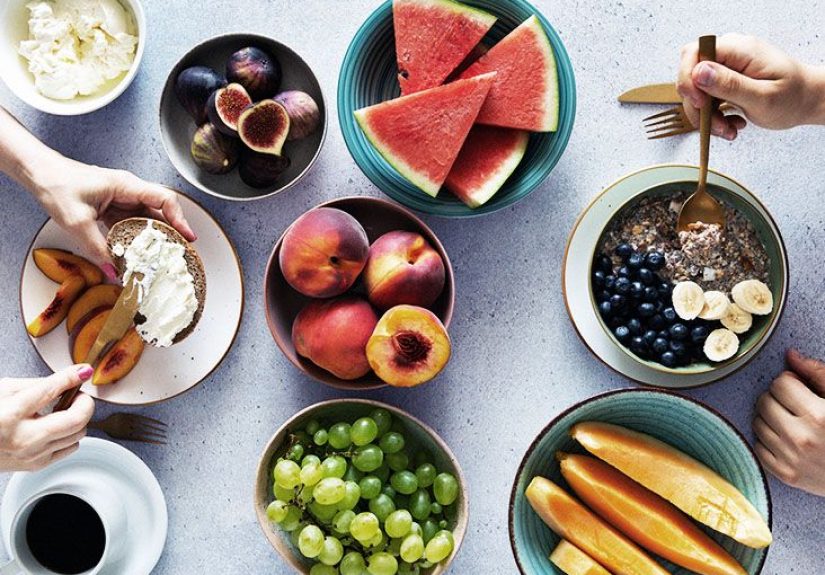
Aim for variety and color: leafy greens, broccoli, peppers, tomatoes, carrots, berries, citrus, appleswhatever you’ll actually eat. These foods bring fiber, potassium, antioxidants, and phytochemicals that support cardiovascular health.
- Easy win: Add a “produce starter” to lunch and dinner (a side salad, cucumbers, fruit cup, or roasted veggies).
- Example: Taco night? Add sautéed peppers and onions and a cabbage slaw. Suddenly it’s a heart-healthy glow-up.
Whole grains (the “keeps-you-full” carbs)
Choose oats, brown rice, quinoa, barley, whole-wheat pasta, whole-grain bread, and popcorn (unsalted, lightly seasoned) more often than refined grains. Whole grains bring fiber and nutrients that help with cholesterol and fullness.
- Example breakfast: Oatmeal with berries + chopped walnuts + cinnamon.
- Example dinner: Quinoa bowl with roasted vegetables, chickpeas, and a lemon-olive oil dressing.
Beans, lentils, and peas
These are heart-health superheroes: fiber, plant protein, minerals, and serious versatility. If your kitchen had a “low effort, high reward” aisle, it would be the bean shelf.
- Quick ideas: Add black beans to salads, lentils to soup, chickpeas to pasta, or white beans to tomato sauce.
- Snack upgrade: Hummus + veggies beats “mystery chips” almost every time.
Nuts and seeds
Nuts and seeds offer unsaturated fats, fiber, and minerals like magnesium. Keep portions reasonable (they’re calorie-dense), but don’t be afraid of them.
- Smart portions: A small handful of nuts, or 1–2 tablespoons of chia/flax in yogurt or oatmeal.
- Great picks: Walnuts, almonds, pistachios, chia, flax, pumpkin seeds.
Fish and seafood (especially fatty fish)
Fatty fish (salmon, sardines, trout, herring, anchovies) provides omega-3 fats that support heart health. If fish isn’t your thing, start with milder options (salmon tacos, tuna in a bean salad) or aim for a once-a-week habit and build from there.
- Simple goal: Two servings of fish per week, preferably fatty fish.
- Cooking tip: Bake with lemon, garlic, pepper, and herbsbig flavor, no sodium overload required.
Lean proteins (and plant proteins)
You don’t have to give up meat entirely, but the type and frequency matter. Lean poultry, fish, beans, lentils, tofu, and tempeh tend to be more heart-friendly than processed meats.
- Try a “plant protein swap” twice a week: chili with beans/lentils, tofu stir-fry, or chickpea curry.
- Limit: processed meats (bacon, sausage, hot dogs, many deli meats) as much as possible.
Low-fat or fat-free dairy (or unsweetened alternatives)
If you include dairy, choosing lower-fat, lower-sugar options can help reduce saturated fat intake. Plain yogurt, cottage cheese, and milk can fit welljust watch added sugars in flavored products.
- Label trick: Choose “plain” and add fruit yourselfyour heart doesn’t need dessert disguised as yogurt.
Healthy fats: olive oil, avocado, and non-tropical plant oils
Not all fats are equal. Unsaturated fats support heart health; saturated and trans fats are the ones to keep on a tight leash. Use olive oil, canola, soybean, sunflower, and other non-tropical oils more often than butter or shortening.
- Easy swap: Olive oil + vinegar instead of creamy dressings most days.
- Flavor boost: Herbs, garlic, citrus, mustard, and pepper make healthy fats taste like a “yes.”
Foods to limit (without feeling deprived)
You don’t have to “never again” these foods. But if they show up constantly, your heart basically gets stuck doing overtime.
Saturated fat (keep it modest)
Saturated fat can raise LDL cholesterol. Common sources include butter, cheese, full-fat dairy, fatty cuts of red meat, and tropical oils like coconut and palm oil. A practical approach is to prioritize lean proteins and plant fats most of the time.
Artificial trans fat (avoid)
Artificial trans fat has been strongly linked with heart disease risk. While it’s far less common in the U.S. food supply than it used to be, ultra-processed and fried foods are still worth limiting. If you see “partially hydrogenated oils” on an ingredient list, that’s your cue to walk away like you forgot something important.
Excess sodium (the sneakiest one)
Sodium isn’t only in the salt shakerit’s in packaged foods, restaurant meals, sauces, soups, breads, and “healthy” snacks that quietly taste like the ocean. Cutting back can help blood pressure.
- High-sodium usual suspects: deli meats, instant noodles, canned soups, pizza, fast food, frozen dinners, bottled sauces.
- Better approach: choose low-sodium versions, rinse canned beans, and season with herbs, vinegar, citrus, garlic, and spices.
Added sugars and refined carbs
Sugary drinks, candy, pastries, and refined snacks can worsen triglycerides and contribute to weight gain and insulin resistance. Keep sweets as “sometimes,” not “daily.”
- Swap: sparkling water + fruit slices instead of soda.
- Upgrade: fruit + nuts instead of cookies when you want something sweet.
Ultra-processed foods (limit the “food-like products”)
Many ultra-processed foods combine refined carbs, sodium, unhealthy fats, and additives in a way that makes overeating extremely easy. The goal isn’t fearit’s awareness. Choose more foods that look like ingredients, not chemistry experiments.
How to build a heart-healthy plate (without turning into a full-time chef)
Use this flexible formula:
- Half the plate: vegetables (plus fruit on the side)
- One quarter: protein (fish, beans, poultry, tofu)
- One quarter: whole grains or starchy veggies (oats, brown rice, quinoa, sweet potato)
- Add: healthy fat (olive oil, avocado, nuts/seeds) and flavor (herbs/spices/citrus)
Three “lazy genius” meals
- Breakfast: oatmeal + berries + walnuts + cinnamon
- Lunch: salad kit + canned low-sodium beans + olive oil + lemon
- Dinner: sheet-pan salmon (or tofu) + roasted veggies + quinoa
Label-reading shortcuts (so sodium and sugar stop winning)
Nutrition labels are basically the “receipts” for your food. Here’s what to check first:
- Sodium: compare brands. “Lower sodium” options can be dramatically different.
- Saturated fat: aim lower most days.
- Added sugars: choose products with minimal added sugar whenever possible.
- Ingredients: fewer and recognizable is usually better.
A quick rule: if a food is “healthy” but has a very high % Daily Value of sodium per serving, it might be working against your blood pressure goals.
A realistic 1-day sample menu
This isn’t a prescriptionjust an example of what heart-friendly can look like in real life.
Breakfast
- Old-fashioned oats cooked with milk (or unsweetened soy milk)
- Topped with blueberries, chia seeds, and a spoonful of chopped walnuts
- Coffee or tea (go easy on sugary add-ins)
Lunch
- Big salad: mixed greens, tomatoes, cucumber, bell peppers
- Protein: chickpeas or grilled chicken
- Whole grain: a side of whole-grain bread or quinoa
- Dressing: olive oil + vinegar + mustard
- Fruit for dessert (because adulthood should still include dessert)
Snack
- Apple + peanut butter, or plain Greek yogurt + berries
Dinner
- Baked salmon (or tofu) with lemon, garlic, and pepper
- Roasted Brussels sprouts and carrots
- Brown rice or barley
Optional treat
- Dark chocolate (a small portion) or homemade fruit-and-yogurt parfait
Eating out without wrecking your progress
Restaurants aren’t evilsome are just very enthusiastic about salt and butter. Try these moves:
- Scan for keywords: grilled, baked, steamed, roasted (instead of fried or “crispy”).
- Ask for sauces on the side: you’ll likely use less.
- Choose a veggie side: swap fries for salad, steamed veggies, or a baked potato.
- Watch “healthy traps”: soups, sandwiches, and bowls can be sodium-heavy.
- Portion strategy: split an entrée or box half at the start.
Special situations: when you should personalize the plan
Some heart conditions and medications require extra attention:
- Heart failure: sodium (and sometimes fluids) may need to be more strictly limited.
- Kidney disease: potassium, phosphorus, and protein targets may differ.
- Blood thinners: vitamin K intake (greens) may need consistency rather than restriction.
- Diabetes: carbohydrate quality and timing matter.
If you have a diagnosis or take heart-related medications, a registered dietitian can tailor an approach that fits your labs, symptoms, and lifestyle.
FAQs people ask (often while staring into the fridge)
Do I have to cut out salt completely?
Usually, no. Many people do better focusing on where sodium comes frompackaged and restaurant foods and cooking more at home with herbs, spices, vinegar, citrus, garlic, and pepper. The goal is to reduce excess, not to make food taste like sadness.
What about eggs?
Eggs can fit into a heart-healthy diet for many people, especially when they replace processed breakfast meats and are paired with vegetables and whole grains. If you have very high LDL or specific medical guidance, follow your clinician’s recommendations.
Is the Mediterranean diet better than DASH?
Both are strong options. DASH is especially famous for blood pressure support, while Mediterranean-style eating has strong evidence for overall cardiovascular risk reduction. Many people combine them without even trying: plants, whole grains, beans, olive oil, and seafooddone.
Should I take fish oil or supplements?
Food first is the usual best bet. Supplements can make sense in specific situations, but they aren’t a shortcut around diet quality. If you’re considering omega-3 supplements or high-dose vitamins, discuss it with a clinicianespecially if you take blood thinners or have upcoming surgery.
Experiences people commonly have when they switch to a heart-healthy diet (the real-world part)
You don’t need a personality transplant to eat for your heart. But you may notice a few patterns that show up again and again when people make the shiftespecially after a doctor’s appointment, a scary lab report, or the moment they realize “my lunch is basically salt with a side of bread.”
The “pantry reset” moment
A lot of people start by cleaning up one space: the pantry. Not with dramatic trash bags and tearsmore like a calm audit. They notice how many snacks are ultra-processed and how often “whole grain” is basically a marketing costume. The experience is usually equal parts annoying and empowering: annoying because labels are sneaky, empowering because swapping a few staple items (low-sodium beans, oats, brown rice, nuts, olive oil) instantly makes future meals easier.
Week two: cravings get loud… then quieter
It’s common to crave salty, sugary, or greasy comfort foods at first. That doesn’t mean the diet “isn’t working.” It often means your taste buds are used to high-intensity flavor. People report that after a couple of weeks of cooking more at home, restaurant food can suddenly taste almost too salty. That’s not you being dramatic; it’s your palate recalibrating.
The surprise hero: fiber
Many folks expect “healthy eating” to mean “I will be hungry forever.” Then fiber shows up and changes the plot. Adding beans to soups, oats to breakfast, and vegetables to dinner tends to make meals more filling. People often say they snack lessnot because they’re using superhero willpower, but because they’re genuinely satisfied. The bonus experience (not glamorous, but honest): digestion often improves, too, especially when fiber increases gradually with enough water.
The restaurant reality check
Another common experience is learning to eat out strategically instead of emotionally. People find a few “safe-ish” ordersgrilled fish tacos, salad with dressing on the side, a grain bowl with extra veggies and stick to them most of the time. They stop treating dining out as a diet emergency and start treating it as a skill. One helpful mindset shift: you’re not “being good,” you’re building habits.
The “numbers talk back” moment
For some, motivation clicks when measurements improveblood pressure readings trending down, LDL numbers improving, or weight stabilizing. Not everyone sees changes quickly, and not every lab responds the same way, but many people report that even modest shiftsmore home cooking, fewer sugary drinks, two fish meals a week, more vegetablesfeel doable and show up in meaningful ways over time. The experience becomes less about fear and more about control: “I’m not guessing anymore. I’m steering.”
What people say helps them stick with it
- Keeping it flexible: aiming for “better most of the time,” not “perfect.”
- Repeating easy meals: rotating a few go-to breakfasts and dinners reduces decision fatigue.
- Making the healthy choice convenient: pre-washed greens, frozen veggies, canned low-sodium beans.
- Adding flavor aggressively: herbs, spice blends (no salt), citrus, vinegar, garlic, onions.
- Not doing it alone: family meals, a friend doing a similar goal, or meeting with a dietitian.
The most common “aha” experience is this: a heart-healthy diet isn’t about one perfect dayit’s about building a default routine your heart can live with for years.
Conclusion
A heart disease diet isn’t a list of forbidden foods; it’s a repeatable pattern: more plants, more fiber, smarter fats, less sodium, fewer ultra-processed foods, and proteins that don’t come bundled with a ton of saturated fat. Start with the simplest upgradesadd vegetables, swap refined grains for whole grains, use olive oil more often, include beans, and aim for fish a couple of times a week. Small changes done consistently can add up to big benefits for cholesterol, blood pressure, and long-term cardiovascular health.