Table of Contents >> Show >> Hide
- The Bag-Watching Blowup: Why This “Small Favor” Goes Big Fast
- Why Airports Treat Unattended Bags Like a Five-Alarm Problem
- Etiquette vs. Security: Why Both Sides Feel Justified
- What To Do Instead of Asking a Stranger To Watch Your Bag
- What To Say If Someone Asks You To Watch Their Bag
- What If You See an Unattended Bag?
- FAQ: The Questions Everyone Argues About in the Comments
- Conclusion: In Airports, “No” Can Be the Most Responsible Kind of Nice
- Traveler Experiences: What This Debate Looks Like in Real Life (and How People Handle It)
Picture this: you’re at the gate, your phone is at 12%, your flight is “boarding soon” (which is airport-speak for “maybe today, maybe never”), and a stranger hits you with a question that sounds harmless but lands like a live grenade:
“Hey, can you watch my bag?”
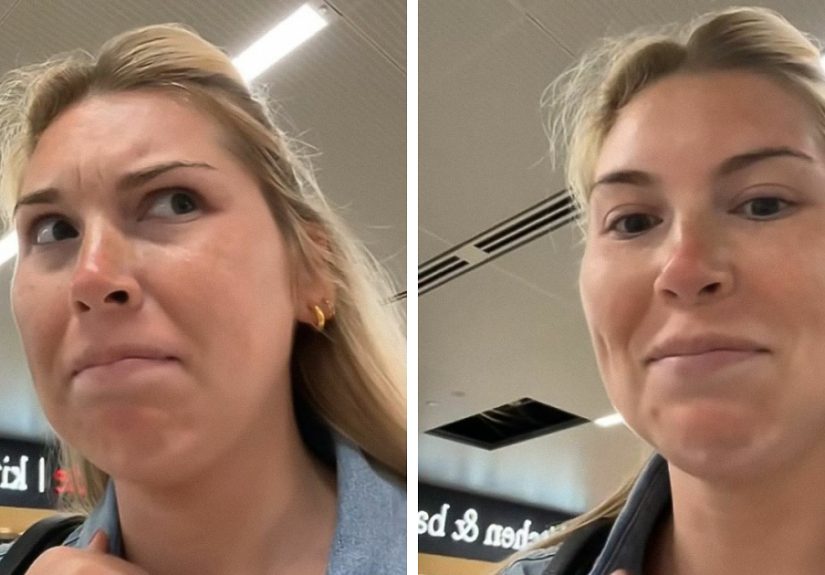
In a recent viral travel spat, a passenger publicly criticized another woman for refusing to watch her bag while she stepped away. The internet did what it does best: formed two camps, made three million hot takes, and somehow turned a carry-on into a full-blown ethics seminar.
So who’s “right” herethe person asking for a quick favor, or the person refusing like the bag is about to sprout wires and a countdown timer? Let’s unpack the debate (not the stranger’s bagplease don’t) with real airport security logic, modern travel etiquette, and a few practical solutions that won’t get you side-eyed by the gate area or questioned by security.
The Bag-Watching Blowup: Why This “Small Favor” Goes Big Fast
The core conflict is simple: one traveler wanted to run to the restroom (or grab something nearby) and asked a nearby passenger to keep an eye on her belongings. The other passenger refused and suggested taking the bag along. The requester felt embarrassed, judged, and annoyedlike she’d asked for a tissue and got a TED Talk about personal responsibility.
But the refusal isn’t automatically rude. In airports, “watch my bag” is not the same as “watch my spot in line.” You’re not just being asked to glance at a suitcase. You’re being asked to become the temporary point person for a stranger’s property in one of the most security-sensitive public spaces on earth.
Why Airports Treat Unattended Bags Like a Five-Alarm Problem
1) “Unattended baggage” isn’t just a sloganit’s a trigger
Airports constantly remind travelers not to leave bags unattended. That’s not because they enjoy repeating themselves (though it’s possible they’re in a committed relationship with the announcement button). It’s because unattended items can prompt security responsesfrom questioning to removal, and in some cases, serious disruption.
Many airport security pages in the U.S. explicitly warn that unattended bags may be confiscated and can even be destroyed, and they encourage travelers to report unattended items to airport personnel. In other words: if you leave it, you might not see it againat least not in one piece.
2) Liability is real, even if your intentions are pure
Here’s the uncomfortable truth: the moment you agree to “watch” a stranger’s bag, you are now linked to that bag. If something questionable is found, you could get pulled into an investigation as the person who had custody of the itemespecially if the owner is out of sight.
Is there always a specific law that says “thou shalt not bag-sit for strangers”? Not necessarily in those exact words. But airport security guidance is clear about reporting unattended bags and being alert to suspicious items. And practically speaking, the risk is asymmetric: you gain nothing but politeness points, and you could inherit a problem you did not pack.
3) It’s also a theft and scam magnet
Security threats get the headlines, but everyday risk matters too. Airports are busy, distracting environments. A “quick bathroom run” can become a boarding call, a long line, or a missing passenger situationleaving you stranded next to someone else’s luggage while a gate agent starts asking questions you do not want to answer.
Plus, scams love social pressure. “Can you do me a favor?” is a classic setup because many people feel rude saying no. Travel safety advice frequently warns against transporting or taking responsibility for someone else’s items for exactly this reason: you can’t verify what’s inside, and you can’t verify the person’s intent.
Etiquette vs. Security: Why Both Sides Feel Justified
Why the requester thinks it’s normal
From the requester’s perspective, it’s a tiny ask. The restroom is “right there.” The bag has already been through screening. They might be traveling solo, juggling a kid, carrying coffee, or simply trying not to drag luggage into a cramped stall that feels like it was designed by someone who hates knees.
And culturally, plenty of people grew up in a world where watching a neighbor’s stuff for two minutes was basic human decency. They’re not asking you to adopt their suitcase. They’re asking you to be a decent bystander.
Why the refusal makes sense (and can be the polite move)
From the refuser’s side, airports operate on consistency. Security guidance isn’t built for “but this lady seems nice.” It’s built for “we don’t know what we don’t know.” The safest standard is simple: you keep your own belongings with you. If you can’t, you ask an airport or airline employeesomeone whose job includes security procedures and escalation paths.
Also: refusing doesn’t have to be cold. It can be a safety-based boundary delivered with empathy. The problem is not the request. The problem is the expectation that a stranger should accept responsibility for something they did not pack.
What To Do Instead of Asking a Stranger To Watch Your Bag
1) Bring it with you (yes, even to the bathroom)
This is the most boring answerand the best one. Take your carry-on into the restroom. Use the larger accessible stall if needed. Many airports also have family restrooms, which are basically the VIP lounge of bathrooms: more space, fewer elbows, less chaos.
If germs are the issue, you’re not wrongairport bathrooms can be… spiritually challenging. But you can reduce contact: keep the bag upright, use a luggage strap to keep it close, and avoid placing it flat on the floor. You’re managing inconvenience, not gambling with security drama.
2) If you’re in a lounge, ask staffnot strangers
Some travelers feel more relaxed in airport lounges and may leave items at a seat briefly. Even then, the better move is to ask lounge staff what’s allowed. Lounges often have controlled access, cameras, and employees trained to handle unattended items. A random passenger does not come with customer service protocols.
3) Use official options: airline desk, gate agent, or luggage storage
If you truly can’t take the bagmaybe you’re traveling with small children, medical devices, or mobility constraintsgo to the gate agent or nearby airline staff and explain. They can advise what’s permitted and may suggest alternatives (like staying within sight, traveling with a companion, or using storage services where available).
4) Pack like a person who expects reality to happen
Travel is easier when your essentials aren’t scattered across five containers like a magician’s act. A few practical moves:
- Crossbody or belt bag for passport, phone, and walletso your “must not lose” items stay attached to your body.
- Lightweight carry-on with smooth wheels, so moving it 30 feet doesn’t feel like a gym membership.
- Airtags or trackers for peace of mind (not a substitute for watching your stuff, but helpful if something goes sideways).
- Keep it zipped and avoid open totes that invite wandering hands.
What To Say If Someone Asks You To Watch Their Bag
You can be kind and firm. Here are a few scripts that work without sounding like you’re accusing them of smuggling iguanas:
Option A: The friendly safety boundary
“I’m sorryI don’t feel comfortable being responsible for someone else’s bag in an airport. You might want to take it with you.”
Option B: The “blame the rules” approach
“I’ve been told not to watch bags for other people here. I don’t want either of us to get hassled.”
Option C: The helpful redirect
“I can’t watch it, but the gate agent right there can probably advise what to do.”
Notice what’s missing? A lecture. You don’t need to “win.” You just need to stay out of a situation that could become complicated fast.
What If You See an Unattended Bag?
Don’t touch it. Don’t open it. Don’t play detective. Airports and security agencies encourage the public to report unattended bags or suspicious items to airport personnel. That’s the correct channel, and it keeps you from becoming part of the incident.
If it’s clearly an accidental situation (someone steps away but is still within sight), you can still alert an employee rather than taking custody yourself. Think of it like this: being helpful is good; becoming responsible is optional.
FAQ: The Questions Everyone Argues About in the Comments
“But it already went through TSAwhat’s the risk?”
Screening reduces risk; it doesn’t eliminate it. More importantly, airport safety rules are designed for consistent behavior. If everyone decides “my situation is special,” the system becomes harder to manage and enforce.
“What if it’s a parent with a kid who needs the bathroom?”
That scenario is genuinely stressful, and empathy matters. But the safest option is still to take the bag along or ask an employee for help. If you choose to help anyway, you should understand you’re accepting responsibilityand that’s a personal risk decision, not an obligation.
“Is refusing rude?”
Refusing can be delivered rudely, sure. But the act of refusingby itselfis a reasonable boundary in an airport. The polite version is a quick explanation and a helpful redirect.
Conclusion: In Airports, “No” Can Be the Most Responsible Kind of Nice
The debate feels emotional because it pokes at a real tension: we want to live in a world where people help each other, and we also live in a world where airports treat unattended items seriously for good reasons.
The middle ground is simple: be kind without becoming accountable for a stranger’s luggage. If someone asks you to watch their bag, you can refuse politely and point them to a safer option. If you’re the person who needs a restroom break, assume your bag is coming with youlike a travel buddy who never pays for snacks but always tags along anyway.
And if anyone tries to shame you for setting a safety boundary? Let them carry their own opinions. You’ve got enough baggage already.
Traveler Experiences: What This Debate Looks Like in Real Life (and How People Handle It)
Stories like this go viral because almost everyone who flies has lived some version of the “bag dilemma.” Not the exact TikTok moment, but the same awkward math: How do I step away without leaving my stuff unattended? And the truth is, airport life is basically a long series of tiny decisions made under stress, hunger, and confusing signage.
Solo travelers often describe the gate area as the hardest place to manage belongings. You might have a rolling carry-on, a personal item, a snack bag, and a phone that’s clinging to life. The restroom is always either a heroic sprint away or suspiciously close but packed like a concert. Many people solve this by “downshifting” their essentials into a crossbody bag before they sit down. That way, if they need to move, they’re only moving one main item and not conducting a full luggage orchestra.
Parents and caregivers tend to have the most sympathy in these debates because traveling with kids is a logistical sport. People share experiences of wheeling a suitcase with one hand while guiding a toddler with the other, plus carrying a backpack that contains approximately 40 snacks and one tiny shoe. In that scenario, the temptation to ask someone to watch a bag is real. But many parents also say they learned quickly that the easiest routine is to keep everything mobile: park the stroller near the restroom, use the family bathroom when available, and accept that “taking the bag inside” is annoying but predictable. Predictable beats chaotic when you’re traveling with small humans.
Frequent flyers often talk about a different twist: the “boarding announcement trap.” Someone asks you to watch their bag “for two minutes,” and the second they leave, the gate agent announces boarding for their group. Now you’re stuck: you can’t move the bag (because it’s not yours), but you also don’t want to lose your place in line or miss an overhead bin. That’s why experienced travelers are more likely to say nonot because they’re mean, but because they’ve seen how quickly “two minutes” turns into “why are we paging this passenger?”
Kind-hearted helpers share stories where they said yes and everything turned out fineno drama, no security, just a simple human moment. But those same people often add a caveat: they only agreed when the owner stayed within sight, the situation felt clear, and they were comfortable taking the risk. In other words, their “yes” wasn’t automatic. It was a choice, made with eyes open. And that’s the key difference: nobody is obligated to take on that responsibility, even if the person asking looks harmless and the request sounds small.
People who refuse also share common experiences: they’ve been warned by airport staff, they’ve heard announcements about unattended items, or they’ve seen security respond to a bag left alone. Many say the most effective approach is to refuse warmly and offer a solution: “I can’t watch it, but the gate agent can help,” or “I’d take it with yourestroom’s close.” The refusal lands better when it’s paired with empathy instead of judgment.
At the end of the day, airport etiquette isn’t about winning a debate. It’s about keeping things moving, keeping people safe, and reducing the odds that your travel day becomes a story titled “Passenger Slams Stranger After Unexpected Security Incident.” If you need to step away, take your bag. If someone asks you to watch theirs, you can say no politely. And if you ever feel guilty? Remember: your job at the airport is to get to your destinationnot to become an unpaid, untrained, part-time luggage supervisor.