Table of Contents >> Show >> Hide
- Why Hang Dry Your Laundry in the First Place?
- Step 1: Set Yourself Up with the Right Gear
- Step 2: Prep the Load Before You Hang
- Step 3: Hang Clothes the Right Way (Item by Item)
- Step 4: Master Airflow and Placement
- How to Avoid Crunchy, Stiff Clothes
- Special Considerations: Safety and Home Comfort
- Common Hang-Drying Mistakes (and Easy Fixes)
- Real-Life Hang-Drying Lessons: What Actually Works
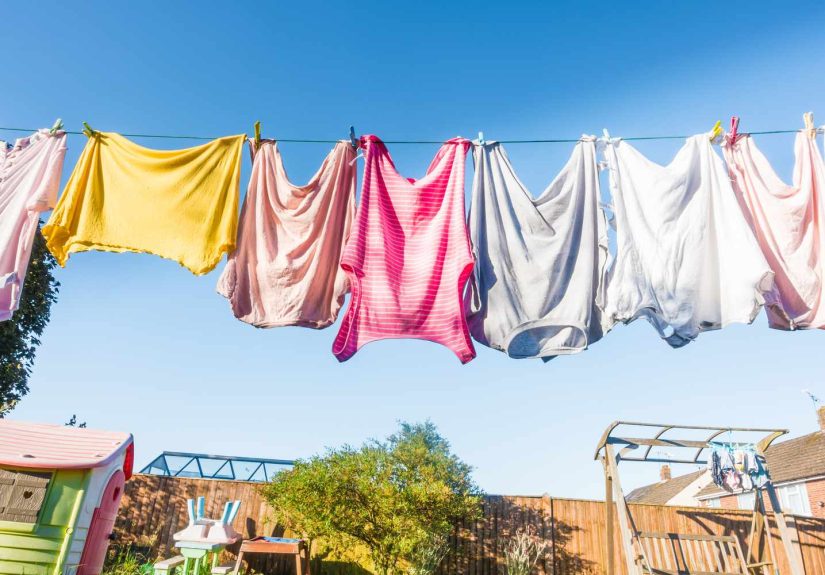
Hang drying your laundry has a bit of a reputation: stiff jeans, crunchy towels, and socks that dry some time next week. But when you do it the right way, air-drying can give you softer clothes, fewer wrinkles, longer-lasting fabrics, and a nice break from sky-high energy bills. The trick is less “throw it over a chair and hope” and more “a few smart habits that make a big difference.”
Whether you have a sunny backyard, a tiny balcony, or a bathroom that doubles as a laundry room, you can hang dry laundry like a pro. Here’s how to set up your space, prep each load, and avoid the crunchy-towel curse.
Why Hang Dry Your Laundry in the First Place?
Before we get into logistics, it’s worth knowing why so many laundry experts and energy pros are fans of line drying:
- Save on energy bills. Clothes dryers are among the most energy-hungry appliances in the home. Air-drying cuts that cost to almost zero while easing the strain on your electrical system.
- Be kinder to your clothes. High heat and constant tumbling can break down fibers, cause shrinkage, and fade colors faster. Hang drying is gentler, which helps clothes keep their shape and color longer.
- Lower your environmental footprint. Skipping or reducing dryer use cuts energy consumption and associated emissions over the lifespan of your machine.
- Less heat at home. In warm weather, not running your dryer reduces indoor heat, making your space more comfortable.
- That “fresh air” smell. Outdoor drying in particular gives linens and clothes a naturally fresh scent no bottle can quite match.
Of course, air-drying has trade-offs: it takes planning, some space, and a little technique. But once you have a system, it becomes just another satisfying home routine.
Step 1: Set Yourself Up with the Right Gear
Choose the best line or drying rack
If you’re lucky enough to have outdoor space, a sturdy, coated clothesline (to prevent rust and stains) or a retractable line is a great investment. Indoors, a foldable drying rack, wall-mounted rack, or even a tension rod over a tub can do the job. Look for:
- Stability: You don’t want your rack folding up mid-load or your line sagging into the dirt.
- Enough linear space: The more rail space, the more you can spread items out for airflow.
- Rust-resistant materials: Coated lines and stainless or powder-coated frames are best.
Upgrade your hanging helpers
A few small tools make hang drying easier and more effective:
- Good clothespins: Sturdy wood or high-quality plastic pins that open easily and grip without chewing up fabric.
- Quality hangers: Pant hangers with clips for skirts and jeans, padded or wide-shoulder hangers for blouses, and basic plastic hangers for T-shirts.
- Flat-drying surface: A mesh rack or a clean, dry towel on a flat surface for sweaters and knits that stretch.
- Airflow assist: A fan or dehumidifier if you regularly dry clothes indoors, especially in humid spaces.
Step 2: Prep the Load Before You Hang
The hang-drying process actually starts in the washer. Smart prep means faster drying and fewer wrinkles:
- Use an extra spin. For jeans, towels, and sturdy fabrics, run an extra spin cycle to pull out more water. The drier the clothes coming out of the washer, the quicker they will hang dry.
- Don’t overdose detergent. Too much soap can leave residue that makes fabrics feel stiff when they air dry. Use the recommended amount or even a bit less with high-efficiency machines.
- Shake everything out. As you pull each item from the washer, give it a good snap and shake. This helps smooth the fabric, releases trapped water, and prevents stubborn wrinkles from setting.
- Smooth and untangle. Untwist straps, unroll sleeves, and separate items so no piece starts its drying journey in a damp ball.
Step 3: Hang Clothes the Right Way (Item by Item)
Shirts, blouses, and T-shirts
For tops, you have two good options: hangers or the line.
- On hangers: Hang shirts on plastic or wooden hangers by the shoulders, smooth the seams, and gently pull the hem to remove puckers. Button one or two buttons to help them keep shape.
- On a line: Clip shirts at the bottom hem rather than the shoulders to avoid clothespin bumps near the neckline. Smooth the fabric so the front and back don’t stick together.
- For delicate fabrics: Use padded hangers or lay flat on a mesh rack to keep them from stretching.
Pants, jeans, and leggings
- Jeans and heavy pants: Hang from the waistband with clips or fold over the line at the knee for a quicker dry and fewer clothespin marks near the top where they’ll show.
- Leggings and knits: To avoid stretching, fold them in half and drape over a rack bar, or use clip hangers at the waistband.
- Always smooth seams: Flatten pockets and seams so they don’t dry crumpled and bulky.
Underwear, socks, and small items
These are the easiest to lose and the quickest to dry.
- Use a small clip rack or a separate bar for socks and underwear so they don’t steal space from larger items.
- Hang bras by the center gore or band, not the straps, to keep elastic from stretching out.
- Give socks a quick tug to straighten toes and heels so they dry evenly.
Towels, sheets, and linens
Big items dry beautifully on a line if they’re hung well:
- Towels: Fold over the line just once (not doubled over multiple times), leaving as much surface area exposed as possible. For faster drying, hang them vertically from one long edge.
- Sheets: Hang from multiple pointscorners and midpointsso they don’t fold in on themselves and trap moisture. If you’re inside, drape over a large rack or door and make sure they’re not touching the floor.
- Tablecloths and napkins: Smooth out wrinkles with your hands as you hang, and you may barely need to iron them.
Sweaters and stretchy knits
These pieces are picky. Hang them wrong and you’ll get shoulder bumps and stretched-out hems.
- Always dry flat. Lay sweaters on a drying rack or clean towel. Shape them gently back to their original sizestraighten cuffs, align seams, smooth fabric.
- Flip halfway through. When the top feels dry, flip to let the underside finish and prevent any musty spots.
Step 4: Master Airflow and Placement
Airflow is the secret ingredient of successful hang drying. Without it, you get slow drying, musty smells, and moisture buildup indoors.
Outdoors
- Pick your spot wisely: A sunny, breezy area is ideal. Use direct sun for whites (it helps brighten them) and partial shade for dark colors to avoid fading.
- Avoid “bird zones” and dust: Keep the line away from trees, vents, and busy roads if possible.
- Don’t crowd the line: Leave a bit of space between items so air can move freely.
Indoors
- Use ventilated rooms. Place racks near an open window, an exhaust fan, or in a room with decent airflow.
- Space things out. Overloaded racks are the number-one reason clothes stay damp for days. Resist the temptation to squeeze “just one more” towel on there.
- Add a fan or dehumidifier. A small fan blowing past (not directly into) your laundry speeds evaporation. A dehumidifier helps keep humidity and mold risk in check.
- Keep clothes off sensitive surfaces. Don’t drape wet laundry on bare wood, uncoated metal, or upholstered furniture where moisture can cause damage.
How to Avoid Crunchy, Stiff Clothes
If you’ve ever had jeans that could stand up by themselves after line drying, you know the problem. Stiffness usually comes from detergent residue, trapped moisture, or fabric fibers drying while twisted or scrunched.
- Use less detergent. Especially with air-drying, extra soap has nowhere to hide.
- Shake and smooth thoroughly. Give each garment a firm shake, then smooth with your hands before hanging.
- Don’t leave clothes in the washer. Letting them sit in a damp, twisted pile before hanging practically invites wrinkles and stiffness.
- Finish with a quick tumble (optional). If you want ultra-soft towels or jeans, hang dry until almost dry and then toss in the dryer on low or “air fluff” for 10–15 minutes. You still save plenty of energy but get that softer feel.
Special Considerations: Safety and Home Comfort
Drying laundry indoors is totally doable, but it does add moisture to your home. A little is fine; a lot can lead to condensation and even mold if you’re not careful.
- Watch humidity. If windows fog up or walls feel damp, open windows when weather allows or use an exhaust fan or dehumidifier.
- Avoid drying in small, closed bedrooms. Whenever possible, use a bathroom with a fan, a laundry room, or a well-ventilated living area.
- Rotate your loads. Instead of doing every load in one marathon session, spread them out over a few days so your home has time to rebalance.
Common Hang-Drying Mistakes (and Easy Fixes)
- Mistake: Overloaded racks.
Fix: Hang fewer items at once, or add a second rack or temporary line. - Mistake: Everything dries at the same height.
Fix: Mix long and short items so air can move around; don’t create a solid curtain of fabric. - Mistake: Hanging darks in direct, harsh sunlight.
Fix: Move dark items to partial shade or indoors near a window with indirect light. - Mistake: Ignoring care labels.
Fix: If the label says “dry flat,” it really means it. Treat delicate and structured items (like blazers and sweaters) with extra care.
Real-Life Hang-Drying Lessons: What Actually Works
It’s one thing to know the rules, and another to juggle real life: small apartments, limited time, and a laundry pile that seems to multiply when you’re not looking. Here are some experience-based tips that make hang drying more realistic and less annoying.
In a small apartment with no balcony
Many city dwellers hang dry all their laundry with barely more space than a yoga mat. The key is vertical thinking. A tall, tiered drying rack parked in the tub or next to a window gives you plenty of hanging room without sacrificing floor space. Use hangers on the shower rod for shirts and dresses; small items like socks and underwear go on a clip rack.
Timing also matters. Instead of washing everything on Saturday afternoon and then scrambling for drying space, people who hang dry successfully often do a load every couple of days. That way, there’s always just enough rack space and you’re not weaving through a forest of damp jeans to get to your couch.
In a humid climate
If you live where the air feels like soup most of the year, hang drying can be trickybut not impossible. Folks in humid areas swear by three habits:
- Always use an extra spin cycle so clothes start off as dry as possible.
- Use a fan or dehumidifier whenever drying indoors to keep mildew at bay.
- Hang items by fabric weight: do lighter shirts and synthetics inside, while heavier towels or jeans go outside on breezier days.
Some people also hang dry until items are almost dry, then finish in the dryer on low heat for a few minutes. This still cuts heat exposure dramatically and prevents that faint “did this dry on a swamp?” smell.
Families and big loads
For families with kids, sports gear, and school uniforms, line drying everything can feel impossible. The trick is prioritizing. Many households pick what really benefits most from air-dryinglike jeans, delicate tops, school uniforms, and performance fabricsand let the dryer handle socks, underwear, and everyday T-shirts.
Another family strategy is to designate a “laundry drying zone,” such as a portion of the garage, covered porch, or a corner of a spare room. A retractable clothesline or ceiling-mounted rack can be pulled down when needed and pushed out of the way when not in use. Kids can help by hanging their own shirts and uniforms; it becomes part of the routine instead of an extra chore.
Dealing with stiffness without giving up
Most people who give up on hang drying do it for one reason: stiff towels. But stiffness is fixable. Reducing detergent, adding a vinegar rinse (if your machine allows), and giving towels a thorough shake before and after drying can transform the texture. Some seasoned line dryers swear by a 5–10-minute “fluff cycle” in the dryer at the very endno added heat required.
Over time, you also start to recognize which fabrics naturally dry softer. Blends with a bit of synthetic fiber often feel smoother than 100% cotton when line dried. You may find yourself choosing clothes with air-drying in mind, especially if you plan to rely on it more.
The mindset shift that makes hang drying easier
Once you stop treating air-drying as a last-resort backup and start seeing it as your default, everything gets smoother. You automatically:
- Start laundry early in the day so it has time to dry.
- Load the washer based on rack capacity, not just what’s in the hamper.
- Keep clothespins and hangers handy so hanging takes only a few extra minutes.
Hang drying your laundry isn’t about being perfect or never touching a dryer again. It’s about adding a slower, gentler option to your routine that saves money, protects your clothes, and, weirdly enough, makes laundry feel just a little more satisfying. Once you’ve got the tools, the space, and the habits, you might even find you miss that quiet line of clothes on the rack when everything is finally folded and put away.