Table of Contents >> Show >> Hide
- What “Home Tours” Really Mean (It’s Not Just Fancy Mansions)
- Why We Can’t Look Away: The Psychology of Peeking Into Homes
- How to Tour a Home Like a Pro (Without Acting Like One)
- Home Tour Etiquette (A Love Letter to “Please Don’t Sit on the Bed”)
- How to Host a Home Tour That Feels Easy (Even If You Cleaned Like It Was the Olympics)
- Making Home Tours Work for Interior Design Inspiration
- Virtual Home Tours: How to Get Real Value (and Avoid Catfished Floor Plans)
- Safety, Privacy, and Common Sense (Yes, Even for Cute Neighborhood Tours)
- Conclusion
- What Home Tours Teach You: Real-World Experiences (Bonus Section)
There are two kinds of people in this world: people who say “I don’t care what other people’s homes look like,”
and people who have watched a 12-minute home tour video and somehow lost 47 minutes of their life (no judgment
the couch looked really comfortable).
Home tours are more than a guilty-pleasure scroll. They’re a crash course in how real people live, store their
stuff, solve awkward layouts, and create that magical feeling of this place makes sense. Whether you’re
touring for design inspiration, shopping for a new home, hosting guests, or prepping to sell, the best tours do
one thing: they help you see a space with fresh eyes.
What “Home Tours” Really Mean (It’s Not Just Fancy Mansions)
“Home tours” is a big umbrella. Under it, you’ll find at least four common categorieseach with its own vibe,
purpose, and unspoken rules about whether you can open a closet without looking like a raccoon.
1) Editorial home tours (design inspiration)
These are the “take me inside” stories and videos from design and lifestyle outletseverything from sleek
modern homes to tiny apartments with storage that should win a Nobel Prize. Editorial tours focus on choices:
paint, lighting, layout, materials, styling, and the story behind the space.
2) Real estate tours (open houses and showings)
These tours are less “I love your vintage pottery” and more “How old is the roof?” They’re about evaluating
the home’s condition, livability, and long-term costswhile trying not to get distracted by a staged bowl of
lemons that looks suspiciously like it has a personal trainer.
3) Community tours (historic homes, charity tours, neighborhoods)
Many cities run seasonal home tourshistoric districts, garden clubs, preservation societies, and charity
fundraisers. These are part architecture lesson, part local culture, and part excuse to say “They don’t build
them like this anymore” at least three times.
4) Virtual home tours (video, 3D walkthroughs, live FaceTime tours)
Virtual tours range from quick phone videos to polished 3D walkthroughs that let you “walk” through rooms and
understand flow before you step inside. For busy buyers, long-distance movers, and introverts who want to shop
for a home while wearing sweatpants (a noble cause), virtual tours can be a first filterthen you confirm
everything in person.
Why We Can’t Look Away: The Psychology of Peeking Into Homes
People love home tours because homes are personal without being a formal biography. A kitchen tells you how
someone eats. A living room tells you how they rest. A cluttered entryway tells you they are, in fact, human.
Tours satisfy curiosity, but they also teach: you discover what you like, what you’d never choose, and what you
might steal (legally) as an idea.
The best part? You don’t need a huge budget to learn from a home tour. Sometimes the smartest ideas are small:
a mirror placed to bounce light, furniture pulled slightly off the wall to improve flow, or a “drop zone” that
prevents the kitchen counter from becoming a mail museum.
How to Tour a Home Like a Pro (Without Acting Like One)
If you’re touring homes for real estate, rentals, or even just serious inspiration, your goal is to see beyond
décor. Staging and styling are helpfulbut they can also distract you from the boring stuff that becomes
painfully interesting once you move in.
Before you arrive: set a goal (and a short memory)
Touring multiple homes can blur together fast. Decide what matters most to you: natural light, a functional
kitchen, a quiet bedroom, storage, outdoor space, a home office corner, or an actual hallway that doesn’t
double as a treadmill.
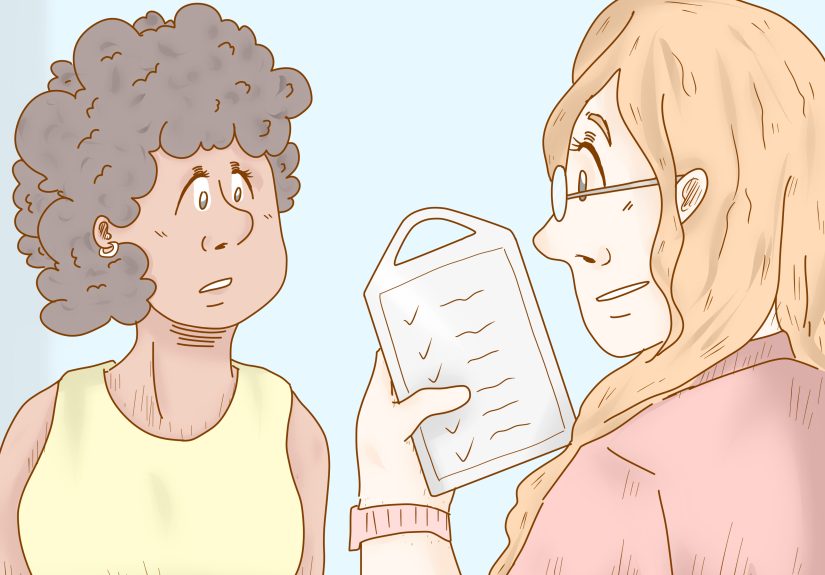
- Bring notes: Use a checklist and rate each home quickly (layout, light, noise, storage, condition).
- Think in routines: Picture mornings, dinner, laundry, work-from-home days, and hosting friends.
- Plan a second look: If you’re serious, revisit at a different time of day to check light and noise.
During the tour: focus on the “bones”
Paint can be changed. A weird floor plan is forever (or at least expensive). Pay attention to:
- Layout and flow: Can you move through the home easily? Do rooms connect logically?
- Lighting: Where does daylight actually land? Are there dark corners that need layered lighting?
- Storage: Closets, pantry space, bathroom storage, and practical places for everyday items.
- Walls, floors, ceilings: Look for stains, cracks, warping, or signs of past water issues.
- Windows and doors: Do they open smoothly? Do they feel drafty? Are there gaps or damage?
- Plumbing and electrical basics: Check water pressure, look under sinks for leaks, notice outlet placement.
- Noise: Listen. Traffic, neighbors, barking, trains, airplanesnoise can be a dealbreaker.
Ask better questions (so you get better answers)
A home tour is the perfect time to ask practical questions that don’t feel dramatic, even though they are
slightly dramatic:
- How old are the roof, HVAC, and water heater?
- Have there been recent renovations, permits, or insurance claims?
- What are average utility costs (seasonally)?
- Are there HOA rules, parking limitations, or neighborhood restrictions?
- What’s included in the sale or lease (appliances, window treatments, fixtures)?
Home Tour Etiquette (A Love Letter to “Please Don’t Sit on the Bed”)
Whether it’s an open house, a private showing, or someone generously letting you tour their home “just to see
the renovation,” etiquette makes the whole experience smoother for everyone.
For visitors and buyers
- Greet the host/agent: A quick hello sets a respectful tone (and yes, you may be asked to sign in).
- Follow shoe rules: If they offer booties or ask you to remove shoes, do itno debate team speeches.
- Ask before photos/video: Many homes are still occupied; permission matters.
- Don’t touch personal items: Avoid rummaging; open what’s relevant (like closets) with discretion.
- Share the space: Let others pass, don’t crowd small rooms, and save long discussions for outside.
For hosts
If you’re hosting a tourcasual or real-estate-relatedhelp people feel welcome and help the home “read” clearly.
That means clear pathways, lights on where needed, and a calm environment that lets visitors pay attention.
How to Host a Home Tour That Feels Easy (Even If You Cleaned Like It Was the Olympics)
Hosting a home tour can be fun (friends and neighbors!) or strategic (potential buyers!). Either way, the goal is
the same: make it simple for people to understand the space and imagine themselves in it.
Step 1: Declutter and depersonalize (the holy duo)
Clutter hides the home. Personal items can make it harder for visitors to imagine their own life thereespecially
in real estate. You don’t have to erase your personality; just reduce visual noise. Think: surfaces, floors, and
bulky collections that dominate a room.
Step 2: Clean for “first impression zones”
If time is limited, prioritize the entry, kitchen, living room, main bathroom, and the primary bedroom. These are
the spaces that anchor a buyer’s (or guest’s) experience of comfort and care.
Step 3: Light it like you mean it
Light changes everything. Open curtains/blinds, swap heavy drapes if they block daylight, and add lamps where
rooms feel flat or shadowy. Layered lighting (overhead + task + accent) makes rooms feel larger and more inviting.
Step 4: Make flow obvious
Pull furniture slightly away from tight pathways. In smaller rooms, removing one oversized piece can make the
whole space feel more functional. A tour should feel like a smooth walknot an obstacle course.
Step 5: Neutralize “loud” smells (even good ones)
Strong scents can backfire. The safest move is fresh air, a clean home, and minimal fragrance. Visitors should
remember your layoutnot a candle that smells like “Vanilla Thunderstorm.”
Step 6: If it’s an open layout, plan like a stage manager
Open-concept homes often put the kitchen on display. Before guests arrive, finish messy tasks early, keep
counters tidy, and set up “destinations” (a drink station, snack station) so everyone doesn’t gather in one spot.
It’s not controllingit’s choreography.
Making Home Tours Work for Interior Design Inspiration
If you’re touring homes primarily for inspiration, you’ll get better results by looking for repeatable principles
instead of copying a room exactly. The most useful takeaways usually fall into a few categories:
1) Scale and proportion
Notice how furniture fits the room. In small spaces, pieces with legs often feel lighter, and the right rug size
can make a room feel larger. In big spaces, grouping furniture into “zones” (conversation area, reading nook,
dining zone) creates intention.
2) The “surface styling” trick (without cluttering)
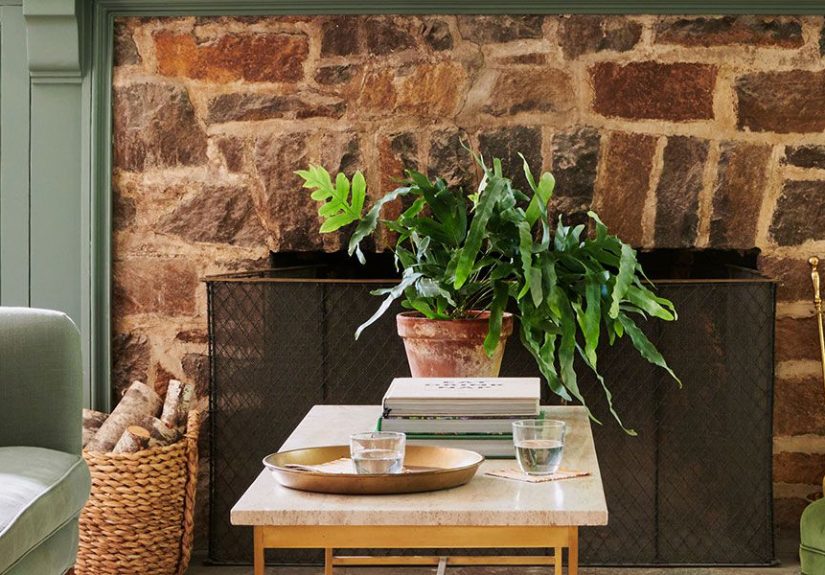
Many tour-worthy rooms look polished because surfaces are styled with balance: a stack of books, a sculptural
object, something organic (like a plant), and negative space so it doesn’t feel crowded. The goal isn’t to buy
more stuffit’s to edit what’s already there.
3) Storage that doesn’t scream “storage”
Great tours highlight solutions: built-ins, baskets, vertical shelving, entryway drop zones, hidden shoe storage,
and furniture that quietly does double duty. If you consistently see an idea across different homes, it’s a clue
that it’s not just prettyit’s useful.
4) Color and cohesion
Pay attention to transitions between rooms. Cohesion doesn’t require matching everythingit means the home feels
like one story, not twelve unrelated short stories. Repeating a material (wood tone, metal finish) or a color
family can unify a space.
Virtual Home Tours: How to Get Real Value (and Avoid Catfished Floor Plans)
Virtual tours are powerful, but they can flatter a home. Wide-angle lenses can make rooms look bigger, bright
filters can hide flaws, and a carefully filmed video might avoid the one wall with suspicious staining.
Use virtual tours for layout, not final decisions
- Track flow: How do rooms connect? Where are bedrooms relative to living areas?
- Check windows: Which direction do they face? Is there enough natural light?
- Look for “missing angles”: If a bathroom is never shown fully, ask why.
- Confirm with an in-person visit: Especially for noise, smells, neighborhood feel, and condition details.
Safety, Privacy, and Common Sense (Yes, Even for Cute Neighborhood Tours)
Home tours involve real people’s spaces and belongings. Hosts should secure valuables, medications, documents,
and small high-value items. Visitors should respect boundaries and follow posted rules. If a tour is public or
high-traffic, it’s smart to control access points and keep “private” areas clearly marked.
Conclusion
Home tours are a shortcut to better decisionswhether you’re decorating, buying, selling, or simply trying to
make your space work harder for your life. Tour thoughtfully, look past the pretty staging, and pay attention to
the repeatable wins: light, flow, storage, scale, and comfort. And if you leave a tour thinking, “Wait, I could
do that at home,” congratulationsyou just got the best possible souvenir.
What Home Tours Teach You: Real-World Experiences (Bonus Section)
If you read enough home toursor attend enough open housesyou start noticing the same “aha” moments show up again
and again. Not because everyone has the same taste, but because homes tend to succeed (or struggle) in predictable
ways. Here are a few real-world lessons people commonly take from touring other spaces, plus practical examples
you can borrow immediately.
1) “Flow” matters more than style. You can love a couch, hate the paint, and still feel good in a
space if walking through it is effortless. In tours, the homes that feel expensive often aren’t the ones with the
priciest furniturethey’re the ones where you can carry groceries from the door to the kitchen without turning
sideways. A simple fix you’ll see repeatedly: moving one chair, downsizing a coffee table, or floating a sofa so
the walkway becomes obvious. In a 1920s Craftsman with narrow rooms, for example, hosts often choose slimmer
furniture and keep the center path clear; the room feels calmer immediately.
2) Lighting is a “quiet” flex. Many tours that look warm and high-end have one common trait:
layered lighting. You’ll spot a floor lamp near a reading chair, a small lamp on a console, and softer overhead
options instead of a single ceiling light doing all the emotional labor. People who tour homes frequently start
using lighting as a checklist item: “Where would a lamp go?” “Is there an outlet where I need it?” In a small
apartment tour, a well-placed mirror near a window and a pair of plug-in sconces can make a basic living room
feel intentionally designed without a renovation.
3) The best rooms feel edited, not empty. Touring teaches you the difference between “minimal”
and “unfinished.” The homes that photograph well usually have a few anchorsart, a rug, a plant, a textured throw
and then breathing room. That translates into an easy habit: clear one surface completely (a kitchen counter, a
nightstand), then add back only what supports the room’s purpose. In real life, that might mean a tray for keys in
the entryway instead of a pile, or a single bowl on the island instead of five appliances living there forever.
4) Storage is the unsung hero of every “beautiful” home. Home tours quietly reveal where stuff
goes. The difference between a serene bathroom and a chaotic one is often a hidden bin under the sink, a shelf
above the toilet, or a basket system that makes daily items easy to grab. In many tours, the entryway is treated
like mission control: hooks, shoe storage, and a drop zone. Visitors often leave thinking, “Oh, that’s why their
house feels tidythey gave every category a home.”
5) You learn to test homes against your life, not your mood. A staged dining room can make you
feel like the kind of person who hosts dinner parties every weekend. Touring multiple homes teaches a useful
reality check: act out your routines. Where would backpacks land? Where does laundry live? Can you picture the
morning rush? This habit prevents “tour brain,” where you fall in love with a vibe and forget logistics. A midcentury
ranch might look perfect in photos, but a quick mental walkthroughcoffee, work calls, groceries, dog walkswill tell
you whether the layout supports your actual day.
The most valuable “experience” of home tours is this: they train your eye. After enough tours, you stop chasing
perfection and start spotting leverssmall, specific changes that improve comfort and function. That’s the magic:
you don’t leave with envy; you leave with ideas you can use.