Table of Contents >> Show >> Hide
- First, a quick asthma refresher (so honey doesn’t get all the credit)
- So… why do people even bring up honey for asthma?
- Honey for asthma: How it might work (the plausible mechanisms)
- What the science says specifically about honey and asthma
- Types of honey: does it matter?
- How to use honey safely (and actually enjoy it)
- Who should avoid honey or be cautious?
- Honey vs. asthma medications: the “supporting actor” rule
- Common myths (because the internet loves a shortcut)
- FAQ: Quick answers about honey for asthma
- Real-World Experiences: What People Notice (and what it might mean)
- Conclusion
If you have asthma, you’ve probably had this thought at least once:
“What if something in my kitchen could help me breathe easier?”
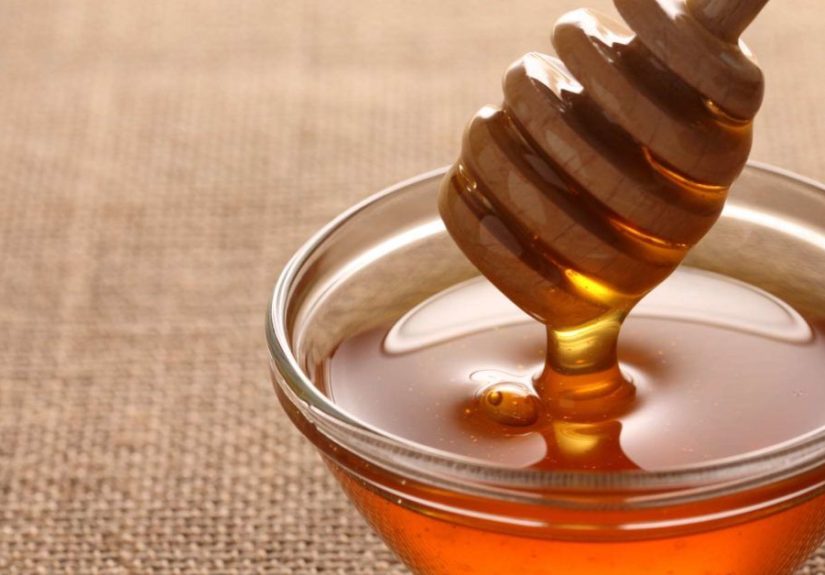
Enter honeythe golden, sticky crowd-pleaser that shows up in tea, on toast, and in approximately 9,000 home-remedy suggestions from well-meaning relatives.
But can honey actually help asthma? And if it can, how does it workbiology-wise, not “my aunt swears by it” wise?
Let’s separate helpful from hype, using what reputable U.S.-based medical organizations and academic health sources say, plus what research suggests.
Spoiler: honey isn’t an asthma medicationbut it can play a small supporting role for some people, especially when cough and throat irritation show up to the party.
First, a quick asthma refresher (so honey doesn’t get all the credit)
Asthma is a chronic condition where your airways become inflamed and extra sensitive. When triggers hitlike pollen, dust mites, smoke, cold air,
respiratory infections, or exerciseyour airways can tighten, swell, and produce more mucus. That’s when symptoms like wheezing, chest tightness,
shortness of breath, and coughing can flare.
The key point: asthma is mainly an airway inflammation + airway narrowing problem. That’s why standard care relies on proven medicines like
long-term controller therapy (often inhaled corticosteroids) and quick-relief bronchodilators when symptoms spike.
Honey isn’t designed to open airways or control chronic inflammation the way these medications do.
So… why do people even bring up honey for asthma?
Because asthma symptoms don’t always look like dramatic movie wheezing. For many people, the annoying symptom is a stubborn coughespecially at night,
during colds, or with postnasal drip from allergies. And honey has better evidence for calming cough than most “natural” remedies.
When honey helps, it’s usually by addressing symptoms around asthma (like throat irritation and cough) rather than the core airway mechanics of asthma.
Think of it as a supportive character, not the superhero. Your inhaler is still the lead actor.
Honey for asthma: How it might work (the plausible mechanisms)
Researchers have proposed a few ways honey could be usefulat least in certain situations. None of these make honey a replacement for asthma meds,
but they help explain why some people feel better after a spoonful.
1) It coats the throat and calms “cough nerves”
Honey is thick and soothing. That texture can coat irritated tissues in the throat and upper airway, which may reduce the urge to cough.
If your cough is being driven by irritation (from postnasal drip, a viral infection, or dry air), a coating agent can make a noticeable difference.
This is one reason honey has been studied for cough in children (over age 1) and has shown symptom improvement in nighttime cough and sleep quality.
While those studies focus on colds rather than asthma, the cough-calming effect can still matter if coughing is worsening your breathing or disturbing your sleep.
2) It may thin mucus and improve comfort
Some clinicians describe honey as helping to loosen or thin mucus, making coughing less harsh.
Even if it doesn’t “fix” mucus production, people often report that coughs become less scratchy and more productiveespecially when honey is taken in warm tea.
3) Anti-inflammatory and antioxidant activity (promising, but not a slam dunk)
Honey contains various bioactive compounds (including polyphenols and flavonoids) and is frequently described as having antioxidant and anti-inflammatory properties.
In theory, that could help dial down irritation and inflammationespecially in the upper airway.
However, asthma inflammation is complex and occurs deep in the bronchial tubes. The big question isn’t “Does honey have antioxidants?”
It’s “Does eating honey deliver a meaningful anti-inflammatory effect in the lungs for asthma?” The current human evidence is limited and inconsistent.
4) Antimicrobial effects (helpful for sore throats, not a substitute for infection care)
Honey has long been studied for antimicrobial activity, and medical-grade honey is even used in wound care in certain settings.
For respiratory symptoms, the practical takeaway is modest: honey may soothe sore throats and provide some antimicrobial support in the mouth/throat area.
But it should not be treated like an antibiotic, and it doesn’t prevent asthma attacks caused by viral infections.
What the science says specifically about honey and asthma
Here’s the honest answer: we don’t have strong clinical evidence that eating honey treats asthma itself.
Some studies and reviews discuss honey in the context of allergic disease or asthma-like inflammation, but results are mixed and not definitive enough to change
standard asthma treatment guidelines.
Where honey does have more consistent support is for cough related to upper respiratory infectionswhich can be relevant because colds and
viral infections are common asthma triggers. If honey helps you cough less at night during a cold, you may sleep better, feel less irritated,
and possibly reduce the cough-driven spiral that can aggravate asthma symptoms.
In other words: honey may help with the “messy roommates” of asthma (cough, throat irritation, sleep disruption), even if it doesn’t remodel the asthma house.
Important reality check: honey is not an asthma rescue treatment
If you’re wheezing, short of breath, or having an asthma attack, honey is not fast enough or targeted enough to open airways.
Use your prescribed quick-relief medicine and follow your asthma action plan.
Delaying proven treatment is the biggest risk of treating honey like a cure.
Types of honey: does it matter?
Not all honey is created equalbees are artists, and flowers are their paint. That said, for asthma-related symptom support, the differences are usually about
taste, thickness, and antioxidant content, not guaranteed clinical outcomes.
Buckwheat honey
Buckwheat honey is dark and rich. It’s the one often used in cough studies and is commonly mentioned in research summaries about honey’s cough benefits.
If your goal is cough relief, this is a reasonable choice.
“Raw” honey
Raw honey is less processed and may contain more trace compounds. But it can also contain small amounts of pollen and other particles.
If you have pollen allergies that trigger asthma, raw honey could irritate symptoms in some people. “Natural” doesn’t always mean “friendly to your immune system.”
Manuka honey
Manuka honey is often marketed for antimicrobial properties. It can be pricey and is not required for respiratory symptom support.
If you like it, enjoy itbut don’t assume expensive honey equals better asthma control.
How to use honey safely (and actually enjoy it)
If you want to try honey as a symptom-support toolespecially for nighttime coughhere are practical, safety-first options.
Simple ways to take it
- 1–2 teaspoons straight (yes, like a tiny dessert that pretends it’s medicine)
- Stir into warm tea (not boiling hotsuper high heat can flatten flavor)
- Honey + warm water + lemon for throat comfort (avoid if citrus worsens reflux)
- Honey in oatmeal or yogurt if coughing is mild and you want a gentler approach
Timing tips
For cough at night, many people take honey 30–60 minutes before bed. The goal isn’t “sedation.”
It’s reducing irritation so you can sleep without waking up to cough and that lovely 2:00 a.m. feeling of your lungs filing a complaint.
Do NOT do this: put honey in a nebulizer
It’s temptingbecause “inhaling it” sounds like getting it where the action is. But nebulized medications are manufactured as sterile inhalation solutions,
and nebulizer hygiene matters because contamination can cause serious illness.
Honey is not sterile, is sugary (microbes love sugar), and isn’t designed for nebulization. Stick to prescribed inhaled medications and sterile solutions.
Who should avoid honey or be cautious?
1) Infants under 12 months
Honey should never be given to babies under 1 year due to the risk of infant botulism. This is non-negotiable safety guidance.
2) People with bee-related or pollen allergies
If you have a history of reactions to bee products, pollen, or severe allergies, be careful.
Honey can contain trace pollen and may trigger oral itching or worse in sensitive individuals.
3) Diabetes or blood sugar concerns
Honey is still sugar. If you’re managing blood sugar, use small amounts and consider it part of your carbohydrate intakenot a free pass because it came from a hive.
4) Reflux (GERD) that worsens asthma symptoms
Some people have asthma symptoms worsened by reflux. If honey in tea (especially with lemon) makes reflux flare, you may cough more, not less.
In that case, skip the citrus, reduce the amount, or avoid bedtime honey.
Honey vs. asthma medications: the “supporting actor” rule
A useful way to think about this:
- Asthma controller meds (often inhaled corticosteroids) reduce airway inflammation over time.
- Quick-relief meds relax airway muscles during flare-ups.
- Honey may soothe cough/throat irritation and make symptoms feel less harshespecially during colds or allergy seasons.
If honey helps you sleep better during a coughy week, that’s a win.
But if your asthma is uncontrolled (frequent symptoms, nighttime waking, frequent rescue inhaler use), the solution is medical review and a better asthma plannot a bigger spoon.
Common myths (because the internet loves a shortcut)
Myth: “Local honey desensitizes you to pollen and fixes allergic asthma.”
Allergy immunotherapy requires carefully measured doses of specific allergens.
The amount and type of pollen in honey is unknown and likely too low (and too inconsistent) to “train” your immune system the way evidence-based allergy shots or tablets do.
Myth: “Honey cures asthma.”
Asthma can be controlled, but it isn’t cured by foods or supplements. Honey may help certain symptoms, but it doesn’t replace controllers, rescue inhalers,
trigger management, and monitoring.
Myth: “If it’s natural, it can’t cause side effects.”
Tell that to poison ivy. Honey can trigger allergic reactions in some people, affects blood sugar, and is unsafe for infants.
Natural products still deserve grown-up safety rules.
FAQ: Quick answers about honey for asthma
Does honey help with asthma cough?
Honey can help soothe coughespecially cough related to upper respiratory infections or throat irritation.
If coughing worsens your asthma symptoms or disrupts sleep, honey may offer symptom comfort. It does not treat airway narrowing directly.
Can honey stop wheezing?
Wheezing is usually caused by narrowed airways in the lungs. Honey isn’t a bronchodilator.
For wheezing or shortness of breath, use prescribed quick-relief medication and seek care if symptoms are severe.
Is honey safe for people with asthma?
Often yes for most adults and children over 1 yearbut caution is needed if you have pollen/bee-related allergies, diabetes, or reflux that triggers symptoms.
How much honey should I take?
Many people use 1–2 teaspoons, especially before bed for cough. If you have medical conditions (like diabetes) or take multiple medications,
consider checking with a clinician for individualized advice.
Real-World Experiences: What People Notice (and what it might mean)
Let’s talk “real life,” because asthma doesn’t happen in a labit happens when you’re trying to sleep, exercise, travel, or survive spring pollen season
without sounding like a squeaky door.
Experience #1: “Honey doesn’t change my asthma, but it changes my night.”
A common story is that honey doesn’t make daytime breathing dramatically better, but it makes nighttime coughing less frequent.
For people whose asthma gets worse at nightor whose cough spikes with coldssleep is a major quality-of-life lever.
When honey reduces throat irritation and quiets cough, people often report fewer wake-ups, less chest tightness from repeated coughing,
and a calmer start the next morning. The asthma inflammation is still there, but the “cough alarm” isn’t blaring as loudly.
Experience #2: “During a cold, honey helps me avoid the cough spiral.”
Viral infections are a classic asthma trigger. In the middle of a cold, coughing can irritate the airways, which leads to more coughing,
which leads to… you get it. Some people describe honey as a small tool that makes coughing less harsh.
It doesn’t prevent the cold or replace their asthma medications, but it may reduce the irritation feedback loop.
Paired with hydration, rest, and proper asthma management, this can feel like gaining a little control in a week that otherwise feels chaotic.
Experience #3: “Raw honey made me feel worse.”
This is less talked about, but it’s real: people with pollen allergies sometimes notice itchy throat, sneezing, or increased coughing after raw honey.
If your asthma is allergy-triggered, that irritation can be a problem. In these cases, switching to a filtered honey, using a smaller amount,
or skipping honey entirely may be the smarter move. “Natural” isn’t automatically “compatible.”
Experience #4: “Honey works best when I treat it like a comfort food, not a cure.”
The happiest outcomes usually happen when expectations are realistic. People who use honey as a supportive strategyalongside controller meds,
trigger avoidance, and an asthma action plantend to report better satisfaction. It’s the difference between:
“Honey will fix my asthma” (disappointment) and “Honey may soothe my throat so I can sleep” (pleasant surprise).
Experience #5: “It’s part of a whole ‘calm the airway’ routine.”
Many people combine honey with other evidence-aligned comfort steps: humidified air, warm fluids, nasal saline (for postnasal drip),
avoiding smoke/strong fragrances, and taking prescribed inhaled medications correctly.
Honey often feels most helpful when it’s one piece of a broader plan aimed at reducing irritation and keeping symptoms stable.
Experience #6: “The biggest benefit is psychologicaland that’s not nothing.”
Feeling like you have a safe, simple tool can reduce stress, and stress itself can worsen asthma symptoms.
A bedtime routinewarm tea, a small spoon of honey, a humidifier, and a quick check of your asthma action plancan feel grounding.
That doesn’t mean honey is “treating inflammation,” but it can support better habits: hydration, rest, and earlier attention to symptoms.
The bottom line from real-world patterns is pretty consistent:
honey may soothe cough and irritation that often travel with asthma, especially during colds or allergy seasons,
but it’s not a replacement for medical care. If your symptoms are frequent, worsening, or waking you up regularly, that’s your cue
to review your management plan with a healthcare professional.
Conclusion
Honey has a respectable resume for soothing cough and easing throat irritation, and those effects can indirectly help some people with asthma
especially when colds or allergies crank up nighttime coughing. But asthma is fundamentally an airway inflammation and narrowing condition,
and honey doesn’t replace controller medications, quick-relief inhalers, trigger management, or an asthma action plan.
If you want to try honey, do it for the right reasons: comfort, cough support, and sleepnot as a rescue therapy.
Keep it safe (no honey for infants under 12 months, avoid it if you’re sensitive to pollen/bee products, and don’t nebulize it),
and think of it as a small, pleasant add-on to evidence-based asthma care.