Table of Contents >> Show >> Hide
- Why Homemade Chocolate Cake Is Worth It
- Ingredients You Need for a Classic Chocolate Cake
- What Each Ingredient Actually Does
- Equipment That Makes the Job Easier
- How to Make Chocolate Cake Step by Step
- Common Chocolate Cake Mistakes to Avoid
- How to Customize Your Chocolate Cake
- How to Store Chocolate Cake
- Final Thoughts
- Baker's Notes From Real Kitchens: The Experience of Learning Chocolate Cake
- SEO Tags
Chocolate cake has a magical talent: it can make an average Tuesday feel like a birthday and make a birthday feel like a movie montage with better frosting. If you have ever stared at a slice of rich, fluffy cake and thought, “Surely this requires a culinary degree, a copper mixing bowl, and the blessing of three pastry chefs,” take a breath. Homemade chocolate cake is far more approachable than its glamorous reputation suggests.
The real secret is not wizardry. It is method. A great chocolate cake comes from a few smart choices: using the right balance of dry and wet ingredients, mixing just enough, baking until the crumb is tender, and letting the cake cool before you get too emotionally attached to the frosting bowl. In other words, chocolate cake is less about drama and more about discipline. Delicious, cocoa-scented discipline.
This guide walks you through the full process, from ingredients and equipment to baking, cooling, frosting, and avoiding the classic mistakes that turn a dream cake into a dry brown sponge with trust issues. Whether you are baking for a celebration or just because your week deserves a reward, this step-by-step guide will help you make a chocolate cake that looks good, tastes even better, and does not require a pep talk halfway through.
Why Homemade Chocolate Cake Is Worth It
A homemade chocolate cake gives you something store-bought often misses: control. You control the cocoa level, the sweetness, the texture, the frosting thickness, and whether the final look says “elegant bakery finish” or “generous and glorious weekend baking energy.” Both are valid. Very valid.
Making chocolate cake from scratch also lets you build better flavor. Cocoa powder gives you that deep chocolate backbone, hot coffee or hot water wakes it up, and ingredients like oil, buttermilk, or sour cream help the crumb stay moist instead of turning into edible drywall. The result is a cake that tastes rich, soft, and balanced, not just sugary.
Ingredients You Need for a Classic Chocolate Cake
For the Cake
- 1 3/4 cups all-purpose flour
- 3/4 cup unsweetened cocoa powder
- 2 cups granulated sugar
- 1 1/2 teaspoons baking powder
- 1 1/2 teaspoons baking soda
- 1 teaspoon fine salt
- 2 large eggs
- 1 cup buttermilk
- 1/2 cup neutral oil
- 2 teaspoons vanilla extract
- 1 cup hot coffee or hot water
For the Chocolate Frosting
- 1 cup unsalted butter, softened
- 3 1/2 cups powdered sugar
- 3/4 cup unsweetened cocoa powder
- 1/3 cup milk or heavy cream
- 2 teaspoons vanilla extract
- Pinch of salt
That ingredient list is straightforward, which is part of the beauty. No mystery powders. No ingredients that require a specialty market and a deep emotional commitment. Just pantry basics working together like a very tasty group project.
What Each Ingredient Actually Does
Flour gives the cake structure. Cocoa powder provides chocolate flavor and also acts like a dry ingredient, which is why balance matters. Sugar sweetens the cake, of course, but it also helps with tenderness. Baking powder and baking soda create lift, making the cake lighter instead of dense. Salt sharpens flavor and keeps sweetness from getting too loud.
Eggs add richness and help hold everything together. Buttermilk brings moisture and a slight tang that makes chocolate taste deeper and more interesting. Oil keeps the crumb soft for longer than butter usually does, which is especially helpful if you are making the cake ahead of time. Vanilla rounds out the flavor. Hot coffee intensifies the chocolate without making the cake taste like a latte. If coffee is not your thing, hot water still helps bloom the cocoa and smooth out the batter.
Equipment That Makes the Job Easier
- Two 9-inch round cake pans
- Mixing bowls
- Whisk and spatula
- Hand mixer or stand mixer
- Measuring cups and spoons
- Parchment paper
- Cooling rack
- Offset spatula if you want smoother frosting
Could you make chocolate cake with fewer tools? Absolutely. But parchment paper and a cooling rack are the kind of quiet heroes that prevent unnecessary heartbreak.
How to Make Chocolate Cake Step by Step
Step 1: Prep the Oven and Pans
Preheat your oven to 350°F. Grease two 9-inch round cake pans, line the bottoms with parchment paper, then lightly grease the parchment. This step may feel fussy, but it is the difference between “beautiful layers” and “why is half my cake still in the pan?”
Step 2: Mix the Dry Ingredients
In a large bowl, whisk together the flour, cocoa powder, sugar, baking powder, baking soda, and salt. Break up any cocoa lumps. You want the dry ingredients evenly distributed before the wet ingredients arrive and start the party.
Step 3: Add the Wet Ingredients
Add the eggs, buttermilk, oil, and vanilla to the dry mixture. Mix until combined. The batter will start out thick. That is normal. This is not the moment to panic, question your life choices, or add extra milk because “it feels right.” Stay the course.
Step 4: Pour in the Hot Coffee or Water
Slowly add the hot coffee or hot water and mix on low speed until the batter is smooth. It will be thin. Again, this is normal. Thin chocolate cake batter often bakes into an exceptionally moist cake, so do not mistake fluidity for failure.
Step 5: Divide and Bake
Pour the batter evenly into the prepared pans. Bake for 30 to 35 minutes, or until the tops spring back lightly and a toothpick or cake tester comes out with a few moist crumbs. Not wet batter. Not a perfectly dry stick. Moist crumbs are the sweet spot.
Step 6: Cool the Cakes Properly
Let the cakes cool in the pans for about 10 to 15 minutes. Then run a knife around the edges, turn them out onto a cooling rack, remove the parchment, and let them cool completely. Completely means fully cooled, not “mostly cooled because I am impatient and frosting is calling my name.” Warm cake and frosting are not always friends.
Step 7: Make the Frosting
Beat the softened butter until creamy. Add the powdered sugar, cocoa powder, milk or cream, vanilla, and salt. Beat until smooth and fluffy. If the frosting is too thick, add a little more milk. If it is too loose, add a bit more powdered sugar. You are aiming for spreadable and plush, not concrete and not soup.
Step 8: Assemble the Cake
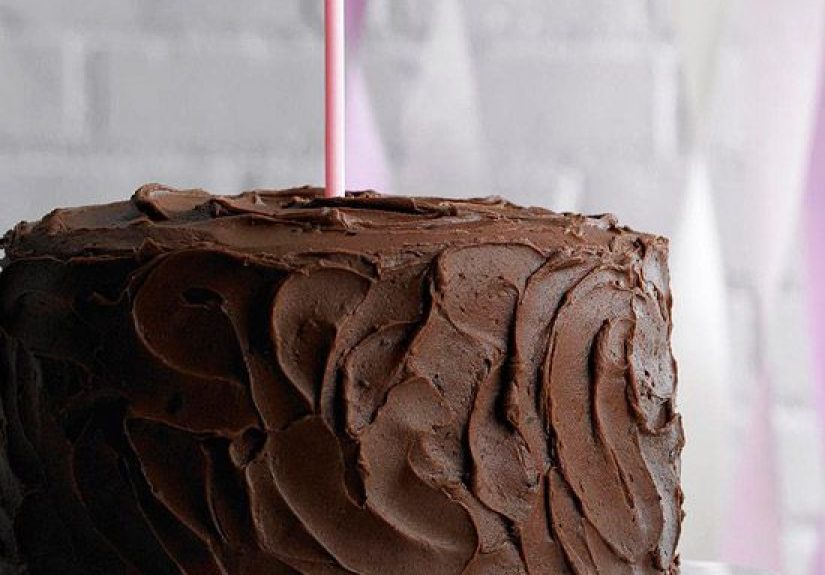
Place one cake layer on a serving plate. Spread frosting over the top. Add the second layer and frost the top and sides. If you want a polished finish, use an offset spatula. If you want a homemade look, embrace those swirls. Swirls say, “A real human made this, and that human deserves compliments.”
Common Chocolate Cake Mistakes to Avoid
Overmixing the Batter
Once the flour is in play, too much mixing can build excess gluten and lead to a tougher crumb. Mix until everything is combined, then stop. The mixer is a tool, not a stress response.
Using Cold Ingredients
Room-temperature eggs and dairy blend more smoothly into the batter, helping the texture stay even. Cold ingredients can make the mixture look curdled or uneven, which is not ideal when you are chasing a tender cake.
Overbaking
This is the fastest route to dry chocolate cake. Start checking a few minutes before the expected finish time. Remember, the cake keeps setting a little as it cools.
Frosting Before the Cake Cools
This turns your lovely buttercream into a slide presentation. Give the layers time to cool fully, even if your patience is hanging by a thread.
How to Customize Your Chocolate Cake
Once you master the base recipe, the variations are easy. Add espresso powder for a deeper chocolate note. Stir mini chocolate chips into the batter for extra pockets of richness. Use raspberry jam between the layers if you want a fruity contrast. Add a pinch of cinnamon for warmth. Swap the buttercream for ganache if you want a shinier, more dramatic finish. Chocolate cake is flexible that way. It is basically the little black dress of desserts.
You can also turn this recipe into cupcakes, a 9×13 sheet cake, or a single-layer snack cake. Just adjust the pan and baking time accordingly. The method stays mostly the same, which is good news if you enjoy reliable desserts and low chaos.
How to Store Chocolate Cake
If the cake is unfrosted, wrap it tightly once cool and keep it at room temperature for a short period. If it is frosted with a dairy-based frosting, cover it well and refrigerate it after serving. For the best texture, let chilled slices sit out briefly before eating so the crumb and frosting soften a bit. Chocolate cake cold from the fridge is still good, but slightly softened chocolate cake is where the full charm returns.
Final Thoughts
So, how do you make chocolate cake? You start with a balanced recipe, treat the ingredients with a little respect, and resist the urge to improvise wildly in the middle of the process. You mix thoughtfully, bake carefully, cool patiently, and frost generously. That is the path.
The best part is that homemade chocolate cake does not need to be perfect to be wonderful. Maybe the frosting is a little rustic. Maybe one layer leans slightly left like it has opinions. Maybe the top is not bakery smooth. None of that matters once the fork goes in. A good chocolate cake is rich, moist, tender, deeply flavored, and deeply comforting. It is the kind of dessert that does not need a sales pitch. One slice usually handles the marketing.
Baker’s Notes From Real Kitchens: The Experience of Learning Chocolate Cake
Anyone who bakes chocolate cake more than once learns pretty quickly that the recipe is only half the story. The other half is experience, and experience usually arrives wearing an apron and carrying at least one minor baking mistake. The first time many home bakers make chocolate cake, they expect the batter to behave like muffin batter or pancake batter. Then the hot coffee goes in, the mixture turns thin, and suddenly everyone is looking into the bowl like it just delivered shocking personal news. But then the cake bakes up soft, dark, and fragrant, and that is the moment a baker begins to trust the process.
Another common experience is realizing that chocolate cake is surprisingly forgiving in some ways and hilariously unforgiving in others. A slightly uneven frosting job? Charming. A rustic crumb coat? Adorable. Forgetting parchment paper in the pan? A deeply educational event. Many bakers remember the first time they flipped out a layer too early and watched part of it stay behind like it had signed a lease. That is when you learn that patience is not just a virtue in baking. It is structural support.
There is also the discovery that little details matter more than they seem. Room-temperature eggs feel like a boring instruction until you skip it and end up with batter that looks a bit confused. Gentle mixing sounds optional until an overworked cake comes out a little dense. Letting the layers cool completely sounds like unnecessary waiting until warm frosting starts slipping around like it is trying to leave the building. Chocolate cake has a funny way of teaching technique without making it feel like homework.
Then there is the coffee question. Plenty of first-time bakers hesitate because they do not want a mocha cake. But once they try it, they usually have the same reaction: it does not taste like coffee, it just tastes more chocolatey, more grown-up, more like the cake knows exactly who it is. That small upgrade often becomes one of those kitchen habits people keep forever. It is the baking equivalent of learning the perfect shortcut route home.
Chocolate cake also has a strong emotional track record. It shows up for birthdays, school events, potlucks, breakups, congratulations, and random Sundays when morale needs assistance. A lot of people do not remember the exact cake recipe from childhood, but they do remember the smell drifting through the kitchen, the look of frosting swirled high on top, and the suspense of waiting for the first slice. That emotional connection is part of why learning to make chocolate cake feels bigger than just learning a dessert. It feels like learning a useful little form of generosity.
Over time, bakers develop their own style. Some like a tall layer cake with dramatic frosting. Some want a simple sheet cake that can be cut into generous squares. Some add jam, some add espresso powder, some keep it plain and classic because plain and classic is often exactly right. The experience teaches you what kind of chocolate cake person you are. And that is valuable information, honestly.
If there is one lesson that comes up again and again, it is this: a great chocolate cake does not require perfection. It requires attention, care, and the willingness to learn from each round. The slightly cracked top, the imperfect edge, the extra frosting swoop, the crumbs that sneak into the finish, those are not failures. They are evidence. Evidence that the cake was made by hand, in a real kitchen, by someone who wanted to make something good. And in the end, that is usually why the cake tastes better than anything that came from a plastic container under bright grocery store lights.