Table of Contents >> Show >> Hide
- Why a Farmhouse-Style Ceiling Fan Makes Sense
- Before I Touched Anything, I Made a Plan
- What I Used for the Makeover
- Step 1: Safety First, Because Ceiling Fans Are Attached to the Ceiling for a Reason
- Step 2: Clean Like You Mean It
- Step 3: Sand Just Enough
- Step 4: Choose the Right Farmhouse Finish
- Step 5: Prime Like a Responsible Adult
- Step 6: Apply Thin, Even Coats
- Step 7: Let Everything Cure Fully
- Step 8: Reassemble and Check the Balance
- How the Farmhouse Makeover Changed the Room
- Mistakes I Avoided, and One I Almost Made
- Budget, Time, and Is It Worth It?
- My Best Tips if You Want to Try This Yourself
- Final Thoughts
- My Real-Life Experience After the Makeover
- SEO Tags
There are two kinds of ceiling fans in this world: the ones that quietly cool a room while blending into the background, and the ones that look like they were installed during a national emergency in 2004. Mine was proudly in the second category. It worked fine, but visually? It had all the charm of an office break room. So instead of replacing it and spending more than I wanted, I decided to give it a farmhouse-style makeover.
And honestly, this turned out to be one of my favorite budget-friendly home updates. With a little planning, the right finish, and a healthy respect for gravity, I transformed a boring ceiling fan into something that actually looked intentional. Not “landlord special.” Not “builder basic.” Intentional.
If you’ve been staring at a dated fan and wondering whether it can be salvaged, the answer is usually yes. In this post, I’ll walk you through exactly how I gave my ceiling fan a farmhouse style, what worked, what I would do differently next time, and how to make sure your fan still looks good and runs smoothly after the makeover.
Why a Farmhouse-Style Ceiling Fan Makes Sense
Farmhouse style works because it feels warm, lived-in, and practical. It mixes simple lines with cozy texture, natural wood tones, muted colors, and a few aged or matte metal accents. In other words, it is the perfect design direction for an object whose main job is to spin overhead and keep you from melting in July.
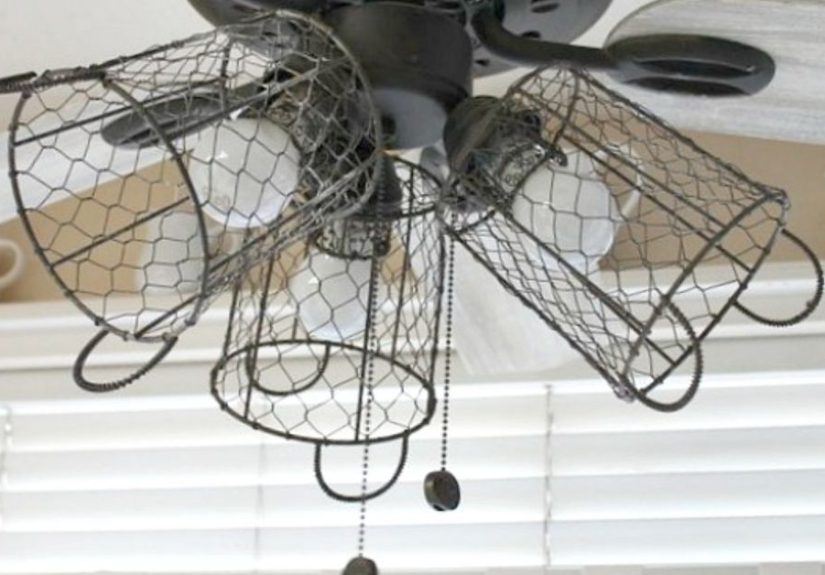
Instead of treating the ceiling fan like an appliance you ignore, a farmhouse makeover turns it into part of the room’s design story. Think weathered wood-look blades, a matte black or rubbed-bronze motor housing, and a finish that feels collected rather than flashy. The result is softer than industrial style, less ornate than traditional style, and far more charming than “whatever beige this was supposed to be.”
What I liked most was that farmhouse style gave me flexibility. I did not have to create a perfect antique replica. I just needed to lean into a few signature elements:
- Warm or weathered wood tones
- Soft whites, greige, taupe, or muted earth colors
- Black, bronze, or aged metal finishes
- A slightly imperfect, handcrafted feel
- Comfort over fussiness
Before I Touched Anything, I Made a Plan
This is the least exciting step and also the reason the project did not turn into an overhead regret machine.
First, I checked that the fan was in good shape mechanically. If a fan already wobbles badly, has warped blades, or sounds like it is chewing gravel, a pretty finish will not solve the underlying issue. Farmhouse style is charming. Farmhouse style plus a flying blade is not.
I tightened visible screws, looked for blade damage, and made sure the fan was mounted securely. Then I decided what parts I wanted to change. In my case, I refinished the blades and updated the motor housing color. I left the electrical components alone, skipped anything that would interfere with operation, and made peace with the fact that not every tiny bracket needed a dramatic new identity.
My Design Goal
I wanted the fan to look like it belonged in a relaxed modern farmhouse bedroom: clean, cozy, and slightly rustic. I chose a wood-inspired look for the blades and a matte black finish for the central housing. That combination gave the fan contrast and warmth without making it look too themed. I was aiming for “stylish weekend renovation,” not “barn exploded indoors.”
What I Used for the Makeover
You do not need a truckload of supplies, but you do need the right ones. Here is what helped me most:
- Screwdriver
- Step ladder
- Drop cloth or old sheet
- Mild cleaner or degreaser
- Microfiber cloths
- Fine-grit sandpaper
- Bonding primer for slick or difficult surfaces
- Paint or stain-safe finish for the parts being updated
- Painter’s tape
- Small foam roller or spray paint, depending on the surface
- Protective topcoat if needed
A quick note here: blades and housings are not always made from the same material. Some blades are wood, MDF, laminate, or another manufactured surface. Some housings are metal. That matters, because the prep and products should match the surface. I resisted the urge to use “whatever was in the garage,” which is growth, frankly.
Step 1: Safety First, Because Ceiling Fans Are Attached to the Ceiling for a Reason
I shut off the fan, then cut power at the breaker before doing any real work. That is the non-negotiable part. A makeover should not involve surprise electricity.
Once the power was off, I removed the blades carefully and set the screws aside in a labeled container. I also took photos before disassembly, because confidence is great, but photo evidence is better when you are trying to remember which piece goes where.
Step 2: Clean Like You Mean It
This step made a huge difference. Ceiling fans collect dust in a way that feels almost personal. Mine had a greasy film mixed with dust that would have ruined any finish if I had painted over it. I cleaned each blade thoroughly with a mild cleaner and soft cloth, then let everything dry completely.
If you skip cleaning, paint and primer may not bond well. If you clean badly, you are basically laminating years of bedroom dust under a fresh coat of pretty. We are better than that.
Step 3: Sand Just Enough
I lightly sanded the surfaces to dull the old finish. I was not trying to strip everything down to bare material. I just wanted to remove gloss and give the new finish something to grip. This is especially important if the original surface is slick, laminated, or factory-finished.
After sanding, I wiped everything down again to remove dust. Painting over sanding dust is like frosting a cake over breadcrumbs. Technically possible. Spiritually wrong.
Step 4: Choose the Right Farmhouse Finish
This is where the makeover starts getting fun. Farmhouse style can go in a few directions, and the finish you choose should match the room around it.
Option 1: Weathered Wood Blades
This is the route I took. I wanted the blades to mimic aged oak or lightly distressed wood. If your blades are real wood or a paintable wood-based material, a stain or layered paint technique can create that look. You can go light and airy with a whitewashed finish, or warmer and richer with medium brown and gray undertones.
I avoided anything too orange or too glossy. Farmhouse style usually looks best when the wood tone feels natural, muted, and a little softened by time. Imagine “old wood beam” rather than “brand-new sports bar table.”
Option 2: Painted Blades in Soft Neutral Tones
If your room is very bright or modern farmhouse, painting the blades in a soft white, greige, or dusty taupe can work beautifully. This gives the fan a cleaner, simpler presence. It is especially useful in smaller rooms where a dark fan might feel heavy.
Option 3: Matte Black or Aged Bronze Housing
This is almost always a win. A matte black or dark bronze motor housing adds contrast and gives the fan that hardware-inspired farmhouse character. It pairs especially well with wood-look blades and other black accents in the room, such as curtain rods, cabinet pulls, or picture frames.
Step 5: Prime Like a Responsible Adult
I know. Primer is boring. Primer is also the reason your project still looks decent six months from now.
If the surface is glossy, laminated, or metal, a bonding primer is a smart move. I applied a thin, even coat and let it dry fully. This is not the moment for impatience. A rushed makeover can chip fast, especially on parts that live in motion.
Step 6: Apply Thin, Even Coats
For the housing, I used light coats rather than trying to cover everything in one dramatic pass. Heavy paint can drip, cure unevenly, and look clunky. Thin coats gave me a smoother finish and better control.
For the blades, consistency mattered even more. I made sure each blade received the same number of coats and roughly the same amount of finish. Uneven buildup can affect the balance of the fan, and while I love character, I do not love wobble.
I also stayed away from moving parts, screw threads, and anything that could interfere with the fan’s function. Decorative ambition should stop where mechanical reliability begins.
Step 7: Let Everything Cure Fully
This part requires patience and absolutely no “it’s probably dry enough” energy. Dry to the touch is not the same as cured. I let all the pieces sit long enough for the finish to harden properly before reassembly.
Why? Because reinstalling blades too early is a fantastic way to smudge your hard work, dent a soft finish, and invent several new household arguments with yourself.
Step 8: Reassemble and Check the Balance
Once everything was cured, I reattached the blades carefully, tightened the screws evenly, restored power, and tested the fan on a low setting first. This was the moment of truth.
The fan looked dramatically better right away, but I still watched for wobble. If your fan wobbles after a makeover, do not panic. Start with the basics:
- Make sure all screws are snug
- Confirm each blade is aligned properly
- Check for warping or damage
- Use a balancing kit if necessary
A balancing kit can be a lifesaver. It is one of those tiny, unglamorous solutions that quietly saves your project from becoming a ceiling-based percussion instrument.
How the Farmhouse Makeover Changed the Room
I expected the fan to look nicer. I did not expect it to change the whole room.
Before the makeover, the fan blended in the worst possible way. It was neither stylish nor invisible. Afterward, it looked like it belonged with the rest of the decor. The wood-look blades added warmth. The matte dark housing gave the room contrast. And suddenly my bedding, nightstands, and wall art made more sense together.
That is the sneaky power of a ceiling fan makeover: it helps tie the room together without requiring a full renovation. You are not replacing floors, knocking down walls, or ordering furniture with terrifying shipping timelines. You are just upgrading one object that everyone sees but few people think to style.
Mistakes I Avoided, and One I Almost Made
What I Avoided
- Painting over dust and grease
- Using thick coats
- Skipping primer on slick surfaces
- Changing the fan’s look without checking stability first
- Making the finish too shiny for the farmhouse aesthetic
The Mistake I Almost Made
I nearly chose a very dark stain for the blades because it looked dramatic in my head. But once I tested it, the result felt too heavy for the room. Farmhouse style usually benefits from balance: warmth, yes; cave-like darkness, not necessarily. I scaled back to a softer weathered wood tone, and the room felt much lighter and more inviting.
Budget, Time, and Is It Worth It?
For me, yes. Absolutely.
A brand-new farmhouse ceiling fan can look fantastic, but it can also cost significantly more than a DIY refresh. If your existing fan works well and fits the room size, a makeover can be a smart middle ground. You get a custom look without a full replacement.
This project also fits well into the “small change, big payoff” category. It takes more care than money. That is my favorite category of home improvement, right after “fixed it with a screwdriver and pure spite.”
My Best Tips if You Want to Try This Yourself
- Match the finish to your room, not just to internet inspiration
- Test your color or stain before committing
- Use light coats and keep them consistent across blades
- Do not ignore wobble or loose hardware
- If the fan is old and damaged, replacement may make more sense
- Keep the look simple; farmhouse style is warm, not cluttered
Final Thoughts
Giving my ceiling fan a farmhouse style was one of those projects that started as a cosmetic update and ended up changing how the whole room felt. What had been a forgettable fixture became a design feature. And the best part was that it still did exactly what a ceiling fan should do: move air, keep the room comfortable, and not demand attention for all the wrong reasons.
If you have a dated fan and a little DIY courage, this project is worth considering. You do not need a giant budget. You do not need professional-level skills. You just need a clear vision, the right prep, and the willingness to spend a weekend making something practical look a whole lot prettier.
In my case, the finished fan looked warm, relaxed, and just rustic enough. It felt like it belonged in the room all along. Which is really the dream with farmhouse decor, isn’t it? Comfortable, useful, a little charming, and not trying too hard.
My Real-Life Experience After the Makeover
Now that I have lived with this farmhouse-style ceiling fan for a while, I can say the makeover changed more than just the fixture. It changed the mood of the room in a way I did not expect. Before, the fan was one of those background pieces I mentally apologized for every time I looked up. It was functional, but it had that generic builder-grade look that made the room feel unfinished. Once I updated it, the entire space felt more thoughtful, like I had actually decorated the ceiling instead of just tolerating it.
One of the biggest surprises was how often people noticed it. Not in a dramatic “behold my fan” kind of way, but in those small comments that tell you the room feels more pulled together. Friends would walk in and say the room felt warmer or more polished, and a lot of that came from the wood-look blades and darker housing tying into the other finishes in the room. My curtain rod, picture frames, and bedside lamp suddenly looked like they were part of a coordinated plan instead of distant relatives seated at separate holiday tables.
Functionally, I also learned that the prep work was worth every minute. Because I cleaned, sanded, primed, and used light coats, the finish held up well. I have dusted the blades several times and have not had major chipping or peeling. That alone convinced me this project is not just a quick cosmetic fix if you do it carefully. It can actually last.
I also became more aware of balance and maintenance after the makeover. Before this project, I honestly never thought much about whether a little dust or a slightly loose screw could affect performance. Now I check the fan more often, wipe the blades gently, and pay attention if something sounds off. The makeover made me treat the fan like part of the home rather than a spinning utility object I ignored until summer.
Would I do anything differently next time? Yes: I would test even more finish options before choosing my final look. Farmhouse style can lean airy, rustic, modern, or vintage, and small color differences matter more than you think once the fan is overhead. But overall, I would absolutely do this project again. It was affordable, satisfying, and surprisingly impactful. For a weekend DIY job, that is a pretty great return. Not bad for something that used to be the visual equivalent of plain toast.