Table of Contents >> Show >> Hide
- Quick Answer: How Long to Boil Eggs
- Why Egg-Boiling Times Vary (And Why You’re Not Doing It Wrong)
- Method 1: Foolproof Hard-Boiled Eggs (Bring to Boil, Then Rest)
- Method 2: Hot-Start Boiled Eggs (Eggs Into Boiling Water)
- Method 3: Steam Method (A Great Alternative)
- How to Peel Boiled Eggs Without Losing Your Mind
- How to Avoid the Green Ring Around the Yolk
- Egg Doneness Guide: Best Uses for Each Texture
- Food Safety Tips for Boiled Eggs
- Troubleshooting Common Boiled Egg Problems
- Kitchen Experiences and Real-World Lessons From Boiling Eggs
- Conclusion
Boiling eggs sounds like the easiest kitchen task on Earthright up until you peel one and discover a sulfur-scented gray ring, a yolk that’s basically lava, or a shell that comes off in microscopic flakes. Suddenly, breakfast feels like a science experiment with trust issues.
The good news: there’s no mystery here. The “perfect” boiled egg depends on your definition of perfect (runny, jammy, or fully set), and once you match the right method to the right timing, you can get consistent results every time. In this guide, you’ll learn exactly how long to boil eggs for soft-boiled, jammy, medium, and hard-boiled eggs, plus how to peel them easily, avoid the green ring, and store them safely.
Quick Answer: How Long to Boil Eggs
Here’s the short version first, because sometimes you’re hungry and not in the mood for a deep dive into egg philosophy.
If You Start Eggs in Already-Boiling Water
- 3 minutes: very soft, barely set whites (ultra runny center)
- 4–5 minutes: soft-boiled with runny yolk
- 6 minutes: classic soft-boiled (tender whites, liquid-to-jammy yolk)
- 7–8 minutes: medium / jammy yolk
- 9–10 minutes: mostly set yolk, still creamy in the center
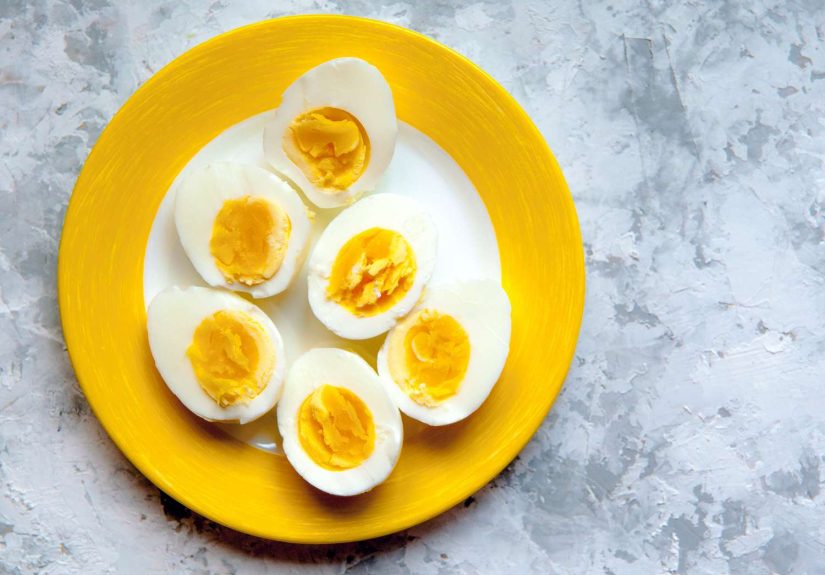
- 11–12 minutes: hard-boiled (fully set yolk, best for deviled eggs and egg salad)
If You Use the “Bring to Boil, Then Cover and Rest” Method
- 4–5 minutes resting: soft-boiled
- 6 minutes resting: custardy / jammy center
- 10 minutes resting: firm but still a little creamy
- 12 minutes resting: fully hard-boiled
Important: Both methods work. The internet seems chaotic because different websites use different techniques. A “6-minute egg” in one recipe may be a “10-minute egg” in another if one source counts active boiling time and another counts standing time after turning the heat off.
Why Egg-Boiling Times Vary (And Why You’re Not Doing It Wrong)
If your friend swears by 9 minutes and your favorite recipe says 12, neither of you is necessarily wrong. Egg timing changes based on a few variables:
- Egg size: Medium, large, and extra-large eggs cook at different rates.
- Starting temperature: Fridge-cold eggs take longer than room-temp eggs.
- Method: Cold-start, hot-start, and steam methods all produce different timing.
- Cookware: A heavy pot holds heat differently than a thin saucepan.
- Stovetop strength: A strong burner can keep water hotter after you turn it down.
- Altitude: Water boils differently at higher elevations, which can affect timing and texture.
In other words, if your eggs were perfect last week and a little underdone this week, you haven’t offended the egg gods. You just encountered normal kitchen variables.
Method 1: Foolproof Hard-Boiled Eggs (Bring to Boil, Then Rest)
This is one of the most reliable methods for home cooks, especially if you want hard-boiled eggs for meal prep, salads, or deviled eggs. It’s also popular because it’s low stress and less likely to make your pot boil over while you scroll your phone “for just 10 seconds.”
Step-by-Step
- Place eggs in a single layer in a saucepan.
- Add cold water until it covers the eggs by about 1 inch.
- Bring the water to a boil over medium-high to high heat.
- As soon as it reaches a boil, remove the pot from the heat.
- Cover the pot and let the eggs sit in the hot water:
- 12 minutes for hard-boiled large eggs
- 10 minutes for firm but slightly creamy yolks
- 6 minutes for jammy/custardy
- 4–5 minutes for soft-boiled
- Transfer immediately to an ice bath (or very cold water) to stop cooking.
This method is especially great when you want a batch of eggs with even texture. It’s also friendly to beginners because the timing is easy to control once the burner is off.
Method 2: Hot-Start Boiled Eggs (Eggs Into Boiling Water)
If you want more precise donenessespecially for soft-boiled or jammy eggsthis method is a favorite. You bring the water to a boil first, then gently lower the eggs in and time them exactly.
Step-by-Step
- Bring a pot of water to a boil.
- Use a slotted spoon to gently lower the eggs into the water (this helps prevent cracking).
- Reduce heat to a gentle boil or simmer.
- Cook according to your preferred doneness:
- 4–5 minutes: soft-boiled, runny center
- 6 minutes: soft-boiled, slightly thicker yolk
- 7–8 minutes: medium / jammy
- 11 minutes: hard-boiled (firm but not chalky)
- Transfer to an ice bath if you are not eating them immediately.
This method is ideal for ramen eggs, toast soldiers, grain bowls, and any meal where you want the yolk to be glossy and dramatic. You know, the kind of egg that makes people say, “Wait… did you make that?”
Method 3: Steam Method (A Great Alternative)
Not everyone thinks of steaming first, but it’s a fantastic way to cook eggs. Many cooks use it because it can produce easy-to-peel eggs and gives reliable results with less water.
Typical Steam Timing
- 4–6 minutes: runny soft-boiled eggs
- 6–8 minutes: jammy to medium
- 10–12 minutes: hard-cooked
Once they’re done, use the same rule: cool quickly in ice water if you want peeling to be easier and the yolks to stop cooking.
How to Peel Boiled Eggs Without Losing Your Mind
Peeling eggs can feel weirdly personal. Some people tap and roll. Some peel under running water. Some whisper encouraging words. Here’s what actually helps:
1) Use an Ice Bath
Cooling eggs quickly helps stop carryover cooking and can improve peeling. If you skip this and let eggs sit hot in the pot, the yolks can overcook and the shells may become more annoying to remove.
2) Crack All Over, Then Peel Under Cool Running Water
Running water helps lift tiny shell fragments and can slide under the membrane. If you’ve ever spent five full minutes peeling one sad egg, this trick matters.
3) Don’t Panic About a Less-Than-Perfect Peel
If the first egg peels beautifully and the second looks like it went through a gravel storm, that’s normal. Save the pretty ones for deviled eggs and slice the rough ones into salad. Deliciousness does not care about cosmetics.
How to Avoid the Green Ring Around the Yolk
That greenish-gray ring around a hard-boiled yolk looks suspicious, but it’s usually just a texture and appearance issuenot a safety issue.
It happens when the egg is overcooked, causing sulfur in the white and iron in the yolk to react. It can also be more noticeable if your cooking water has more iron. Translation: your egg is probably still safe, but it definitely missed its best look.
How to Prevent It
- Use a timer (no “I’ll just check in a minute” guesses).
- Cool eggs quickly in an ice bath.
- Avoid prolonged boiling or leaving eggs in hot water too long.
If you’re making deviled eggs for a party, timing and cooling matter even more because nobody wants a tray of green-ringed eggs at the center of the table. (Well, your cousin Kevin might not notice, but everyone else will.)
Egg Doneness Guide: Best Uses for Each Texture
Soft-Boiled (4–6 Minutes)
Best for toast, ramen, rice bowls, and breakfast plates. The whites are set enough to eat, and the yolks are runny to jammy depending on timing.
Medium / Jammy (7–8 Minutes)
Best for salads, grain bowls, and snack plates. The yolk is creamy and rich without spilling everywhere. This is the “fancy cafe egg” zone.
Firm but Creamy (9–10 Minutes)
Great if you want a mostly set yolk with a softer center. A solid choice for packed lunches because it holds together better than a soft-boiled egg.
Hard-Boiled (11–12 Minutes or 12-Minute Rest Method)
Perfect for deviled eggs, egg salad, potato salad, and meal prep. The yolk is fully set and easy to mash, mix, or slice.
Food Safety Tips for Boiled Eggs
Eggs are simple, but food safety still mattersespecially if you’re meal-prepping, packing lunches, or serving kids.
1) Keep Eggs Refrigerated Before Cooking
Store eggs cold (around 40°F or below). If eggs are cracked before cooking, toss them rather than “hoping for the best.” Hope is not a food safety strategy.
2) Cook Fully for People at Higher Risk
For young children, older adults, and anyone at higher risk for foodborne illness, fully cooked eggs (firm yolks and whites) are the safer choice. If a recipe uses undercooked eggs, use pasteurized eggs.
3) Chill Hard-Cooked Eggs Promptly
Hard-cooked eggs should be refrigerated soon after cooling, and not left out for more than 2 hours. If they’ve been sitting out longer than that, it’s safer to discard them.
4) Use Hard-Cooked Eggs Within 1 Week
A good rule: eat hard-boiled eggs (peeled or unpeeled) within 7 days. Label the container if you meal-prepbecause “I think these are from Tuesday?” is a dangerous sentence.
5) Egg Dishes Need Safe Temps Too
For casseroles, quiches, and frittatas, internal temperature matters:
- 160°F for egg dishes without meat or poultry
- 165°F if the dish contains meat or poultry
Troubleshooting Common Boiled Egg Problems
Problem: The Egg Cracked in the Pot
Usually caused by dropping a cold egg too quickly into boiling water. Use a slotted spoon and lower it gently. If it cracks a little, it’s usually still ediblejust not pageant-ready.
Problem: The Yolk Is Chalky and Dry
That’s classic overcooking. Reduce the time by 1–2 minutes next batch, and cool the eggs quickly.
Problem: The Yolk Is Too Runny
Add 1 minute next time. Small timing changes make a big difference, especially between 5 and 8 minutes.
Problem: Peeling Is a Nightmare
Use the ice bath, peel under running water, and crack the shell thoroughly before starting. If you’re cooking eggs for a recipe where looks matter, boil a couple of extras so you can pick the best ones.
Problem: Same Time, Different Results
This is usually due to egg size, starting temperature, or burner strength. Once you find your sweet spot, write it down. Your future self will thank you.
Kitchen Experiences and Real-World Lessons From Boiling Eggs
Here’s the part every home cook eventually learns: boiling eggs is easy, but consistent boiling takes a little practice. The first few times, most people don’t fail because they can’t cookthey fail because they underestimate how much one minute matters.
A very common experience is the “breakfast confidence trap.” You set out to make soft-boiled eggs for toast, feel like a champion, and then get distracted by coffee, a text message, or a mysterious missing sock. You come back thinking, “It’s probably fine,” and crack the egg open. Instead of a silky yolk, you get a nearly hard center. Still tasty? Yes. The egg you pictured in your head? Not even close.
Then there’s the opposite problem: the meal-prep Sunday batch. You boil a dozen eggs for the week, peel one, and the center is softer than expected. Not dangerous if you planned for medium eggs, but not ideal if you wanted clean slices for Cobb salad. This is where people discover the magic of keeping notes: “Large eggs, straight from fridge, 12-minute rest, 10-minute ice bath.” It sounds nerdy until you realize it saves you from repeating the same mistake six times.
Another real-world moment happens when you make eggs for guests. Suddenly, egg timing becomes a performance sport. If you’re making deviled eggs for a party, hard-boiled is the safe bet because the yolks mash smoothly and the texture is reliable. But if you’re serving ramen or brunch bowls, a 7-minute jammy egg looks impressive and feels restaurant-level with very little extra effort. That’s why so many cooks end up with “go-to times” for different situations instead of one universal egg time.
People also learn quickly that peeling can make or break the experience. A batch of perfectly cooked eggs can still feel like a kitchen betrayal if the shells stick. In practice, the ice bath helps a lot, and peeling under running water is one of those little tricks that sounds too simpleuntil it works. It won’t make every egg peel like a dream, but it dramatically improves your odds.
And then there’s the famous green ring panic. Nearly everyone sees it at least once and assumes the eggs are ruined. The first reaction is usually, “Did I poison the family?” The answer is almost always no. It’s usually just an overcooking issue. Once cooks learn that, they stop panicking and start timing. The emotional arc of boiling eggs is basically: confusion, frustration, timer ownership, and finally, egg wisdom.
One of the best practical lessons is learning to match the egg to the dish. Soft-boiled eggs are amazing, but not for every situation. They’re wonderful on toast and noodles, but not exactly lunchbox-friendly. Hard-boiled eggs are less dramatic, but they travel well, store well, and work in everything from salads to snack boxes. Jammy eggs are the middle groundthe “I want flavor and style, but I also need this to be practical” choice.
So if your first batch isn’t perfect, welcome to the club. The trick is not chasing a mythical universal time. The trick is testing one method, choosing your favorite texture, and adjusting by a minute until it matches your kitchen. Once that clicks, boiling eggs goes from random to reliableand suddenly you’re the person casually saying things like, “For this stove, 8 minutes is jammy.” That’s when you know you’ve leveled up.
Conclusion
If you’ve been wondering how long to boil eggs, the answer depends on your method and the texture you wantbut the sweet spot is easy to remember: 4–6 minutes for soft-boiled, 7–8 for jammy, and 11–12 for hard-boiled (or a 12-minute covered rest after boiling for the classic off-heat method). Add an ice bath, use a timer, and you’ll get consistent results without the guesswork.
Once you lock in your preferred timing, boiled eggs become one of the most versatile foods in your kitchen: quick breakfast, high-protein snack, salad topper, ramen upgrade, lunchbox staple, or the star of deviled eggs at every family gathering. Not bad for something that starts with water, heat, and a shell.