Table of Contents >> Show >> Hide
- Average Bed Bug Exterminator Cost in 2025
- Bed Bug Treatment Costs by Method
- Cost by Home Size and Infestation Severity
- Inspection Fees, Follow-Up Visits, and “Hidden” Add-Ons
- Why Bed Bug Extermination Costs More Than “Regular Pest Control”
- DIY vs. Hiring a Pro: What’s Really Cheaper?
- How to Get the Best Price Without Getting the Worst Outcome
- Example Cost Scenarios (Realistic 2025 Ranges)
- Who Pays? Renters, Landlords, and Shared Buildings
- How to Reduce Bed Bug Treatment Costs (Without Getting Bit Later)
- What to Ask Before You Hire a Bed Bug Exterminator
- Bottom Line: What You Should Budget in 2025
- Experiences That Change How People Think About Bed Bug Costs (500+ Words)
Bed bugs are the only houseguests who (1) never bring snacks and (2) refuse to leave. If you’ve spotted one,
you’re probably asking the same question every stressed-out homeowner asks: How much is this going to cost me?
In 2025, professional bed bug extermination typically runs from about $1,000 to $4,000 for most homes and apartments,
with many full-home jobs landing higher depending on treatment type and severity. Small, early infestations can cost far less,
while heavy infestations (or multi-unit situations) can climb quickly. The goal of this guide is simple:
help you understand what you’re paying for, what drives the price up (or down), and how to avoid paying twice.
Average Bed Bug Exterminator Cost in 2025
Most reputable cost guides and major pest-control resources cluster around a similar reality:
bed bug treatment is rarely “cheap,” because it’s labor-heavy and often requires repeat visits.
A realistic national picture looks like this:
- Typical range (most households): $1,000–$4,000
- Common average: around the mid-$2,000s
- Whole-home / severe cases: $4,000–$6,000+ (sometimes more for large buildings)
- Single-room treatment: often a few hundred dollars up to ~$1,000 depending on method and severity
Why the big spread? Bed bugs don’t charge by the hour, but exterminators do. And bed bugs are experts at hiding in places
you didn’t even know existed (like that tiny crack behind your baseboard that apparently leads to Narnia).
Bed Bug Treatment Costs by Method
The treatment method is the biggest price driver. Some approaches cost more because they require specialized equipment,
more technicians, more time on-site, or more follow-up work.
Cost Snapshot: Common Methods
| Treatment Method | How Pricing Often Works | Typical 2025 Cost Range | Best Fit |
|---|---|---|---|
| Insecticide / chemical treatments | Per room or per sq. ft., often multiple visits | $150–$400 per room (some markets higher) | Light to moderate infestations; targeted rooms; often combined with non-chemical steps |
| Heat treatment | Per sq. ft. or whole-home | $1–$3 per sq. ft. (often $2,000–$5,500+ depending on size) | Fast, whole-room/whole-home knockdown; great when done properly |
| Steam treatment | Per room or per sq. ft. | $250–$1,000 per room (varies widely) | Targeted areas, furniture seams, and fabric-heavy zones; often paired with other methods |
| Cold / freezing treatments | Per item, per room, or specialty service | ~$300–$1,500 (job dependent) | Specific items/spaces where freezing is practical; limited compared to heat |
| Fumigation | Per sq. ft. or full structure | $2,000+ (often $4–$8 per sq. ft.) | Severe, widespread infestations; multi-room penetration needs; special cases |
Heat Treatment: Higher Upfront, Often Faster Results
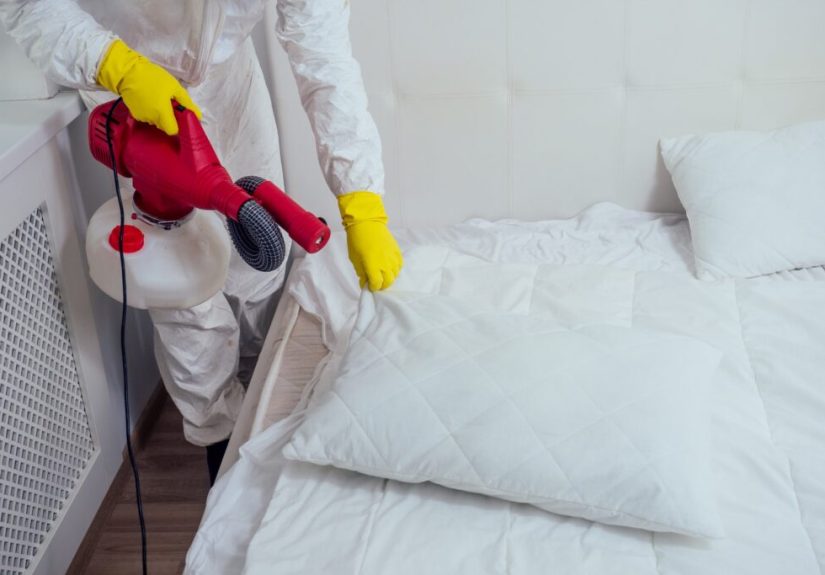
Heat treatment raises the temperature in the treatment area high enough to kill bed bugs in all life stages.
It can be a “big-ticket” option because it requires specialized heaters, fans, monitoring, and experienced technicians.
Pricing is commonly quoted per square foot or as a whole-home package.
Heat can look pricey on paperbut for some households it’s cost-effective if it reduces the number of repeat visits
and knocks down the infestation quickly. The catch? Prep matters. If your home isn’t prepared properly,
treatment can be less effective (and then you’re paying for Round 2: The Return of the Bugs).
Chemical Treatments: Often Lower Cost, But More Follow-Ups
Insecticide-based treatments can cost less per visit, but bed bugs are notoriously stubborn.
Many programs involve a sequence of treatments spaced out to target newly hatched bugs.
That means the “cheap” quote can become less cheap if it doesn’t include follow-up visitsor if the infestation is bigger
than you think.
Steam and Spot Treatments: Great Support Players
Steam can penetrate fabrics and cracks when used correctly and carefully, which makes it useful for mattresses,
upholstered furniture, and baseboards. In practice, steam is often part of an integrated strategy rather than a single silver bullet.
Fumigation: The Nuclear Option (Sometimes Necessary)
Fumigation is typically reserved for severe infestations or situations where bed bugs are widespread and hard to reach.
It tends to cost more and can require you to vacate the property during treatment.
If someone mentions fumigation for a mild, early case in one bedroom, it’s fair to ask:
“Is this really necessaryor are we jumping straight to the most expensive menu item?”
Cost by Home Size and Infestation Severity
Many exterminators price bed bug treatment by the scope of the job:
how many rooms, how many hiding places, how many follow-ups, and how far the infestation has spread.
Common Price Patterns
- Per room: common for targeted treatments (example: 1–3 rooms treated)
- Per square foot: common for heat, steam, and fumigation
- Per visit / per program: common when multiple treatments are scheduled
What “Mild vs. Severe” Usually Means (in Pricing Terms)
Severity isn’t just “how gross it feels.” It’s about how many areas are affected and how hard they are to treat.
- Mild infestation: limited evidence, usually one room; may be hundreds to low-thousands
- Moderate infestation: multiple rooms or longer activity; often $1,000–$2,500+
- Severe infestation: widespread activity, wall voids, multiple rooms and furniture pieces; commonly $4,000–$6,000+
Inspection Fees, Follow-Up Visits, and “Hidden” Add-Ons
Here’s where homeowners get surprised: the quote you see first may not be the final price.
Always ask what’s included.
Inspection Costs
Some companies offer free inspections, while others charge for a professional inspectionespecially if it involves
more time, specialized tools, or travel. If you’re paying for an inspection, make sure you’re getting real value:
a thorough check of sleeping areas, furniture seams, baseboards, and adjacent roomsplus a clear plan.
Follow-Up Visits
Bed bugs have a life cycle that makes repeat treatments common. Eggs can be tough to eliminate with certain approaches,
and missing even a small pocket of activity can restart the problem. Many cost guides note that bed bug jobs
may require multiple visits, which can be billed per visit or bundled in a treatment program.
Emergency / Rush Fees
Need treatment ASAP (like, “my relatives arrive tomorrow and I can’t host a horror movie” ASAP)?
Some providers charge a rush fee, especially for after-hours or short-notice service.
Prep, Laundry, and Replacement Costs
The exterminator’s invoice isn’t your only expense. Common “side costs” include:
- Laundry and drying: repeated hot cycles for bedding and clothing
- Mattress and box spring encasements: often recommended to trap bugs and prevent re-infestation
- Decluttering supplies: heavy-duty bags, bins, tape, labels
- Replacing infested items: sometimes avoidable; sometimes not
- Temporary lodging: more common with fumigation or large heat jobs (depending on the plan)
Pro tip: if you replace furniture, do it strategically. Replacing everything immediately can be an expensive mistake
if the infestation isn’t fully eliminated. It’s usually smarter to follow a plan first, then replace selectively.
Why Bed Bug Extermination Costs More Than “Regular Pest Control”
People are often shocked because they’ve paid $150–$300 for ants or roaches and assume bed bugs are similar.
They aren’t.
- They hide better: seams, cracks, outlets, bed frames, furniture joints
- They spread easily: one untreated room can re-seed the others
- They can require multiple steps: vacuuming, sealing, heat/chemical, monitoring, repeat visits
- Resistance is a thing: some populations resist common insecticides, so pros use integrated approaches
In other words, bed bugs don’t just “need a spray.” They need a campaign.
DIY vs. Hiring a Pro: What’s Really Cheaper?
DIY can look cheaper at first because a bottle of anything at the store costs less than a professional visit.
But bed bugs are famously difficult to eliminate without a coordinated plan.
When DIY Can Help
- Very early detection (limited to one area)
- You’re using DIY steps as support for a professional plan
- You’re focused on containment: decluttering, vacuuming, laundering, encasements
When DIY Often Backfires
- You treat only the obvious spots (bed bugs love this because they keep the better hiding places)
- You use unsafe or ineffective methods (some “internet hacks” are dangerous and don’t work)
- You scatter bugs into new rooms by moving items improperly
A good middle ground for many households: get a professional inspection and plan, then do the heavy lifting on prep
(laundry, decluttering, encasements, careful vacuuming) so the pros can do what only pros can do.
How to Get the Best Price Without Getting the Worst Outcome
With bed bugs, the cheapest quote can become the most expensive if it fails.
Here’s how to shop smart:
1) Compare “Programs,” Not Just Prices
- How many visits are included?
- What happens if activity returns?
- Is monitoring included (interceptors, follow-up inspections, etc.)?
2) Ask What Preparation Is Required
Prep can make or break treatment effectiveness. Ask for a written checklist. If a company shrugs and says,
“No prep needed,” that’s not automatically a red flagbut you should ask exactly how they prevent missed harborage spots.
3) Confirm the Treatment Area
Bed bugs can move to adjacent rooms and neighboring units. Make sure the inspection includes surrounding areas,
and ask how the company decides what to treat (especially in apartments and condos).
4) Check Credentials and Reviews (But Read Them Like a Detective)
Look for patterns: punctuality, clarity, follow-through, and whether people report lasting results.
One angry review can be noise; ten saying “they never came back for follow-ups” is a signal.
Example Cost Scenarios (Realistic 2025 Ranges)
Scenario A: Early Infestation in One Bedroom
You caught it quickly. Evidence is limited to one sleeping area. A company may treat one room using chemicals and targeted
non-chemical methods. A realistic total might land in the low hundreds to around $1,000 depending on where you live,
the method, and whether follow-ups are included.
Scenario B: Two-Bedroom Apartment, Moderate Activity
Multiple rooms show signs, and you want a comprehensive approach. You might see quotes around
$1,000–$2,500+, especially if the company uses a hybrid strategy (heat + targeted residual treatments + monitoring).
Scenario C: Whole-Home Treatment (3+ Bedrooms) with Widespread Signs
This is where costs commonly climb into the $3,500–$6,000+ zone, especially with whole-home heat or more extensive programs.
It’s also where warranties, follow-ups, and prep quality really matter.
Who Pays? Renters, Landlords, and Shared Buildings
In multi-unit buildings, costs can become complicated fast. If you rent, your landlord may have responsibilities to inspect
and treat, depending on local rules. Some cities and states have specific guidance around bed bugs, tenant rights,
and timelines for correction. If you suspect bed bugs in an apartment:
- Notify the landlord/property manager immediately (in writing if possible)
- Ask about building-wide inspection of adjacent units
- Request the preparation checklist so you don’t accidentally spread the infestation
The key point: in shared buildings, the “cheapest” approach (treating only one unit) can fail if neighboring units
aren’t addressed when needed.
How to Reduce Bed Bug Treatment Costs (Without Getting Bit Later)
Do the Prep Like You’re Getting Paid
Proper preparation can reduce labor time and improve results. That often translates to fewer follow-ups.
Common prep steps include laundering/drying on high heat, reducing clutter, sealing items properly, and vacuuming carefully.
Contain the Problem Immediately
- Stop moving items from the infested room to other rooms
- Bag items before transporting them for laundry
- Use encasements on mattresses/box springs when recommended
Choose the Right Method for Your Situation
Heat isn’t always “better,” and chemicals aren’t always “worse.” The right method depends on infestation severity,
building type, household needs (kids, pets, health sensitivities), and how quickly you need resolution.
What to Ask Before You Hire a Bed Bug Exterminator
- What exactly is included in the quote? (Number of visits, follow-up schedule, monitoring)
- What method(s) will you use and why?
- What preparation do you require from me? (And do you provide a checklist?)
- Do you offer any guarantee or warranty? If yes, what are the conditions?
- How do you prevent re-infestation? (Education, monitoring, encasements, sealing)
- Will you treat adjacent rooms/units if needed?
Bottom Line: What You Should Budget in 2025
If you want a practical rule of thumb, budget like this:
- Low-end (early, limited): a few hundred dollars to around $1,000
- Most common “serious but manageable” cases: $1,000–$4,000
- Severe or whole-home scenarios: $4,000–$6,000+ (sometimes higher)
The smartest money you can spend is on accuracy and completeness: good inspection, correct scope,
clear prep instructions, and a treatment plan that includes follow-through. The most expensive bed bug job is the one you pay for twice.
Experiences That Change How People Think About Bed Bug Costs (500+ Words)
Because bed bugs are equal parts biology and psychology, the experience of paying for treatment often follows a predictable arc:
disbelief, frantic Googling, bargaining (“What if I just… move?”), then acceptance and a spreadsheet.
Here are common real-world experiences homeowners and renters reportpatterns that can help you plan your budget and avoid mistakes.
Experience 1: The “Cheap Quote” That Didn’t Include the Most Important Part
A lot of people start with the lowest price they can findbecause honestly, who wants to spend thousands of dollars
to evict an insect the size of an apple seed? The surprise comes later: the cheapest quote is sometimes for a single visit,
while the actual elimination plan needs follow-ups. When the bugs show up again two or three weeks later, the homeowner
realizes the “deal” didn’t include a complete program. Suddenly the cost is not $600it’s $600 + $600 + $600,
plus the emotional damage of waking up at 3 a.m. convinced every speck of lint is plotting against you.
The lesson: compare total programs (visits, monitoring, warranty terms), not just the first number on the invoice.
If a company can clearly explain why they expect one visit vs. multiple, that’s usually a good sign.
Experience 2: Heat Treatment Felt Expensive… Until It Wasn’t
People who choose heat often describe the same reaction: sticker shock, followed by reliefespecially when heat is paired
with solid prep and post-treatment monitoring. Even if the quote is higher upfront, the value feels real when it reduces
the time you spend living out of garbage bags and running laundry like you’re operating a small industrial facility.
But the same people will also tell you heat is not magic if prep is ignored. One common story is someone skipping the checklist
(or misunderstanding it): items weren’t treated properly, clutter remained, or sensitive belongings weren’t managed correctly.
The outcome can be a partial kill and lingering activitymeaning a second service call and more money.
The heat lesson is simple: if you pay for the premium method, don’t sabotage it with “meh” preparation.
Experience 3: Apartments and Condos Add a “Coordination Tax”
In multi-unit buildings, costs often rise not just because of bugs, but because of logistics. People report delays while waiting for
management approval, difficulty scheduling access to adjacent units, and confusion about responsibility. When neighboring units aren’t
inspected (or treated when necessary), re-infestation becomes more likelyso the same tenant ends up repeating prep and treatments.
Even if the landlord pays the exterminator, tenants may still pay in time, inconvenience, laundry costs, and replacing items.
The most successful apartment outcomes tend to involve quick reporting, building-wide awareness, and treating the right scope
not just “spray the bed and call it a day.”
Experience 4: The Hidden Budget Items No One Mentions First
Even when extermination goes perfectly, many people are surprised by secondary costs: encasements, extra laundry, storage bins,
vacuum bags, and sometimes temporary lodging. Some also replace items too soonbuying a new mattress before the infestation is fully resolved,
only to risk contaminating the replacement. The more cost-savvy approach is usually to follow the plan, use encasements and isolation steps,
and replace selectively after you’re confident the problem is eliminated.
If you want a realistic “experience-based” budget tip, it’s this: when you estimate professional treatment,
add a cushion for prep supplies and laundry. That cushion is often the difference between a stressful plan and a sustainable one.