Table of Contents >> Show >> Hide
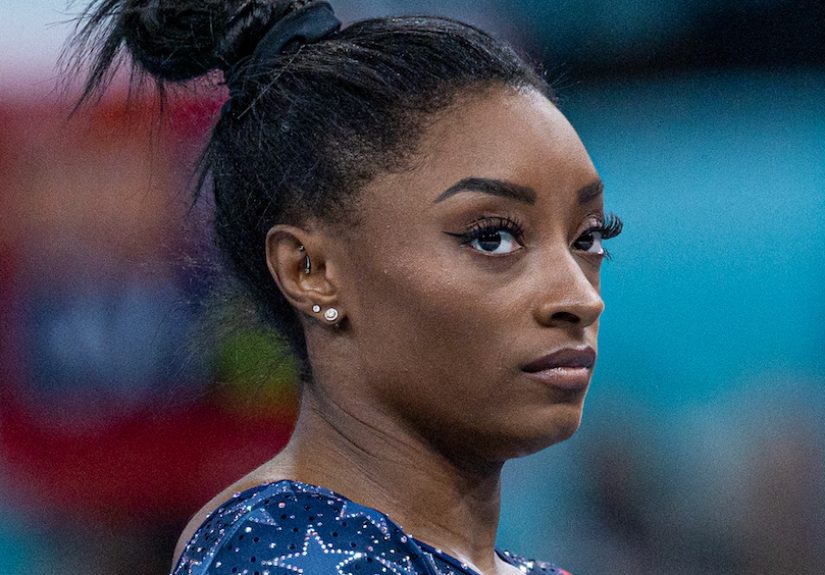
If you’ve ever watched Simone Biles launch into the air like gravity personally offended her, you’ve probably wondered the same thing the internet keeps asking: how much does Simone Biles get paid? The short answer is both simpler and more interesting than most headlines make it sound. Simone Biles does not collect a giant traditional salary just for being Simone Biles, even though, frankly, the woman has earned the right to invoice the atmosphere. Instead, her wealth comes from a mix of endorsement deals, Olympic and world competition bonuses, appearances, licensing, and the kind of personal brand power that turns athletic excellence into serious business.
That is why the conversation around Simone Biles’ net worth in 2024 is a little tricky. Annual earnings are easier to estimate than total wealth, and different outlets published different net-worth figures during the year. Still, when you line up the most credible reporting with official partner information, a clear picture emerges: Biles’ income in 2024 was driven far more by endorsements and brand partnerships than by medals alone, and her net worth was widely estimated in the high-teens to mid-$20 million range.
In other words, yes, Simone Biles is paid like a superstar. No, it is not because Olympic gymnastics comes with a cushy weekly paycheck and a company car. This is the modern athlete economy, and Biles is one of its smartest, strongest examples.
Simone Biles Does Not Have a Traditional Salary
One of the biggest myths about Olympic athletes is that they receive a regular salary the way NBA, NFL, or MLB players do. Most do not. Gymnastics is especially different. There is no giant league contract waiting at the end of a balance beam routine. Instead, elite gymnasts typically earn money through a patchwork of competition winnings, federation support, sponsor deals, tours, appearances, and related business ventures.
That matters when people ask, “How much does Simone Biles get paid?” because the real answer is not a single neat number. It is a portfolio. Forbes estimated that Biles earned about $7.1 million in 2023, with roughly $7 million coming from endorsements and only a relatively small amount from on-field competition earnings. That split tells you almost everything you need to know. Simone Biles is not rich because medals shower athletes with piles of cash. She is rich because she is one of the most marketable athletes on the planet.
And honestly, that makes sense. Plenty of people can win attention for a weekend. Biles has held it for years. She is not only a champion; she is a comeback story, a cultural figure, a mental health advocate, and a rare athlete whose excellence feels both impossible and oddly relatable. Brands love that combination because fans do too.
So, What Is Simone Biles’ Net Worth in 2024?
Here is the most honest answer: Simone Biles’ exact net worth in 2024 was not publicly disclosed, and the estimates varied. Some 2024 celebrity-finance coverage put her around $16 million, while other later-2024 entertainment and lifestyle outlets floated figures closer to $25 million. That spread is not unusual. Net worth is often estimated from public deals, public-facing assets, past earnings reports, and educated guesswork. Unless Simone Biles personally hands over a spreadsheet and a password-protected accountant folder, nobody outside her financial circle knows the exact number.
So what should readers take away? The safest and most credible framing is that Biles’ net worth in 2024 was likely somewhere in the high teens to mid-$20 millions, with that wealth built largely from endorsements, long-term brand value, and her extraordinary career accomplishments. If you want the cleanest hard number tied to real reporting, her annual earnings estimate of about $7.1 million in 2023 is more concrete than any exact net-worth headline.
That may sound less dramatic than “Simone Biles is worth exactly X dollars,” but it is more accurate. And accuracy ages better than clickbait, just like Simone’s legacy.
How Simone Biles Makes Her Money
1. Endorsements Are the Main Event
Let’s not bury the lede under a pile of chalk dust: endorsements are where the real money lives. Simone Biles has partnered with major brands including Athleta, Visa, Powerade, GK Elite, MasterClass, and Nulo, among others. These are not random one-off brand selfies taken in a dimly lit hotel hallway. They are strategic, high-visibility relationships that tie Biles to sportswear, fitness, lifestyle, education, pet products, and global Olympic marketing.
Athleta has positioned Biles as more than a celebrity face; she has been featured as a central ambassador aligned with empowerment, performance, and confidence. Visa included her on Team Visa for Paris 2024, putting her in one of the most recognizable corporate sponsorship ecosystems in global sports. Powerade built Paris 2024 campaign creative around Biles and her story, emphasizing resilience and the human side of elite performance. GK Elite sells gymnastics apparel in partnership with her, which is especially smart because it connects her fame directly to a product category that naturally overlaps with her fan base. Then there is MasterClass, where she monetizes expertise, and Nulo, which turns even her dog-mom energy into brand equity. Respectfully, that is range.
When a star athlete can move across apparel, media, performance, lifestyle, and household consumer categories, that athlete becomes far more valuable than someone tied to a single niche. That is exactly what Biles has done.
2. Olympic Medal Bonuses Help, but They Are Not the Whole Story
Olympic medals do come with money for Team USA athletes, but the bonuses are modest compared with endorsement income. During the Paris Olympics, widely reported U.S. medal bonuses were $37,500 for gold, $22,500 for silver, and $15,000 for bronze. Those checks are meaningful, especially for athletes in less commercialized sports, but they are not life-changing in the same way a major sponsor deal can be.
That is why Simone Biles’ medal count is financially important without being the whole business model. Her Olympic success creates the visibility, credibility, and emotional connection that make brands want to work with her. The medals are both an achievement and a marketing multiplier. By the end of Paris 2024, Biles had added more Olympic hardware to a career that already made her one of the most decorated gymnasts in history. The medal money itself is nice. The brand value unlocked by those medals is where the truly serious earnings begin.
3. Licensing, Appearances, and Athlete-Driven Products
Biles also benefits from the broader athlete economy: signature products, licensing arrangements, appearances, and content opportunities. Her relationship with GK Elite is a perfect example. When consumers can buy products associated with an athlete, the athlete becomes part of a recurring retail engine rather than just a campaign face. That tends to create more durable earning power over time.
MasterClass works in a different but equally smart way. Instead of just lending her image to a campaign, Biles monetizes her authority and technique. Fans are not simply admiring her; they are buying access to her knowledge. That matters because athlete income increasingly rewards expertise, authenticity, and storytelling, not just fame.
In short, Simone Biles makes money the way premium modern athletes make money: through layered influence. She competes, yes, but she also teaches, represents, inspires, endorses, and sells.
Why Simone Biles Is So Valuable to Brands
Plenty of elite athletes are talented. Very few are Simone Biles-level bankable. So what makes her so valuable?
First, she has unmatched competitive credibility. She is not famous for being famous. She is famous because she is one of the greatest athletes ever, full stop. That gives every partnership a foundation of legitimacy.
Second, she has cross-generational appeal. Kids know her from gymnastics. Adults know her from Olympic history. General audiences know her from headline moments, documentaries, interviews, and cultural conversations about pressure, excellence, and mental health. That broad reach is a dream for marketers.
Third, Biles has something every brand wants and very few people consistently maintain: trust. Her public image is strong, resilient, and human. She does not feel manufactured. She feels earned. That makes consumers more likely to believe she actually belongs in the campaigns she appears in.
And finally, her 2024 comeback amplified all of it. Paris was not just another Olympic appearance. It was a redemption arc, a reminder, and a ratings magnet. Brand value loves a story, and Simone Biles arrived in 2024 with one of the biggest stories in sports.
How Much of Her Wealth Comes From Gymnastics Alone?
Not as much as people think. This is the funny part of the celebrity money conversation: the actual sport often produces the fame, while the fame produces the fortune. Competitive gymnastics gave Biles the platform. Her endorsements and business opportunities turned that platform into wealth.
That does not diminish her athletic accomplishments. Quite the opposite. It shows how rare it is to turn sporting excellence into long-term earning power. Plenty of brilliant athletes win medals. Only a few build a commercial identity that keeps growing year after year. Biles has done both.
So when someone asks whether Simone Biles gets paid a lot for gymnastics, the best answer is this: she gets paid a lot because she is Simone Biles, and gymnastics is the reason the world knows that name.
The Bigger Experience Behind the Money Conversation
There is also a more human side to this topic, and it is worth talking about because money stories are never just about money. They are about value, pressure, visibility, and what audiences choose to reward. Simone Biles’ career offers a fascinating experience in all of that.
For fans, following Biles often feels like watching two stories unfold at once. One is athletic and immediate: the routines, the landings, the medals, the records. The other is economic and cultural: the sponsorships, the commercials, the “net worth” headlines, and the endless debate over how much greatness should pay. That second story says a lot about modern sports. People love Olympic athletes, but they are often surprised to learn that medals alone do not create massive wealth. In many cases, commercial appeal does. That realization changes how fans see the entire system.
Biles also represents the experience of an athlete whose value cannot be measured only by podium finishes. Her openness about mental health, boundaries, and pressure did not weaken her brand. If anything, it made her more meaningful to the public. That is important because athletes, especially women athletes, have historically been expected to be flawless, grateful, and nearly robotic in the way they perform success. Biles changed that conversation. She showed that vulnerability and excellence are not opposites. They can exist in the same person, on the same stage, under the same spotlight.
That lived experience matters financially. Brands increasingly want athletes who connect emotionally, not just statistically. A gold medal is powerful. A gold medal plus authenticity is even more powerful. Biles’ commercial success reflects that shift. She is not simply selling performance wear or beverages. She is attached to ideas people admire: resilience, discipline, confidence, and self-respect.
There is also the experience of scale. Gymnastics is not the NFL. It does not come with the same built-in salary infrastructure or week-to-week contract spectacle. So watching Biles become this financially successful reminds people that women’s sports economics are changing, but not always in the obvious way. Revenue does not always flow first through league checks. Sometimes it flows through personal branding, selective partnerships, media exposure, and the ability to stay culturally relevant between competitions.
For younger athletes, especially girls in gymnastics and Olympic sports, that is a powerful lesson. Biles’ career suggests that success is not only about winning. It is also about building something sustainable. A reputation. A voice. A relationship with fans. A business identity. That does not mean every athlete should become a marketing machine in sneakers. It means the modern sports world increasingly rewards people who know how to turn performance into long-term opportunity.
And for ordinary readers, there is something weirdly comforting in the whole thing. Simone Biles may be a once-in-a-generation athlete, but the core career lesson feels familiar: your value is not only the hardest thing you do in public. It is also the trust you build, the consistency you show, and the story people believe when they hear your name. That is true whether you are flipping over a vault or just trying to make your Tuesday morning meeting slightly less tragic.
Final Takeaway
So, how much does Simone Biles get paid? Not through a standard salary, and definitely not only through medals. The strongest public reporting suggests she earned about $7.1 million in 2023, with the overwhelming majority of that coming from endorsements. Her net worth in 2024 was widely estimated, depending on the outlet, somewhere from the high teens to around $25 million. The exact number is not public, but the overall picture is clear: Simone Biles is one of the highest-earning and most commercially powerful athletes in Olympic sport.
And honestly, it is hard to argue she has not earned every penny. She built her fortune the same way she built her legacy: with outrageous skill, fierce consistency, and the kind of presence that makes the world stop scrolling for a minute and pay attention.