Table of Contents >> Show >> Hide
- Quick Navigation
- What Cats Actually Understand About Apologies
- Before You Apologize: Check the Situation
- The Cat-Friendly Apology: 9 Steps That Work
- Step 1: Stop the scary thing immediately
- Step 2: Create space (yes, even if you “feel bad”)
- Step 3: Soften your body language
- Step 4: Use a calm voice (but don’t narrate a whole documentary)
- Step 5: Offer a “peace offering” the cat actually values
- Step 6: Try the “slow blink” apology
- Step 7: Rebuild trust with predictable routine
- Step 8: Reinforce the behavior you want (instead of punishing what you don’t)
- Step 9: End on a win and walk away
- What NOT to Do (If You Like Having Skin)
- Common “I Messed Up” Scenarios and the Best Apologies
- You stepped on your cat (or the tail)
- You scared your cat with noise (vacuum, blender, dropped pan of doom)
- You tried to force affection (picked them up, hugged them, or pet too long)
- You brought home a new smell (vet visit, new pet, overnight trip)
- You “disciplined” your cat for a normal cat behavior (scratching, jumping, house-soiling)
- How to Tell If Your Cat Forgives You
- Putting It All Together: The Best Apology Is a Safer Life
- Real-Life Apology Experiences and Lessons (Extra )
You’ve committed a feline crime. Maybe you stepped on a tail. Maybe you tried to “just quickly” trim one claw and accidentally invented a new Olympic sport called
Cat vs. Human: The Escape Room. Whatever happened, your cat is now giving you the kind of stare usually reserved for people who clap when a plane lands.
Here’s the good news: you can repair the relationship. The even better news: apologizing to a cat isn’t about dramatic speeches, bouquets of flowers,
or a handwritten letter placed gently beside the litter box (please don’t). It’s about reading cat body language, lowering stress, and rebuilding trust with
consistent, cat-friendly signals.
This guide pulls together practical advice from veterinary and feline-behavior resources: what your cat is communicating, why “discipline” backfires, and the
steps that most reliably turn “You are dead to me” into “Fine. Sit there. I might exist near you again.”
Quick Navigation
- What Cats Actually Understand About Apologies
- Before You Apologize: Check the Situation
- The Cat-Friendly Apology: 9 Steps That Work
- What NOT to Do (If You Like Having Skin)
- Common “I Messed Up” Scenarios
- How to Tell If Your Cat Forgives You
- Real-Life Apology Experiences and Lessons
- SEO Tags (JSON)
What Cats Actually Understand About Apologies
Cats don’t process apologies like humans do. They’re not decoding the meaning of “I’m sorry” and weighing your sincerity on a mental scale. But cats are
excellent at reading patterns, tone, body posture, and whether you are currently acting like a calm, predictable giantor a chaotic thundercloud
wearing socks.
In other words, your cat “accepts an apology” when you successfully communicate three things:
- You are not a threat right now.
- The environment is safe again.
- Good things happen near you.
That’s why effective cat apologies look like: giving space, using gentle signals, and pairing your presence with positive experiences (treats, play, comfort,
routine). It’s less courtroom drama, more “trust rehabilitation program.”
Before You Apologize: Check the Situation
1) Make sure your cat isn’t hurt
If the incident involved a fall, a door, a tail, or any “thunk + sprint away” combination, do a quick safety check. If your cat is limping, hiding unusually,
breathing oddly, yowling, or won’t eat, call a veterinarian. Pain can make cats defensive or reactive, and no apology works well when your cat feels unsafe in
their own body.
2) Read the room (aka the whiskers, ears, tail, and pupils)
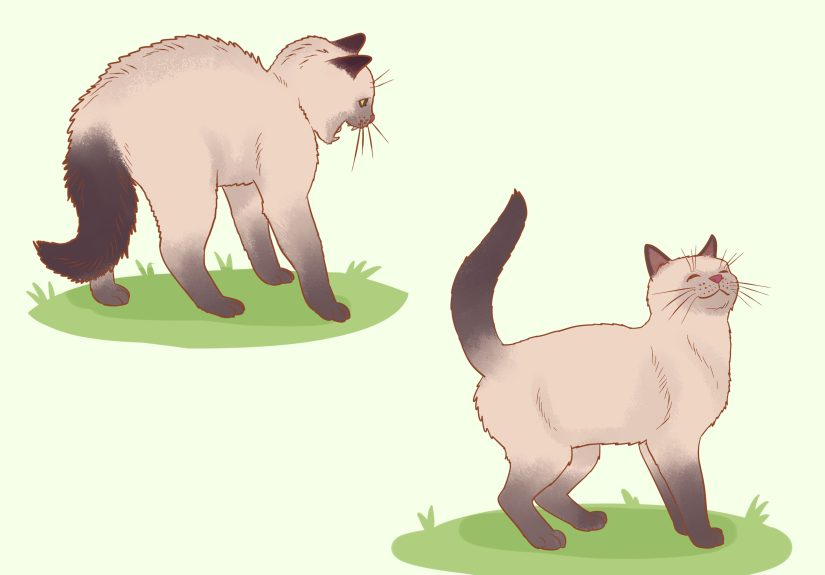
Cats broadcast discomfort through body languageoften before they swat, bite, or flee. Watch for signals like flattened ears, tucked tail, crouching, hissing,
growling, or dilated pupils. Those are “please increase distance” messages, not invitations to scoop them up for a hug.
3) Accept that “calm down” takes time
Humans love deadlines. Cats love not being rushed. After a scare, many cats need real decompression timesometimes longer than you expect. Your job is to
create conditions for calm, not force the emotional timeline.
The Cat-Friendly Apology: 9 Steps That Work
Step 1: Stop the scary thing immediately
The fastest apology begins with: stop doing the thing that upset your cat. Turn off the vacuum. Put down the nail clippers. End the
“surprise belly rub experiment.” If your cat is fearful or defensive, the most helpful move is often non-action.
Step 2: Create space (yes, even if you “feel bad”)
A common human instinct is to approach, talk, reach, and “make it better” with contact. For many cats, that reads as doubling down. Instead, give space.
Let your cat choose distance. If they’re hiding, allow it. Hiding is a safety strategy, not a personal attack on your character.
Step 3: Soften your body language
Cats notice posture. If you loom, stare, or march toward them, you look like a large predator with excellent dental insurance. Do the opposite:
- Turn your body slightly sideways instead of facing head-on.
- Move slowly and smoothly.
- Lower yourselfsit or crouch at a respectful distance.
- Avoid prolonged direct eye contact.
Step 4: Use a calm voice (but don’t narrate a whole documentary)
A quiet, gentle voice can help reset the vibe. Keep it brief. The goal isn’t to convince your cat with logic. The goal is to sound predictable and safe.
If you’re stressed, your cat will likely pick up on thatso breathe first, then speak softly.
Step 5: Offer a “peace offering” the cat actually values
Some cats want treats. Others want play. Some want to be left alone with dignity and a sunbeam. Choose the right currency:
- High-value treat (tiny piece, placed nearby, not shoved toward their face).
- Interactive play with a wand toy (distance-friendly and confidence-building).
- Comfort items: a cozy bed, familiar blanket, or a quiet room.
The key is choice. Put the good thing within reach and let your cat decide whether to engage.
Step 6: Try the “slow blink” apology
In cat communication, relaxed eye-narrowing and slow blinking are often associated with calm, friendly intent. Try this:
look at your cat softly (not a laser-beam stare), slowly close your eyes, pause, then open gently. Think: “I’m peaceful,” not “I’m plotting.”
If your cat slow-blinks back, you may have just received the closest thing cats offer to “We’re cool… for now.”
Step 7: Rebuild trust with predictable routine
Cats feel safer when life is consistent. After a stressful moment, routine becomes a relationship repair tool:
meals at normal times, clean litter, familiar play sessions, and the usual bedtime rituals. Predictability lowers overall stress and helps your cat stop
anticipating surprises.
Step 8: Reinforce the behavior you want (instead of punishing what you don’t)
If your cat reacts by hiding, swatting, or avoiding you, it’s tempting to “correct” them. But many veterinary behavior resources warn that punishment
can increase fear and make problem behaviors worse. Instead, reward calm moments:
a treat when your cat approaches, gentle praise when they stay relaxed, play when they show curiosity.
Step 9: End on a win and walk away
Your apology is not complete when you feel forgiven. It’s complete when your cat feels safe. If your cat takes the treat, watches you calmly, or
re-enters the room, that’s progress. Don’t over-celebrate by lunging in for a cuddle. Take the win. Leave them wanting more (and by “more,” I mean
“more personal space with optional snacks”).
What NOT to Do (If You Like Having Skin)
- Don’t punish (yelling, scolding, squirting water). It can create fear, avoidance, and a shaky bond.
- Don’t chase a hiding cat or drag them out “to make up.” That’s not an apology; that’s a sequel.
- Don’t stare like you’re challenging them to a duel at high noon.
- Don’t force handling when your cat is tenseespecially if ears are back and tail is whipping.
- Don’t reward panic with frantic attention. Calm reassurance is fine; frantic hovering can escalate the stress.
Common “I Messed Up” Scenarios and the Best Apologies
You stepped on your cat (or the tail)
Immediate steps: freeze, soften, and give space. Place a treat nearby and sit down. Avoid grabbing. If your cat bolts, allow a quiet recovery period,
then reintroduce yourself with slow blinks and food at a distance. Monitor for limping or sensitivitytails and paws deserve respect.
You scared your cat with noise (vacuum, blender, dropped pan of doom)
Reduce the noise source and give your cat a refuge room. Later, pair your presence with calm activitiestreats, gentle play, and normal routine.
If the noise happens regularly, consider setting up predictable “safe zone” access before the chaos begins.
You tried to force affection (picked them up, hugged them, or pet too long)
Apologize by respecting consent. Offer short, optional interactions: sit nearby, slow blink, and let your cat initiate. If they approach, keep petting
brief and focus on areas many cats prefer (often around facial glands), then pause and see if they want more.
You brought home a new smell (vet visit, new pet, overnight trip)
Cats can react strongly to unfamiliar scents. Support a calm re-entry: keep routine, provide hiding spots and vertical spaces, and consider scent strategies
that make “home smell” feel safe again (familiar bedding can help). Give your cat time to investigate at their pace, and use treats or play to create positive
associations near the new smell.
You “disciplined” your cat for a normal cat behavior (scratching, jumping, house-soiling)
First: forgive yourself. Lots of people were taught the wrong playbook. Second: reframe the behavior as communication or instinct, not spite.
Your best apology is upgrading the environment: better scratching options, perches, more play, cleaner litter, and stress reductionthen rewarding your cat
for using the preferred alternatives.
How to Tell If Your Cat Forgives You
Forgiveness in cats looks less like a dramatic reunion and more like… a gradual resumption of normal reality. Signs you’re back in good standing include:
- They re-enter the room and choose to stay.
- Body language relaxes: ears neutral, tail loose, posture less crouched.
- They accept treats or play in your presence.
- They slow-blink or soften their eyes when looking at you.
- They do normal cat things again (grooming, napping, casual judgment).
Some cats bounce back quickly; others need more time, especially after repeated stressful events. If your cat’s fear or aggression seems intense, frequent, or
escalating, consider speaking with a veterinarian or qualified behavior professional. Sometimes behavior is tied to medical discomfort or chronic stressand the
best apology includes getting help.
Putting It All Together: The Best Apology Is a Safer Life
If you remember one thing, make it this: cats forgive when they feel safe. A great cat apology is quiet, patient, and respectful. It’s space plus softness,
routine plus rewards, and a clear message that your homeand your handsare predictable again.
Your cat may never say, “I accept your apology.” But one day, they’ll hop onto the couch, settle near you, and purr like nothing happened.
And you’ll know: the case has been dismissed. Court adjourned. Snacks may now be paid as emotional damages.
Real-Life Apology Experiences and Lessons (Extra )
Cat people swap apology stories the way hikers swap “I definitely almost got eaten by a bear” storiesexcept our villains are lint rollers, pill bottles, and
that one squeaky stair that sounds like a dinosaur learning tap dance.
The Tail Step That Launched a Thousand Treats
A classic: you shuffle through the kitchen in socks, your cat teleports behind you (because of course), and suddenly you’ve stepped on a tail. Many owners
describe the same sequence: a startled yelp, a sprint under the bed, and then the human standing there whispering, “I’m sorry, I’m sorry,” like a guilty ghost.
The best lesson from these stories is simple: don’t chase the cat. People who tried to immediately scoop their cat up often reported a second round of panic.
People who sat down, stayed quiet, and placed a treat nearby frequently saw their cat peek out soonercurious, cautious, and willing to renegotiate peace.
The Overconfident Belly Rub Incident
Another common confession: “He rolled over, so I thought it was an invitation.” The belly trap has claimed thousands of well-meaning hands. In many shared
experiences, the apology that worked wasn’t more pettingit was less. Owners who paused, gave space, and waited for their cat to re-initiate contact
tended to rebuild trust faster than those who kept trying to “win” the cuddle. The practical takeaway: consent matters. Cats can show their belly as a relaxed
greeting, not a touch-here sign. If your cat swats, they’re not being “mean”they’re giving feedback with the urgency of a customer service complaint.
The Vacuum Cleaner Betrayal
Some apologies are less personal and more… appliance-related. Many cats treat the vacuum as a roaring metal predator that eats crumbs and could, at any moment,
develop a taste for toes. Owners who improved this situation often did two things: they created a reliable safe room before vacuuming, and they made the
post-vacuum period pleasanttreats, play, calm attention. Over time, cats learned that “vacuum time” predicts “safe hideout + snacks afterward,” which is
basically the feline version of coping skills.
The Medication Meltdown and the Long Game
Giving medicine can feel like ruining the friendship on purpose. Plenty of cat parents report that after pilling or applying drops, their cat avoided them for
hours. The repair strategy that comes up again and again is the long game: keep routine steady, add extra positive moments that have nothing to do with
medication, and use tiny rewards for calm cooperation. Even if your cat doesn’t love the process, they can learn that you’re still the provider of comfort and
good thingsnot just the person who briefly became a pharmacist-wrestler.
The Best “Apology” Someone Ever Made to Their Cat
The most effective real-life apologies often aren’t a single moment. They’re environmental upgrades: adding a tall perch near the action, scheduling short play
sessions, placing scratchers where the cat already wants to scratch, improving litter box access, and keeping the household calmer. When owners describe a
noticeable shiftmore affection, less hiding, fewer “I will bite your soul” warningsit’s usually because the cat’s day-to-day stress got lower. And that’s the
ultimate lesson: your cat doesn’t need a dramatic apology. Your cat needs a life that feels safe, predictable, and worth rejoining.