Table of Contents >> Show >> Hide
- What Does “Soft Peaks” Actually Mean?
- Why Soft Peaks Matter in Baking
- What You Need Before You Start
- How to Beat Egg Whites to Soft Peaks, Step by Step
- How to Tell If You’ve Nailed It
- Common Mistakes That Sabotage Soft Peaks
- Can You Fix Overbeaten Egg Whites?
- Hand Whisk, Hand Mixer, or Stand Mixer?
- Best Uses for Soft-Peak Egg Whites
- How to Fold Soft-Peak Whites Without Destroying Them
- Conclusion
- Real Kitchen Experiences: What Soft Peaks Feel Like in Practice
- SEO Tags
Egg whites have a talent for making home bakers feel dramatically underqualified. One minute they’re clear, slippery blobs. The next, a recipe expects you to transform them into glossy clouds with “soft peaks” as if that phrase should be as obvious as “toast is done when it’s toasted.” But once you know what to look for, beating egg whites to soft peaks is less mystical kitchen wizardry and more simple pattern recognition with a whisk.
This guide breaks down exactly what soft peaks are, why they matter, how to get there without overthinking it, and how to avoid the classic mistakes that leave you with sad foam, grainy fluff, or an arm workout you never asked for. Whether you’re making waffles, soufflé, chiffon cake, sponge cake, or a meringue-based dessert, this is the stage that gives batters lift, tenderness, and that “how is this so airy?” effect.
What Does “Soft Peaks” Actually Mean?
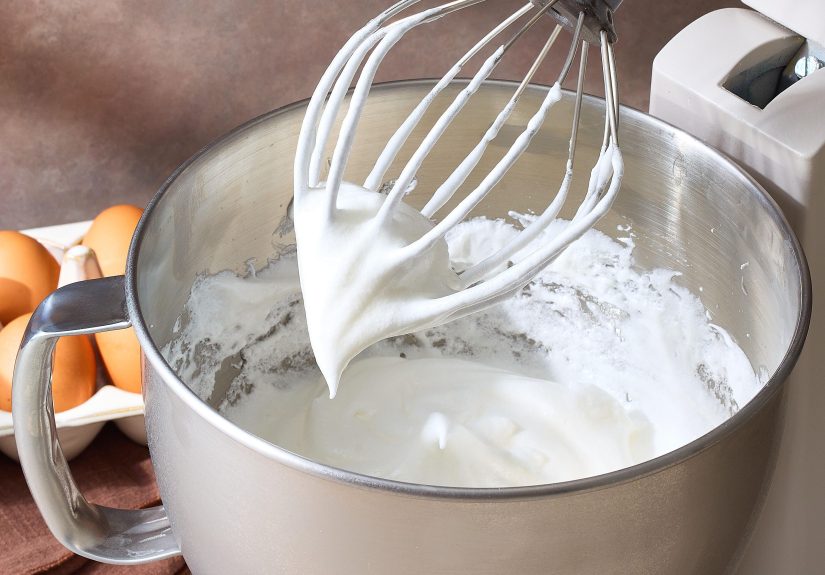
Soft peaks are a stage of whipped egg whites where the foam is white, opaque, and light enough to hold a shape for a moment, but still soft enough that the tip droops over when you lift the whisk or beaters. Think of a peak with commitment issues. It rises up, then politely bends at the top instead of standing at full attention.
This stage matters because it gives structure without making the foam too tight or dry. In recipes where beaten egg whites are folded into another mixture, soft peaks often blend more smoothly than stiff peaks. You get lift and lightness, but the whites are still flexible enough to fold in without turning the batter into a lumpy snowdrift.
In other words, soft peaks are the sweet spot between “still basically egg slime” and “you went too far, captain.”
Why Soft Peaks Matter in Baking
When you beat egg whites, you’re forcing air into a protein-and-water mixture. The proteins unravel and form a network around tiny air bubbles, creating foam. That foam can lighten cakes, help soufflés rise, give pancakes extra loft, and build the base for meringues and frostings. The stage you stop at changes the final result.
Soft peaks are especially useful in recipes that need a delicate, flexible foam. Chiffon cakes, sponge cakes, soufflés, and some waffle and pancake batters often rely on this stage because the whites need to fold in easily. If you beat them too much, they become drier and harder to incorporate. Then you wind up deflating the batter while trying to save it, which is the baking equivalent of tripping at the finish line.
What You Need Before You Start
Fresh eggs, separated correctly
Cold eggs are easier to separate because the yolks stay firmer. So separate them straight from the fridge, then let the whites sit for about 20 to 30 minutes so they can warm slightly. Room-temperature egg whites generally whip with better volume than icy-cold ones.
A clean, dry bowl
This part is not baking snobbery. Egg whites hate grease. Even a little fat from butter, oil, or broken yolk can slow down foaming and reduce volume. Use a bowl and beaters that are thoroughly clean and completely dry. Stainless steel and glass are reliable choices. Plastic can hang onto greasy residue, even after washing, which makes it a little less trustworthy.
The right equipment
You can use a balloon whisk, hand mixer, or stand mixer with a whisk attachment. A stand mixer is easiest for larger batches. A hand mixer is great for everyday baking. A whisk works too if you’re determined, energetic, or processing something emotionally.
An optional stabilizer
A small amount of acid such as cream of tartar, lemon juice, or vinegar can help stabilize the foam, especially in recipes that need more security. It is not always required, but it can make the process more forgiving. If your recipe includes one, do not treat it like decorative paperwork.
How to Beat Egg Whites to Soft Peaks, Step by Step
1. Separate carefully
Crack each egg into a small bowl first, then transfer the white to your mixing bowl once you know no yolk came along for the ride. This prevents one rogue yolk from ruining the whole batch. If a tiny speck of yolk falls in, you may still be able to whip the whites, but it is better to remove it if possible and avoid larger contamination.
2. Let the whites warm up slightly
Leave the whites at room temperature for a short time while you prep the rest of your ingredients. This helps them whip more efficiently and build better volume. You do not need them warm; you just do not want them refrigerator-stiff.
3. Start on low or medium speed
Dumping the mixer straight onto high speed can create large, unstable bubbles before the protein structure has time to organize itself. Start on low or medium until the whites turn foamy. Once they look bubbly and slightly opaque, increase the speed.
4. Watch for the stages
Egg whites move through a few clear phases. First they’re bubbly and loose. Then they become foamy and white. Then they thicken into a smoother, fluffier mass. Soft peaks arrive when the foam looks creamy and the lifted whisk forms a peak that folds over gently at the tip.
If you pull the whisk out and the peak stands straight up like it just got promoted, you are in firm or stiff peak territory. That may be perfect for another recipe, but it is no longer soft peaks.
5. Add sugar only when the recipe calls for it
If you are making a meringue, sugar is usually added gradually after the whites are already foamy, not at the very beginning. Adding sugar too early can reduce volume. Add it slowly so it dissolves properly and does not weigh the foam down. If the mixture feels gritty, keep beating until it feels smooth.
6. Stop as soon as you hit soft peaks
This is where a lot of bakers get into trouble. They see lovely foam, think, “Maybe just 20 more seconds,” and suddenly the whites are stiff, clumpy, or headed toward dry. Once soft peaks form, stop and assess. The mixer is not grading you on enthusiasm.
How to Tell If You’ve Nailed It
Soft peaks should look smooth, glossy, and softly structured. The foam will hold shape in the bowl, but the tip of the peak will curl down when you lift the whisk. It should not look watery, grainy, chunky, or matte. If the whites slide around like foam on dishwater, they are underbeaten. If they look dry, curdled, or start separating, they are overbeaten.
A good visual test is to lift the whisk slowly and hold it upright. The peak should rise, bend, and relax. Not collapse instantly. Not stand like a tiny frozen mountain. You’re aiming for elegant flop, not total surrender or military posture.
Common Mistakes That Sabotage Soft Peaks
Using a greasy bowl
Fat interferes with the formation of a stable foam. Wash the bowl and whisk well, and if you want to be extra cautious, wipe the bowl with a little vinegar or lemon juice, then dry it thoroughly.
Letting yolk sneak in
Egg yolk contains fat, so too much of it can interfere with whipping. A microscopic dot is not always a death sentence, but clean separation still gives you the best odds.
Starting too aggressively
High speed right away can produce bigger bubbles that are less stable. Build the foam gradually for a smoother, stronger structure.
Adding sugar too early or too fast
Sugar can stabilize foam, but timing matters. Too soon and you may lose volume. Too quickly and you may end up with a heavy or gritty mixture.
Overbeating
This is the big one. Overbeaten whites become dry, grainy, and harder to fold into batter. In extreme cases, they begin to separate and lose the very air you worked so hard to trap.
Can You Fix Overbeaten Egg Whites?
Sometimes, yes. If the whites are only slightly overbeaten, you may be able to rescue them by whisking in one additional fresh egg white just until the texture smooths out. This will not perform miracles if the mixture is fully broken, but it can help if you caught the problem early. Still, prevention is easier than rescue, and also better for your mood.
Hand Whisk, Hand Mixer, or Stand Mixer?
All three can work. A whisk gives you the most control, which some bakers love for delicate recipes. A hand mixer is fast and practical for small to medium batches. A stand mixer is excellent when you need volume or want both hands free to dramatically read the next step of the recipe.
No matter what tool you use, the rule stays the same: stop and check often once the whites begin to thicken. Soft peaks can arrive faster than expected, especially with a stand mixer.
Best Uses for Soft-Peak Egg Whites
Soft peaks are ideal when the foam needs to be folded into another base without a fight. You’ll commonly see this stage in chiffon cakes, soufflés, sponge cakes, mousse-style desserts, waffles, and pancakes that lean on whipped whites for lift. Some frosting and meringue recipes also pass through soft peaks before moving on to firmer stages.
If a recipe tells you to beat to soft peaks, do not assume stiff peaks are “extra good.” Baking is not a more-is-more sport. Stronger is not always better. Sometimes the right answer is simply lighter, softer, and a little more cooperative.
How to Fold Soft-Peak Whites Without Destroying Them
Once you’ve beaten the whites properly, the next challenge is not flattening them into oblivion. Start by mixing a small amount of the whites into the heavier base to lighten it. Then gently fold the rest in with a spatula, using broad strokes that go down through the middle, across the bottom, and up the side of the bowl. Rotate the bowl as you go.
Do not stir like you’re mixing soup. Folding is slow and intentional. A few streaks are better than overmixing. The goal is to preserve as much trapped air as possible, because that air is the lift.
Conclusion
Beating egg whites to soft peaks is one of those kitchen skills that sounds fussy until you understand the signs. Then it becomes wonderfully manageable. Separate cold eggs, let the whites warm slightly, use a spotless bowl, begin at a moderate speed, and stop when the peaks bend over gently. That’s it. No mystery. No dramatic baking prophecy. Just a clear visual cue and a little timing.
Once you learn the difference between foamy, soft peaks, and stiff peaks, recipes start making a lot more sense. Your batters fold better. Your cakes rise more gracefully. Your soufflés look less nervous. And you stop treating egg whites like tiny edible riddles.
Master soft peaks once, and suddenly a whole category of baking becomes less intimidating and a lot more fun. Which is ideal, because dessert should not feel like an ambush.
Real Kitchen Experiences: What Soft Peaks Feel Like in Practice
If you bake often, chances are you have already had at least one “I thought this was soft peaks” moment. Usually it starts with confidence. The whites look fluffy, the mixer is humming, and everything seems under control. Then you lift the whisk and hesitate. Is that a soft peak? A firm peak? A cloud with opinions? This is where many home bakers realize that recipe vocabulary sounds very simple until the bowl is actually in front of them.
One of the most common experiences is stopping too soon. Underbeaten whites look promising because they become white and foamy fairly quickly, but the structure is still weak. When they are folded into batter, they disappear almost instantly, and the final cake or waffle turns out flatter than expected. It feels confusing because the mixture looked “whipped.” In reality, it was just enthusiastic foam, not stable foam.
The opposite experience is even more common: beating a little too long because the whites look so good that it seems impossible they could become a problem in another ten seconds. Then suddenly the texture changes. Instead of glossy and supple, the whites look thicker, drier, and a little clumpy. They still seem usable, so you proceed, but folding them into the batter becomes awkward. The whites resist blending, and you wind up working harder, which knocks out the air you just created. The final result may still taste good, but it often loses some of the lightness the recipe promised.
There is also the very relatable experience of discovering that bowl cleanliness matters more than expected. Many bakers learn this after reusing a bowl they thought was clean enough. The whites refuse to whip properly, and it feels like a personal betrayal. In truth, it is usually just a trace of grease. This is why experienced bakers become mildly obsessive about clean metal or glass bowls. It is not drama. It is pattern recognition earned the hard way.
Another real-world lesson comes from timing. Soft peaks can take longer than expected when you start slowly, which tempts people to crank the speed immediately. But gradual whipping tends to build a smoother, more stable foam. Once bakers experience the difference, they stop chasing speed and start watching texture instead. That is often the turning point when egg whites stop feeling mysterious.
Then there is the moment of success, which is surprisingly satisfying for such a quiet skill. You lift the whisk, the peak rises and curls over neatly, and you know instantly that you got it right. No guessing. No panic. Just a small, glorious kitchen victory. After that, recipes that once seemed intimidating become much easier to approach because the phrase “beat egg whites to soft peaks” no longer sounds like a threat. It sounds like a step you know how to handle.
That is the real demystification: not memorizing a fancy definition, but recognizing the feel, look, and behavior of properly whipped whites in your own kitchen. Once you have seen it a few times, soft peaks stop being abstract. They become practical, familiar, and surprisingly dependable.