Table of Contents >> Show >> Hide
- What “Low Cost” Really Means (and How to Keep It That Way)
- Step 1: Pick Your Space Like a Strategist (Not Like a Pinterest Board)
- Step 2: Set a Budget That Matches Your Goal (Not Your Optimism)
- Step 3: Buy the “Big Impact” Equipment First
- Step 4: Protect Your Floor, Your Ears, and Your Motivation
- Step 5: Build Your Home Gym in Budget Tiers (Real Examples)
- Step 6: Save Money Like a Pro (Without Buying Trash)
- Step 7: Program Your Workouts So the Gear Pays Off
- Step 8: Avoid Common Home Gym Mistakes
- Low Cost Home Gym “With Pictures” Mini-Guide
- Conclusion: Your Cheap Home Gym Can Be Better Than the Expensive One
- Additional : Real-World Experiences People Have Building a Low-Cost Home Gym
Between gym memberships that auto-renew like they’re powered by dark magic and “budget” treadmills that cost the same as a used car,
building a home gym can feel like a prank. The good news: you can create a legit, effective home gym for way less than most people think
and it doesn’t require a garage the size of an aircraft hangar.
This guide shows you how to build a low-cost home gym using smart priorities, a little DIY energy, and equipment that actually earns its floor space.
You’ll get setup ideas for small apartments, spare bedrooms, patios, and garagesplus example shopping lists at different budgets.
(And yes, we’ll include “with pictures” prompts so you can visualize it even before your first set of squats.)
What “Low Cost” Really Means (and How to Keep It That Way)
A low-cost home gym isn’t the cheapest possible pile of stuffit’s the best cost-per-use for your goals. The trick is to buy
versatile pieces first (the kind you can use for 50+ exercises), then add upgrades only when you’ve outgrown what you have.
Quick mindset check: the “3V Rule”
- Versatile: Can it train multiple movement patterns (push, pull, squat, hinge, carry, core)?
- Visible: Will you actually use it where it lives (not buried behind holiday decorations)?
- Verifiable: Does it solve a real training need you can name in one sentence?
Step 1: Pick Your Space Like a Strategist (Not Like a Pinterest Board)
You don’t need much room. You need enough room to move safely and store your gear so it doesn’t become a tripping obstacle course.
Start with a basic footprint:
Minimum space guidelines
- Bodyweight + bands: roughly the size of a yoga mat, plus arm clearance.
- Dumbbells/kettlebell: mat space + a little extra for swings/rows.
- Barbell setup: more room, more rules, and more floor protection (we’ll cover upgrades later).
Choose your “home gym zone”
- Apartment corner: quiet, compact tools (bands, adjustable dumbbells, mat, door anchor).
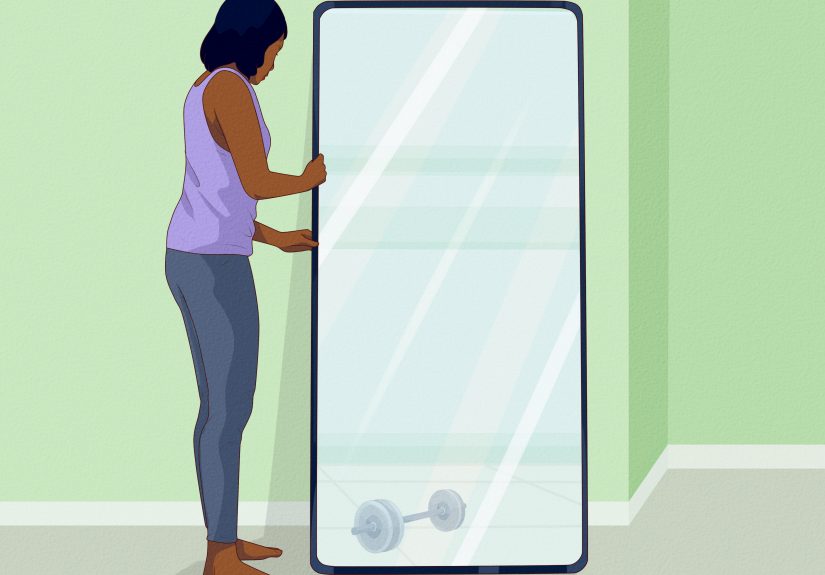
- Spare room: add a bench, a storage rack, and a mirror if you want form feedback.
- Garage/basement: bigger optionsjust prioritize flooring and ventilation.
Step 2: Set a Budget That Matches Your Goal (Not Your Optimism)
Before you buy anything, decide what you’re training for. Fat loss, strength, mobility, general health, or “I want to carry groceries in one trip”
are all valid goalsbut they don’t require the same gear.
Simple goal-to-gear mapping
- General fitness: mat, resistance bands, a way to load legs (dumbbells/kettlebell), and something for pulling (bands/rows).
- Strength focus: adjustable dumbbells first; add a bench later. A pull-up bar if your door frames aren’t made of tissue paper.
- Cardio at home: jump rope, brisk incline walks, step-ups, or a used bike/rower if you find a deal.
- Mobility + joint-friendly training: bands, light weights, and a consistent plan beats fancy machines.
Health authorities generally recommend weekly aerobic activity plus at least two days of muscle-strengthening work, so even a small setup can cover
the essentials if you program it well.
Step 3: Buy the “Big Impact” Equipment First
Your first purchases should be boring in the best way: affordable, durable, and useful for a ridiculous number of exercises.
Here’s a budget-friendly core kit that scales with you.
1) A workout mat (your floor’s best friend)
A mat makes floor work comfortable and protects surfaces from sweat and light impacts. If you’re in a shared building,
it also helps reduce noise (your downstairs neighbor does not need to experience your burpees in surround sound).
2) Resistance bands (the Swiss Army knife of cheap strength)
Bands are low cost, easy to store, and can train warmups, mobility, accessory strength, and even heavier movements with the right setup.
Get a set with multiple resistance levels so you can progress without buying a new band every time you get stronger.
- Best for: rows, presses, pulldowns (with a door anchor), glute work, face pulls, assistance for pull-ups.
- Bonus: bands are great for joint-friendly training and “do it anywhere” workouts.
3) Adjustable dumbbells (space-saving strength)
If you can only buy one “serious” strength tool, adjustable dumbbells are usually the best value for most people:
presses, rows, goblet squats, lunges, Romanian deadlifts, carries, and morewithout taking over your living room.
Tip: choose a set that fits your training style. If you like quick transitions and supersets, a faster adjustment mechanism matters.
If you don’t mind taking a minute between sets, simpler spinlock styles can be cheaper.
4) One kettlebell (optional, but incredibly useful)
A single kettlebell can cover swings, goblet squats, cleans, presses, and loaded carries. It’s also a nice “cardio-strength hybrid”
when you’re short on time.
5) A pull option (because backs deserve love too)
Many beginner home setups accidentally become “push-only gyms.” Fix that with one of these:
- Door-anchor bands: rows and pulldowns (quiet and apartment-friendly).
- Pull-up bar: if your door frame is solid and you install it correctly.
- DIY row station: a sturdy table for inverted rows (test stability first).
Step 4: Protect Your Floor, Your Ears, and Your Motivation
Flooring on a budget
Flooring isn’t glamorous, but it’s one of the smartest “hidden” investments. Interlocking tiles or rubber-style gym flooring options can help
protect floors and reduce noiseespecially important if you’re training in a living space.
- Apartment tip: prioritize quiet gear (bands, controlled dumbbell work, mat-based training).
- Garage/basement tip: consider thicker flooring in areas where weights may be set down.
Storage that prevents “I can’t work out because it’s a mess”
A home gym fails when setup feels like a second workout. Keep it simple:
- Wall hooks for bands and jump rope
- A small shelf or cube organizer for accessories
- A basket for towels, chalk, or grips
Step 5: Build Your Home Gym in Budget Tiers (Real Examples)
Below are example builds that work for real people with real budgets. Prices vary by brand, sales, and whether you buy new or used
but the structure stays the same: start versatile, then upgrade.
Tier A: Under $100 “The Consistency Starter Kit”
- Workout mat
- Resistance band set + door anchor
- Jump rope (optional)
What you can train: full-body strength (band rows, presses, squats), mobility, core circuits, and cardio intervals.
This tier is perfect if your main goal is to build the habit and you’re tight on space.
Tier B: Around $250–$400 “Small Space Strength”
- Everything in Tier A
- Adjustable dumbbells
- Optional: a single kettlebell or a second band set
What you can train: progressive overload for most major muscle groups with minimal footprint. This is where the home gym
starts to feel like a real gym (minus the guy doing curls in the squat rack).
Tier C: Around $500–$800 “Serious Beginner-to-Intermediate Setup”
- Everything in Tier B
- Adjustable bench (flat/incline)
- Heavier resistance bands or a second dumbbell range
- Flooring upgrade for the lifting zone
What you can train: stronger presses, better rows, more leg options, and longer-term progressionwithout needing a barbell setup yet.
Step 6: Save Money Like a Pro (Without Buying Trash)
Buy usedstrategically
Used equipment can be a goldmine. People often buy gear in a burst of motivation, then sell it when their living room starts feeling like a sporting goods store.
Focus on items that age well:
- Great used buys: dumbbells, kettlebells, benches (inspect stability), weight plates (if you later go barbell).
- Be careful used: bands (can degrade), anything with moving parts (cheap treadmills can become expensive coat racks).
Skip “single-use” gadgets
If a piece of equipment trains only one movement and you’re on a budget, it better be your favorite movement on Earth.
Early on, versatility wins.
DIY upgrades that actually work
- Step-up platform: a sturdy step or box (check stability and weight limits).
- Pull assistance: bands + door anchor for pulldowns and rows.
- Sandbag training: a durable bag can add low-cost “functional weight” for carries and squats (secure the filling properly).
Step 7: Program Your Workouts So the Gear Pays Off
Equipment is only half the battle. The other half is doing something consistent with it. A simple full-body plan is usually best for beginners,
especially if you’re training at home with limited tools.
A simple 3-day full-body template (45 minutes)
- Warm-up (5–8 min): brisk walk in place, hip hinges, band pull-aparts, bodyweight squats
- Lower body (10–12 min): goblet squats or split squats (dumbbell/kettlebell)
- Upper push (8–10 min): push-ups or dumbbell floor press
- Upper pull (8–10 min): band rows or one-arm dumbbell rows
- Hinge + core (8–10 min): Romanian deadlifts + plank variation
- Cool down (2–5 min): easy breathing + light stretching
Progression without drama
Each week, increase just one thing: reps, resistance, sets, or control (slower lowering). Keep it boring and consistent
that’s how it works. If your plan feels complicated, it usually means you’re procrastinating in spreadsheet form.
Step 8: Avoid Common Home Gym Mistakes
Mistake #1: Buying cardio equipment first (when you hate cardio)
If you know you won’t run, don’t buy a treadmill. Choose cardio options you’ll actually do: walking, jump rope intervals, step-ups,
dance workouts, or a used bike if you genuinely enjoy it.
Mistake #2: Ignoring recovery and safety
Start light, focus on form, and build gradually. Home workouts still count as workoutsyour muscles can’t tell whether the dumbbell
came from a fancy gym or your hallway closet.
Mistake #3: Training only what you can see in the mirror
Push-ups and curls are great, but don’t skip pulling movements and legs. A balanced plan helps posture, joint health,
and long-term progress.
Low Cost Home Gym “With Pictures” Mini-Guide
Use these photo prompts to plan your layout and shopping list before you spend money. You can screenshot this section
and keep it as your build checklist.
Picture set 1: The “Apartment Corner Gym”
- Mat centered in a corner
- Bands on a wall hook
- Adjustable dumbbells beside a small shelf
- Door anchor stored in a labeled pouch
Picture set 2: The “Spare Room Upgrade”
- Bench at a slight angle
- Flooring tiles under the lifting zone
- Mirror for form checks
- Small fan for airflow
Picture set 3: The “Garage Gym Starter”
- Wider flooring area
- Wall-mounted storage (hooks/shelves)
- Dedicated corner for warmups and mobility
- Bright lighting for safety
Conclusion: Your Cheap Home Gym Can Be Better Than the Expensive One
A low-cost home gym works when it matches your space, your goals, and your real-life schedule. Start with versatile tools
(bands, adjustable dumbbells, a mat), protect your floor, keep storage simple, and follow a plan you can repeat.
You don’t need a showroomyou need a system.
And remember: the best home gym isn’t the one with the most equipment. It’s the one you’ll actually use on a random Tuesday
when motivation is low and your couch is calling your name like a siren.
Additional : Real-World Experiences People Have Building a Low-Cost Home Gym
When people build a budget home gym, the first surprise is usually how quickly “small” equipment feels substantial once it’s in your home.
A set of resistance bands looks harmless in a shopping cart. At home, it becomes your warm-up station, your shoulder-prehab routine,
your “I only have 15 minutes” workout, and your travel plan when you’re out of town. Many people find that bands are the most-used item
because they remove friction: no setup, no noise, no intimidation. If the goal is consistency, bands quietly win.
The second common experience is the “space honesty” moment. A lot of folks start with big dreamsthen measure their actual workout area
and realize they’ve been mentally training in an imaginary room that does not exist. The fix is easy: commit to a mat-sized zone first.
People who do this tend to stick with training longer because their gym feels approachable. You’re not “going to the gym,” you’re stepping
onto the mat. That psychological trick matters more than you’d think.
Another pattern: beginners often overestimate how much equipment they need and underestimate how much a simple plan delivers.
People report that once they can do controlled squats, hinges, rows, presses, and carries consistently, they feel stronger in daily life:
carrying groceries, climbing stairs, moving furniture, playing with kids. It’s not flashy, but it’s real. Over time, the home gym becomes less
about aesthetics and more about outcomesbetter posture, less back stiffness, improved energy, and the confidence of knowing you can train
without negotiating with traffic and a monthly membership.
Budget builders also learn the “used equipment reality”: the best deals show up right after major motivation seasons (think New Year’s and
early spring). Many people get excellent bargains on dumbbells, benches, and cardio gear from folks who bought with good intentions.
The key lesson is patience. If you can train with bands and bodyweight for a month while you wait for a better deal on adjustable dumbbells,
you often end up with higher-quality gear for less money. Impulse buys usually cost more and get used less.
Finally, people who succeed long-term tend to adopt one simple rule: every new purchase must solve a specific training problem.
For example, “I’ve outgrown my dumbbells for lower-body work, so I need heavier loading,” or “I can’t train pulling patterns well, so I need a
door-anchor setup or a pull-up bar.” This rule prevents the classic home gym spiral where you own five gadgets but still can’t train legs properly.
A low-cost home gym stays low-cost when your upgrades are earned by consistencynot inspired by a late-night scroll.