Table of Contents >> Show >> Hide
- What Annual Ryegrass Is (and What It’s Not)
- Where Annual Ryegrass Works Best in the U.S.
- Step 1: Decide Your Goal (Because “Grow Ryegrass” Means Three Different Things)
- Step 2: Prep the Site (Seed-to-Soil Contact Is the Whole Game)
- Step 3: Seed at the Right Rate (Examples Included, Because Math Happens)
- Step 4: Water Like a Pro (Not Like a Panic Sprinkler)
- Step 5: Fertilize Without Overfeeding (Ryegrass Is Not a Teenage Boy)
- Step 6: Mow It Right (Height = Health + Looks)
- Common Problems (and the Fixes That Actually Work)
- Spring Transition and Termination: Helping the “Real Lawn” Come Back
- Quick Care Cheat Sheet
- Real-World Experiences: The Stuff People Learn After the First Try (About )
- Conclusion: Grow It Fast, Manage It Smart, Enjoy the Green
Annual ryegrass is the “friend who shows up early, sets up the chairs, and makes your yard look put-together”
of the grass world. It germinates fast, fills in bare spots quickly, and can keep a lawn looking green when
your warm-season turf is taking a winter nap. It’s also a legit cover crop and forage grassuseful in fields,
pastures, and even problem spots where erosion is trying to audition for a disaster movie.
This guide walks you through how to grow annual ryegrass successfullywhether you’re overseeding a Bermudagrass
lawn, patching bare soil, or planting it as a cover crop. You’ll get practical seeding rates, watering and
fertilizing tips, mowing heights, and spring “what now?” strategies so annual ryegrass helps you… and doesn’t
turn into a clingy houseguest.
What Annual Ryegrass Is (and What It’s Not)
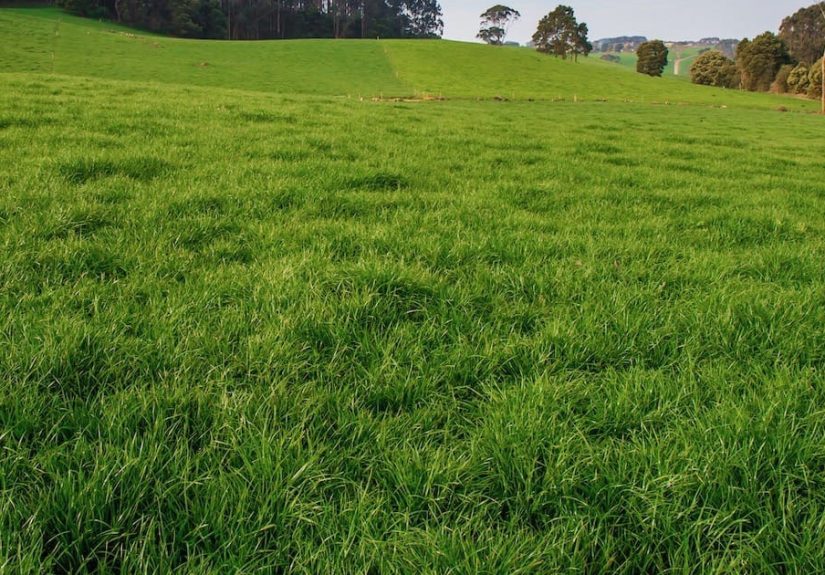
Annual ryegrass (often called Italian ryegrass, botanical name Lolium multiflorum) is a cool-season
grass grown for temporary turf cover, winter color, forage, and cover cropping. It grows quickly, has a dense,
fibrous root system, and doesn’t spread by runners (no stolons or rhizomes). Translation: it won’t “creep” across
your yard like some grasses, but it can thicken up fast in place.
Don’t confuse it with perennial ryegrass (Lolium perenne)a longer-lived turf species often used in
premium lawn mixes. Annual ryegrass is typically coarser, cheaper, and more “utility grass.” It’s great at its
jobjust not trying to be your forever lawn.
Where Annual Ryegrass Works Best in the U.S.
Because it’s a cool-season grass, annual ryegrass grows best in the cooler parts of fall and spring. Your
planting window depends on whether you want it for winter green, spring cover, or field/pasture use:
-
Southern lawns (warm-season turf): plant in fall for winter color. The goal is good establishment
before cold weather and then a clean exit in spring. -
Northern climates: it can be planted in spring for temporary cover or as a nurse grass, but harsh
winters can limit fall plantings unless it establishes well early. -
Fields/pastures/cover crops: planted late summer through fall (and sometimes spring, depending on region
and system) for soil protection, compaction help, or forage.
A reliable timing hack is to follow soil temperature rather than the calendar. Annual ryegrass tends to
germinate best when soil temps are roughly in the 50–65°F range. In many places, that lines up with early fall.
Step 1: Decide Your Goal (Because “Grow Ryegrass” Means Three Different Things)
Annual ryegrass plays three main roles. Pick the one that matches your life:
1) Winter color on warm-season lawns (overseeding)
You want a green winter lawn while Bermudagrass, Zoysiagrass, or similar grasses go dormant. The tradeoff: the thicker
the ryegrass stand, the harder spring transition can be.
2) Quick cover for bare soil or renovations
You want fast germination to reduce erosion and mud, or to protect slower-germinating grasses while they establish.
Think: new construction, heavy traffic, pets, slopes, and “why is my yard only dirt now?”
3) Cover crop or forage
You want roots to help with soil structure, organic matter, nutrient scavenging, or grazing/hay potential.
Management here is more like farming than lawn care (rates and nitrogen strategies differ).
Step 2: Prep the Site (Seed-to-Soil Contact Is the Whole Game)
Annual ryegrass is eagerbut it still needs contact with soil to sprout and survive. Most failures come down to
seed sitting on top of thatch, leaves, or fluffy debris like it’s sunbathing instead of planting.
For overseeding an existing lawn
- Mow lower than normal (without scalping to bare dirt unless your system calls for it).
- Remove clippings if they form mats. Light clippings can be fine; thick piles are not.
-
Open the canopy so seed can touch soil: light raking, dethatching, or aeration can help
(especially on compacted or thatchy lawns). -
Optional but powerful: drag a leaf rake (lightly) or use a broom/drag mat after seeding
to work seed down into the turf.
For bare soil (repair spots, new areas, erosion control)
- Loosen the top inch of soil (hand rake is fine for small areas).
- Remove rocks, sticks, and old roots.
- Level lightly so water doesn’t pool (standing water is a fungus party).
- After seeding, press seed in (walk over it, use a roller, or lightly rake and tamp).
Step 3: Seed at the Right Rate (Examples Included, Because Math Happens)
Seeding rate depends on your goal, how “instant” you want results, and how much you value an easy spring transition.
Here are widely used, research-backed ranges in plain English.
Lawn overseeding (warm-season turf in winter)
-
Typical winter overseed on established turf: about 5 lb per 1,000 sq ft.
This usually gives good green cover without creating a spring takeover. -
Bare or erosion-prone areas: up to 10 lb per 1,000 sq ft for thicker cover.
(Just know you may need to manage it more aggressively in spring.) -
High-traffic or sports-quality overseeding: often higher (commonly in the 8–12 lb per 1,000 sq ft range),
because density matters for wearbut spring transition becomes more work.
Seeding depth
Annual ryegrass seed is small. The sweet spot is usually 1/4 to 1/2 inch deep. Deeper than that and it can
struggle to emerge; shallower than that and it dries out fast.
Pasture and forage systems
- Pure stands: commonly 20–30 lb per acre.
- In mixes (with small grains or legumes): commonly 10–15 lb per acre.
- Overseeding warm-season pastures in the South: commonly around 30 lb/acre drilled or ~35 lb/acre broadcast (adjust for equipment and seed distribution accuracy).
Cover crop systems (row-crop fields, soil improvement)
Cover crop guidance varies by region and system. In many practical programs, annual ryegrass is seeded in the
low-to-mid teens (lb/acre) when drilled and higher when broadcast. The more important note is management:
annual ryegrass can be hard to terminate if it overwinters and gets too matureso it’s best used intentionally,
not casually.
Step 4: Water Like a Pro (Not Like a Panic Sprinkler)
The goal is consistent surface moisture until germinationwithout turning the area into a swamp. For most lawns,
that means “light and frequent” at first, then “deep and occasional.”
During establishment (first 1–3 weeks)
- Water lightly 2–3 times per day (sometimes more in hot, windy conditions) so the top layer never fully dries out.
- Stop before runoff or puddling. Washed-out seed is the #1 way to create “striped” germination.
- Once you see sprouts, gradually reduce frequency and increase duration.
After it’s established
- Aim for about 1 inch of water per week (rain + irrigation), adjusted for soil type and weather.
- Water early morning when possible. Wet leaves overnight = more disease risk.
Step 5: Fertilize Without Overfeeding (Ryegrass Is Not a Teenage Boy)
Annual ryegrass responds to nitrogen, but too much nitrogen (especially during warm, humid spells) can increase
disease pressure and create excessive growthmeaning more mowing and a tougher spring transition.
Lawn fertilizing (winter lawn / overseeded turf)
- Wait until the seedlings are establishedcommonly a couple weeks after germination, or after you’ve mowed once or twice.
-
A common approach is 0.5 lb of nitrogen per 1,000 sq ft after the second mowing, then another 0.5 lb N in mid-winter
if color and growth need help. - Avoid dumping heavy nitrogen when conditions favor diseases like brown patchespecially warm nights and long periods of leaf wetness.
- For a seasonal cap, many lawn programs keep annual ryegrass around up to ~2 lb N per 1,000 sq ft per year total, split into multiple light applications.
Pasture/forage fertilizing (high-level overview)
For forage, follow a soil test first. In many systems, nitrogen is applied at establishment and then again after
grazing/harvest to support regrowth. If you seed ryegrass with legumes, nitrogen is often minimized to avoid the
grass outcompeting the legume seedlings.
Step 6: Mow It Right (Height = Health + Looks)
Annual ryegrass grows fast when happy, so mowing isn’t optionalit’s the steering wheel.
Recommended mowing height (typical lawn overseeding)
- Maintain around 1.5–2 inches for a clean winter lawn look.
- Mow often enough that you never remove more than about one-third of the blade at a time.
- Use a sharp bladeryegrass shows ragged cuts like a bad haircut shows on picture day.
Common Problems (and the Fixes That Actually Work)
Problem: Thin or patchy germination
- Likely cause: seed didn’t contact soil (stuck in thatch) or dried out between waterings.
- Fix: lightly rake/drag the area, reseed lightly, and keep the surface consistently moist for 7–14 days.
Problem: Seed washed into lines after rain/irrigation
- Likely cause: too much water too fast, or a slope with no mulch/pressing.
- Fix: reseed, then press seed in; on slopes, consider a thin straw mulch layer or erosion blanket.
Problem: Fungus/disease (brown patch, leaf spots, “why is it melting?”)
Disease loves three things: warm nights, humidity, and long leaf wetness. Brown patch in turf, for example,
tends to flare during hot, humid weather and when leaves stay wet for many hours.
- Fix #1: water early morning, not evening.
- Fix #2: avoid daily “light misting” once the turf is establishedswitch to deeper, less frequent irrigation.
- Fix #3: don’t overapply nitrogen when disease pressure is high; use light, timed applications.
- Fix #4: improve airflow and sunlight where possible (trim shrubs/trees if they’re trapping moisture).
Problem: Rust (orange dust on shoes or mower)
Rust diseases often show up when turf growth is slow and stress is high. It’s usually more cosmetic than catastrophic,
but it’s a sign your grass would like a little less stress and a little more balanced care.
- Fix: mow regularly, avoid drought stress, and keep fertility reasonable (don’t starve it, don’t flood it).
Problem: Chewing pests (armyworms and friends)
In some regions, caterpillars like armyworms can damage grasses quickly. If you see sudden thinning and ragged blades,
inspect in the early morning or evening when they’re more active.
- Fix: confirm the pest first (a quick scouting walk saves money and drama). If needed, follow local extension guidance for control options.
Spring Transition and Termination: Helping the “Real Lawn” Come Back
Here’s the part that separates “winter lawn success” from “why is my Bermudagrass still asleep in June?”
Annual ryegrass is supposed to be temporary, but it can compete hard for light, water, and nutrients.
Your goal is to gently tip the balance back to your permanent turf as temperatures warm.
If you overseeded a warm-season lawn (Bermuda, Zoysia, etc.)
- Lower mowing height gradually as spring warms up to reduce shading from ryegrass.
- Encourage warm-season growth with appropriate spring nitrogen timing for your permanent grass (don’t overdo itjust be strategic).
- Don’t let the soil dry out completely if you’re trying to wake up warm-season turfdrought slows green-up.
-
If ryegrass is too thick: mechanical thinning (like light vertical mowing/verticutting) can help.
Chemical options exist, but they should be chosen carefully and applied according to local recommendations and labels.
If you planted annual ryegrass as a cover crop
Annual ryegrass can be excellent for roots and compaction helpbut it can also be difficult to terminate if it overwinters
and gets too mature. Many cover crop programs recommend terminating it while it’s still relatively small
(often in the single-digit-inch height range) for best results.
- Plan termination early (don’t wait until it’s a tall, tough mat).
- Avoid accidental “permanent ryegrass” by using a named variety and following region-specific guidance.
- Be cautious with mixes if your local guidance warns annual ryegrass can complicate termination.
Quick Care Cheat Sheet
| Task | Best Practice | Common Mistake |
|---|---|---|
| Timing | Plant in fall for winter lawns; watch soil temps (cool-season window) | Seeding too early (heat stress/disease) or too late (poor establishment) |
| Seeding rate (lawns) | ~5 lb/1,000 sq ft established turf; up to ~10 lb for bare soil | Going “instant carpet” heavy, then fighting spring transition |
| Watering (startup) | Light, frequent water until germination; then taper | Flooding, runoff, puddles (hello, fungus and missing seed) |
| Mowing | Maintain ~1.5–2 inches; mow often with sharp blades | Letting it get tall, then scalping hard |
| Fertilizer | Light nitrogen after establishment; avoid excess in disease weather | Heavy nitrogen during warm, humid periods |
| Spring transition | Lower mowing height gradually; encourage permanent turf recovery | Letting ryegrass shade and outcompete the “real lawn” |
Real-World Experiences: The Stuff People Learn After the First Try (About )
Most annual ryegrass success stories follow a predictable arc. Week 1 is optimism. Week 2 is a little bragging.
Week 6 is “wow, I’m mowing again already?” And spring is either a smooth handoff… or a turf custody battle.
Here are the most common real-world patterns (and how to stay on the winning side).
Experience #1: “It didn’t come up evenlywhy are there bald freckles?”
The usual culprit is seed-to-soil contact. People spread seed, water faithfully, and still end up with patchy
germination because the seed is resting on thatch like it booked a resort. The fix is almost always mechanical:
rake, drag, broom, light aerationanything that helps seed fall into the canopy and touch soil. Once folks start
“pressing” seed in, the same seed and the same watering schedule suddenly produce a lawn that looks like it read
the instructions.
Experience #2: “I watered a ton and now it looks… worse?”
New seedlings do need consistent moisture, but standing water is an open invitation for disease. The most effective
approach is short cycles: quick sprinkles that keep the surface damp but don’t create puddles or runoff. Then, as
soon as the grass is up, the best move is to taper into deeper, less frequent watering. People who keep the “new seed”
watering routine going for too long often end up with soft growth, more fungus risk, and shallow roots.
Experience #3: “I seeded heavy because I wanted it to look amazing fast.”
It absolutely worksuntil spring. Heavy overseeding can look like a golf-course flex in winter, but the tradeoff is
thicker ryegrass competition when your warm-season grass is trying to wake up. Many homeowners discover that the
“instant carpet” rate also creates a spring slowdown. The best compromise is usually the moderate rate: enough to stay
green and usable, not so much that it becomes the main character in May. If you already went heavy, the spring playbook
is consistent mowing (often lower), strategic watering, and letting the permanent turf reclaim light.
Experience #4: “It’s growing like crazythis is not the low-maintenance winter lawn I pictured.”
Annual ryegrass can grow fast when fertilized and watered wellespecially during cool, bright periods. The practical lesson
is that “healthy” sometimes means “mow more.” Homeowners who keep a sharp mower blade and mow a little more often tend to
love the look. Those who wait too long end up scalping, stressing the grass, and creating a cycle of recovery that looks
rougher than regular maintenance would have.
Experience #5: “Next year I’m doing this again… but smarter.”
The second-year annual ryegrass plan is almost always calmer: slightly lighter seeding, better seed-to-soil contact,
and more confidence about watering. That’s the secret: ryegrass isn’t hardit’s just honest. If you give it the basics
(contact, moisture, sensible feeding, and mowing), it performs like a champ. If you skip one of those, it will still try…
but it’ll do it with the chaotic energy of a plant winging it.
Conclusion: Grow It Fast, Manage It Smart, Enjoy the Green
Annual ryegrass is a high-impact, short-term tool: fast germination, quick cover, strong color, and a surprisingly
useful root system. The recipe is simpleplant at the right time, get solid seed-to-soil contact, water lightly and
consistently until germination, then switch to deep watering and smart mowing. Feed it enough to stay healthy, not so
much that it invites disease or makes spring transition harder than it needs to be.
Do that, and annual ryegrass will do what it does best: make your lawn (or field) look good while the slowpokes catch up
then politely step aside when the season changes. Or at least… more politely than it would if you seeded it like you were
trying to carpet the planet.