Table of Contents >> Show >> Hide
- Before You Start: Know Your Tile and Grout
- The Easiest Way to Clean Shower Tile: Step-by-Step
- Deep Cleaning Grout the Easy Way
- Low-Effort Habits That Make Cleaning Much Easier
- What You Should NOT Use on Shower Tile
- Troubleshooting Common Shower Tile Problems
- Real-Life Experiences: What Actually Makes Shower Tile Cleaning Easy
- Conclusion
If your shower tile looks like it’s been through a soap-scum hurricane, you’re not alone. Showers are basically tiny steam rooms where hard water, shampoo, body oils, and soap team up to leave a cloudy, grimy mess. The good news? You don’t need a weekend, a pressure washer, and three energy drinks to fix it. With the right method, you can clean shower tile the easy way and keep it that way with just a few minutes of regular upkeep.
This guide walks you through the simplest step-by-step routine, safe cleaners for different tile types, easy grout tricks, and small habits that almost eliminate heavy scrubbing. We’ll also talk about what not to do, so you don’t accidentally damage your tile or grout while chasing that hotel-bathroom shine.
Before You Start: Know Your Tile and Grout
Identify your tile type
The easiest way to clean shower tile starts with using the right cleaner for the surface you actually have. Most showers fall into one of these categories:
- Ceramic or porcelain tile: The most common, durable, and low-maintenance. These can usually handle mild acidic cleaners (like diluted white vinegar) to dissolve soap scum and hard-water spots.
- Natural stone (marble, travertine, limestone, slate): Beautiful, but sensitive. Acidic products like vinegar and lemon juice can etch or dull the surface and damage the finish, so stick to pH-neutral tile cleaners or mild dish soap.
- Glazed stone or decorative tile: Often more tolerant than raw stone, but still safer with neutral or manufacturer-recommended cleaners.
If you’re not sure what you have, look for leftover tile boxes, ask your builder/landlord, or test a tiny hidden spot with a diluted cleaner first.
Check the grout’s condition
Grout is the tile’s sidekick and also its biggest troublemaker. It’s porous, so it easily absorbs moisture, mildew, and dirt. If grout looks dingy or stained, don’t worry it’s usually fixable with a baking soda paste or a grout-safe cleaner.
Also peek for cracks or missing grout. If you see gaps, consider repairing them after cleaning to keep water from sneaking behind your tiles and causing bigger problems.
Basic supplies checklist
You don’t need a cabinet full of industrial chemicals. A simple shower tile cleaning kit might include:
- Microfiber cloths or soft sponges
- Soft-bristle scrubbing brush or old toothbrush (no metal bristles)
- Spray bottle
- Mild dish soap or a pH-neutral tile cleaner
- Distilled white vinegar (for ceramic/porcelain, not for natural stone)
- Baking soda
- Hydrogen peroxide (3%) for tough grout stains or mildew
- Rubber gloves (optional but recommended)
- Shower squeegee (for daily maintenance)
The Easiest Way to Clean Shower Tile: Step-by-Step
This “lazy but effective” method works especially well for ceramic and porcelain tile with moderate buildup of soap scum and grime.
Step 1: Pre-rinse the shower
Turn on the warm shower for a minute or two and quickly rinse the walls and floor. Warm water loosens residue and opens up pores in grout so your cleaner can work better (and you feel like a pro while doing exactly 30 seconds of “work”).
Step 2: Spray on an all-purpose shower tile solution
For ceramic or porcelain tile, mix this in a spray bottle:
- 1 part distilled white vinegar
- 1 part warm water
- Optional: a small squirt of dish soap
Vinegar helps dissolve soap scum and mineral deposits; dish soap cuts through body oil and product residue.
For natural stone tile, skip the vinegar. Instead, use:
- Warm water
- A few drops of mild dish detergent or a pH-neutral tile/stone cleaner
Spray from top to bottom so cleaner runs downward over the tile. Don’t forget corners and the area where the wall meets the tub or shower floor soap scum loves those spots.
Step 3: Let the cleaner sit and do the work
Here’s where the “easiest way” really shows up: you let chemistry do the heavy lifting. Leave the solution on the tile for 10–15 minutes (or up to 20 minutes for stubborn buildup). This dwell time helps break down scum and stains so you don’t have to scrub like you’re training for the Tile Cleaning Olympics.
Step 4: Light scrubbing where needed
After the cleaner has had a chance to work, use a soft sponge or nylon brush to gently scrub high-traffic areas:
- Lower half of the shower walls
- Soap dish or shampoo niche
- Corners and ledges
For a little extra oomph, dip your damp sponge or brush into dry baking soda and scrub in small circles. Baking soda provides mild abrasion without scratching most tile or stressing grout.
Step 5: Rinse thoroughly
Rinse the walls, corners, and floor with clean water. Leftover cleaner or baking soda can leave a dull film if not rinsed away. A detachable shower head makes this super fast; otherwise, use a clean cup or bucket to pour water over the tile.
Step 6: Dry and squeegee
Grab your squeegee and quickly pull water down the walls from top to bottom. Then use a microfiber cloth to spot-dry any remaining drips. This step keeps water spots, soap scum, and mildew from building back up and it’s one of the biggest secrets pros use to keep showers looking good with minimal effort.
Deep Cleaning Grout the Easy Way
Even if your tile is clean, dingy grout can make the whole shower look tired. You don’t need a grout steamer (though they’re helpful); basic household ingredients can work surprisingly well.
Baking soda and peroxide grout paste
For light to moderate stains on light-colored grout (especially between ceramic/porcelain tiles):
- Mix 3 parts baking soda with 1 part hydrogen peroxide (3%) to form a thick paste.
- Apply the paste directly to grout lines with a small brush or gloved finger.
- Let it sit for 10–20 minutes so the peroxide can brighten and the baking soda can loosen grime.
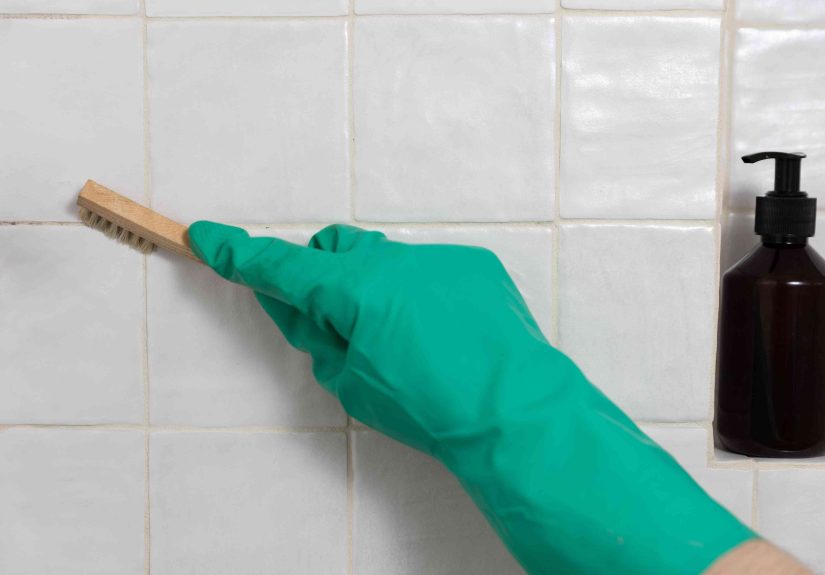
- Gently scrub with a soft brush (an old toothbrush works great).
- Rinse thoroughly and wipe dry.
This combo is popular because it’s effective, inexpensive, and gentler than bleach on most surfaces.
Baking soda and water paste (for sensitive surfaces)
If you’re worried about color changes, have darker grout, or just want to play it ultra-safe, stick with baking soda and water:
- Mix baking soda and water into a thick paste.
- Apply to grout lines, let sit for up to an hour.
- Scrub gently and rinse well.
Seal grout to keep it cleaner longer
Once your grout is clean and completely dry, applying a grout sealer can dramatically slow down future staining and mildew. Most pros recommend sealing grout at least once a year, especially in a frequently used shower.
Low-Effort Habits That Make Cleaning Much Easier
If you really want the easiest way to clean shower tile, it’s all about preventing heavy buildup. A few tiny daily and weekly habits can turn “I need to scrub for an hour” into “this took five minutes, tops.”
Use a squeegee after every shower
It sounds dramatic, but this is the game-changer. Running a squeegee over the walls and glass after each shower removes most of the water and soap residue before it dries into scum. People who do this consistently can often cut deep-cleaning sessions in half or more.
Ventilate like you mean it
Mold and mildew thrive in trapped humidity. Turn on the exhaust fan during your shower and leave it running for 15–20 minutes afterward. Or crack a window and leave the bathroom door open so steam can escape instead of condensing on tile and grout.
Switch to liquid or body wash instead of bar soap
Traditional bar soaps (especially those with talc or fats) create more soap scum than many liquid body washes. Swapping to liquid soap can noticeably reduce film on tile over time.
Do a quick weekly refresh
Once a week, spray tile with your usual cleaner, let it sit a few minutes, lightly scrub trouble spots, rinse, and squeegee. By keeping a weekly rhythm, you’ll almost never face “nuke-the-shower” levels of grime again.
What You Should NOT Use on Shower Tile
Some cleaning shortcuts do more harm than good. To keep your shower safe and pretty, avoid:
- Harsh acids on stone: Vinegar, lemon juice, and strong acidic cleaners can etch or dull marble, travertine, and other natural stone tiles.
- Metal brushes and steel wool: These can scratch tile surfaces and tear up grout, making it even more porous.
- Undiluted bleach all over the shower: Bleach can weaken grout with repeated use and create dangerous fumes, especially if mixed (never mix bleach with vinegar or ammonia).
- Oily or waxy cleaners: They leave a slick film that attracts more dirt and can make the shower floor slippery.
- Dyed cleaners on porous tile or grout: Intense colorants can stain light or unsealed surfaces.
Troubleshooting Common Shower Tile Problems
Stubborn soap scum and hard-water spots
If your regular vinegar or neutral cleaner isn’t cutting it (on ceramic or porcelain), try one of these:
- A repeat vinegar-and-water soak for 20–30 minutes before scrubbing.
- A baking soda paste applied directly to the worst spots, then sprayed with vinegar so it bubbles and loosens buildup.
- A commercial tile and soap-scum remover specifically labeled safe for your tile type.
Mildew or mold stains in grout
For minor mildew stains, hydrogen peroxide is a great option because it helps disinfect and brighten without the harshness of concentrated bleach:
- Soak a cotton pad or folded paper towel with hydrogen peroxide.
- Press it onto the stained grout and let it sit for 30–60 minutes.
- Remove, lightly scrub, and rinse well.
For recurring mildew, focus on better ventilation and more consistent drying of the shower after each use.
Etched or dull natural stone
If stone tiles look dull or cloudy, they may have been exposed to acidic cleaners. At that point, typical household remedies won’t “un-etch” the stone. You may need a stone-safe polishing product or to consult a stone restoration pro, especially for high-end showers.
Real-Life Experiences: What Actually Makes Shower Tile Cleaning Easy
Cleaning shower tile always sounds like a simple job… until you’re kneeling in the tub wondering if this is your villain origin story. Over time, people figure out small tweaks that transform the whole process from “ugh” to “okay, that wasn’t so bad.” Here are some practical, experience-based insights that line up with what pros recommend.
The magic combo: timer + podcast
A lot of homeowners find that the hardest part of cleaning the shower isn’t the physical work it’s starting. One trick that works surprisingly well is to set a 10- or 15-minute timer, put on a favorite podcast or playlist, and commit to cleaning only until the timer goes off. Because you’re using a “spray and soak” method, you’re not scrubbing for the full time anyway. You spray, let it sit, do something else for a few minutes, then come back for a quick scrub and rinse. The whole job feels more like a small task than a huge cleaning event.
Why keeping supplies in the bathroom matters
People who consistently keep their showers clean usually have one habit in common: everything they need is already in the bathroom. A simple caddy with a spray bottle of your preferred shower cleaner, a non-scratch sponge, a soft brush, and a squeegee means you can do a mini-clean whenever you notice buildup. You don’t have to go to a different room, dig under the kitchen sink, or search for supplies which is often where good intentions go to die.
Daily squeegee users vs. everyone else
Ask around and you’ll discover that “squeegee people” have disproportionately clean showers with surprisingly little effort. The difference isn’t in the tool (they’re inexpensive and basic); it’s in the habit. Once wiping down the walls becomes automatic like hanging up your towel soap scum and water spots barely have time to form. Many people report that once they commit to using a squeegee after every shower, they only need a deeper clean every couple of weeks instead of every few days.
Small layout tweaks that make a big difference
Experience also teaches you that where you store things matters. Keeping ten shampoo bottles along the ledge doesn’t just look cluttered; it traps water and makes cleaning more annoying. Fewer products and a simple shelf or caddy mean fewer sticky rings to scrub and less gunk hiding under bottles. Some people even switch to wall-mounted dispensers just to make wiping down tile easier and suddenly their shower looks like a spa.
Learning the limits of “miracle” products
It’s tempting to chase the strongest cleaner you can find and hope it erases years of neglect in one spray. In reality, many people discover that harsh chemicals and abrasive tools do more damage than good. Over time, they fade grout lines, dull tile, and create that “clean but tired-looking” finish. Gentle, repeated cleans with the right products (baking soda, hydrogen peroxide, neutral cleaners) usually give better long-term results and keep the shower looking newer.
The “good-enough” mindset
Finally, one of the biggest experience-based lessons is that perfection is overrated. Your shower doesn’t have to look like it’s ready for a magazine shoot every day. Instead of waiting until it’s a disaster and then trying to restore it to showroom-level perfection, a “good-enough” weekly clean paired with daily squeegeeing keeps it consistently pleasant and avoids overwhelming cleaning sessions. The tiles look fresh, the grout stays respectable, and you get your weekends back.
In the end, the easiest way to clean shower tile isn’t about finding one magic product. It’s about using simple, proven cleaners correctly, protecting sensitive surfaces, and building tiny habits that prevent messes from getting out of control. Once those pieces are in place, cleaning your shower becomes just another quick part of home care not an epic battle with soap scum.
Conclusion
Cleaning shower tile doesn’t have to be exhausting or complicated. Start by using a cleaner that fits your tile type, give it time to work, and rely on gentle scrubbing instead of brute force. Tackle grout with baking soda and hydrogen peroxide or a safe grout cleaner, then protect your hard work with sealing and regular drying. Add in a squeegee habit, decent ventilation, and a short weekly refresh, and you’ll spend far less time fighting grime and more time enjoying a shower that actually feels clean.