Table of Contents >> Show >> Hide
- Why Ribeye Is One of the Best Steaks to Cook at Home
- How to Choose the Best Ribeye Steak
- What You Need to Cook a Ribeye Steak
- Before You Cook: The Prep That Makes a Big Difference
- How to Cook a Ribeye Steak in a Pan
- Ribeye Doneness Guide
- How to Reverse-Sear a Thick Ribeye
- How to Grill a Ribeye Steak
- Common Mistakes That Ruin a Ribeye
- What to Serve with Ribeye Steak
- How to Store and Reheat Leftover Ribeye
- Final Thoughts on How to Cook a Ribeye Steak
- Experience: What Cooking Ribeye Steak Teaches You After a Few Tries
- SEO Tags
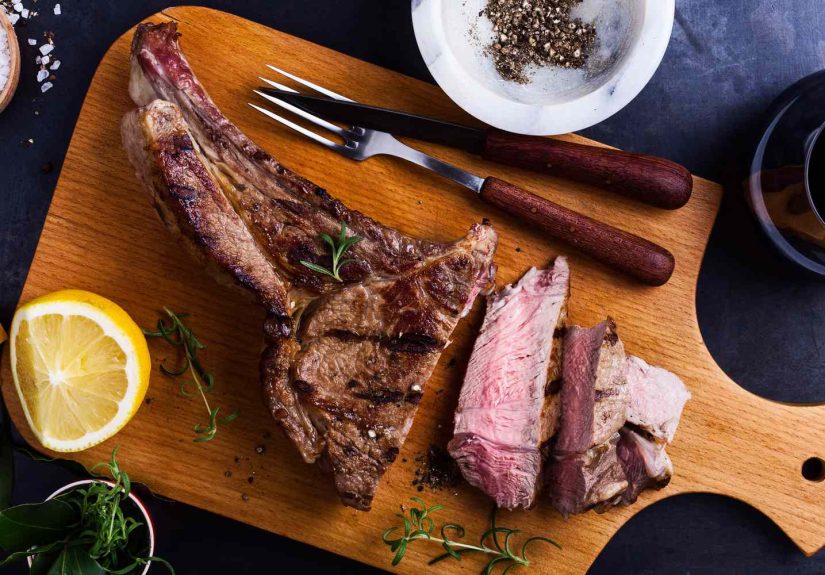
If steak had a lead singer, ribeye would already be on stage, hair blowing in the wind, soaking up applause. It is rich, beautifully marbled, deeply beefy, and forgiving enough to make a home cook feel like a genius on a Tuesday night. Learn how to cook a ribeye steak well, and suddenly dinner stops feeling like routine and starts feeling suspiciously close to a steakhouse splurge.
The secret is not magic. It is heat, timing, salt, a decent pan or grill, and the self-control to stop poking the steak every seven seconds like it owes you money. In this guide, you will learn exactly how to choose, season, sear, grill, rest, and serve ribeye so it comes out juicy, crusty, and wildly satisfying.
Why Ribeye Is One of the Best Steaks to Cook at Home
Ribeye comes from the rib section of the cow, and it is famous for generous marbling. That marbling melts as the steak cooks, which helps create the buttery, beefy flavor people associate with steakhouse dinners. Compared with leaner cuts, ribeye brings more flavor insurance to the pan. Even if you are not a grill wizard or cast-iron sorcerer, ribeye gives you a better chance of success.
It is also versatile. You can pan-sear it, grill it, reverse-sear it, broil it, or even slice leftovers into sandwiches and salads that make sad desk lunches disappear. Ribeye does not ask for much. It just wants high heat, good seasoning, and respect.
How to Choose the Best Ribeye Steak
Look for marbling
Thin white streaks of fat running through the meat are a good thing. That marbling is what helps ribeye stay juicy and flavorful. A steak with solid marbling will usually cook up better than one that is very lean, even if the lean one looks tidier and more photogenic.
Pick the right thickness
For the best results, choose a ribeye that is at least 1 to 1 1/2 inches thick. A thicker steak is easier to cook to your preferred doneness without burning the exterior. Very thin steaks cook fast, but they leave little room for error. Blink wrong and you are suddenly chewing on a leather wallet with grill marks.
Bone-in or boneless?
Both work. A boneless ribeye is easier to sear evenly in a skillet. A bone-in ribeye looks dramatic and cooks beautifully on the grill. The flavor difference is not night-and-day for most home cooks, so choose based on your method and budget.
What You Need to Cook a Ribeye Steak
- 1 ribeye steak, about 1 to 1 1/2 inches thick
- Kosher salt
- Freshly ground black pepper
- High-smoke-point oil, such as avocado, canola, or grapeseed
- 1 cast-iron skillet or stainless-steel pan, or a hot grill
- Instant-read thermometer
- Optional: butter, smashed garlic cloves, thyme or rosemary
You do not need a ten-ingredient marinade or a secret rub blessed by a steak monk. Ribeye already has flavor. Your job is to help it show off.
Before You Cook: The Prep That Makes a Big Difference
Salt the steak the smart way
You have two good options. Salt the steak at least 40 minutes ahead of time, or salt it right before it goes into the pan or onto the grill. That in-between window can leave the surface wetter, which makes browning harder. If you have time, salting ahead is excellent. If you do not, season it and cook immediately. Both paths lead to dinner. One just feels more organized.
Pat it dry
This matters more than people think. Moisture is the enemy of a great crust. Use paper towels and dry the surface well before cooking. A dry steak browns better, smells better, and tastes more like the steak you actually wanted.
Add pepper, but do not overcomplicate things
Fresh black pepper is classic. Add it before cooking if you like a peppery crust, or after cooking if you want a cleaner sear. Either way, salt does the heavy lifting, while pepper is the backup singer with great timing.
How to Cook a Ribeye Steak in a Pan
Pan-searing is one of the best methods for ribeye because it gives you excellent crust, lots of control, and the bonus of butter-basting if you are feeling fancy.
Step 1: Heat the pan until it is properly hot
Place a cast-iron or stainless-steel skillet over medium-high to high heat. Let it get very hot before the steak goes in. If the pan is only mildly warm, the steak will steam instead of sear, and nobody dreams of a steamed ribeye.
Step 2: Lightly oil the steak or the pan
Use a small amount of high-smoke-point oil. Some cooks oil the meat directly to reduce excess smoke; others add oil to the pan. Either works, as long as you do not flood the skillet.
Step 3: Sear the first side
Place the steak in the hot pan and do not move it for the first minute or two. Let the crust begin. Then flip. Some cooks prefer frequent flipping for more even cooking, while others go with longer sears per side. The important thing is developing a deep brown crust without burning the meat.
Step 4: Sear the second side and the edges
After flipping, cook the other side until deeply browned. Use tongs to hold the steak on its fat edge for a short time if needed. Rendering some of that exterior fat adds flavor and helps prevent chewy bites.
Step 5: Butter-baste for bonus flavor
When the steak is almost done, lower the heat slightly and add a tablespoon or two of butter, plus garlic and herbs if using. Tilt the pan and spoon the foaming butter over the steak. This step adds richness and aroma that make the kitchen smell like your life is going very well.
Step 6: Check temperature, not just time
Cooking time varies based on thickness, starting temperature, pan heat, and whether your stove runs like a dragon or a sleepy housecat. Use an instant-read thermometer inserted into the thickest part of the steak.
Step 7: Rest before slicing
Move the steak to a plate or rack and let it rest for 5 to 10 minutes. Resting helps the juices redistribute and keeps the cutting board from looking like a crime scene.
Ribeye Doneness Guide
Many cooks use these doneness targets for texture and preference, while official U.S. food-safety guidance for whole-cut beef steaks sets the safe minimum at 145°F with a 3-minute rest. Use a thermometer and choose the result you actually want on the plate.
- Rare: 120 to 125°F
- Medium-rare: 130 to 135°F
- Medium: 135 to 145°F
- Medium-well: 145 to 155°F
- Well done: 155°F and above
- USDA/FDA safe minimum for beef steaks: 145°F with a 3-minute rest
How to Reverse-Sear a Thick Ribeye
If your ribeye is especially thick, reverse-searing is an excellent method. Instead of blasting it with high heat right away, you cook it gently first, then finish with a hard sear. This helps produce a more even interior and a beautiful crust.
- Preheat the oven to 250 to 275°F.
- Season the steak with salt and pepper.
- Place it on a wire rack over a baking sheet.
- Cook until the internal temperature is about 10 to 15 degrees below your final target.
- Transfer to a screaming-hot skillet or grill and sear briefly on both sides.
- Rest and serve.
This method is especially helpful when you want edge-to-edge doneness with less of the gray overcooked band that can happen with a straight pan sear.
How to Grill a Ribeye Steak
Ribeye and live fire are a very happy couple. The grill adds smoke, char, and a little swagger.
Set up for high heat
Preheat the grill well and clean the grates. For charcoal, a two-zone setup gives you flexibility. For gas, use one side hotter than the other if possible.
Season simply
Salt, pepper, and a light coating of oil are usually enough. Ribeye does not need a sugary marinade that burns before the steak is ready.
Grill over direct heat
Cook the steak over direct high or medium-high heat, flipping once or more as needed, until the crust forms and the internal temperature reaches your target. For thicker steaks, move them to a cooler zone if the outside is darkening too quickly.
Finish and rest
Rest the grilled steak for several minutes before slicing. A finishing pat of butter is optional, but let us not pretend it is a bad idea.
Common Mistakes That Ruin a Ribeye
Using a wet steak
If the surface is damp, the steak spends valuable energy evaporating water instead of browning. Pat it dry like you mean it.
Cooking in a pan that is not hot enough
A lukewarm skillet gives you pale steak and disappointment. Preheat properly.
Skipping the thermometer
Eyeballing works until it does not. A thermometer is the fastest route to consistency.
Cutting too soon
Resting is not culinary superstition. It is what keeps the steak juicy.
Over-seasoning
Ribeye is already flavorful. You are cooking steak, not hiding evidence.
What to Serve with Ribeye Steak
Because ribeye is rich, it pairs well with sides that balance it out.
- Roasted potatoes or crispy smashed potatoes
- Grilled asparagus or green beans
- Simple salad with sharp vinaigrette
- Sauteed mushrooms
- Creamed spinach
- Pan sauce made from fond, stock, and butter
If you want the steakhouse feel, add a wedge salad and call yourself emotionally available to blue cheese for one evening.
How to Store and Reheat Leftover Ribeye
Cool leftovers promptly and refrigerate them in a shallow container. Cooked beef is best used within 3 to 4 days. Reheat gently in a skillet over low heat, in a low oven, or slice thin and serve cold over salad or tucked into a sandwich. Microwaving on high is technically an option, but so is regret.
Final Thoughts on How to Cook a Ribeye Steak
The best ribeye steak is not necessarily the one with the most complicated recipe. It is the one cooked with attention: good meat, enough salt, a dry surface, high heat, a thermometer, and a short rest. That is the formula.
Once you understand those basics, you can make ribeye in a skillet on a weeknight, on a grill for a summer dinner, or with a reverse-sear when you want a more precise result. Ribeye rewards confidence, but it also forgives small mistakes. That is part of its charm. It tastes luxurious without requiring culinary acrobatics.
So the next time you bring home a ribeye, skip the panic and skip the twenty-step marinade. Heat the pan, trust the process, and cook the kind of steak that makes everyone at the table go quiet for a second. That is usually how you know you got it right.
Experience: What Cooking Ribeye Steak Teaches You After a Few Tries
The first time many people cook a ribeye steak at home, they expect either instant glory or total disaster. The truth is funnier and more useful. The first attempt is usually good, the second is weirdly overconfident, and by the third or fourth steak you begin to understand that ribeye rewards rhythm more than perfection.
One of the biggest lessons is that sound matters. When the steak hits the pan, you want that confident sizzle, not a polite little hiss. That sound tells you the crust has a chance. If the pan is not hot enough, the steak looks gray, the fat softens without crisping, and your dinner feels less steakhouse and more cafeteria with ambition.
Another real-life lesson is that thicker steaks are easier to manage than thin ones. Thin ribeyes seem convenient, but they race from undercooked to overdone faster than you can say, “I was just checking on it.” A thicker steak gives you time to build a crust, adjust the heat, and breathe like a calm adult instead of spinning around the kitchen with tongs in one hand and panic in the other.
Home cooks also learn quickly that butter-basting is both helpful and dramatic. The first spoonful of foaming butter over a browned ribeye feels like a movie scene. Garlic, thyme, and hot butter create a smell so good that people suddenly appear in the kitchen asking suspiciously casual questions like, “Need any help?” No, Chad. You smell steak and came to investigate.
Then there is the thermometer lesson. A lot of people resist using one because they think it ruins the romance. In reality, it saves the romance. Cutting into a steak to check doneness is how you lose juices and confidence at the same time. A thermometer turns ribeye from guesswork into repeatable success, which is much sexier than pretending you can judge doneness by psychic ability.
You also learn that resting is real. Slice too soon and the juices run out fast. Wait a few minutes and the steak stays more succulent. It is a tiny act of discipline that pays off every single time. Ribeye, like many good things, improves when you stop rushing it.
Perhaps the most valuable experience is discovering your own preference. Some people love a deep crust and a medium-rare center. Others prefer a slightly more cooked interior with extra rendered fat around the edges. Some want grill smoke. Others want the intense sear of cast iron. There is no steak police helicopter circling your house. Once you understand the core technique, you get to make the ribeye that tastes best to you.
And that may be the best part of learning how to cook a ribeye steak. After a while, it stops feeling like a special-occasion mystery and starts feeling like a skill you own. You know how to shop for it, season it, sear it, rest it, and serve it. You know what mistakes to avoid. You know how to recover if the pan is too hot or the steak is browning too fast. That kind of kitchen confidence spreads to everything else you cook.
So yes, a ribeye steak is dinner. But it is also one of the most satisfying cooking lessons you can give yourself. It teaches patience, timing, observation, and the enormous value of not overcomplicating something that is already delicious. Which is a pretty decent life lesson, honestly.