Table of Contents >> Show >> Hide
- Why Deep-Fried Turkey Gets So Much Hype
- The Part Nobody Should Ignore: Deep-Frying Turkey Is High Risk
- Adult-Only Rules for a Better and Safer Fried Turkey
- What Actually Makes a Turkey Taste Great
- Common Mistakes That Ruin the Turkey
- Want the Fried-Turkey Vibe Without the Drama?
- Serving Tips That Make the Turkey Feel Even Better
- Real-World Experience: What People Learn After Their First Turkey Fry Attempt
- Conclusion
Deep-fried turkey has a reputation that borders on holiday legend. It promises bronzed skin, juicy meat, and the kind of dramatic entrance that makes guests stop talking mid-roll. But let’s be honest: turkey frying is also one of those cooking projects that can go from “heroic holiday flex” to “why is the driveway smoking?” in a heartbeat.
That is why the smartest approach to a perfect turkey starts with one big truth: deep-frying is not a casual kitchen experiment. It is an outdoor, adult-only cooking method that demands patience, planning, and a healthy respect for hot oil. The good news? You can absolutely serve a turkey that tastes fantastic and looks holiday-card worthy when you focus on safety, doneness, and flavor instead of trying to wing it like a reality show contestant.
This guide breaks down what makes fried turkey so appealing, the biggest mistakes people make, the safety habits that matter most, and the practical ways experienced cooks protect both the bird and the people standing nearby. It also covers a safer path for anyone who wants crisp skin and juicy slices without turning the holiday into an accidental fire drill.
Why Deep-Fried Turkey Gets So Much Hype
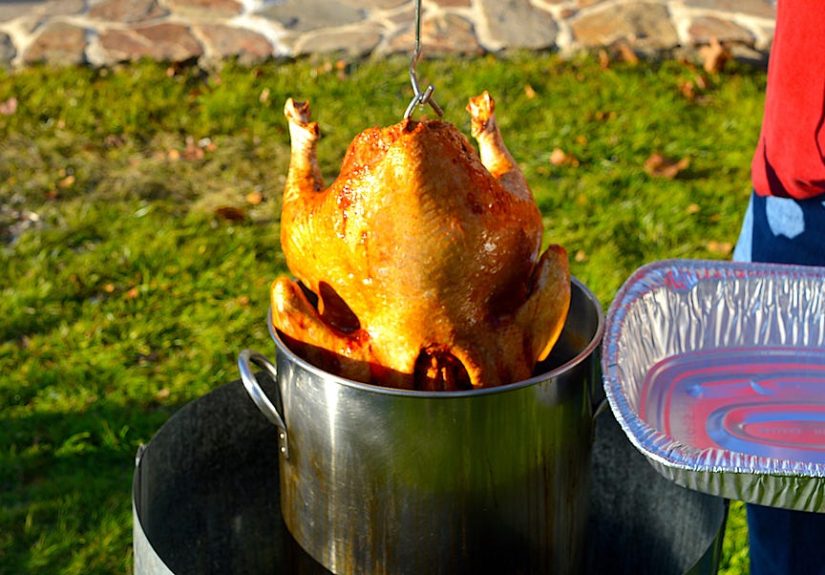
There is a reason people talk about fried turkey with the same energy they reserve for family recipes and playoff wins. When it is handled properly by an experienced adult, the method can produce a turkey with deeply golden skin and moist meat. Because the cooking environment is intense, the exterior develops color quickly while the inside stays tender. In other words, it delivers that magical contrast everybody wants: crisp outside, juicy inside, zero sad sawdust texture.
It also frees up oven space, which matters on a holiday when the oven is already working overtime with stuffing, casseroles, rolls, and at least one dessert that “just needs ten more minutes.” That convenience is part of the appeal. The turkey cooks outside, the side dishes stay inside, and the kitchen remains slightly less chaotic.
Still, the phrase slightly less chaotic is doing some heavy lifting here. Deep-frying is not a shortcut in the careless sense. It is only efficient when the setup, the turkey, the equipment, and the cook are all ready. A rushed fryer is a bad fryer.
The Part Nobody Should Ignore: Deep-Frying Turkey Is High Risk
Hot oil is unforgiving. That is the headline. Deep-frying a turkey involves extremely high heat, a large pot of oil, an outdoor burner, and a heavy bird that can introduce moisture or instability at exactly the wrong moment. That combination is why fire-safety experts have warned for years that turkey fryers can cause devastating burns, flare-ups, tip-overs, and property damage.
If you remember only one thing from this article, remember this: perfection starts with control, not bravado. A beautiful turkey is never worth risking burns, grease fires, or a trip to the emergency room. The “pro” mindset is not about showing off. It is about being boring in all the right ways: prepared, careful, focused, and unwilling to cut corners.
Adult-Only Rules for a Better and Safer Fried Turkey
1. Start with a Fully Thawed, Dry Turkey
This is non-negotiable. A partially frozen turkey is a troublemaker in disguise. Ice and hot oil do not negotiate; they erupt. A turkey should be fully thawed before any adult even thinks about frying. It should also be dry on the surface. Moisture is not “a little inconvenience.” In hot oil, moisture becomes splatter, instability, and risk.
Experienced cooks treat thawing like part of the recipe, not an afterthought. They plan days ahead, keep the bird cold and safe, and avoid last-minute improvisation. Holiday confidence is built in the refrigerator, not five minutes before the burner is lit.
2. Fry Outdoors, Never Indoors or in a Garage
A turkey fryer belongs outside in an open area, far from the house, garage, porch, deck edges, dry leaves, and anything else that could catch fire or trap heat. Not in the kitchen. Not under an overhang. Not “just inside the garage because it’s windy.” That last idea has starred in too many cautionary tales already.
A stable, level surface matters too. Wobbly setups and heavy pots full of hot oil are a terrible pairing. If the location feels cramped, sloped, or cluttered, it is the wrong location.
3. Keep Kids, Pets, and Spectators Back
The holiday crowd loves to gather around the action, but a fryer is not a group activity. Children and pets should stay well away from the cooking area, and adults who are not actively helping should not hover nearby. A turkey fryer is not dinner theater. It is a high-heat cooking station, and the cook needs space, focus, and a clear path to move safely.
4. Use a Food Thermometer and Respect Doneness
Color is not a reliable measure of doneness. Neither is confidence. Neither is an uncle saying, “Looks done to me.” The only trustworthy way to know a turkey is safely cooked is to use a food thermometer and make sure the thickest areas reach the proper internal temperature. That is what separates a gorgeous bird from a risky one.
This matters for quality too. A properly checked turkey is more likely to stay juicy because you are cooking toward a real target instead of guessing and overshooting into dryness.
5. Do Not Stuff a Turkey for Frying
Stuffing and frying are not friends. A stuffed turkey is harder to cook evenly and can increase food-safety problems. If you want stuffing, make it separately and let it be the side dish star it was born to be. Your turkey and your guests will both be better off.
6. Stay Present the Entire Time
Holiday cooking tempts people into multitasking. Answer the door. Refill a drink. Check the pie. Run inside for a platter. With a fryer, that mindset is dangerous. The cook should stay present and attentive from setup through finish. No wandering off. No “it’ll be fine for a minute.” Those are famous last words in apron form.
What Actually Makes a Turkey Taste Great
People often assume the fryer does all the work. It does not. Even the most beautiful skin cannot save a bland bird. Flavor still comes from seasoning, smart prep, and paying attention to the turkey itself.
The best holiday turkeys usually have a few things in common: they are seasoned well in advance, not overloaded with gimmicks, and allowed to shine without too many competing flavors. Salt, pepper, garlic, herbs, citrus, and a little smoke-inspired seasoning can go a long way. You do not need to turn the turkey into a chemistry project. You need balance.
Texture also matters. People love fried turkey because the meat often tastes juicy and the skin feels festive instead of floppy. That contrast can come from frying, but it can also come from thoughtful roasting methods. So if your main goal is “crispy skin, juicy slices, and guests asking for leftovers,” you have options.
Common Mistakes That Ruin the Turkey
Trying to Rush the Prep
A rushed turkey usually shows up in one of two ways: it is not fully thawed, or it has not been seasoned well. Neither problem ends happily. Great turkey is almost always the result of planning ahead, not heroic last-minute energy.
Relying on Appearance Alone
Golden skin is lovely, but it is not a food-safety certificate. A turkey can look finished before it is properly cooked. It can also go too far while someone waits for “just a little more color.” Thermometers are boring, yes. They are also how adults avoid serving undercooked poultry or dry turkey jerky.
Turning the Setup Into a Crowd Event
Too many people, too much noise, too many distractions. This is how mistakes multiply. The best cooks create a calm zone around the fryer. Less chatter, more attention. It is not antisocial. It is smart.
Ignoring the Weather and Surroundings
Outdoor cooking sounds simple until the wind kicks up, the ground is uneven, or the setup is too close to something flammable. Pros notice the environment before they start. If the conditions are not right, they pivot. Nothing says maturity like canceling a bad idea before it becomes an expensive one.
Want the Fried-Turkey Vibe Without the Drama?
Here is the plot twist many home cooks eventually discover: you do not have to deep-fry a turkey to serve a turkey that tastes special. If your goal is crisp skin, juicy meat, and a table full of impressed people, safer alternatives can get you surprisingly close.
High-heat roasting, spatchcocking, and air-fryer techniques for smaller cuts can all create excellent texture without involving a giant vat of hot oil. A well-roasted turkey with dry skin, good seasoning, and careful temperature monitoring can be deeply flavorful and beautifully browned. It may not have the mythology of fried turkey, but it also will not terrify your homeowner’s insurance company.
For many families, that is the real pro move: understand the appeal of deep-fried turkey, borrow the flavor goals, and choose the method that fits your space, skill level, and risk tolerance. There is no shame in wanting crispy skin without a side of adrenaline.
Serving Tips That Make the Turkey Feel Even Better
Once the turkey is cooked safely, the final details matter more than people think. Let the turkey rest before carving so the juices stay where they belong instead of flooding the cutting board like a holiday tragedy. Slice with intention. Serve with bright, acidic sides that balance richness. A tart cranberry sauce, a citrusy salad, or a punchy herb gravy can make the whole plate feel more alive.
And do not forget leftovers. A perfect turkey is not just about the big reveal. It is also about tomorrow’s sandwiches, soups, and midnight refrigerator visits. Store leftovers promptly and keep them cold. The holiday does not end when the plates are cleared; food safety still matters after the applause.
Real-World Experience: What People Learn After Their First Turkey Fry Attempt
The most interesting thing about deep-fried turkey is that nearly everyone who has been around one has a story. Not always a disaster story, but definitely a story. Sometimes it is about the first time the cook realized how much setup mattered. Sometimes it is about how the “easy outdoor turkey plan” somehow involved checklists, thermometers, gloves, backup platters, and three adults suddenly speaking in the serious tone usually reserved for airport ground crews.
One of the most common experiences people describe is surprise at how little margin for error the process seems to allow. Beforehand, they imagine a dramatic but manageable cooking method. During the actual event, they realize every detail feels amplified: the weather, the location, the dryness of the bird, the position of the equipment, who is standing nearby, whether the path is clear, whether the cook is distracted, and whether everyone is respecting the fact that this is not the moment to start telling a long story about fantasy football.
Another shared experience is how quickly confidence changes into respect. People who approach turkey frying casually often become the biggest advocates for caution afterward. They realize that a successful cookout did not happen because the method is easy. It happened because the adults involved were prepared, patient, and strict about safety. In that sense, the best turkey-frying veterans do not sound reckless at all. They sound methodical.
There is also a funny holiday truth here: sometimes the turkey becomes secondary to the ritual around it. The outdoor setup, the bundled-up relatives, the nervous jokes, the person assigned to keep everyone else out of the work zone, the triumphant walk back inside with the finished bird like it just won a county fair ribbon. The memory is not just the food. It is the atmosphere of collective suspense followed by relief and applause.
At the same time, many experienced cooks eventually say something unexpected: they love the flavor of fried turkey, but they do not always love the stress. After a few holidays, some switch to roasting methods that give them more control and less risk. They miss a bit of the fried texture, maybe, but they gain peace of mind. And peace of mind turns out to be a pretty underrated side dish.
That is probably the biggest takeaway from real-world experience. A “perfect turkey” does not just mean the skin is crisp and the meat is juicy. It means the day felt manageable. It means nobody got hurt. It means the cook was calm enough to enjoy the meal. It means the guests remember how good everything tasted, not how tense the setup felt.
So when people talk about pro tips for a perfect turkey, the most valuable tip may be the least flashy one of all: choose the method that lets you serve great food confidently. For some skilled adults with the right outdoor setup, that may include deep-frying. For plenty of others, it means aiming for the same delicious results through safer alternatives. Either way, the win is the same: juicy slices, happy guests, and a holiday story that ends with leftovers instead of sirens.
Conclusion
Deep-fried turkey has earned its reputation for bold flavor, crisp skin, and holiday wow factor. But the real pro move is understanding that excellent results come from preparation, patience, and safety-first decision-making. A perfect turkey is not about taking risks for the sake of drama. It is about serving food that is delicious, properly cooked, and memorable for the right reasons.
If deep-frying is ever part of the plan, it should be handled only by experienced adults using a careful outdoor setup and strict food-safety habits. For everyone else, there are safer ways to chase the same juicy, flavorful goal. In the end, the best turkey is the one that lands on the table beautifully cooked, surrounded by happy people, with absolutely no one saying, “Well, that got out of hand.”