Table of Contents >> Show >> Hide
- How Smithing XP Actually Works (Why Daggers Became a Meme)
- Quick Prep Checklist (Do This Before You Start the Grind)
- Fast Track #1 (Early Game): Transmute + Gold Jewelry (Smithing 15 → 30+)
- Fast Track #2 (Midgame MVP): Dwarven Bows from Dwemer Scrap (Smithing 30 → 90+)
- The Finisher: Hit 100 Faster with Fortify Smithing (Tempering Turbo Mode)
- Trainers: Buy Levels Without Going Broke (Up to 90)
- Resource Routes That Save You Time (Not Just Gold)
- Common Mistakes That Make Smithing Feel Slow
- The Fast Path Summary (Do This, In This Order)
- Extra: of “Real Run” Experience (What It Feels Like to Speed-Level Smithing)
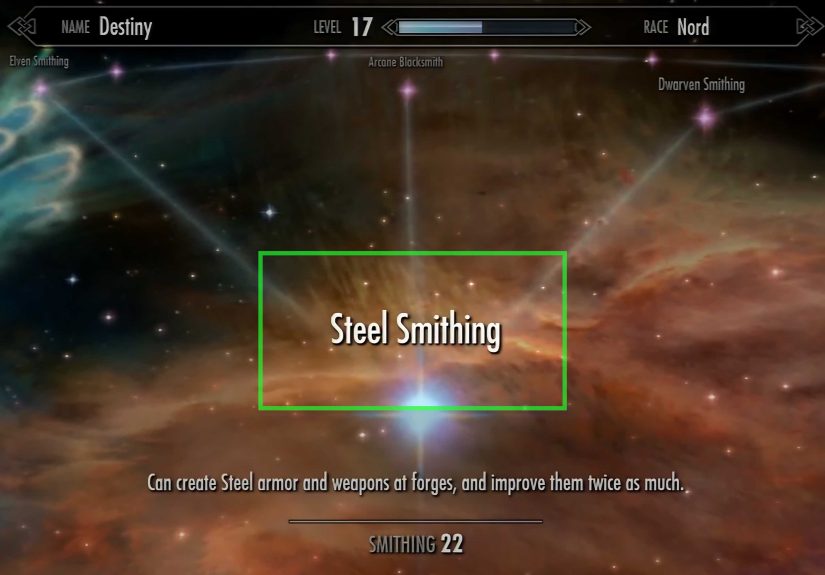
Smithing in The Elder Scrolls V: Skyrim is basically legal cheating. It turns your “pretty good” gear into “who needs stealth when your helmet is a tank?” gear. The only catch: leveling Smithing can feel like watching a mudcrab learn algebraslow, salty, and technically possible.
This guide is the fast route to Smithing 100 without turning your playthrough into an iron dagger factory that violates several labor laws. You’ll use the methods that scale best (value-based crafting), stack smart XP boosts, and lean on the two MVP loops: Transmute jewelry early and Dwemer scrap into Dwarven bows midgame, finishing with tempering for the final push.
How Smithing XP Actually Works (Why Daggers Became a Meme)
Smithing levels fastest when you create or improve items with higher gold value. Translation: the game rewards you for making expensive stuff, not for producing 900 identical butter knives. Crafting and improving (tempering) both give Smithing experience, and big value jumps from tempering can be a late-game rocket booster.
The “fast” mindset
- Chase value: jewelry, certain bows, higher-tier gear improvements.
- Use your whole crafting ecosystem: Smithing funds Enchanting; Enchanting raises sell value; that money buys more materials.
- Plan your perk timing: one perk at Smithing 30 unlocks the most efficient midgame path.
Quick Prep Checklist (Do This Before You Start the Grind)
Before you craft a single ring, set yourself up so every action pays more. This is the difference between “fast” and “why is this taking all day?”
1) Grab an XP boost (Standing Stones + sleep)
- The Warrior Stone speeds up combat skills (Smithing included). Great if Smithing is your main goal right now.
- The Lover Stone boosts all skills. Not as strong for Smithing specifically, but flexible if you’re leveling everything.
- Sleep bonuses: “Well Rested” (owned/inn bed) is a straightforward boost. If you’re married, “Lover’s Comfort” is even better.
Pro tip: if you only do one thing, sleep before a crafting session. It’s the easiest multiplier in the game and it costs exactly one nap.
2) Fix your carry-weight problem before it starts
Fast Smithing involves hauling ore, ingots, and Dwemer scrap that weighs approximately the same as a small moon. Bring a follower, consider a carry-weight boost, and don’t be shy about multiple trips to a smelter. You’re not slowyou’re logistical.
3) Choose a “craft hub”
Pick a city where you can forge, smelt, and sell without jogging across a mountain. Whiterun is popular early because it’s accessible, has blacksmith services, and you’ll be there constantly anyway.
Fast Track #1 (Early Game): Transmute + Gold Jewelry (Smithing 15 → 30+)
This method is beloved because it levels multiple skills at once: Alteration (casting Transmute), Smithing (crafting), and Speech (selling the jewelry). It’s the Swiss Army knife of early progression.
Step 1: Get the Transmute Mineral Ore spell
The classic early pickup is the Transmute Mineral Ore spell tome from Halted Stream Camp near Whiterun. Clear the bandits, find the tome, and suddenly you’re an ore wizard. Iron becomes silver, silver becomes gold, and your character becomes emotionally attached to the “wait 1 hour” button.
Step 2: Stock up on iron ore (the raw fuel)
- Mine iron whenever you see it. Early mines and camps can supply a surprising amount.
- Buy iron ore/ingots from blacksmiths. Spend gold to save timethis is power leveling, not penny-pinching roleplay.
- Loot smart: take gems whenever you find them. Gems turn “good XP” jewelry into “ridiculous XP” jewelry.
Step 3: Transmute → Smelt → Craft
- Transmute iron to silver, then silver to gold.
- Smelt ore into ingots at a smelter.
- Craft jewelry at the forge. If you have gems, make the highest-value jewelry available. If you don’t, gold rings are the reliable workhorse.
Step 4: Sell it (and smile)
Sell your jewelry to fund more ore purchases. If merchants run out of gold, rotate vendors or use the time to transmute more. If you enchant the jewelry later, it sells for even more, but you don’t have to waitthis method is strong even without Enchanting.
When to stop the jewelry phase
Jewelry can take you far, but the sweet spot is: push to Smithing 30 so you can unlock the Dwarven Smithing perk. That perk flips the switch on the fastest midgame method.
Fast Track #2 (Midgame MVP): Dwarven Bows from Dwemer Scrap (Smithing 30 → 90+)
Once you hit Smithing 30, you’re standing at the entrance to the Dwemer Costco. Dwemer ruins are packed with scrap metal that can be smelted into Dwarven ingots, which then become Dwarven bowsa famously efficient value-to-effort craft.
Step 1: Take the Dwarven Smithing perk at Smithing 30
This perk unlocks crafting Dwarven gear. Even if you don’t plan on wearing Dwarven armor, taking this perk purely for leveling is still one of the best “time saved per perk point” deals in Skyrim.
Step 2: Raid Dwemer ruins for scrap
You’re not looting for treasureyou’re looting for anything that looks like it belongs in an ancient robotic dishwasher. Dwemer “scrap” items can be smelted into ingots. Bring a follower. Bring patience. Bring the willingness to ignore the tiny voice saying, “Do I really need 47 Dwemer struts?” (Yes. Yes, you do.)
Step 3: Smelt scrap into Dwarven metal ingots
Find a smelter and turn your mountain of scrap into neat stacks of ingots. This is where your carry-weight planning pays offbecause Dwemer scrap is heavy and your character is not a forklift (unless you’re roleplaying one, in which case: respect).
Step 4: Craft Dwarven bows (the main leveling engine)
Dwarven bows are popular because they’re valuable and their ingredients are straightforward once you’ve got the scrap. Keep a stock of iron ingots on hand too, because bows require both Dwarven and iron materials.
Optional: Craft Dwarven arrows (Dawnguard helps)
If you have access to arrow crafting, Dwarven arrows can be another efficient sink for Dwarven ingots and firewood. They’re simple to mass-produce, sell decently, and can double as actual ammunition instead of “inventory art.”
Step 5: Temper everything for bonus XP
After crafting, go to a grindstone and improve (temper) your bows. Improving items also grants Smithing XP, and with the right buffs (more on that next), tempering can become the “final boss” strategy for the last stretch to 100.
The Finisher: Hit 100 Faster with Fortify Smithing (Tempering Turbo Mode)
Here’s the secret sauce: Fortify Smithing doesn’t help you craft more items, but it boosts how much you improve them. Bigger improvements mean bigger value jumps, and bigger value jumps mean bigger Smithing XP when tempering.
Build a basic Smithing buff kit
- Fortify Smithing enchantments on gear (commonly gloves, ring, necklace, chest) are a huge quality-of-life upgrade.
- Fortify Smithing potions stack with gear and can push your tempering into “why is this bow suddenly worth a fortune?” territory.
Easy Fortify Smithing potion ingredients to watch for
Common Fortify Smithing ingredients include Blisterwort, Glowing Mushroom, Sabre Cat Tooth, and Spriggan Sap. You don’t need to be a full-time alchemistjust collect these when you see them and brew a batch when you’re ready to do a big tempering session.
What to temper for the biggest XP jumps
- Your own high-value crafted gear (bows, higher-tier weapons/armor).
- Looted high-tier items you were going to sell anywaytemper first, then sell.
- Endgame materials (Ebony/Daedric/Dragonbone) if you have accesstempering these with buffs can spike XP fast.
The practical approach: craft a pile of Dwarven bows, then do a “buffed tempering marathon” near the end. That combo is one of the most consistent, low-drama paths to 100.
Trainers: Buy Levels Without Going Broke (Up to 90)
Skyrim lets you train skills several times per character level, and Smithing trainers can speed things upespecially if you’re already sitting on a pile of sellable crafts. The key is to train, then sell your crafted gear back to the same city’s vendors to recoup gold.
How to use trainers efficiently
- Train Smithing as many times as you can.
- Sell your jewelry/bows to get the gold back.
- Craft more with the materials you just bought.
- Repeat until you hit the trainer cap (and/or your patience cap).
Important limitation: even “master” training won’t take you all the way to 100. Trainers top out before the finish lineso you’ll still need to craft and temper for the last levels.
Resource Routes That Save You Time (Not Just Gold)
Your Smithing speed is limited by how fast you can feed the forge. Here are the highest-impact collection habits:
Iron, silver, gold (for jewelry)
- Mine iron whenever convenient; buy extra from blacksmiths to keep momentum.
- Transmute lets iron become silver and gold on demand, so iron is never “low tier.”
- Collect gems aggressively; gem jewelry is a value spike and levels Smithing faster.
Dwemer scrap (for Dwarven bows/arrows)
- Loot Dwemer ruins thoroughlymany scrap pieces smelt into ingots.
- Bring a follower purely as a walking backpack.
- Smelt in batches so you’re not making ten trips for ten ingots.
Common Mistakes That Make Smithing Feel Slow
- Crafting low-value spam past the early levels (the dagger phase should not become your personality).
- Skipping tempering (improving items is often the difference between 97→100 taking forever vs. taking minutes).
- Not using buffs (Standing Stones + sleep bonuses are free speed).
- Ignoring the economy (sell what you make to buy more materials instead of waiting for ore to respawn).
- Over-encumbered crafting runs (Dwemer scrap doesn’t help you if it’s sitting on the floor because you can’t move).
The Fast Path Summary (Do This, In This Order)
- Sleep for an XP bonus and pick an XP-boosting Standing Stone.
- Get Transmute and stockpile/buy iron ore.
- Transmute → smelt → craft jewelry until Smithing 30.
- Take Dwarven Smithing perk.
- Raid Dwemer ruins, smelt scrap into ingots.
- Craft Dwarven bows in bulk (and/or arrows if you prefer that flow).
- Finish with buffed tempering using Fortify Smithing gear + potions.
- Use trainers up to their limit, selling crafts to recover gold.
Extra: of “Real Run” Experience (What It Feels Like to Speed-Level Smithing)
Here’s the part guides don’t always capture: power-leveling Smithing is less like “training” and more like running a tiny medieval manufacturing empire while being chased by dragons.
The early phase feels innocent. You pick up Transmute, mine a bunch of iron, and tell yourself, “I’ll just make a few rings.” Cut to two hours later: your character is hunched over a forge like an overworked artisan, your inventory is 73% jewelry, and you’ve developed a suspicious emotional bond with the sound effect of a smelter. You’ll start thinking in production chains. Iron ore isn’t “ore” anymoreit’s “future rings.” Silver is merely “gold that hasn’t accepted its destiny yet.”
Then you discover Dwemer ruins. At first, you’re awed by the architecture and ancient machines. Five minutes later, you’re no longer an adventurer; you’re a scavenger with a business plan. Every metal plate becomes a paycheck. Every bent Dwemer scrap becomes a stepping stone to greatness. You’ll fight automatons not for the glory, but because they’re standing between you and a pile of scrap metal that you absolutely, definitely, 100% need (you don’t, but Smithing 100 demands sacrifices).
The funniest part is the carry weight comedy. You enter a ruin confident and unburdened. You leave moving at the speed of continental drift, followed by a loyal companion who is also now a licensed freight carrier. At some point you’ll drop a cheese wheel, pick up a Dwemer strut, and tell yourself this is the correct life choice.
Once you’re back at the forge, the rhythm becomes oddly satisfying. Smelt. Craft. Improve. Sell. You’ll watch Smithing levels pop like fireworks and suddenly understand why Skyrim’s merchants never retire: the economy is fueled entirely by Dragonborns mass-producing questionable amounts of jewelry. If you want to keep it fun, mix “production sessions” between quests. Clear a ruin, then craft. Do a dungeon, then temper. This keeps Smithing from becoming a single endless grind and makes the progress feel like a reward for adventuring rather than punishment for wanting better armor.
And when you finally hit Smithing 100, it’s glorious. Not because the number is pretty (it is), but because you know you earned it through a bizarre combination of magic, metallurgy, and capitalism. You’re no longer just Dragonbornyou’re Dragon-forged.