Table of Contents >> Show >> Hide
- First, a Reality Check: Your Goal Is Safety and Fairness, Not Revenge
- Know What Counts as Serious Misconduct
- 13 Ethical Ways to Build Evidence Against a Bad Boss
- 1. Start a Private Incident Log
- 2. Save Emails, Chats, and Messages (Within the Rules)
- 3. Collect Company Policies and Training Materials
- 4. Keep Performance Reviews and Work Records
- 5. Document Patterns, Not Just One-Offs
- 6. Get Witness Accounts the Right Way
- 7. Follow the Official Complaint Process
- 8. Use Anonymous or Third-Party Reporting Tools (If Available)
- 9. Send “Confirmation” Emails After Problematic Conversations
- 10. Track Retaliation and Its Impact on You
- 11. Talk to a Union Rep or Employee Advocate (If You Have One)
- 12. Consult an Employment Attorney or Legal Clinic
- 13. Know When to Go to Outside Agencies
- What Not to Do (No Matter How Much You Dislike Your Boss)
- Real-World Experiences: What Happens When You Document a Bad Boss
- The Bottom Line: You’re Building a Record, Not a Revenge Plot
Let’s start with a tiny reality check: you can’t literally “fire” your boss. You don’t have that button on your keyboard (if only). What you can do is calmly, carefully, and legally document real misconduct so that HR, upper management, or outside authorities have the evidence they need to act.
This guide is not about revenge because your boss chews too loudly or sends one too many smiley-face emojis. It’s about what to do when your manager is genuinely crossing linesharassing you, discriminating against you, retaliating, falsifying records, or otherwise breaking company policy or the law.
We’ll walk through 13 ethical, evidence-based ways to protect yourself and build a strong, factual record. Done right, your documentation can help your company fix the problem. If that ultimately leads to your boss being demoted, disciplined, or fired, that’s on themnot on you.
First, a Reality Check: Your Goal Is Safety and Fairness, Not Revenge
Before you start collecting receipts like a workplace detective, get clear on your goal. Trying to “take down” your boss just because you dislike their personality is risky, stressful, and usually unsuccessful. But if your boss is:
- Harassing or bullying you or coworkers,
- Discriminating based on protected characteristics (like race, sex, disability, or age),
- Retaliating because you spoke up,
- Breaking safety rules or engaging in fraud,
- Creating a hostile environment that violates policy,
…then documenting what’s happening is not pettyit’s self-protection and often a necessary step to trigger an investigation.
Also keep in mind: every country, state, and employer has its own rules. What’s legal in one place might be illegal in another (for example, secretly recording conversations or copying certain documents). When in doubt, talk to HR, a trusted employee representative, or an employment attorney before you act.
Know What Counts as Serious Misconduct
Not every bad boss is a lawbreaker. There’s a big difference between “annoying” and “actionable.” Serious issues usually fall into these categories:
1. Discrimination and Harassment
This includes unfair treatment, slurs, jokes, or patterns of behavior based on a protected characteristic such as race, color, religion, sex (including pregnancy, sexual orientation, and gender identity), national origin, age (40+ in many jurisdictions), disability, or genetic information. Repeated offensive comments, sexual advances, or demeaning behavior can all fall under harassment when they’re severe or pervasive enough.
2. Retaliation
If your boss punishes you for reporting misconduct, asking for accommodations, participating in an investigation, or asserting your rights, that can be retaliation. Examples: sudden demotions, schedule changes designed to push you out, or unfair write-ups right after you complain through official channels.
3. Safety Violations and Fraud
For some workers, the problem isn’t rude emailsit’s dangerous shortcuts or dishonest reporting. A boss who forces employees to ignore safety protocols, falsify time sheets, hide accidents, or mislead clients may be putting both the company and employees at serious risk. Those issues often justify internal investigations or even regulatory complaints.
Once you’ve decided you’re dealing with real misconductnot just a clash of personalitiesit’s time to build a clear, calm, factual record.
13 Ethical Ways to Build Evidence Against a Bad Boss
Think of this as a “how to document your boss” guidenot a “how to start a war” manual. The aim is accurate, honest, legally safe evidence.
1. Start a Private Incident Log
Your memory will blur under stress. A written log will not.
Use a notebook at home or a secure app that isn’t owned by your employer. For every incident, jot down:
- Date and time
- Location (office, Zoom, chat, etc.)
- Who was present
- Exactly what was said or done
- How it affected you or your work
Stick to facts, not insults. “Boss said, ‘People like you don’t belong in leadership,’ during staff meeting” is more powerful than “Boss was a jerk again.”
2. Save Emails, Chats, and Messages (Within the Rules)
Many bad bosses document themselves. They send hostile emails, make discriminatory remarks in chat, or give instructions they shouldn’t put in writing. Your job is to preserve that evidence without breaking policy or the law.
Some options:
- Use built-in search to label or flag problematic emails.
- Download or print messages if your employer allows it.
- Take screenshots of chat threads (without altering them).
Be very careful about forwarding company emails to your personal account. In some workplaces, this can violate confidentiality or data-protection rules. If you’re unsure, ask a lawyer before you start mass-forwarding anything.
3. Collect Company Policies and Training Materials
Evidence is much stronger when you can show, “Here’s what the company says,” and “Here’s what my boss actually did.”
Download or bookmark:
- The employee handbook
- Anti-harassment and anti-discrimination policies
- Code of conduct and ethics policies
- Any training materials on respectful workplace behavior
When you report your boss, you can point to specific sections your boss appears to be violating. That makes HR’s job easier and your case stronger.
4. Keep Performance Reviews and Work Records
If your boss starts attacking your performance as a cover for retaliation, your previous records may save you.
Keep copies of:
- Past positive performance reviews
- Emails praising your work from clients or colleagues
- Metrics dashboards, sales reports, project outcomes
That way, if your boss suddenly claims you’re “always underperforming” right after you complain, you have a paper trail that says otherwise.
5. Document Patterns, Not Just One-Offs
One bad day doesn’t necessarily equal a case. Patterns do.
In your log, note when similar behavior repeats:
- Are women or people of a certain background always interrupted or belittled?
- Does your boss regularly text you at 11 p.m. with threats about your job?
- Do you only get yelled at after raising concerns?
Pattern + documentation = a story that HR and investigators can actually follow.
6. Get Witness Accounts the Right Way
Try not to drag coworkers into dramabut if they witnessed something important, their perspective matters.
You can say something like, “Hey, that meeting earlier really bothered me. I’m keeping notes in case I need to talk to HR. Would you be comfortable writing down what you saw?” Respect a “no,” and never pressure anyone. If they agree, ask them to:
- Write down the date, time, and place of the incident
- Describe what they personally saw or heard
- Sign and date their statement (even if it’s just an email)
7. Follow the Official Complaint Process
Before you dream of your boss being escorted out with a cardboard box, you usually need to follow internal procedures. Most companies have:
- A reporting process in the handbook
- An HR contact or employee relations team
- Online or hotline-based complaint forms
When you file a complaint, be clear, factual, and organized. Attach your incident log and relevant emails. Avoid long rants; think of it like writing a report, not a diary entry.
8. Use Anonymous or Third-Party Reporting Tools (If Available)
Some workplaces and industries use anonymous reporting tools, ethics hotlines, or third-party platforms where you can document misconduct without revealing your identity right away.
These tools may:
- Let you upload screenshots and descriptions securely
- Time-stamp your reports to show a clear chronology
- Allow back-and-forth with investigators without showing your name
Check if your company mentions such tools in onboarding or policy documents. They’re designed exactly for situations like this.
9. Send “Confirmation” Emails After Problematic Conversations
If your boss says something troubling verballygives an illegal instruction, makes a discriminatory comment, or threatens your jobyou can create a written record without secretly recording them.
After the conversation, send a calm, neutral email like:
“Hi [Boss], just to confirm our conversation today at around 3 p.m.: you directed me to [summary]. You also mentioned that if I [refused/complained], my position could be at risk. If I misunderstood anything, please let me know.”
If your boss doesn’t correct youor worse, replies confirming what they saidyou now have written evidence.
10. Track Retaliation and Its Impact on You
After you complain through proper channels, watch what happens next. Are you:
- Suddenly excluded from meetings you used to attend?
- Given impossible goals, night shifts, or no schedule stability?
- Written up for tiny things that were ignored before?
Add these to your log and keep emails or documentation that show the timeline. Retaliation can, in many cases, be a separate violationeven if the original complaint is still under review.
11. Talk to a Union Rep or Employee Advocate (If You Have One)
If you’re part of a union or have access to an employee representative or ombudsperson, use that resource. They can:
- Help you frame your complaint effectively
- Tell you what documentation is most persuasive
- Accompany you in meetings with management or HR
They’ve likely seen dozens of similar cases and can tell you honestly whether your evidence is strong or needs more detail.
12. Consult an Employment Attorney or Legal Clinic
Sometimes the stakes are highlost income, damaged reputation, safety, or long-term career risks. In those cases, talking to an employment lawyer or legal aid clinic can be invaluable.
A lawyer can:
- Tell you what’s legal or illegal in your region (recordings, data copies, etc.)
- Help you decide whether to file with a government agency
- Review your documentation and suggest gaps to fill
Many offer low-cost consultations or contingency-based arrangements, depending on your situation and location.
13. Know When to Go to Outside Agencies
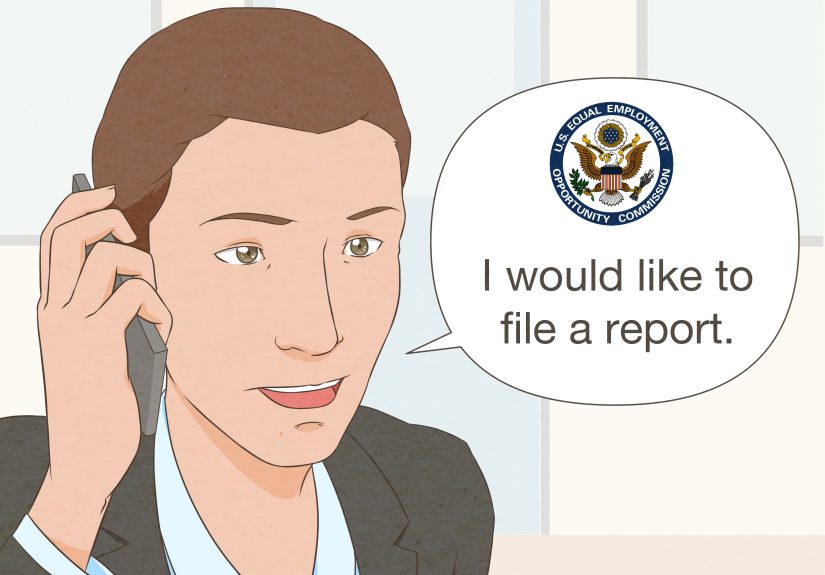
If internal channels failor your boss is doing something that clearly violates anti-discrimination, safety, or labor lawsyou may be able to file a complaint with a government agency (like a labor board, discrimination commission, or safety regulator in your country).
These agencies often ask for:
- Dates and details of incidents
- Names and roles of the people involved
- Copies of emails, messages, and relevant documents
- Information about how you’ve already tried to resolve the issue internally
This is where all that careful documentation pays off. Instead of saying, “My boss is terrible,” you can say, “Here’s what happened, when, and how I tried to address it.”
What Not to Do (No Matter How Much You Dislike Your Boss)
While it’s tempting to go full movie-villain, some tactics will hurt you more than them. Avoid:
- Fabricating or exaggerating evidence. If investigators catch even one lie, your credibility is goneand your job might be, too.
- Illegal recordings or hacking. Depending on local laws, secretly recording conversations or accessing private accounts can be illegal.
- Public smear campaigns. Posting about your boss on social media can violate company policy and make you look unprofessional.
- Harassing your boss in return. Threats, insults, or sabotage can turn you into the problem employee in HR’s eyes.
Remember: you want to be the calm, credible adult in the room. Your power comes from being honest, consistent, and documentednot from being the loudest.
Real-World Experiences: What Happens When You Document a Bad Boss
Every situation is unique, but there are some common patterns in how things play out when employees start documenting and reporting a truly toxic boss. Here are a few composite scenarios based on real-world experiences and what you can learn from them.
Case 1: The “Jokes” That Weren’t Funny
Imagine a manager who constantly makes “jokes” about a team member’s accent and age. At first, the employee laughs it off, then starts dreading meetings. Eventually, they begin keeping a log: dates, exact comments, which coworkers were present, and how often it happens. They also save emails where the boss follows these comments with lines like, “You know I’m just kidding, right?”
When the employee finally goes to HR, they bring:
- A detailed incident log covering several months
- Emails showing a pattern of minimizing and deflecting
- Two coworkers willing to confirm what they heard
HR investigates, interviews witnesses, and concludes the manager violated the company’s anti-harassment policy. The outcome? Mandatory training, a formal warning in the manager’s file, and a change in reporting structure so the employee doesn’t answer to that boss anymore. In some companies, repeated or severe behavior like this can absolutely lead to termination.
Case 2: The Retaliation Spiral
In another scenario, an employee reports that their boss has been routinely ignoring safety rules in a warehouse environment. After the report, their schedule suddenly changes to the worst shifts, small mistakes get blown up into written warnings, and a promotion quietly disappears.
Instead of exploding in frustration, the employee:
- Updates their log with each new schedule change and write-up
- Keeps copies of performance reviews from before the complaint
- Saves emails showing their previously strong record
When they raise retaliation with HR and, later, with a lawyer, they can clearly show a “before and after” picture. That timeline makes it much easier for others to see that the negative treatment started only after the safety complaint.
Case 3: When the Company Backs the Boss
Sometimes, even with solid evidence, a company may try to protect a high-performing manager. Investigations can be slow, incomplete, or quietly dropped. That doesn’t mean your documentation was useless.
In these cases, employees often:
- Use their documentation to negotiate a better exit package or reference
- Bring their log and emails to an attorney or relevant agency
- Rely on their evidence if they later need to explain an abrupt job change
It’s frustrating when justice doesn’t happen quickly, or at all. But having a clear record turns a messy, emotional story into something concrete you can use to protect your future.
The Emotional Side: Give Yourself Some Grace
Dealing with a toxic boss while quietly documenting everything is exhausting. You might second-guess yourself (“Am I overreacting?”) or feel guilty (“I don’t want to get anyone fired”). That’s normal.
Lean on:
- Trusted friends or familyoutside workfor emotional support
- Mental health professionals if the stress is affecting your sleep, mood, or health
- Peer support groups or online communities of workers in similar situations (keeping identifying details private)
Remember: holding someone accountable for harmful behavior is not “being dramatic.” It’s asking for the basic respect and safety everyone deserves at work.
The Bottom Line: You’re Building a Record, Not a Revenge Plot
You can’t control whether your boss ultimately gets firedthat depends on company policies, laws, and decisions far above your pay grade. What you can control is how clearly you document what’s happening, how calmly you present it, and how well you protect yourself along the way.
If your boss really is crossing legal or ethical lines, your evidence gives HR, lawyers, or regulators something solid to act on. And if the outcome is coaching, reassignment, or your boss packing up their coffee mug collection, you’ll know you handled it with integrityand without becoming the villain in your own story.