Table of Contents >> Show >> Hide
- Bleeding Heart Vine at a Glance
- Where to Grow It: Indoors vs. Outdoors
- Light: The Secret Sauce for Blooms
- Temperature and Humidity: Keep It Cozy
- Soil and Potting Mix: Rich, Drainy, and Not a Swamp
- Watering: The “Goldilocks” Routine
- Fertilizer: Feed It Like a Blooming Machine (Because It Is)
- Pruning and Training: The Key to a Fuller, Flowerier Vine
- Propagation: Make More Plants (Because One Is Never Enough)
- Repotting: When Your Plant Outgrows Its Apartment
- Overwintering: Keeping Your Vine Alive When It’s Cold Outside
- Common Problems (and How to Fix Them)
- Design Ideas: Make It Look Like You Totally Planned This
- FAQ
- Growing Experiences: What It’s Like Living With a Bleeding Heart Vine (Real-World Lessons)
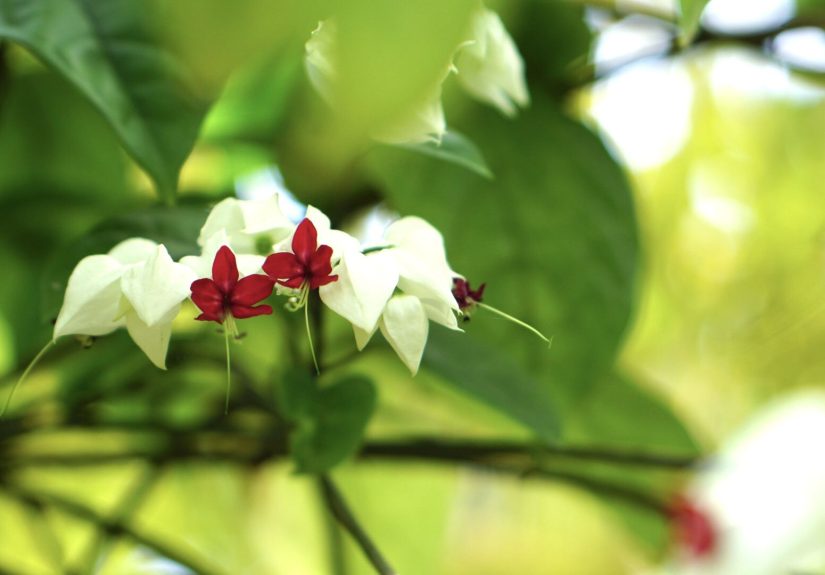
If you’ve ever wished your houseplant collection had more dramalike “rom-com meet-cute, but make it botanical”meet the bleeding heart vine, also called glory bower (Clerodendrum thomsoniae). It’s a twining tropical vine that shows off white “lantern-like” bracts with a deep red flower peeking out, like it’s wearing a fancy tux with a red pocket square. When it’s happy, it blooms generously and climbs anything you politely (or not-so-politely) give it.
One quick note before we dig in: “bleeding heart” can also mean the cool-weather perennial Dicentra. Different plant, different needs, different vibes. This article is about the tropical vinewarmth-loving, sun-hungry, and ready to perform.
Bleeding Heart Vine at a Glance
- Botanical name: Clerodendrum thomsoniae
- Common names: Bleeding heart vine, glory bower, bleeding glory bower
- Plant type: Twining evergreen shrub/vine (often grown as a houseplant)
- Bloom season: Warm months (often summer), usually on new growth
- Best for: Trellises, hanging baskets, sunny patios, bright indoor windows
- Cold tolerance: Tropicaltreat frost like a hard “nope”
Where to Grow It: Indoors vs. Outdoors
Indoors (Most Popular Option)
Indoors, bleeding heart vine is basically a bright-window celebrity. Put it where it gets lots of lightthink a south- or west-facing window with strong daylight, or an east-facing window with gentler morning sun. If your plant grows but refuses to bloom, the usual culprit is light that’s “nice” but not “bright enough to power a small solar panel.”
Pro tip: Give it something to climb. A small trellis in the pot works great. No trellis? It’ll still growjust in a “sprawling hair day” kind of way. Hanging baskets also work if you prefer trailing stems over climbing.
Outdoors (If You Live Warm Enough)
Outdoors, glory bower shines on patios, pergolas, and fencesespecially where it can get plenty of sun but avoid harsh, all-day blasting heat in the hottest climates. In warm regions, aim for full sun to part shade; morning sun with afternoon shade can be a sweet spot if summers are intense.
Because it’s tropical, most gardeners outside warm zones grow it as a container plant they move in and out seasonally. That way, you get patio glamour in summer and safe indoor lodging when temperatures drop.
Light: The Secret Sauce for Blooms
If you remember one thing, make it this: more light = more flowers (up to a point). Bleeding heart vine can grow in moderate light, but blooming typically improves with brighter conditions and direct sun. Outdoors, it can handle full sun to part shade. Indoors, it’s happiest in strong light near a sunny window, especially during the growing season.
How to Tell If Light Is the Problem
- Long stems, big gaps between leaves: It’s stretching for light.
- Healthy leaves but no blooms: Often not enough light (or too much nitrogen fertilizer).
- Leaf scorch/browning edges: Too much harsh sun through glass, especially in hot afternoons.
Temperature and Humidity: Keep It Cozy
This plant likes warmth. A comfortable indoor range (typical home temps) usually works well, but it performs best when it’s consistently warm and not exposed to cold drafts. If you grow it outdoors in a pot, be ready to bring it inside before chilly nights. Once temperatures start dipping, your vine may drop leaves and sulk for a bitdon’t panic. That can be a normal response to cooler conditions, especially in winter.
Humidity helps, too. If your indoor air is dry (hello, winter heating), consider one or more of these:
- Group plants together to create a humid micro-zone.
- Use a pebble tray (pot on stones above water, not sitting in it).
- Run a small humidifier nearby.
Soil and Potting Mix: Rich, Drainy, and Not a Swamp
Bleeding heart vine likes soil that holds moisture but still drains well. “Moist, not wet” is the mantra. A high-quality potting mix with added compost works nicely, especially for containers. The goal is a mix that stays evenly damp after watering but doesn’t remain waterlogged for days.
Easy Potting Mix Recipe (Container-Friendly)
- 2 parts all-purpose potting mix
- 1 part compost or worm castings
- 1 part perlite (or pine bark fines) for drainage and airflow
Container must-have: Drainage holes. A pot without drainage is basically an invitation to root rot, and root rot always RSVP’s “yes.”
Watering: The “Goldilocks” Routine
During active growth (typically spring through early fall), water regularly so the soil stays evenly moist. The plant is a vigorous grower when it has steady moisture and nutrientsso inconsistent watering can cause droopy leaves, stalled growth, and fewer blooms.
Best Practice Watering Method
- Stick your finger into the soil about 1 inch deep.
- If it feels dry at that depth, water thoroughly until excess drains out.
- Empty the saucer so the pot doesn’t sit in water.
Winter Watering (When Growth Slows)
In cooler, darker months, the plant often slows down or may even drop leaves. Water lessjust enough to keep the soil from drying out completely. If it goes semi-dormant, treat it like a sleepy bear: don’t keep poking it with fertilizer and extra water. Let it rest.
Fertilizer: Feed It Like a Blooming Machine (Because It Is)
For reliable flowering, feed bleeding heart vine during the growing season. A balanced, water-soluble fertilizer used on a regular schedule can support both leafy growth and blooms.
Simple Feeding Schedule
- Spring through summer: Feed every 2 weeks with a balanced, water-soluble fertilizer (diluted per label).
- Fall and winter: Reduce feeding significantly or pause when growth slows.
Bloom-friendly tip: If you’re getting lots of leaves and no flowers, you may be overdoing nitrogen. Switch to a fertilizer that’s not overly nitrogen-heavy and increase light.
Pruning and Training: The Key to a Fuller, Flowerier Vine
Bleeding heart vine can grow as a vine, a mounded shrub, or even a hanging-basket spiller. Your pruning choices decide the aesthetic. The plant typically blooms on new growth, so pruning at the right time encourages fresh stems that can flower.
When to Prune
- After flowering: Best time for a meaningful cutback to shape the plant and encourage new growth.
- During the growing season: Light trims and pinching can reduce legginess and encourage branching.
How to Prune Without Fear
Don’t be afraid to prune fairly hard. Remove thin, weak growth and shorten long stems to a set of healthy leaf nodes. If your plant looks like it tried to climb the curtains and lost the plot halfway, pruning is your reset button.
Propagation: Make More Plants (Because One Is Never Enough)
Bleeding heart vine is pleasantly cooperative when it comes to propagation. You can start new plants from cuttings or by layering stems while still attached to the parent plant.
Propagate from Stem Cuttings
- Take a 4–6 inch cutting from a healthy stem (semi-ripe tip cuttings are ideal in late spring or late summer).
- Remove lower leaves, leaving a few at the top.
- Root in water or in a moist rooting medium (like damp sand or a light potting mix).
- Keep warm and bright (not scorching sun). Roots often form quickly.
Propagation by Layering (Low Drama, High Success)
Layering is the “set it and forget it” option. Gently bend a flexible stem down into a nearby pot of soil, pin it in place, and keep that spot lightly moist. Once roots form, you can snip it from the parent plant and pot it up.
Repotting: When Your Plant Outgrows Its Apartment
If roots circle the bottom of the pot, water runs straight through, or growth stalls despite good care, it may be time to repot. Move up only one pot size at a time. A huge pot holds excess water longer, which increases the risk of soggy soil problems.
Best time to repot: Spring, as new growth starts.
Overwintering: Keeping Your Vine Alive When It’s Cold Outside
If you grow bleeding heart vine outdoors in a container, bring it inside before cold weather. When conditions cool, the plant can drop leaves and look unimpressed with your life choices. That’s often normal. Keep it in bright light, water sparingly, and hold off on feeding until new growth returns.
A Practical Winter Plan
- Move indoors near a bright window.
- Reduce watering; keep soil barely moist.
- Skip fertilizer until spring.
- Expect leaf drop if light and temps are lower than it prefers.
Common Problems (and How to Fix Them)
No Flowers
- Most common cause: Not enough light. Move to a brighter spot.
- Also possible: Too much nitrogen fertilizer. Switch to a balanced feed and don’t over-apply.
- Timing issue: Prune after flowering to encourage new growth that can bloom next cycle.
Yellow Leaves
- Overwatering: Soil staying wet too long can stress roots. Improve drainage and adjust watering.
- Low light in winter: Some yellowing and leaf drop can happen when it slows down.
- Rootbound: If watering is tricky and growth slows, consider repotting in spring.
Pests (Indoor and Patio Uninvited Guests)
Bleeding heart vine can occasionally attract common pests like spider mites, mealybugs, aphids, and whiteflies. Catch them early and you’ll save yourself a month of plant-related grumbling.
Quick Pest Response Plan
- Isolate the plant (so pests don’t throw a house party on your other plants).
- Rinse foliage with a gentle shower or wipe leaves with a damp cloth.
- Treat with insecticidal soap or neem oil as needed, repeating per label.
- Improve airflow and avoid letting the plant stay stressed (dry soil + hot air = spider mite paradise).
Design Ideas: Make It Look Like You Totally Planned This
Bleeding heart vine is a “feature plant.” Use it where you want attentionnear an entryway trellis, on a sunny patio, or by a bright window where it can become your living décor flex.
Easy Styling Wins
- Patio trellis: Train it upward for a vertical pop of color.
- Hanging basket: Let it trail for a softer, romantic look.
- Container combo: Pair with subtle foliage plants (like small grasses or chartreuse leaves) so the flowers steal the show.
FAQ
Is bleeding heart vine hard to grow?
Not reallyif you can provide bright light, steady watering (not soggy), and warmth, it’s fairly straightforward. Most “problems” come from low light indoors or winter care that’s too generous with water.
Can it bloom indoors?
Yes. Indoors blooming is very doable if the plant gets strong light and consistent care during the growing season. A sunny window and regular feeding make a big difference.
How big does it get?
In warm climates it can become a large climber. In containers and indoors, it usually stays more manageable, especially with pruning and training.
Growing Experiences: What It’s Like Living With a Bleeding Heart Vine (Real-World Lessons)
The first time you grow a bleeding heart vine, it teaches you a lesson that’s equal parts gardening and comedy: this plant is unbelievably enthusiasticright up until it isn’t. In the warm months, it can shoot out new growth fast enough to make you wonder if it’s secretly plugged into a charging cable. Give it a trellis and it’ll climb like it has somewhere important to be. Forget the support, and it’ll improvise: sprawling, looping, and occasionally trying to hug a nearby plant like a clingy friend at a party.
One of the most common “aha” moments comes with blooming. Many gardeners start with a healthy vine that’s all leaves and ambition… and zero flowers. The fix is almost always brighter light. The day you move it closer to a sunnier window (or outside to a bright patio), it’s like the plant suddenly remembers it has a job to do. You’ll notice buds forming on fresh growth, and thenbamthose white bracts and red flowers show up looking like tiny decorations you definitely did not hang by hand.
Watering is the second big lesson. Bleeding heart vine likes moisture, but it doesn’t want wet feet. In real life, that means you can’t water on autopilot. In summer, it may need frequent watering, especially in a pot on a hot patio. But the moment weather cools or the plant slows down, the same routine can backfire. A good habit is checking the soil before watering, not the calendar. If the top inch is dry, water. If it’s still damp, wait. This one small change prevents a surprising number of problemsyellow leaves, droopiness, and that dreaded “why does my soil smell weird?” moment.
Pruning can feel intimidating until you see what happens after a good cutback. This plant rewards decisiveness. After flowering, trimming it back often triggers bushier growth and keeps it from turning into a long-stemmed tangle. If you’ve ever looked at your vine and thought, “You’re gorgeous, but you’re also… a bit chaotic,” pruning is the peace treaty. Pinching tips during the growing season is also underrated: it encourages branching, which can mean more places for flowers to form later.
Then there’s overwinteringaka the season when your vine tests your emotional resilience. If you bring it indoors and it drops leaves, it can look like a dramatic breakup. But often it’s just reacting to lower light and cooler conditions. The trick is not to “love it to death” with extra water and fertilizer. Let it rest, keep it in bright light, water lightly, and wait for spring. When new growth returns, it’s weirdly satisfyinglike you and the plant survived winter together and should probably get matching jackets.
Finally, pests. If you’ve ever dealt with spider mites, you know they thrive when air is dry and plants are stressed. In experience, the best prevention is stable care: don’t let the plant dry out completely, keep it in bright light, and bump humidity if your home is desert-dry. When pests do show up, quick action matters. A rinse, a wipe-down, and a few rounds of insecticidal soap can usually bring things back under control before it becomes a saga.
Overall, growing bleeding heart vine feels like hosting a talented houseguest: give it the right environment and it’ll put on an incredible show. Ignore its basic needs and it’ll still livebut it may stop performing until you fix the lighting, watering, or seasonal routine. The good news? Once you dial in what it wants, it becomes one of those plants that makes visitors ask, “Waitwhat IS that?” And that’s basically the gardening version of a mic drop.